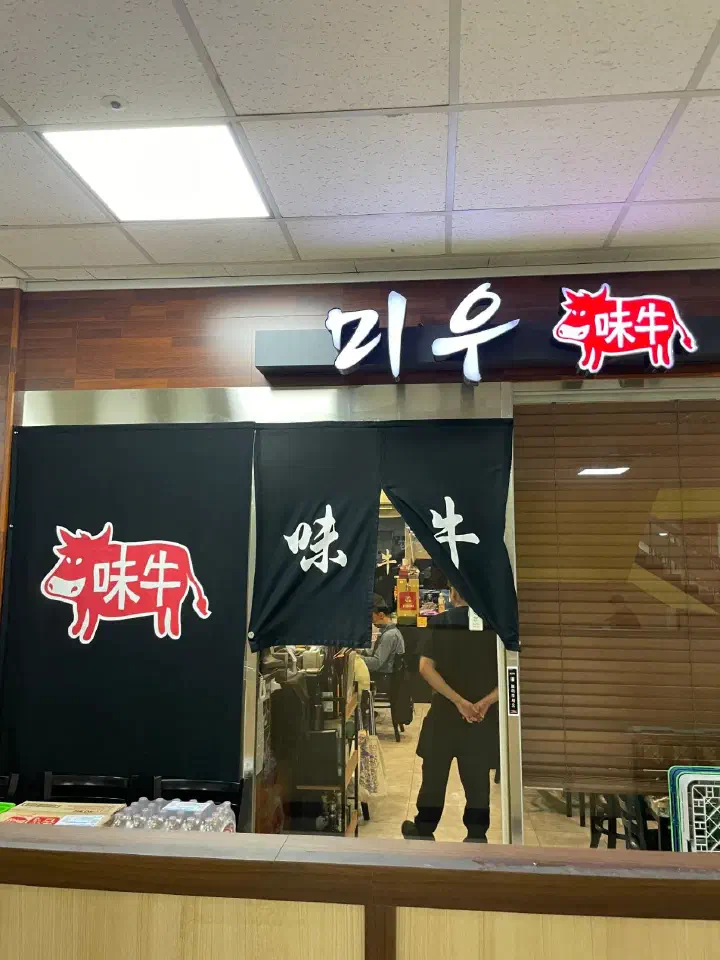
If you ask around Apgujeong about hanwoo, Miu (미우) comes up almost every time.
It isn’t on a flashy main street. It hides in the basement of a shopping arcade inside the Miseong apartment complex, so first-timers often stand at the entrance wondering if they have the right place.
That tiny room happens to be one of the hardest tables to book in Seoul right now.
Here’s a walk through what makes the place tick, cut by cut.

What it is and how to get there
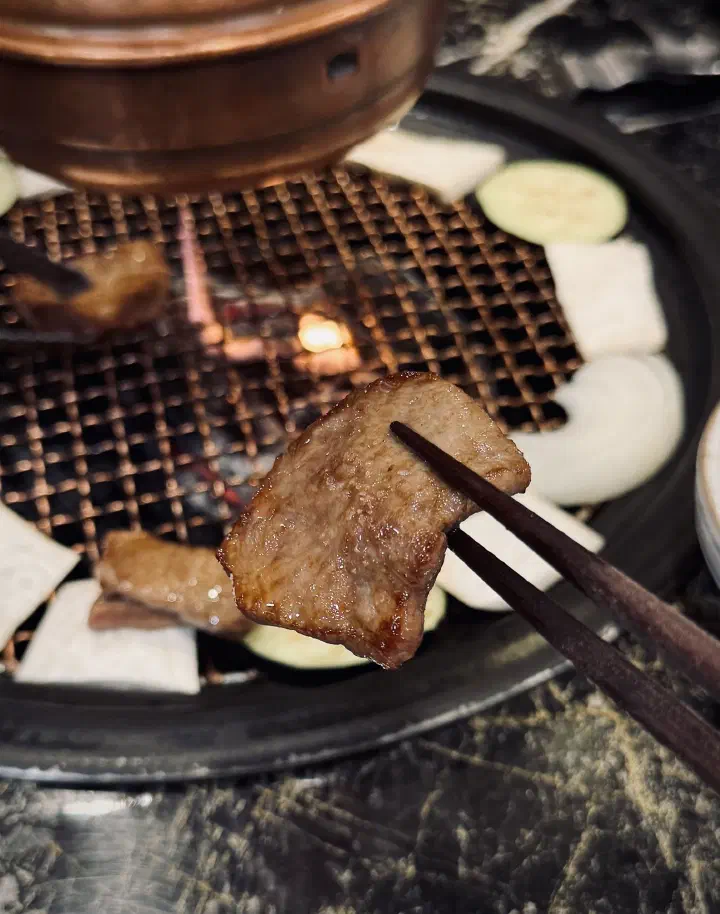
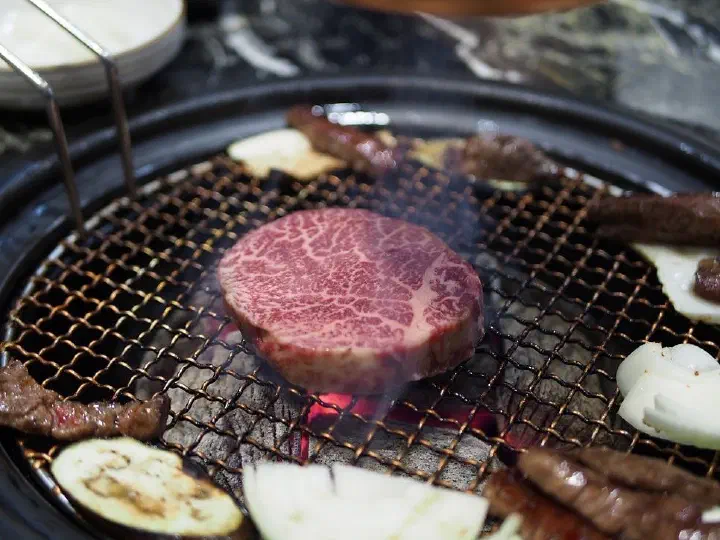
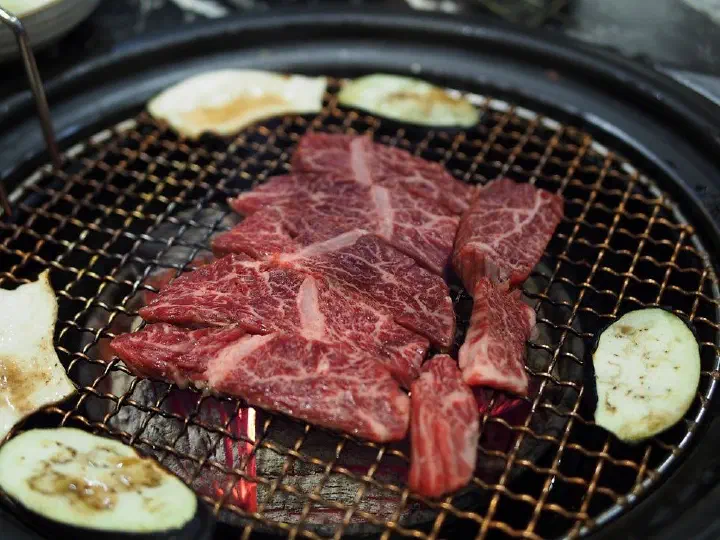
Miu grills hanwoo over charcoal in a yakiniku style.
The family ran a butcher shop in this same arcade for over forty years, and the son turned it into a restaurant. The owner spent a long time in Japan, so little Japanese touches run through the menu - pickled scallions, cabbage salad, an egg rice bowl.
The basics first:
- Address: B1, 113-22 Apgujeong-ro, Gangnam-gu, Seoul (Miseong arcade)
- Phone: 02-544-7775
- Hours: Tue-Sun 17:00-21:00, closed Mondays, with a 12:00 lunch on Sat and Sun
- Booking: via the CatchTable app, opening at noon on the 1st of each month for the following month
- Corkage: 30,000 won per bottle up to 750ml, 50,000 won for larger bottles or whisky
- Instagram @miu_84 posts closures and the schedule
📍 View Miu (미우) on Google Maps →
It’s about a 10-minute walk (roughly 900m) from Exit 6 of Apgujeong Station.
A quick tip for travelers: Google Maps walking and transit directions are unreliable in Korea, so use Naver Map or KakaoMap instead. The arcade is a bit of a maze, so give yourself a minute to find the stairs down.

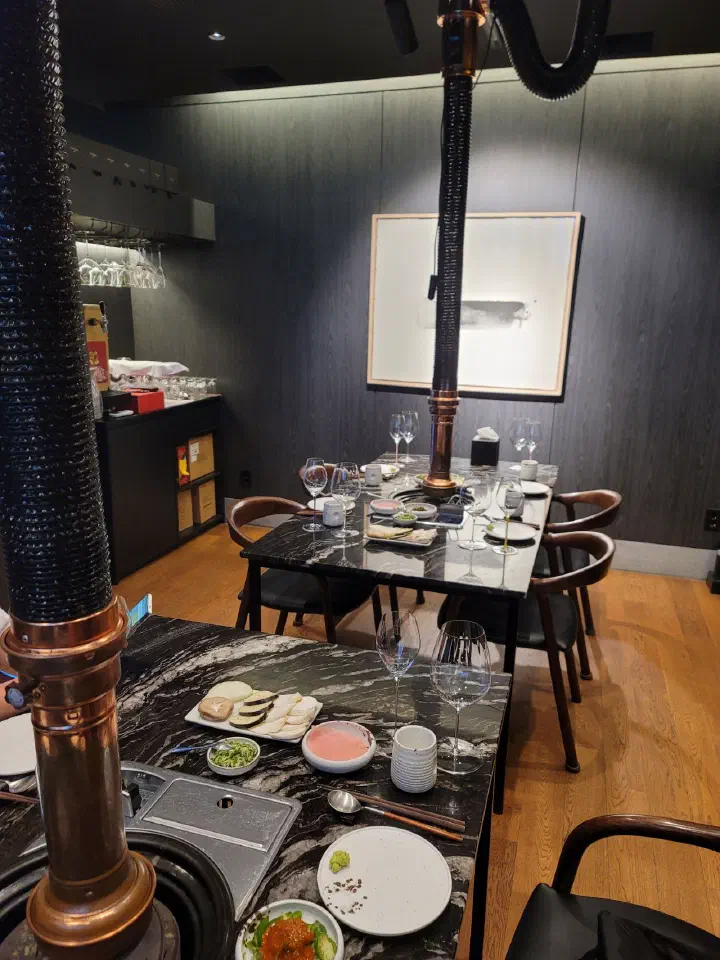
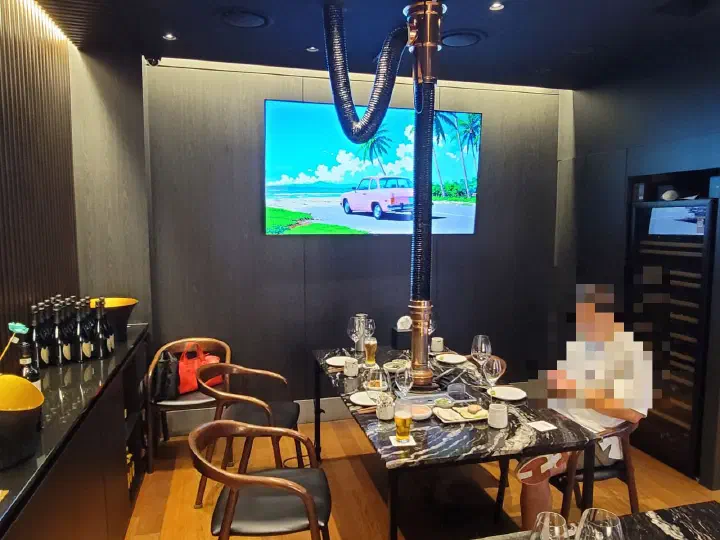
The room is genuinely small.
Dinner runs on only five or six tables, so if you’re picturing a grand interior, adjust your expectations. There’s also a separate private room for groups, which fills up fast when people want somewhere quieter.

Booking is the first hurdle
You can’t really talk about Miu without talking about the booking.
It’s CatchTable only, and the whole next month opens at noon on the 1st. Tables go in seconds, so have the app open and be ready at the exact minute.
Dinner seatings are split across 17:00, 17:30, 18:00, 18:30 and 19:00.
Everyone leaves by 21:00, but staggering the start times lets the staff give each table proper attention. Maximum party size is six; for six you book for four and then call the restaurant.
If the calendar looks hopeless, there’s one trick.
Cancellations tend to pop up the evening before, so checking then can land you a surprise table.
Start with beef tongue, then the special cuts
When you sit down, you get cabbage salad, pickled radish, scallions, chilies, wasabi and salt.
It’s a tidy spread meant to cut the richness of the beef - nothing extra, just what you need.

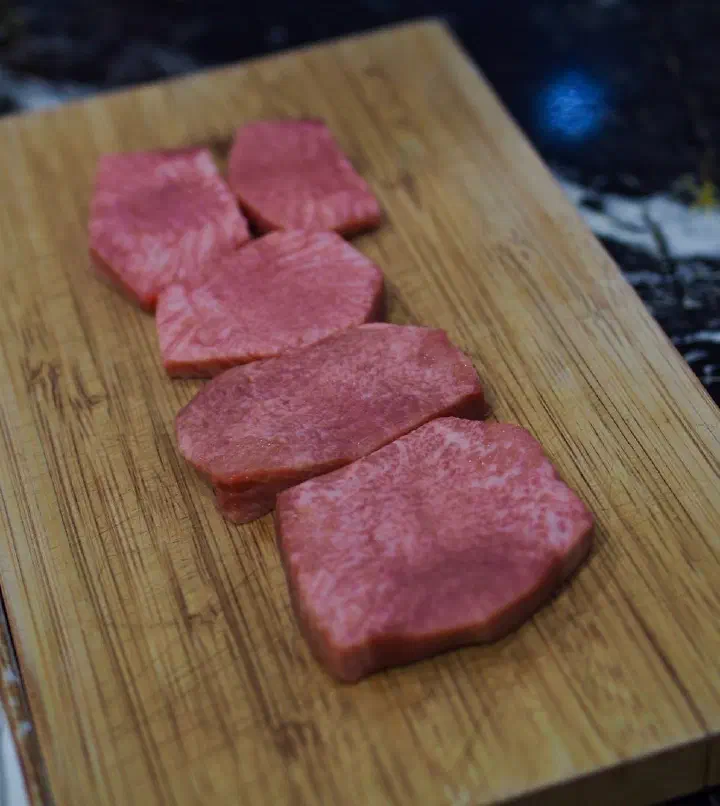
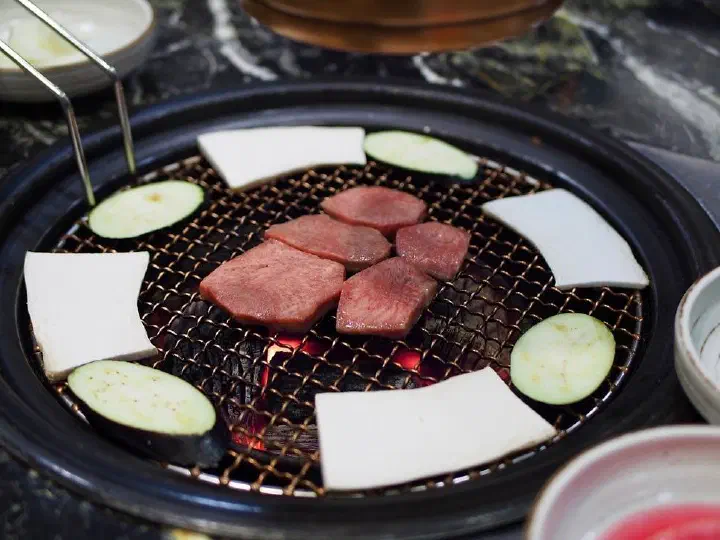
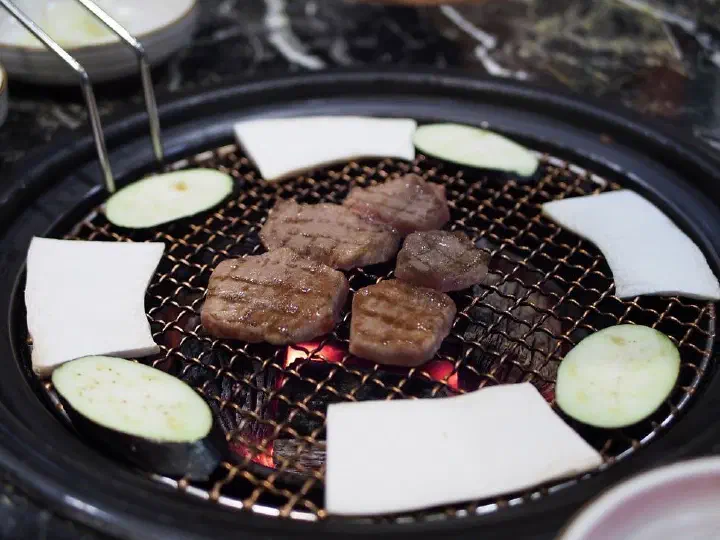
The usual opener here is wooseol (우설), beef tongue.

It doesn’t look like the tongue you might be picturing. They trim away everything but the cleaner inner part and cut it thick, so even people who normally skip tongue tend to enjoy it.

It has a springy, crisp-tender bite, and it gets nuttier the longer you chew.
A little of the pickled scallion on top balances the richness nicely. That said, past two or three pieces it starts to feel heavy, so stopping around two per person keeps it at its best.
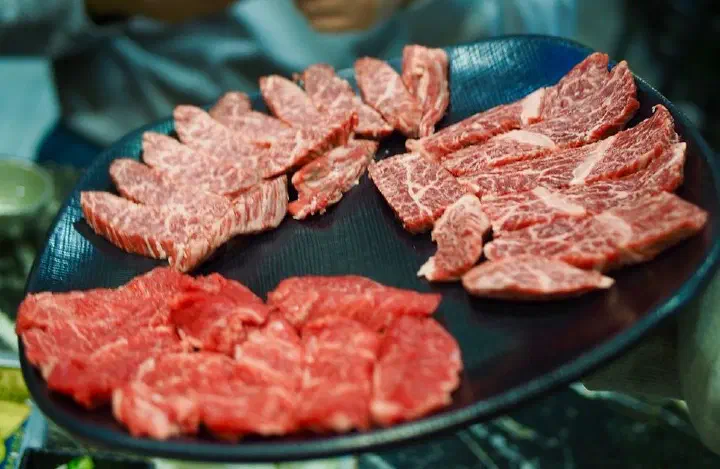
Next come the special cuts.

Jebichuri (제비추리), tosisal (토시살) and anchangsal (안창살) all come from the same cow yet taste completely different.
Jebichuri is leaner and nutty, while tosisal is softer and juicier.

Anchangsal, the skirt steak, is the safe favorite.
It’s tender but still has a satisfying chew and a deep beefy aroma, and a lot of people pick it as their top special cut.

Tenderloin, sirloin, and a hidden cut
After the special cuts you move on to tenderloin and sirloin.
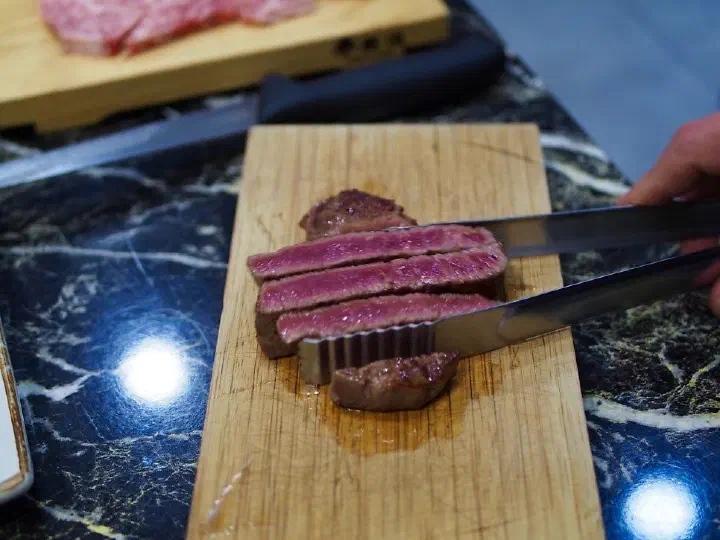
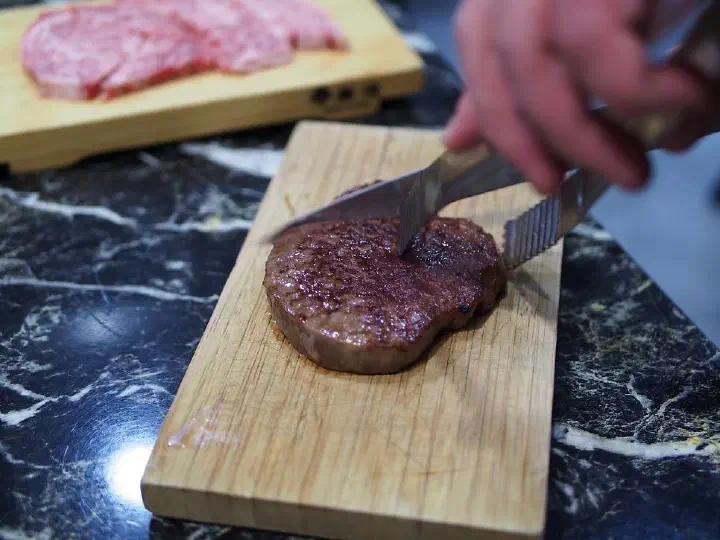
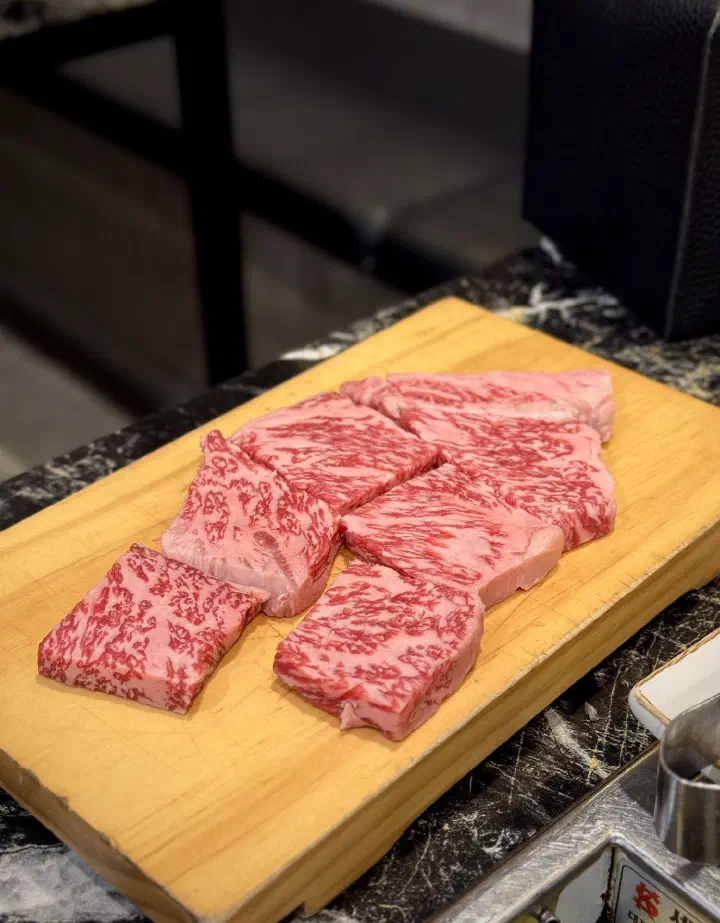
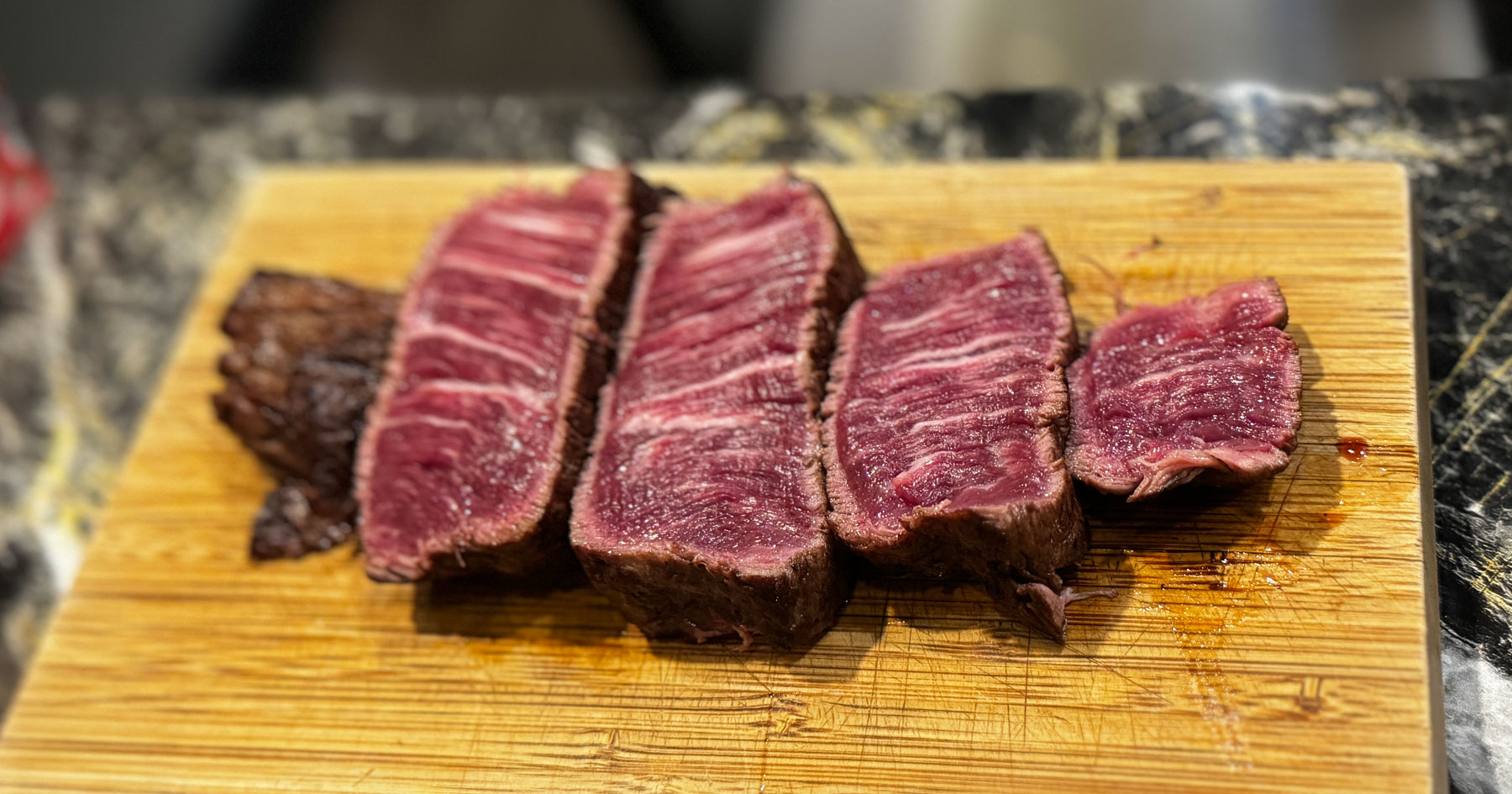
The one people single out most is the sukseong-ansim (숙성안심), the dry-aged tenderloin.

It arrives thick, almost like a small steak, seared on the outside and left juicy in the middle.

One bite and it gives way softly, with an almost cheese-like aroma that regulars love.
If you want it cut thick, mention it when you book - that way they can prepare it that way for you.

The chaekkeut (channel-end) and kkotdeungsim (chuck flap) sirloins are good too.
Some people find the two fairly similar, so a common move is to double up on one and order the rest as single portions.

To be honest, the kkotdeungsim can come across a little fatty depending on the day.
If you prefer leaner beef, the tenderloin or the special cuts may suit you better.

Here’s something worth knowing.
Cuts that aren’t on the menu, like salchisal, can sometimes be requested when the butcher side has good stock that day.
Because they run the butcher shop too, this is possible - so it’s worth asking what’s available when you sit down.
Brisket and the rice course
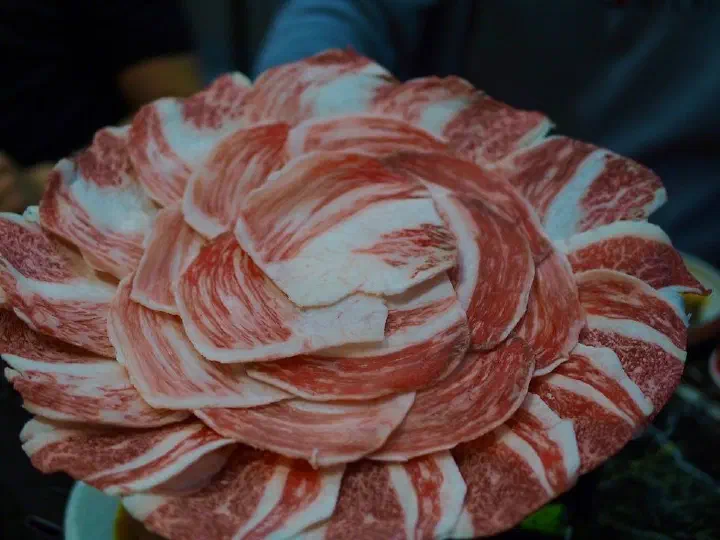
A quiet surprise at Miu is the chadolbagi (차돌박이), sliced brisket.

It’s not the thin mass-produced kind; it’s a generous, rosy cut, and they top each piece with their house-made kimchi.
That pairing wins people over, and plenty of guests who almost skipped brisket end up loving it.
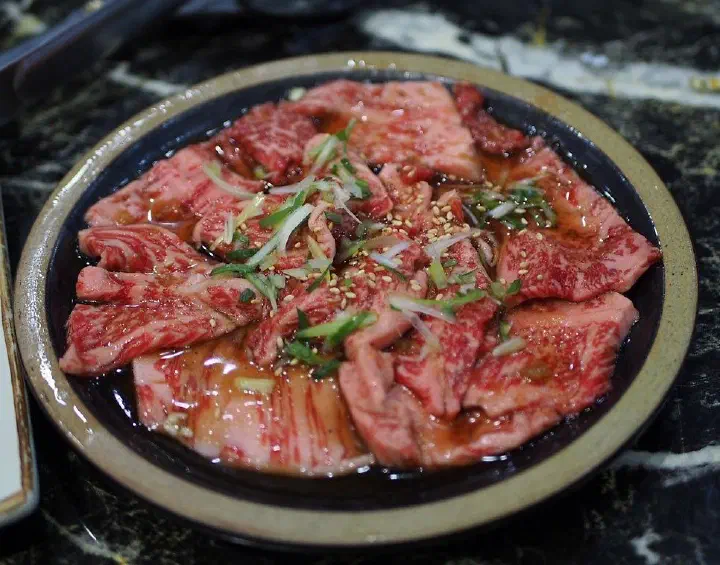
Don’t overlook the marinated cuts either.

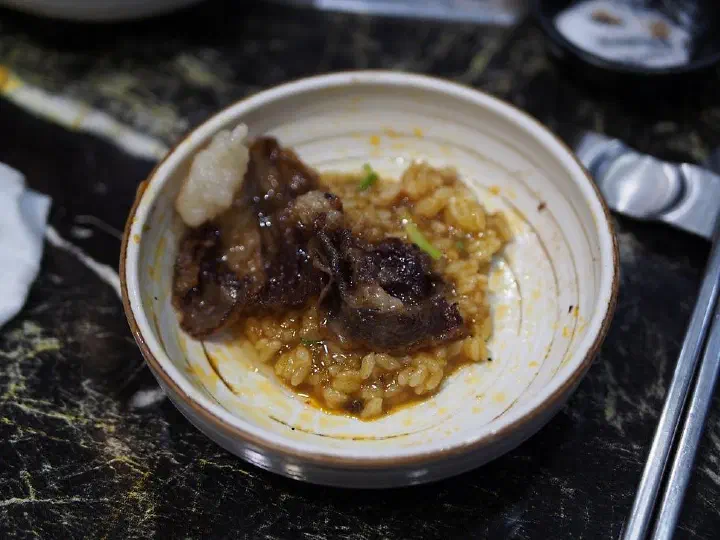
They grill marinated sirloin or salchisal and lay it over an egg rice bowl topped with yolk, almost like a donburi.

Even people who don’t usually go for rice tend to clean this one out.
The finishing dishes are a bit of a split decision.

The Hanabi curry is rich and tasty, though some wonder whether curry belongs at a hanwoo place.

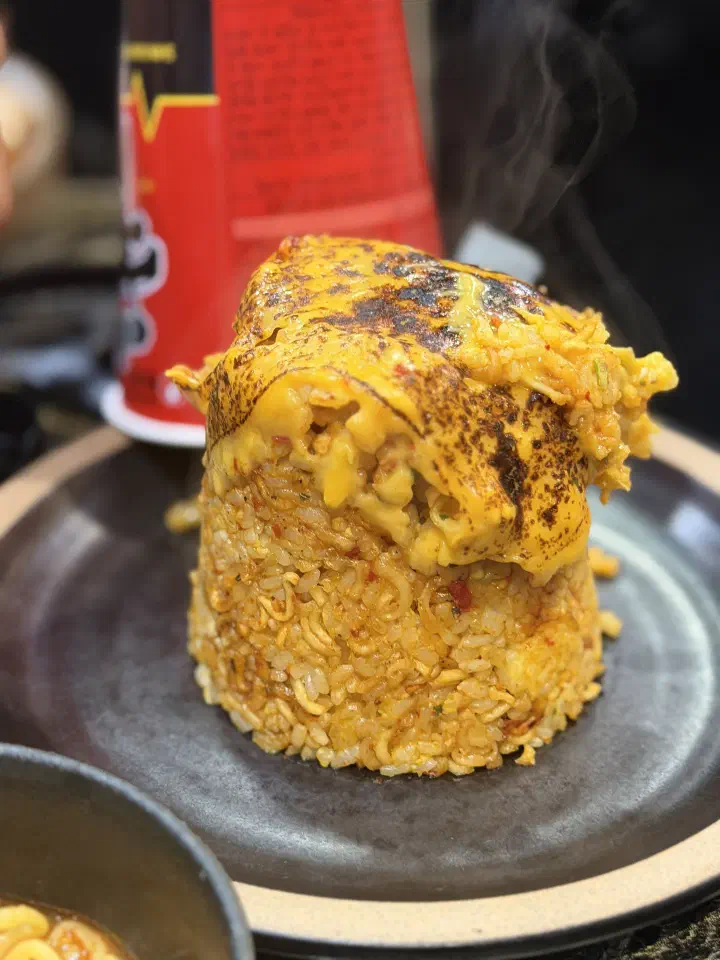
The fried rice with napa-cabbage greens and a hint of perilla oil is a clean way to wrap up.

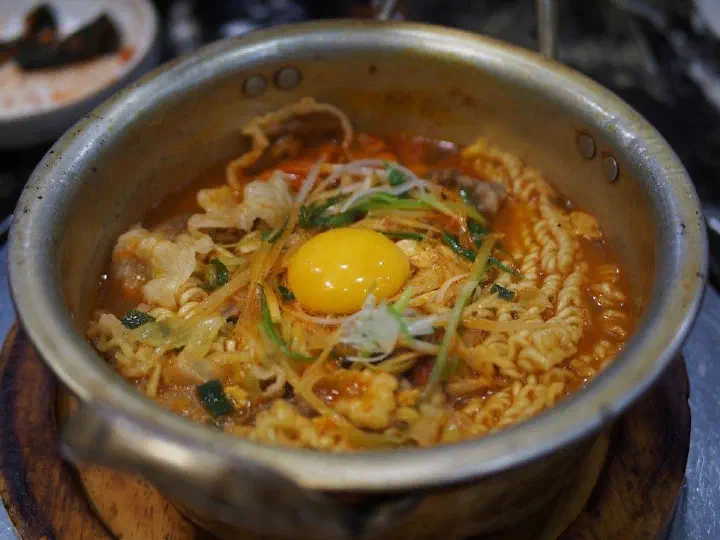
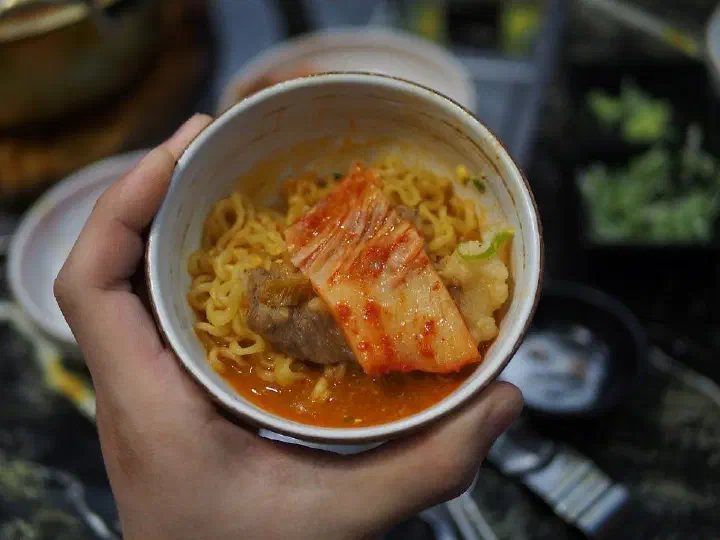
The spicy pot ramen lives up to its name. A heads-up for non-Korean diners: Korean “spicy” runs hotter than many people expect, so brace yourself a little. Saving some brisket to eat with it is a good move.

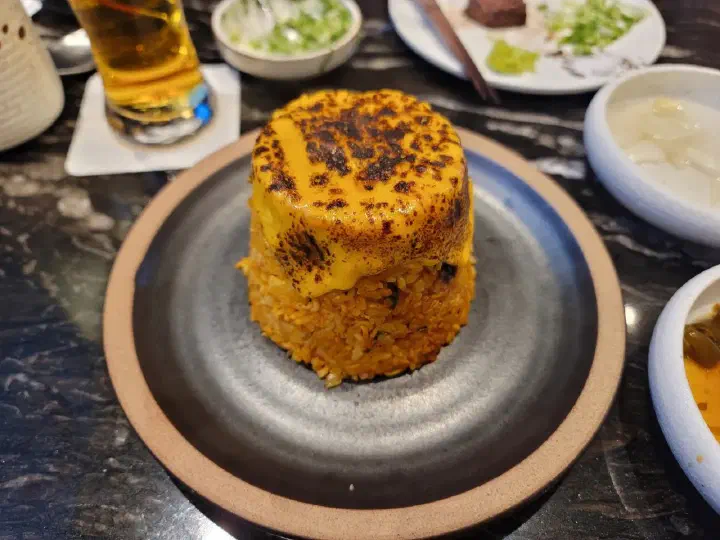
The cup-ramen fried rice is fun to watch being made, but a few find it mild, so order it for the show as much as the flavor.
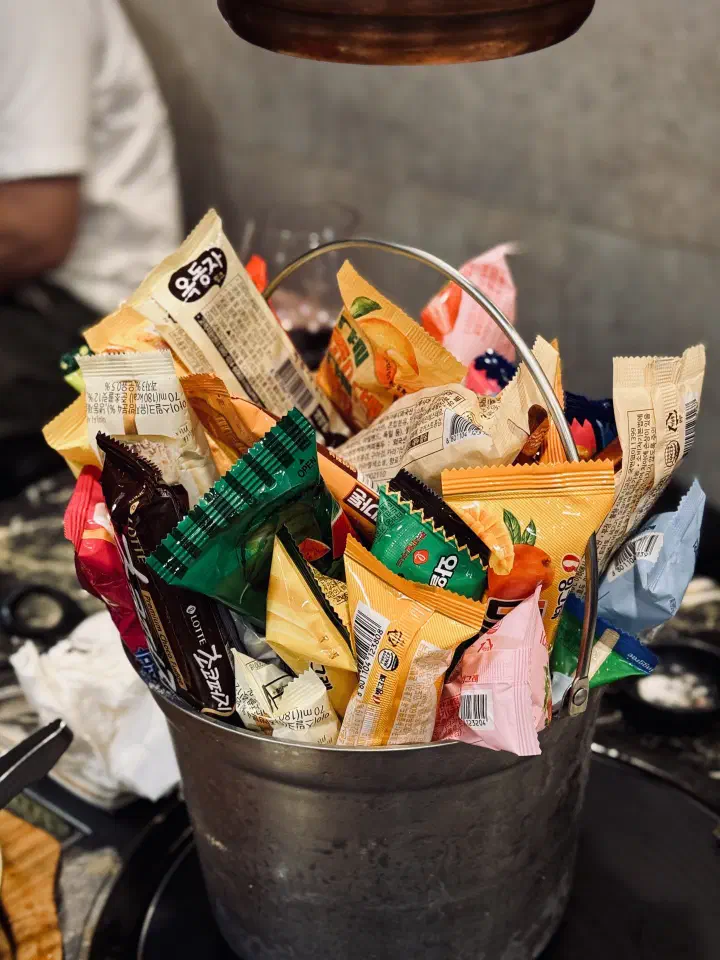
When you’re done, they bring a basket overflowing with ice cream.

You pick as many as you like, so the meal ends on a generous, well-looked-after note.
The grilling service and the room
Miu’s biggest draw is that the staff grill everything for you.
Each table has a server who handles the timing, the heat and the cutting, then portions it out.
The person who knows the meat best is the one cooking it, so the results stay consistent and you just get to eat.

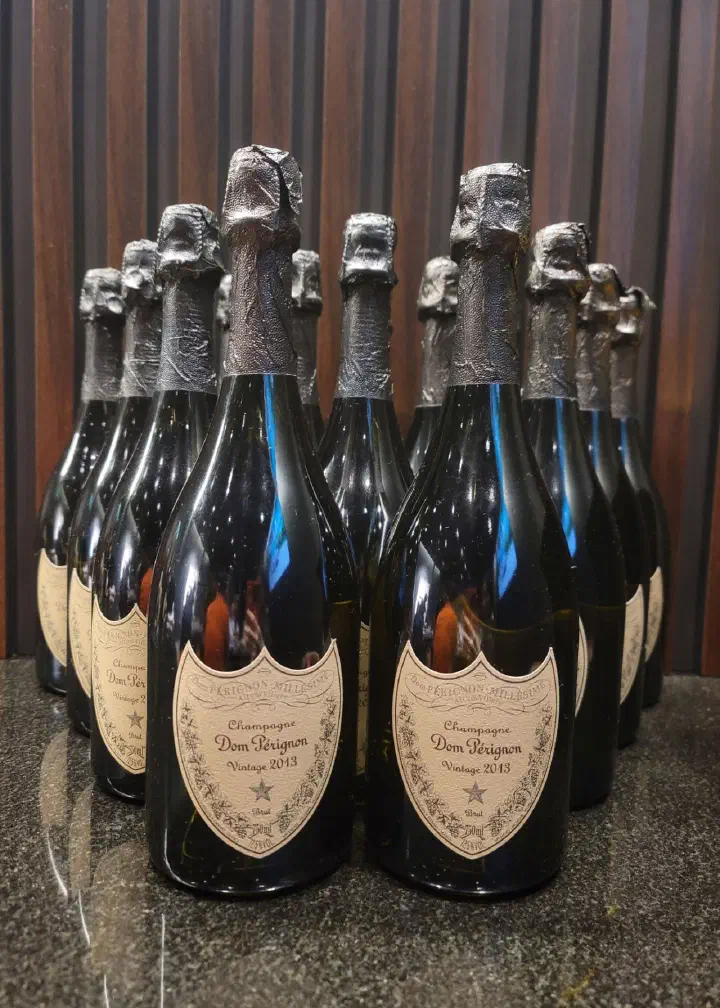
Corkage is reasonable, so many guests bring good wine or sake to pair.
It’s 30,000 won per bottle up to 750ml, and 50,000 won above that or for whisky.

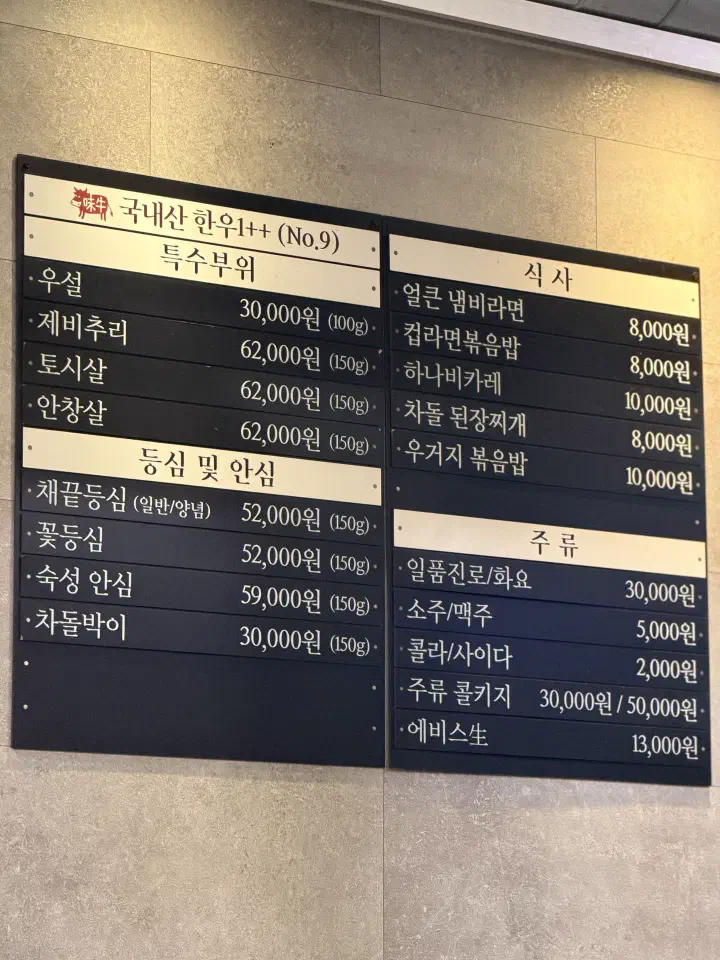
Miu uses top-grade 1++ (BMS no. 9) hanwoo and keeps portions at 150g each.
While many beef restaurants have been shrinking portions, this is one reason people call Miu good value.
A full meal runs about 100,000-150,000 won per person, and given the range of cuts and the grilling service, most diners find it fair.
A couple of practical notes for visitors.
Like almost every restaurant in Korea, Miu takes credit cards, so an international card works fine here - no need to carry much cash.
There’s also no tipping culture in Korea; you don’t need to tip, and trying to can actually leave staff a bit flustered.
English isn’t widely spoken, but ordering is easy - you can point at cuts on the menu, and the staff guide the pacing anyway, so language is rarely a problem.
Parking and good-to-know
Park in the Miseong arcade’s outdoor lot.
Tell the restaurant and you get three hours free; after that it’s 4,200 won per hour.
Spaces can get tight in the evening, so arriving with a little buffer helps.
A few honest downsides.
The space is small and casual, so don’t come for the ambience.
It can get noisy when the room is full.
And the deposit isn’t refundable if your party comes up short, so lock in your numbers before you book.
Final thoughts
Miu gets the important things right: meat quality, a wide range of cuts, and the comfort of having everything grilled for you.
It shows up often on TV and YouTube too - many people first heard of it through the Dudley channel or Choiza Road.
You can even try Choiza’s bokbunja drink “BOONZA” here, and it’s listed in the Blue Ribbon Survey.
Clear the one big hurdle of booking, and it’s the kind of hanwoo place people keep wanting to return to.
If you want a proper hanwoo night in Apgujeong for a special occasion, it’s well worth the effort.