There’s a place in Boryeong I keep coming back to.
It sits at the foot of Seongjusan mountain, roughly halfway between the city hall and the tax office, and it’s called Pungjeong Bulgogi (풍정불고기).
The first time was almost an accident — I’d been to the Seongjusan natural recreation forest and just needed lunch nearby.
Since then I’ve brought my parents, stopped in on the way back from Daecheon beach, and somehow ended up a regular.

If I had to sum it up in one line: it’s not a flashy “best of my life” spot, but the freshly cooked stone-pot rice is the thing I remember every time.

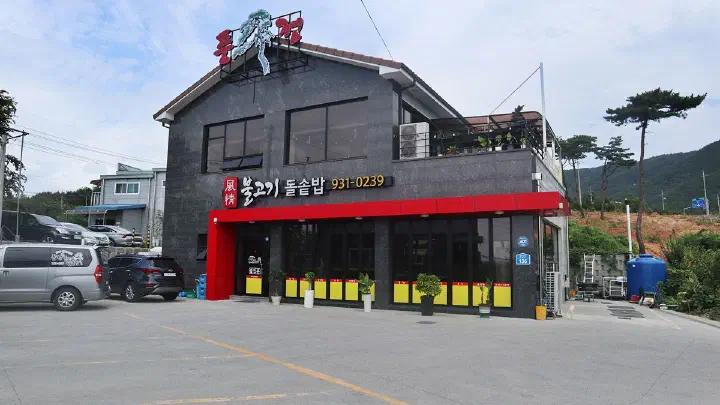
Exterior of Pungjeong Bulgogi in Boryeong, a standalone building with red accents and a wide parking lot

The basics first

  • Address: 136 Seongjusan-ro, Boryeong-si, Chungcheongnam-do
  • Phone: 041-931-0239
  • Hours: Open daily 08:00–21:00 (last order 20:30)
  • Parking: Parking in front, plus an overflow lot across the street
  • Facilities: Two floors, group seating, high chairs available

📍 View Pungjeong Bulgogi (풍정불고기) on Google Maps →

It’s tucked about 50m off the main Seongjusan road down a small side lane, so you won’t spot it straight from the highway.
But it’s a big standalone building with red trim, easy enough to find once you punch it into a map app.
One travel note: in Korea, Google Maps walking and transit directions can be unreliable, so I’d use Naver Map or KakaoMap to actually get here.

Parking was the first thing I liked. There’s room for seven or eight cars right out front and another lot across the road, so even on weekends I’ve never had to circle around. That said, there’s a golf course nearby, so at weekend lunch the lot can fill up with that crowd.
The place opens at 8 in the morning now (it used to open later, around 10), which means on early starts from Daecheon I’ve actually had stone-pot rice for breakfast here. Not many places will cook you a proper dolsotbap that early.

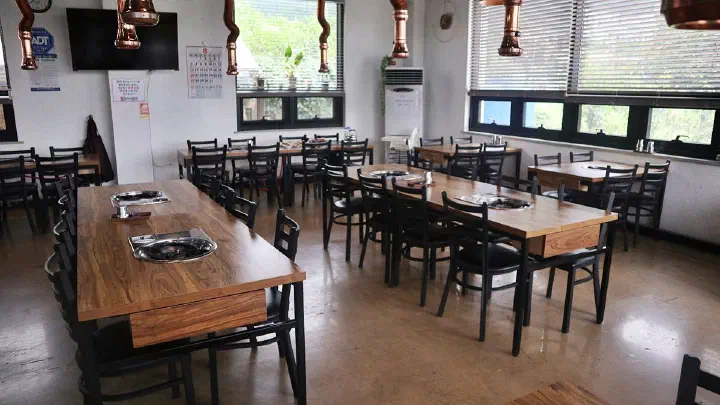
Interior of Pungjeong Bulgogi, bright and spacious with large windows

Inside it’s roomier than you’d guess. Big windows let in a lot of light, the tables are well spaced, and nobody bats an eye if you come with kids. The second floor has an open view and they’ll seat larger groups up there. It’s also certified as a government “safe restaurant,” so hygiene is clearly taken seriously.

Having worked through most of the menu by now, here’s roughly where prices sit:

  • Bulgogi dolsotbap set (불고기 돌솥밥 정식) — 18,000 won per person, 200g of beef
  • Yukhoe (육회) — 35,000 won (medium) / 40,000 won (large)
  • Saengsamgyeop gochujang bulgogi (생삼겹 고추장불고기) — 20,000 won
  • Saengsamgyeopsal (생삼겹살, pork belly) — 18,000 won
  • Dakbokkeumtang (닭볶음탕, braised spicy chicken) — 40,000 / 50,000 won
  • Bulgogi baekban (불고기백반) — 15,000 won
  • Sundubu baekban (순두부백반, soft tofu stew set) — 10,000 won

Prices have crept up a bit over the years — the pork belly used to be 16,000 won and is now 18,000 — but for what arrives on the table it feels fair.
On weekday lunches there’s also a special menu (sundubu baekban at 9,000 won, budae kimchi jjigae at 12,000 won), served 11:00–14:00, which is the lighter option if you’re eating alone.
If you want the braised chicken, call about an hour ahead — it takes a while if you just order on arrival. The stone-pot rice is also cooked to order and takes around 15 minutes, so if you’re tight on time at the lunch rush, a quick reservation call shaves that wait. One more thing: leave a review on a blog or social media and they’ll often throw in a free drink.

Quick note for visitors: almost every restaurant here, this one included, takes credit cards, so any major international card is fine. There’s no tipping culture in Korea — you don’t need to leave anything, and trying to tip usually just confuses the staff. The menu is in Korean only and the owners don’t really speak English, but ordering is easy: point at what you want and hold up fingers for how many. That’s genuinely all it takes.

The bulgogi dolsotbap set — what I always end up ordering

I’ve tried the other dishes, but I keep going back to the signature set. Two of us usually get two sets (36,000 won total) and add a sundubu or a yukhoe depending on mood.

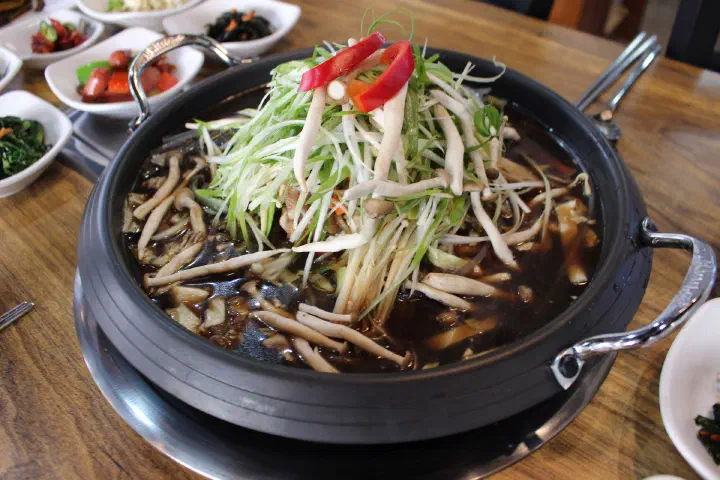
Bulgogi hot pot before cooking, piled with bean sprouts, scallions and glass noodles

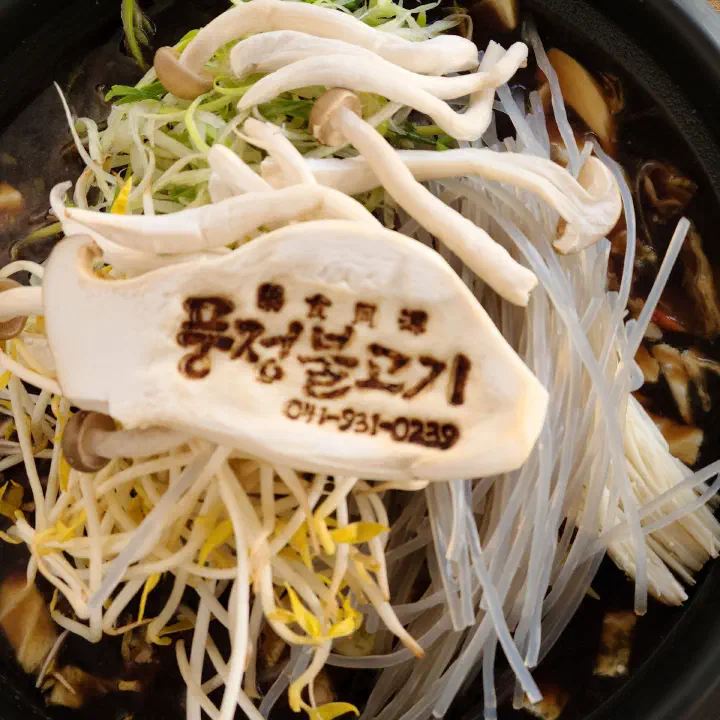
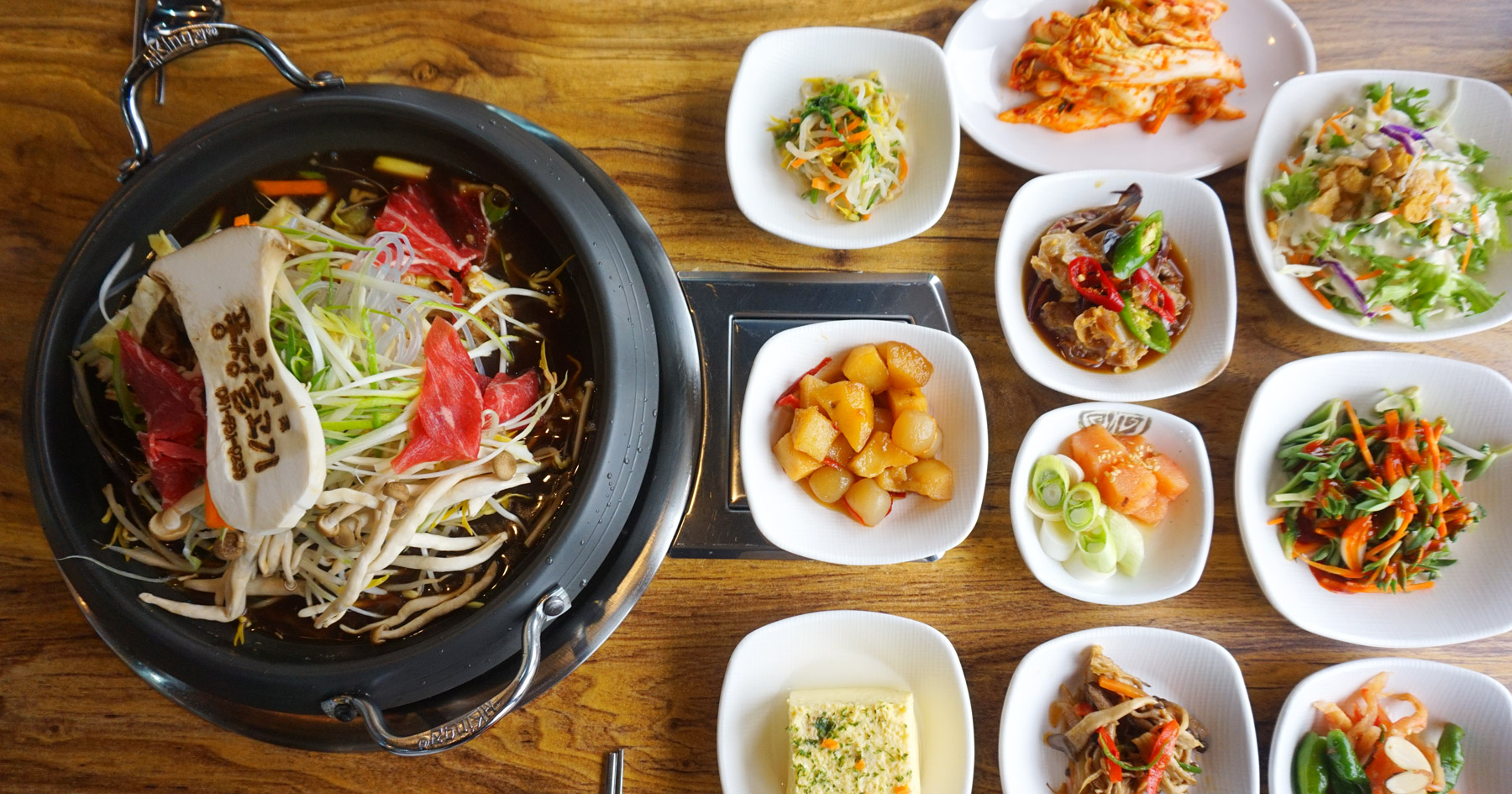
The bulgogi arrives half-cooked in a wide hot pot, layered with beef, bean sprouts, scallions and glass noodles. There’s a king oyster mushroom on top stamped with the restaurant’s name — a small touch, but it makes me smile every time.

Bulgogi hot pot with a mushroom stamped “Pungjeong Bulgogi”

You turn on the burner and let it come to a simmer until the broth reduces.

Bulgogi hot pot bubbling on the burner

The flavor is Seoul-style bulgogi — soy-based and clearly on the sweet side, the kind you mix straight into rice. I’ll be honest: the sweetness is pronounced, so if you don’t love sweet-savory marinades it might wear on you by the end. I prefer saltier food and still happily cleaned my plate, so take that as you will.

A heads-up on spice in general: when Korean food is described as spicy, it’s spicy by Korean standards, which can hit harder than expected if you’re not used to it. The bulgogi itself isn’t spicy, but the sundubu stew has a real kick.

A serving of bulgogi with glass noodles and vegetables on a small plate

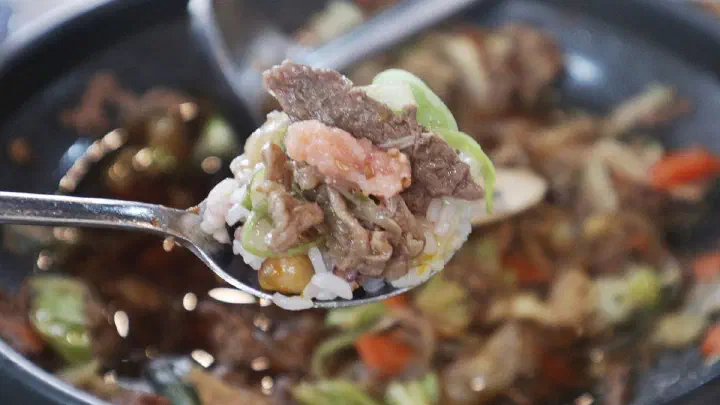
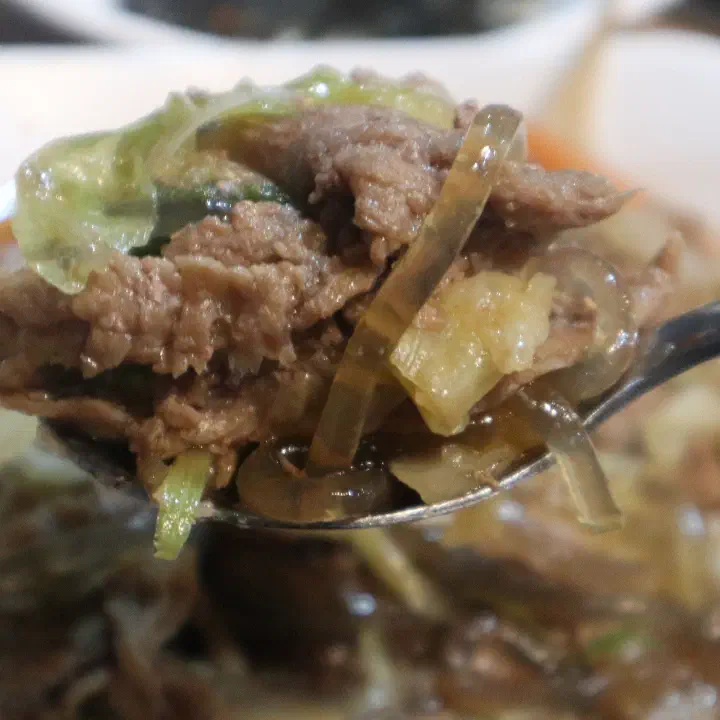
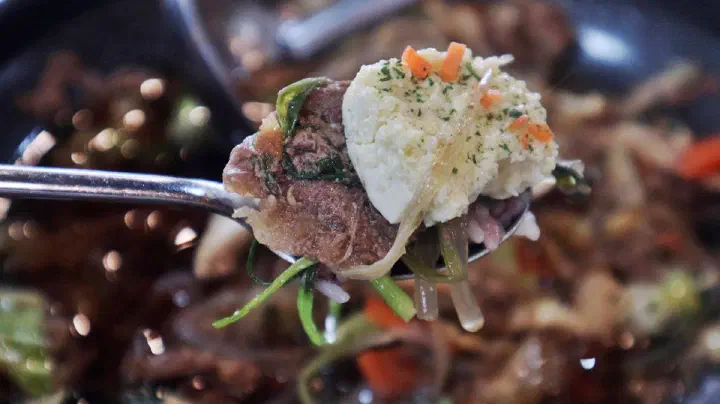
The beef is tenderized well — no chewy bits — and my parents had no trouble with it. The one thing I’d flag is that there’s a fair amount of vegetables and noodles relative to the meat. Some days I wished for more beef. On the upside, the glass noodles soak up the sauce beautifully, so I fish those out first.

Bulgogi served over freshly cooked stone-pot rice

Close-up of tender, well-cooked bulgogi

Honestly, the real star is the rice

The bulgogi is good, but the reason I come back is the dolsotbap.

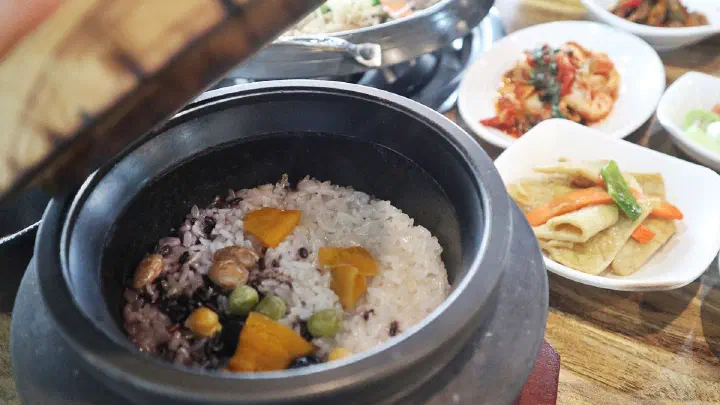
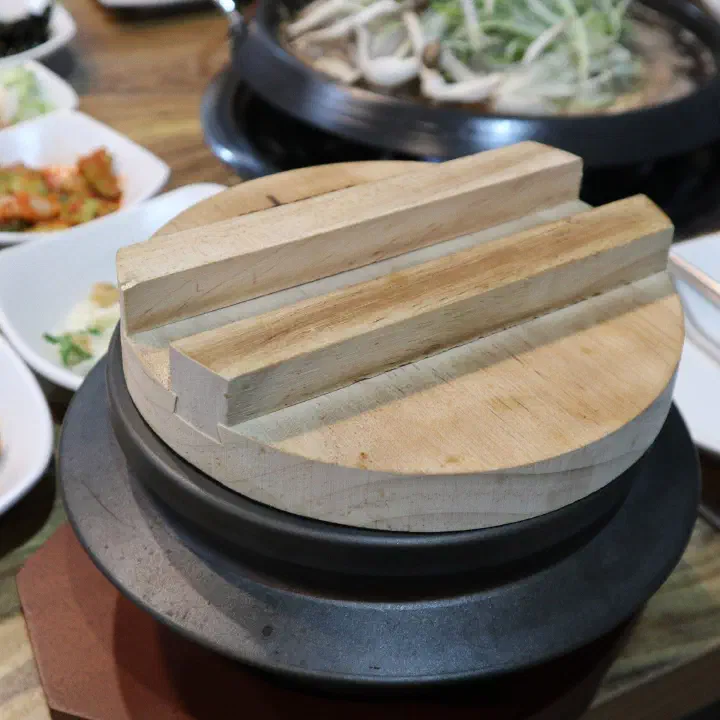
Stone pot of rice with a wooden lid

A lot of places that advertise pot rice these days use stainless steel pots. This one uses an actual stone pot. Lift the wooden lid and the steam and the smell of the rice just rise up at you.

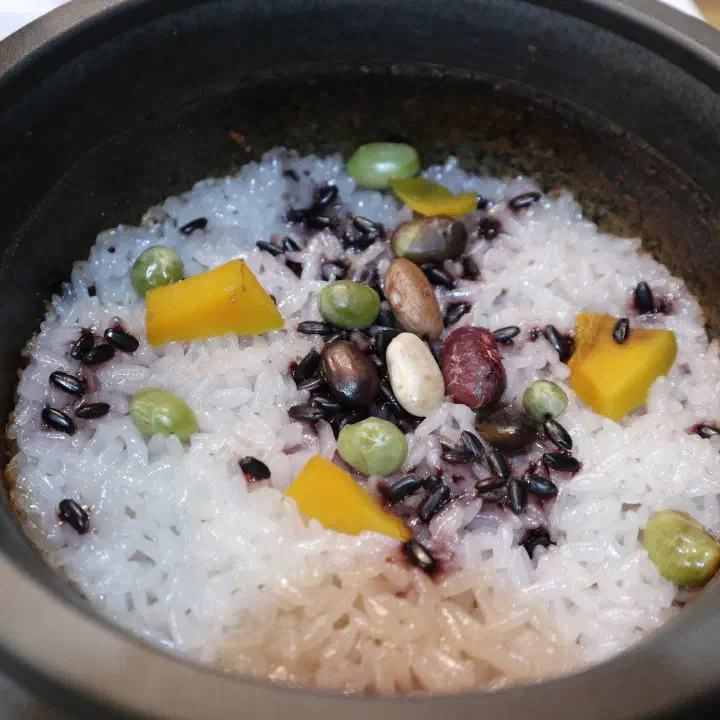
Multigrain stone-pot rice with black beans, peas and sweet pumpkin

It’s studded with black beans, green peas, chickpeas and chunks of sweet pumpkin — hearty enough to eat on its own. Even people who don’t like beans seem to finish these.

Fluffy stone-pot rice topped with sweet pumpkin

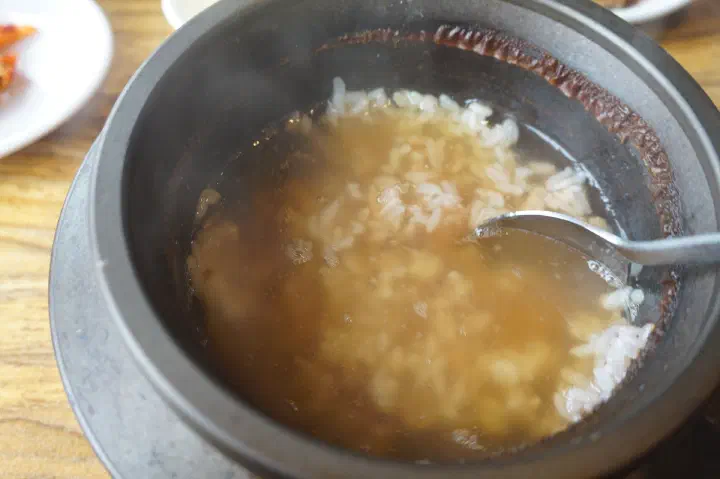
Here’s how you eat it: scoop the rice into your bowl first, then pour water into the empty pot and leave it. By the end of the meal it’s turned into warm sungnyung — a toasty scorched-rice tea.

Sungnyung, scorched-rice tea made in the stone pot

One small detail I love: the water they bring for the sungnyung isn’t plain water, it’s barley tea. Hardly anyone bothers with that anymore, and that last bowl is a genuinely nice way to close the meal.
Don’t forget to pour the water in as soon as the rice arrives, or the crust sticks. And the pot gets seriously hot, so the water can spit a little when you scrape the bottom — if you’re with kids, do that part for them.

The banchan and the extras

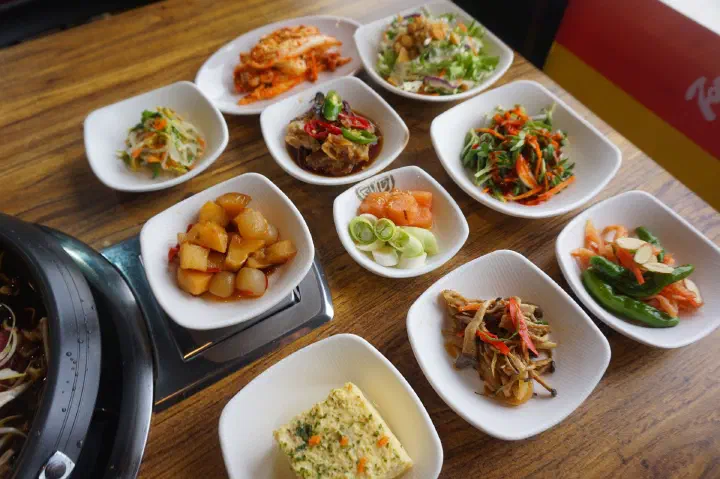
An assortment of Korean side dishes at Pungjeong Bulgogi

You get nine or ten side dishes. The myeongnan (명란, salted pollock roe) with scallions and the ganjang gejang (간장게장, soy-marinated crab) are practically main events — the roe comes drizzled with sesame oil, and the crab is meaty and clean without any fishiness. The owners grow a lot of their own vegetables, which is probably why you’ll see less common things like nogak kimchi (노각김치, aged cucumber kimchi) in the rotation. They’ll refill the ones you like, too — I usually get a second round of the roe or the stir-fried fish cake.

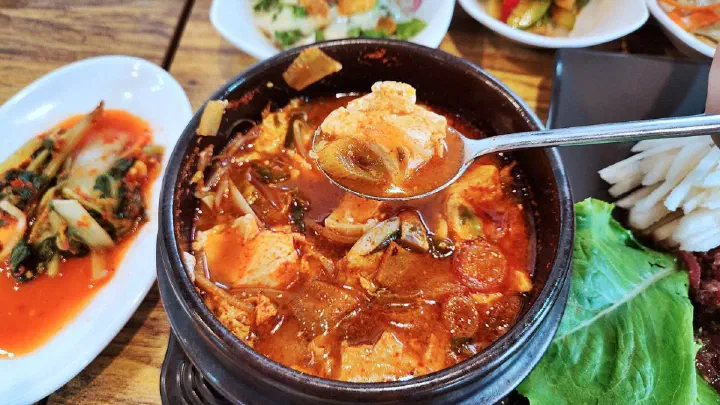
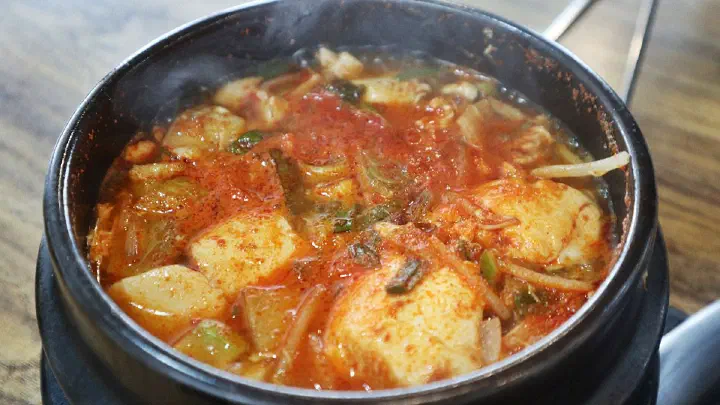
Spicy soft tofu stew, sundubu jjigae

Because the bulgogi is sweet, I like adding a sundubu baekban (순두부백반) when I want something sharp in the middle. It’s spicy with clams in the broth, and it plays well against the sweet bulgogi.

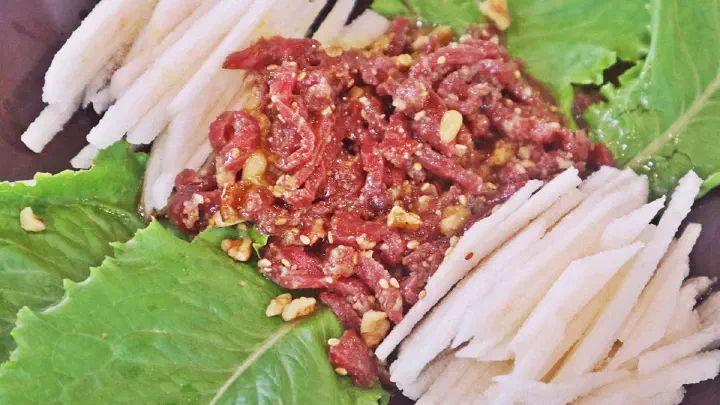
Fresh red beef yukhoe

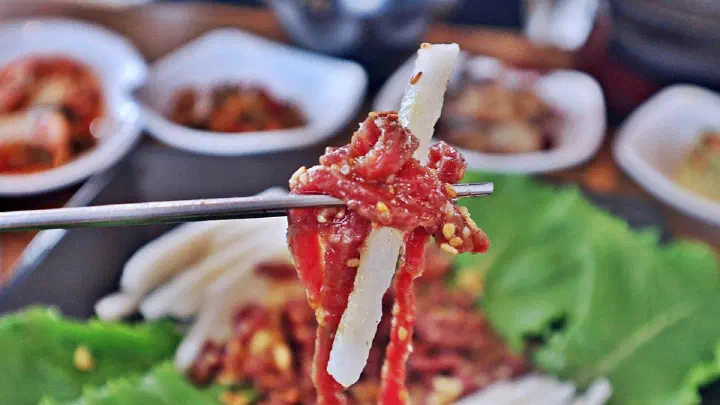
I order the yukhoe often too. The beef is fresh and clean-tasting, and with the pear and chives it keeps disappearing even without a drink to go with it.

Beef yukhoe served with pear and chives

For bigger groups, the spicy stir-fried pork belly (saengsamgyeop gochujang bulgogi) is a solid pick — cooked on a griddle with scallions, sweet-spicy, great with rice. Apparently golfers coming off the nearby course order this one a lot.

The honest downsides

It wouldn’t be a real write-up if I only gushed.

Seasoning is divisive. The bulgogi is distinctly sweet and the banchan lean salty. People who eat on the milder side sometimes find it salty; others tire of the sweetness quickly.

Service is usually friendly, but at the lunch peak when it’s slammed, the owner can come across as brusque, and with larger parties they may ask you to order the same dish. I’ve never had a genuinely bad experience, but if you’re expecting warm, chatty service it may feel a touch different.

And as I mentioned, the meat-to-vegetable ratio leans toward the vegetables and noodles, so if you want a meat-heavy meal, add a single dish on top of the set.

So would I go back?

Yes — whenever I’m in Boryeong I’ll be back. It’s not a place I’d call life-changing, but there’s a reliable comfort to the freshly cooked stone-pot rice, the barley-tea sungnyung, and the tidy spread of side dishes. When I want a proper Korean meal near the sights without rolling the dice, this is the one I think of.

Getting there

It pairs well with the Seongjusan recreation forest, Sanghwawon garden, or Daecheon beach. It’s under five minutes by car from Boryeong City Hall, just 50m down a side lane off the main road.
Without a car, the easiest way is a taxi from Daecheon Station or the bus terminal — both are short rides, and the KakaoT app makes hailing one simple even if you don’t speak Korean. Parking is plentiful if you drive.

📍 View Pungjeong Bulgogi (풍정불고기) on Google Maps →