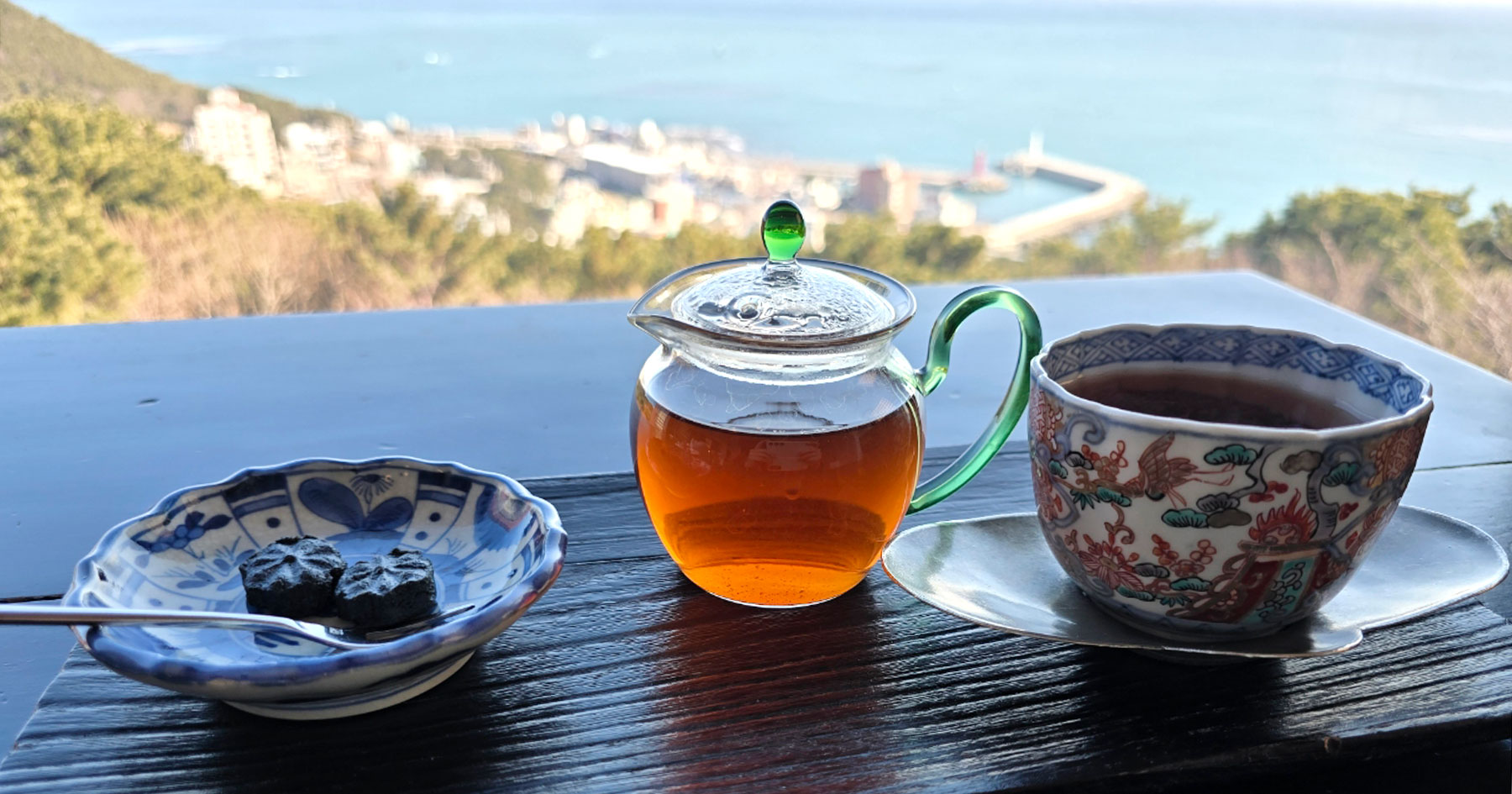
부산 해운대 달맞이길에서
찻집을 하나만 골라야 한다면
결국 이름이 나오는 곳이 비비비당이에요.
한옥의 결을 살린 다실에서
청사포 바다를 내려다보며
제대로 우린 전통차를 마시는 집이고요.
블루리본을 여러 해 연속으로 받았고,
2025년 경주 APEC 정상회의의 웰컴티를
준비한 이력까지 있는 곳이죠.
뷰만 보고 갔다가
차 맛에 다시 가게 되는 집이라는 게
한 줄 총평이에요.
가게 정보
- 상호: 비비비당
- 주소: 부산 해운대구 달맞이길 239-16, 4층
- 전화: 051-746-0705
- 영업시간: 월-금 10:30-21:30 (주문 마감 21:00) / 토·일 10:30-22:00 (주문 마감 21:30)
- 주차: 건물 주차장 (규모 작음)
- 예약: VIP룸·말차방·다도 클래스만 네이버 예약, 일반석은 현장 대기
- 결제: 카드·간편결제·지역화폐(카드형) 가능
이름부터 예사롭지 않은 찻집
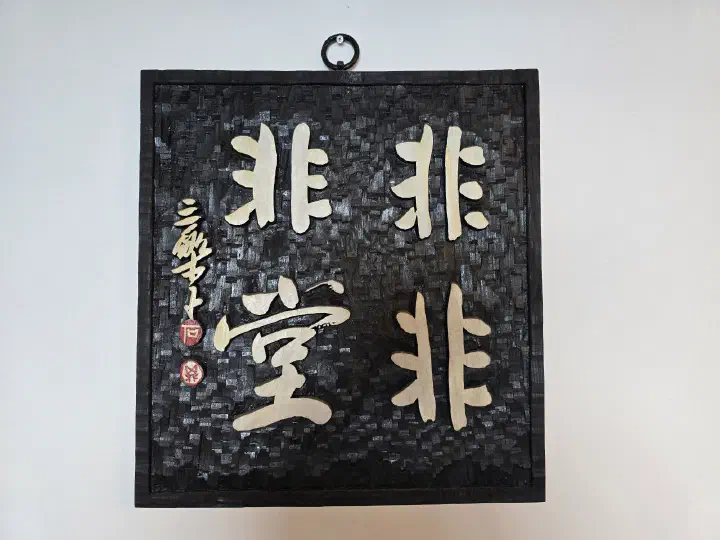
비비비당이라는 이름은
불교에서 하늘의 가장 높은 경지를 가리키는
비상비비상천에서 따온 거예요.
이름값을 하려는 건지
공간도 허투루 만든 데가 없어요.
달맞이언덕 중턱의 둥근 건물 4층인데,
엘리베이터에서 내리면
문 옆에 블루리본 스티커가
줄줄이 붙어 있는 게 먼저 보여요.
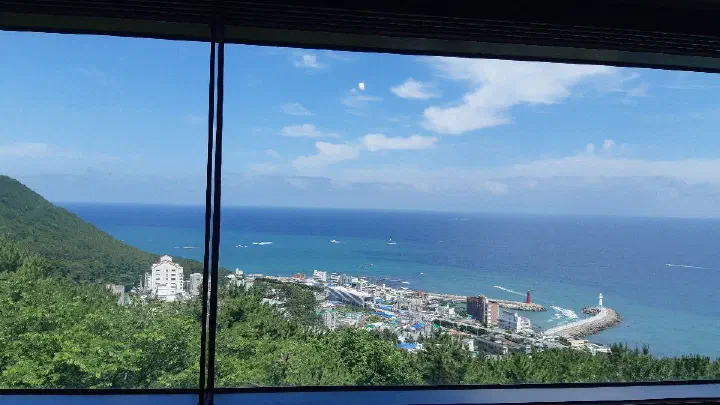
안으로 들어서면 통창 가득
청사포 바다와 하얀 등대가 펼쳐지고,
때맞춰 해변열차가 지나가면
그 자체로 액자 같은 풍경이 되죠.
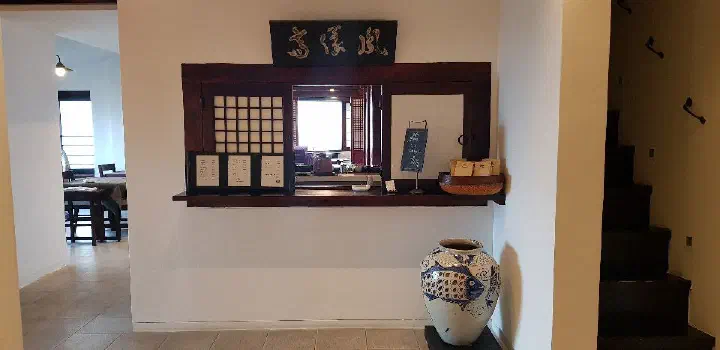
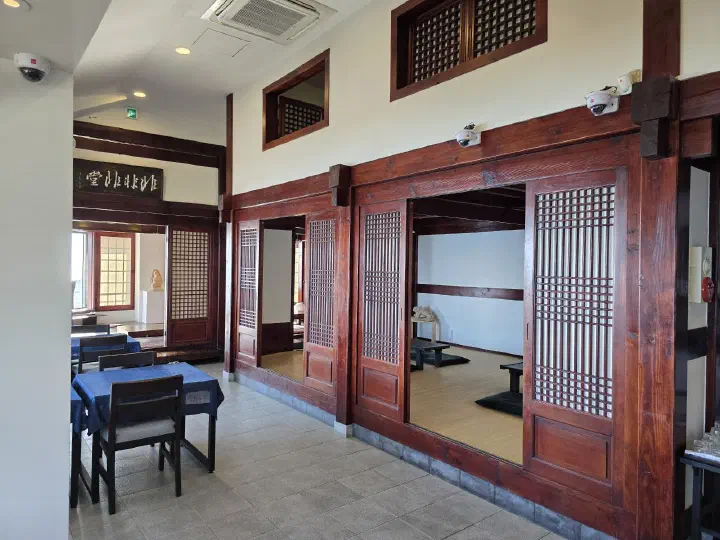
내부는 한옥 다실을
현대적으로 풀어낸 모습이에요.
신발을 벗고 마루에 오르는 좌식 자리와
의자에 앉는 입식 테이블이 섞여 있고요.
매장 곳곳에 도자기와 골동 가구,
미술 작품이 놓여 있는데
갤러리를 겸하는 공간이라
전시가 철마다 바뀌어요.
카운터 뒤에는 찻물이 끓는 옹기가 있어서
매장에 은은한 한약방 냄새가 도는 것도
이 집만의 인상이죠.
웨이팅과 자리 잡기
주말에는 대기가 기본이에요.
보통 20-30분 선이고,
벚꽃 시즌이나 피크 시간대엔
더 길어지는 편이에요.
원격 줄서기 앱은 지원하지 않아서
입구 패드에 전화번호와 인원을 입력하는
현장 등록만 받아요.
바다를 정면으로 보는 창가 자리는
10시 30분 오픈 직후에 바로 차요.
창가는 대부분 좌식이라
뷰는 제일 좋은데
오래 앉으면 허리와 다리가 슬슬 불편해요.
편하게 오래 머물 생각이면
입식 테이블이 나은 선택이고요.
옆자리와 간격이 넓어서
어느 자리든 대화가 조용히 묻히는 분위기.
상견례나 가족 모임이라면
산과 바다가 같이 보이는 VIP룸을
네이버 예약으로 잡는 방법도 있어요.
말차방과 원데이 다도 클래스도
같은 경로로 예약을 받아요.
메뉴와 가격, 그리고 1인 1메뉴
여기는 커피 전문점이 아니에요.
전통차가 본업이고,
1인 1메뉴가 원칙이에요.
단품 차는 오늘의 차 10,000원부터
특말차 20,000원까지.
우전녹차 12,000원, 말차 15,000원,
5년 발효 황차 10,000원,
15년 발효 황차 15,000원,
구증구포 구기자차 10,000원,
오감차 12,000원, 대추차 13,000원,
계절꽃차(목련·국화) 10,000원 선이에요.
디저트는 단호박빙수·팥빙수·단호박식혜·단팥죽이
각 13,000원이고,
겨울엔 생강차 13,000원이 시즌으로 붙어요.
어떤 차를 시켜도
작은 다식이 곁들여 나오고
뜨거운 물을 계속 받아 우릴 수 있어요.
찻값이 세다 싶다가도
다식에 리필에 이 풍경까지 생각하면
납득이 되는 가격대예요.
가격은 꾸준히 오르는 중이에요.
1인 3단 코스가 2만 원이던 시절을 지나
지금 달 코스는 23,000원이 됐고,
연인찻상도 33,000원에서
35,000원으로 올랐어요.
찻상 코스와 APEC 웰컴티
처음이라면 코스 찻상이 편해요.
달 코스(1인 23,000원)는
단팥죽, 단호박빙수 혹은 식혜, 황차가
차례로 나오는 3단 코스예요.
해 코스(1인 33,000원)는
여기에 말차가 더해지고
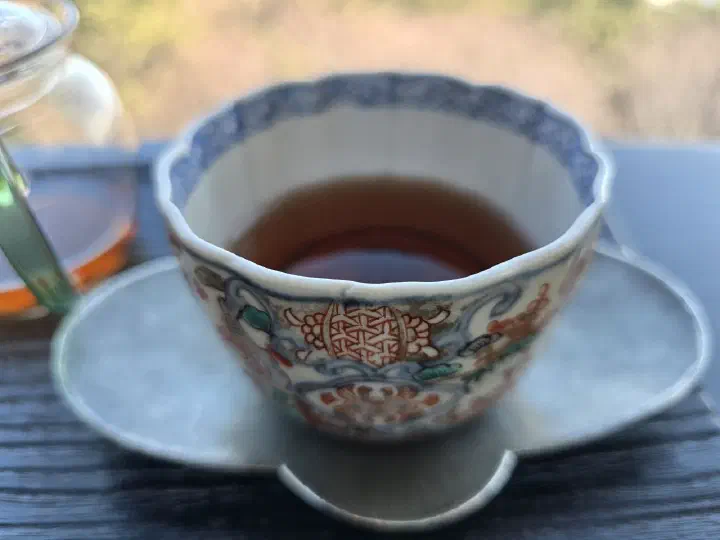
골동 다기에 차를 내어줘요.
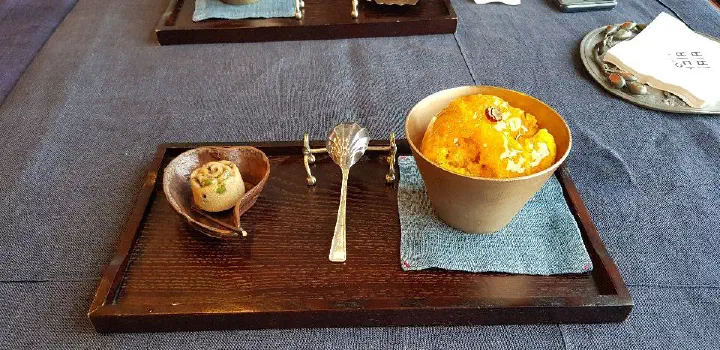
2인이라면 연인찻상 35,000원.
단호박빙수, 단호박식혜, 계절꽃차,
모둠다식이 순서대로 상에 올라요.
이 집 인기 메뉴를 한 바퀴 도는 코스라
첫 방문 2인에게 가장 무난한 선택이에요.
순차로 나오다 보니
식사처럼 1시간은 잡는 게 좋고요.
트럼프 웰컴티 찻상(2인 39,000원)도 있어요.
2025년 경주 APEC 정상회의 때
이 집이 준비했던 웰컴티 차림을
메뉴로 그대로 올린 거예요.
찻집에서 정상회의 찻상을 받아보는 경험은
흔치 않죠.
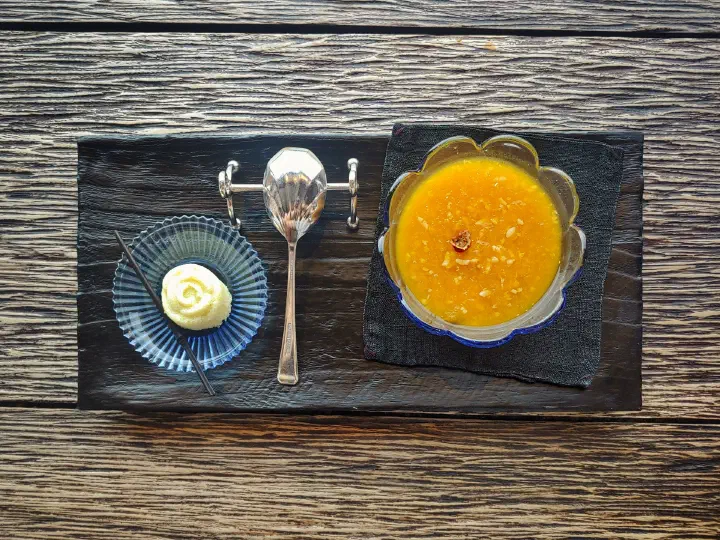
단호박빙수와 단호박식혜
대표 메뉴는 단호박빙수예요.
단호박 식혜를 얼려서 갈아낸 얼음이라
우유 빙수와는 결이 달라요.
얼음 자체에 단호박 맛이 배어 있고
잘 녹지 않아 끝까지 먹기 좋아요.
위에 올리는 조청은
숟가락으로 뜨면 늘어질 만큼 꾸덕하고,
한입 크기 흑임자떡이 곁들여 나와요.
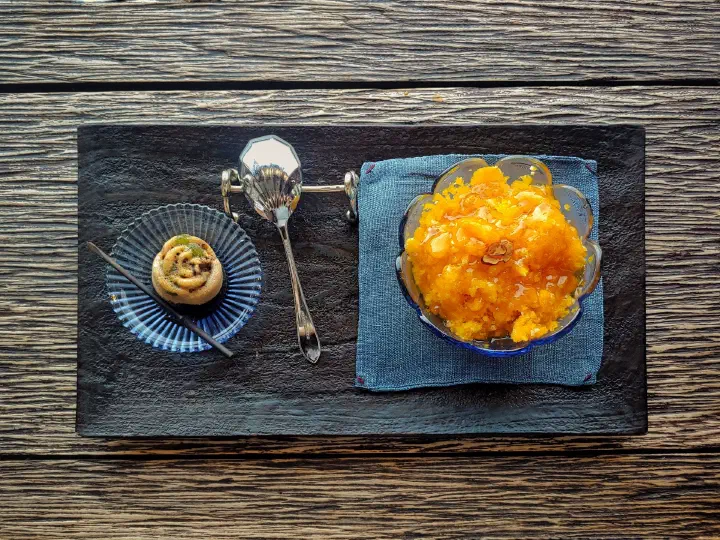
단호박식혜는 밥알과 단호박 건더기가 들었는데
건더기보다 국물이 더 달고 진해요.
살얼음 낀 첫 모금이 좋은 메뉴.
주의할 점 하나.
둘 다 설탕의 단맛이 아니라
재료의 은은한 단맛이에요.
프랜차이즈 빙수의 달콤함을 기대하면
심심하게 느껴질 수 있어요.
어른들 입에는 그래서 더 맞고요.
차 이야기 - 말차, 오감차, 황차
말차(15,000원)는 사발, 그러니까
다완에 격불해서 나와요.
시럽 든 카페 말차 음료와는
완전히 다른 물건이에요.
단맛 없이 진하고 뒷맛이 개운해요.
바닥에 가루가 남으면
뜨거운 물을 받아 마저 마시면 돼요.
오감차(12,000원)는
생강, 우엉, 도라지, 비트를 넣어 끓인 차예요.
생강의 아린 맛은 없고
구수한 맛과 온기가 남아요.
몸이 찬 사람, 환절기에 어울리는 쪽.
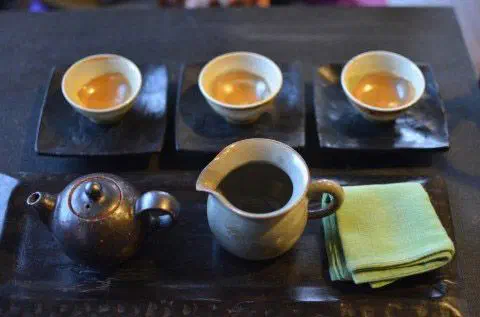
황차는 5년 발효와 15년 발효 중에 골라요.
숙성이 길수록 부드럽고 깊어지는 차라
코스의 마지막 잔으로도 나와요.
계절꽃차는 목련과 국화가 있는데
목련 쪽이 향이 또렷한 편이에요.
국화는 순한 대신
심심하다고 느낄 수 있고요.
꽃차는 카페인이 없어서
저녁 시간에도 부담이 없어요.
모둠다식(소 15,000원부터)은
떡, 양갱, 흑임자 다식, 대추 다식,
호두 정과, 과일 젤리로 상이 차려져요.
백미는 대추 다식이에요.
겉은 고소한 깨, 속은 결이 살아 있는 대추라
씹는 맛이 제일 좋아요.
흑임자 다식은 함량이 높아 살짝 텁텁한데
이건 취향을 탈 수 있는 맛이에요.
다만 다식만 단독으로 시키기엔
양 대비 가격이 아쉬운 편.
주차·교통·팁
주차장은 건물 아래와 앞에 있는데
자리가 많지 않고 언덕 경사가 있어요.
주말엔 만차가 잦아서
오전 방문이 속 편해요.
대중교통은 애매한 위치예요.
마을버스 배차가 20-30분이라
해운대에서 택시를 타는 게 현실적이에요.
걸어 오르는 길은 경사가 만만치 않고요.
위치가 달맞이길에서
청사포로 넘어가기 직전이라
동선 짜기는 좋아요.
차를 마신 뒤 청사포로 내려가면
등대와 해변열차 코스가 자연스럽게 이어져요.
봄에는 달맞이길 벚꽃이 만개해서
창가 자리가 벚꽃과 바다를 같이 담는
명당이 되죠.
차, 양갱, 단호박식혜는 포장 판매도 해요.
포장이 정갈해서 선물용으로 챙겨가는
손님이 많은 편이에요.
아쉬운 점도 있어요
가격대는 분명 있는 집이에요.
차 한 잔에 1만 원대,
2인 찻상이면 3만 원대 중반이니까요.
창가 좌식 자리는 뷰가 좋은 대신
오래 앉기엔 몸이 불편하고,
피크 시간대엔 대기와 주차 스트레스가
같이 오는 편이에요.
자극적인 단맛을 좋아하는 입에는
디저트 전반이 순하게 느껴질 수 있어요.
총평
비비비당은 뷰 맛집으로 알려졌지만
차만 놓고 봐도 값을 하는 찻집이에요.
부모님 모시고 가기 좋고,
조용한 데이트나 혼자만의 반나절에도 맞아요.
시끌벅적한 모임 자리로는 안 맞고요.
한 번 다녀간 사람들이
계절 바뀔 때마다 다시 찾는 집이에요.
벚꽃의 봄, 빙수의 여름,
따뜻한 차의 가을과 겨울까지
철마다 이유가 생기는 곳인 셈.
위치·찾아가는 길
부산 해운대구 달맞이길 239-16, 4층이에요.
달맞이길 중턱, 둥근 건물의 꼭대기 층이고
엘리베이터로 올라가면 돼요.
해운대 해수욕장에서 차로 10분 안팎,
청사포 방면으로 넘어가는 길목이에요.