If you ask around about what to bring back from Gangneung,
this little tteok shop comes up again and again.
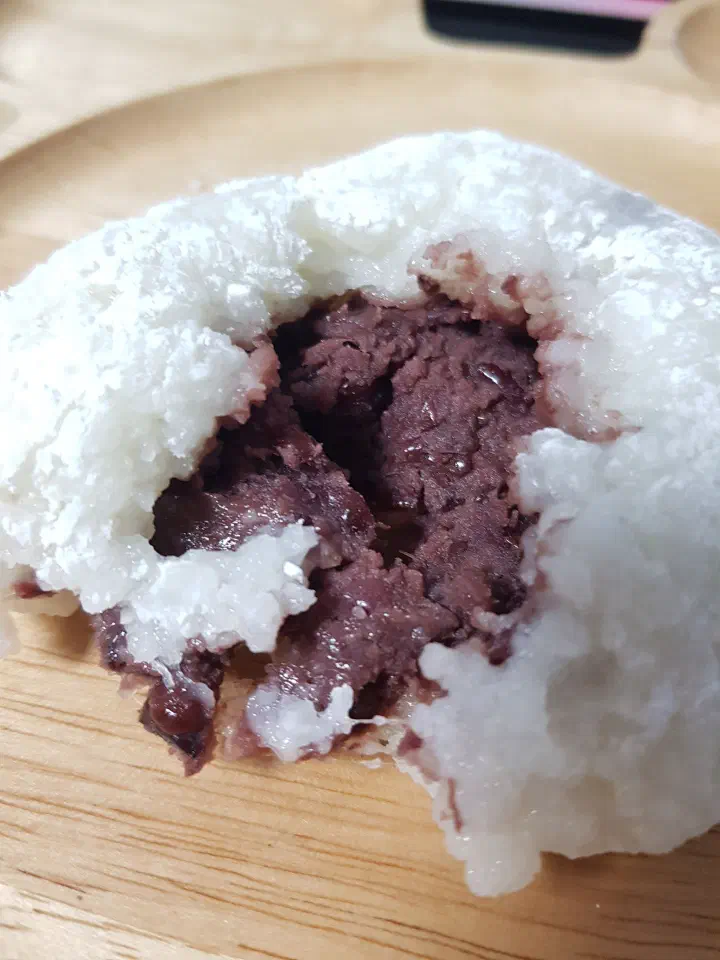
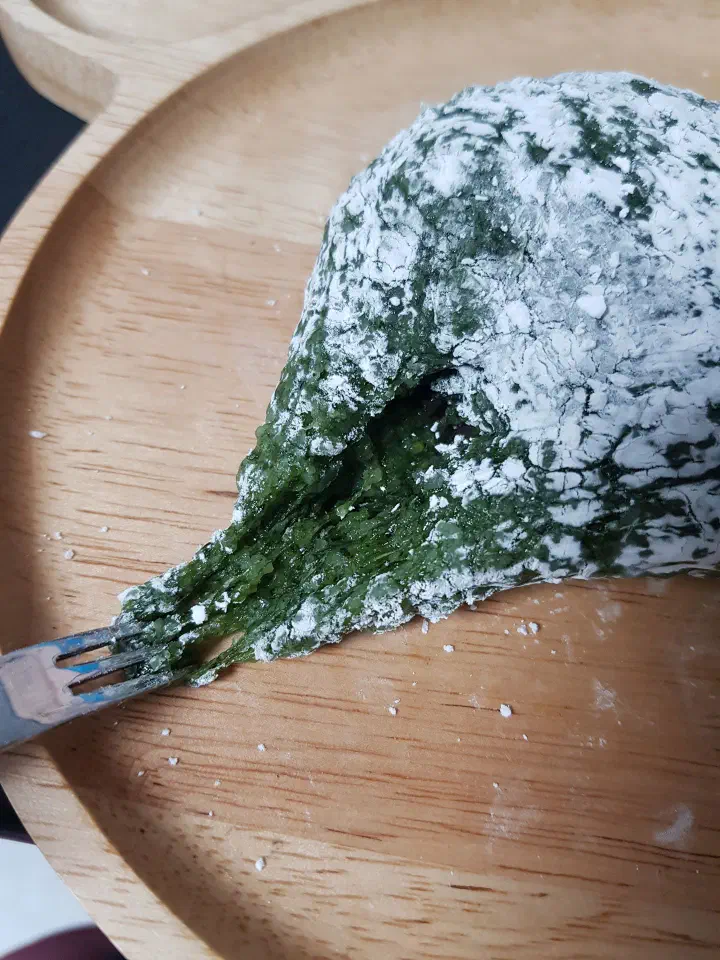
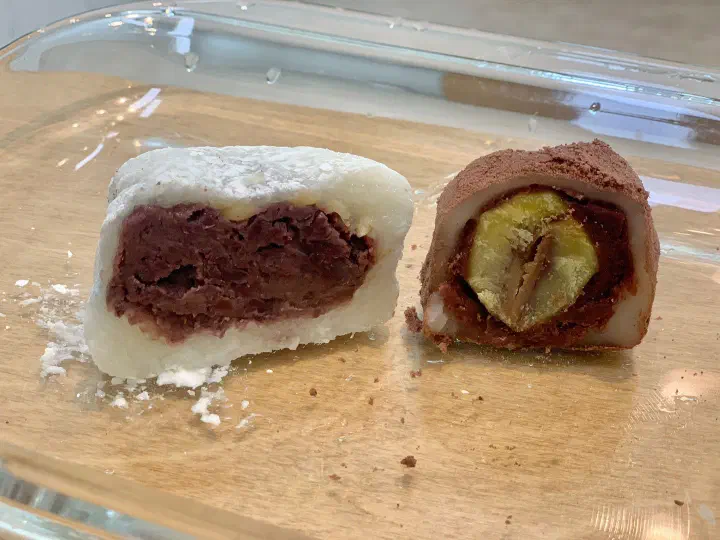
What sets it apart is the texture. Instead of the smooth, glossy mochi
you usually see, the rice grains here are left partly whole,
so you can actually feel them as you chew. The shop was featured on
the Korean TV show Master of Living (생활의 달인), and since then it’s
become a kind of edible souvenir for people passing through the city.
Who it suits
If overly sweet desserts aren’t your thing, this place fits well.
The red bean filling isn’t sugary, and the rice cake itself is mild,
which is exactly why older Koreans tend to love it.
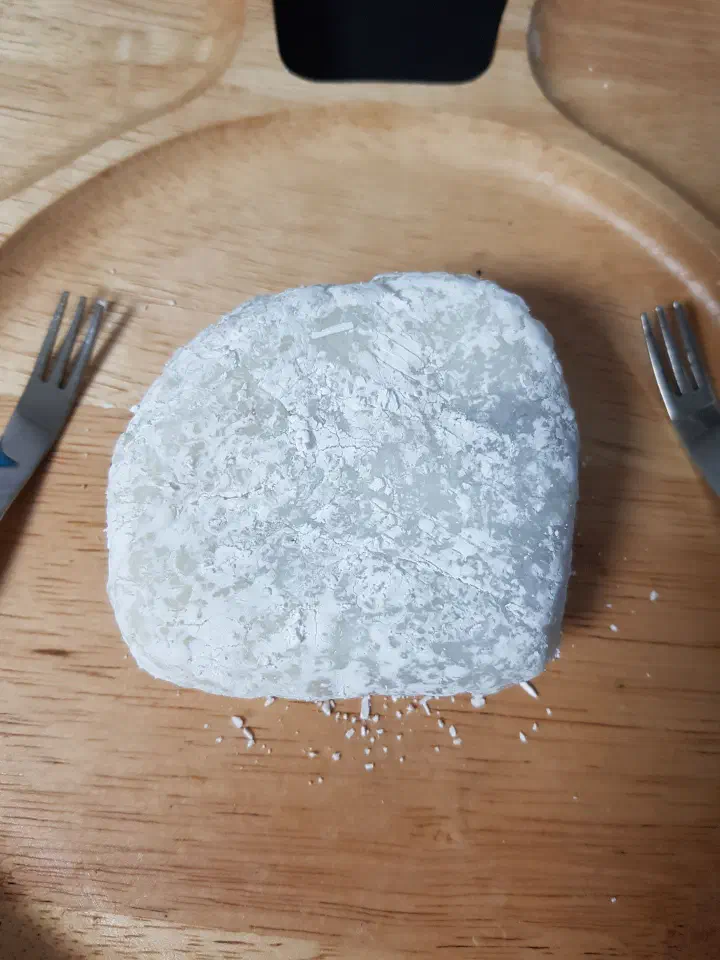
Each piece is about the size of your palm, so it leans closer to
a light breakfast than a snack. One is genuinely filling and easy on
the stomach, and it pairs nicely with coffee or soy milk in place of a meal.
A lot of people buy it as a gift, so it gets busy before holidays.
The basics and getting there
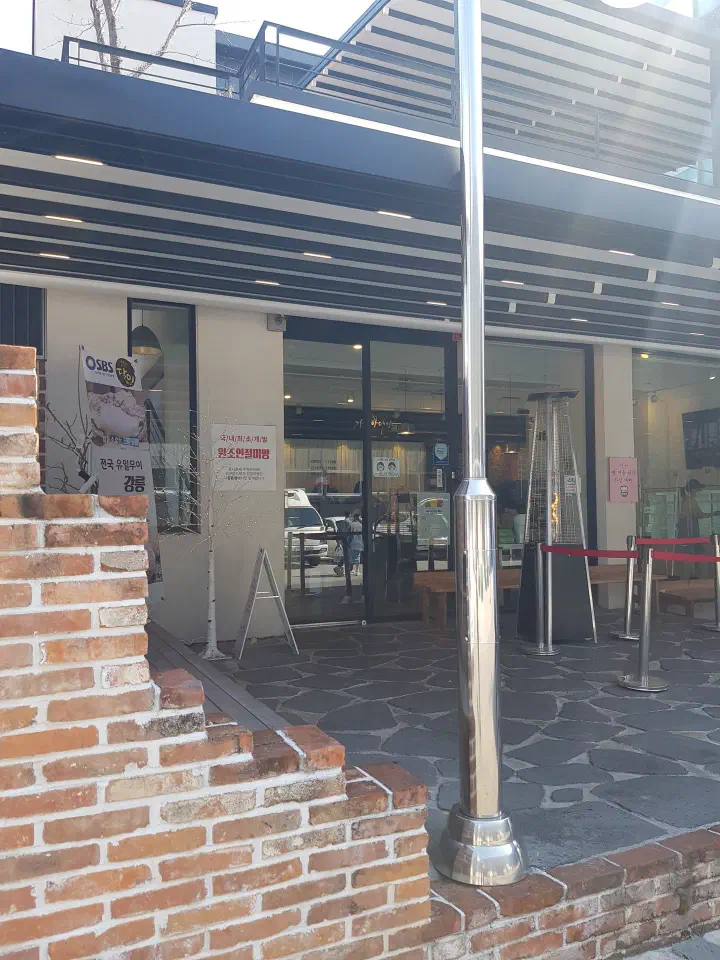
It sits down a small alley and looks modest enough that first-timers
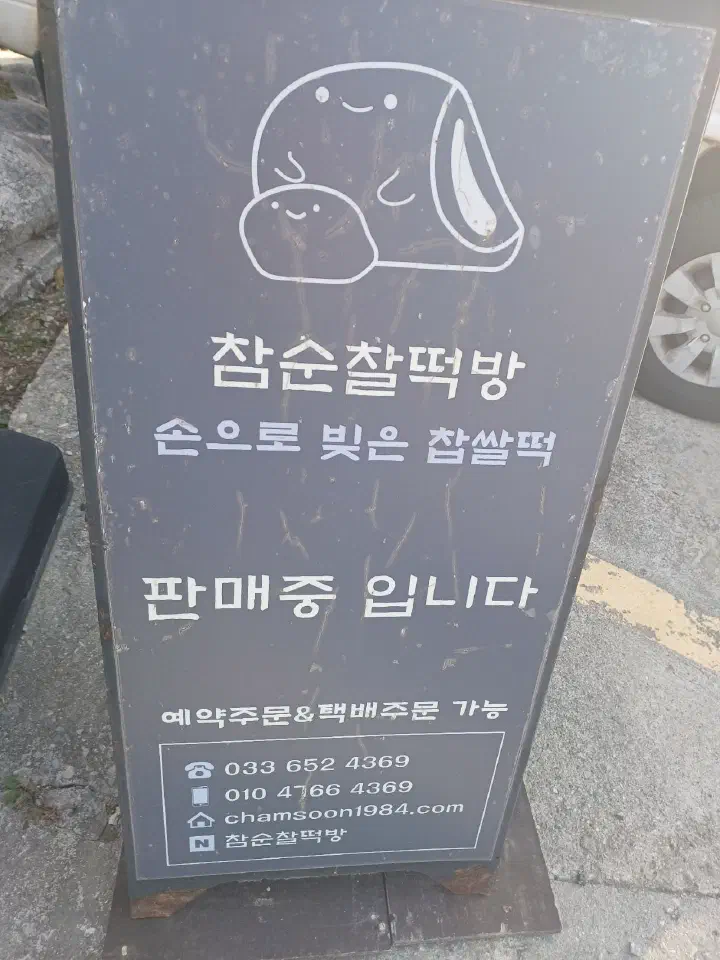
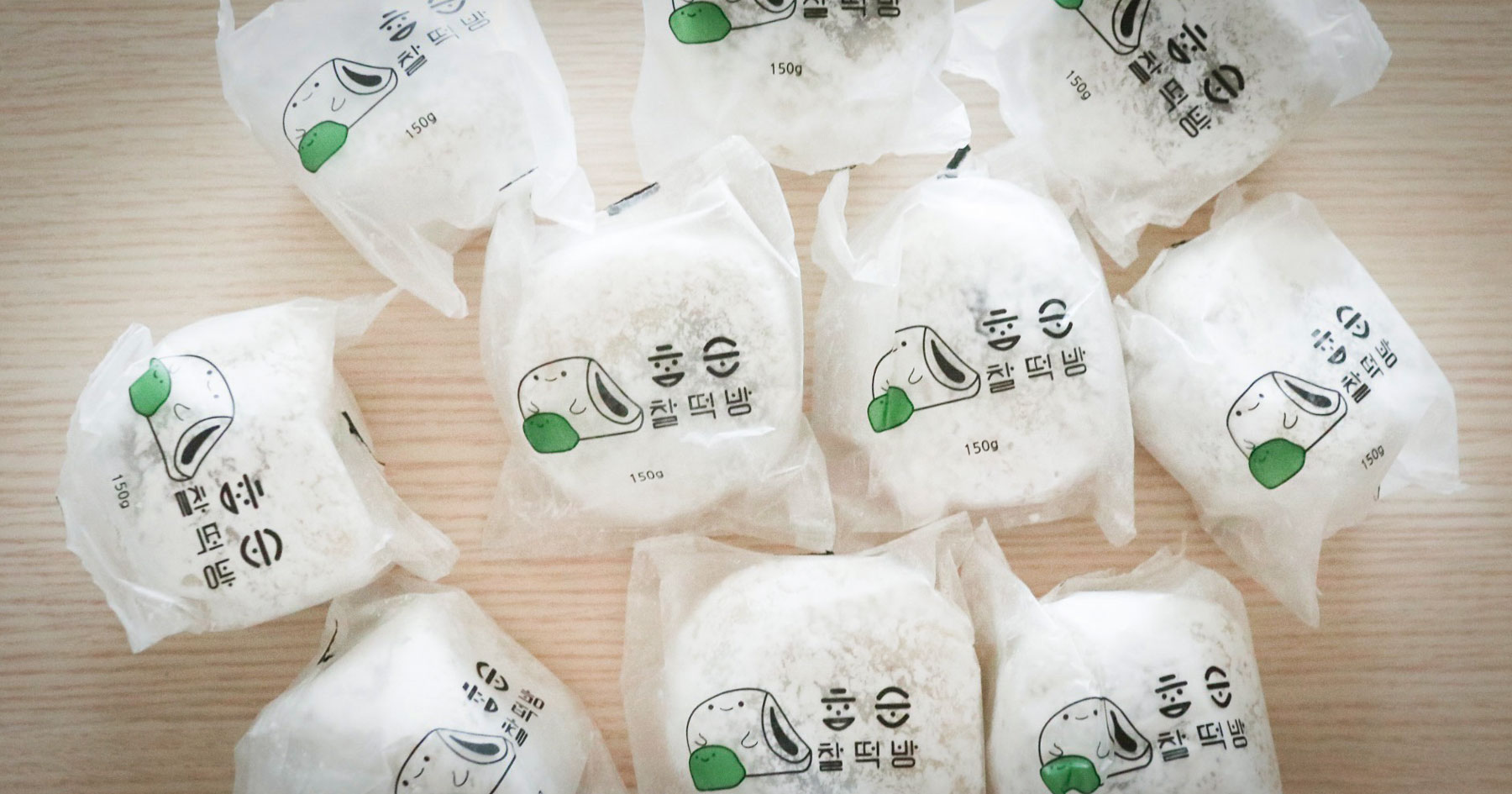
sometimes wonder if they’re in the right spot. The cute sign and little
rice-cake mascot give it away.


- Address: 18-1 Namgu-gil 5beon-gil, Gangneung-si, Gangwon (Ponam-dong main shop)
- Hours: Mon-Sat 09:00-17:00 / closed Sundays
- Phone: 033-643-7778
- Parking: no dedicated lot; you use the alley beside the shop, and space is tight
- Payment: cards work fine, along with mobile pay and local Gangneung vouchers
There are a couple of other branches in the city (Namhangjin and near
the Central Market), but the Ponam-dong shop is the main one where the
tteok is actually made.
A quick note for travelers: almost every shop and restaurant in Korea
takes internationally issued credit cards, so you can pay without worry.
There’s no tipping culture here, and trying to leave a tip can actually
confuse the staff. English isn’t really spoken, but ordering is simple-
you can just point at the rice cakes in the case and hold up how many
you want. For walking and transit directions, Naver Map or KakaoMap
work far better than Google Maps in Korea.
📍 View Chamsoon Chaltteokbang (참순찰떡방) on Google Maps →
How the varieties differ
The menu is really one item-chapssaltteok-split into flavors. There’s
the plain white one (called chamsoon), plus mugwort, brown rice, and
surichwi (sweet coltsfoot), along with a half-and-half white-and-mugwort
box and a “special” that lets you try all four.

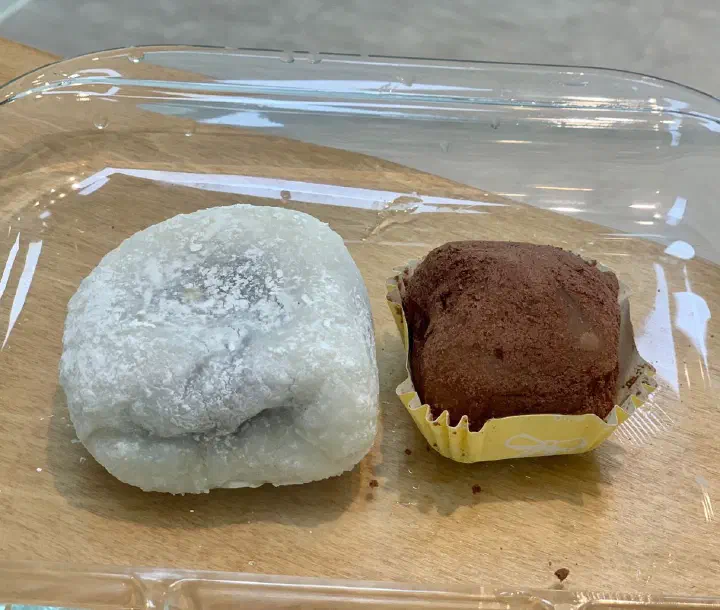
The white chapssaltteok (흰 찹쌀떡) is the cleanest tasting. The natural
nuttiness of the rice comes through gently, and the rice-grain texture
is most obvious here. If you can’t decide, start with this one.


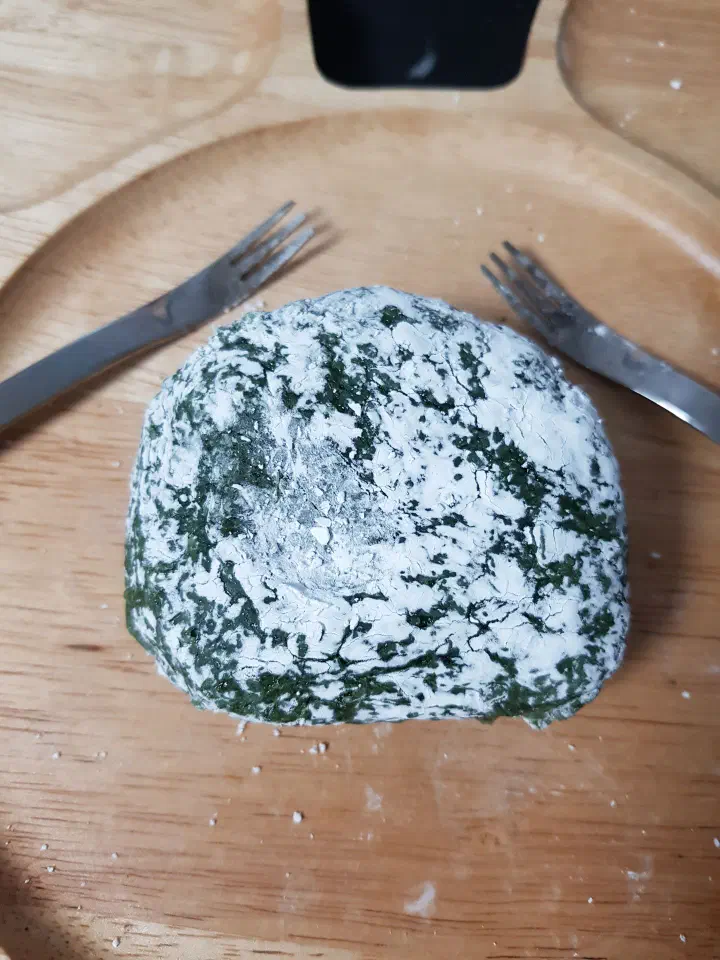
The mugwort version (쑥 찹쌀떡) divides people. The mugwort isn’t a hint-
it’s more like a full dose, and the aroma hits the moment you open the
wrapper. Mugwort lovers fall for it; if strong herbal notes aren’t for
you, stick with the white.

The brown-rice one (현미 찹쌀떡) is deeply toasty with a faint salty edge.
The surichwi (수리취) is milder than you’d expect, so even first-timers
usually find it easy to enjoy.

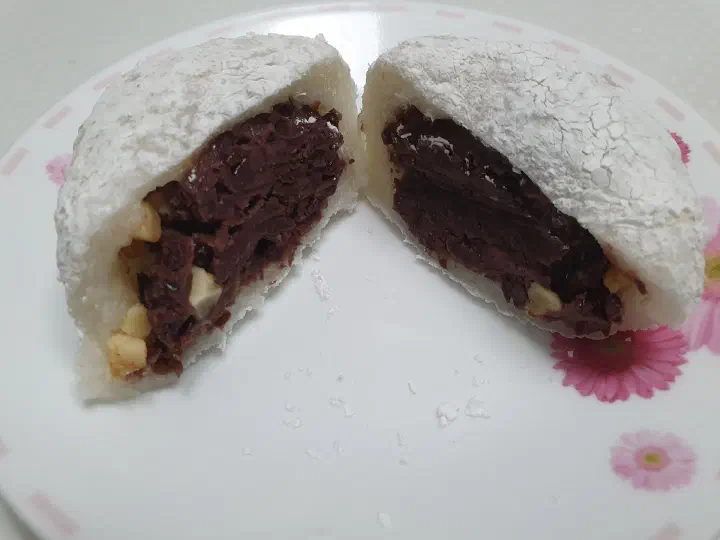
The red bean filling is unsweet across the board. It’s coarsely mashed
so you feel the beans, and bits of walnut tucked inside add a nutty crunch.

Size and price
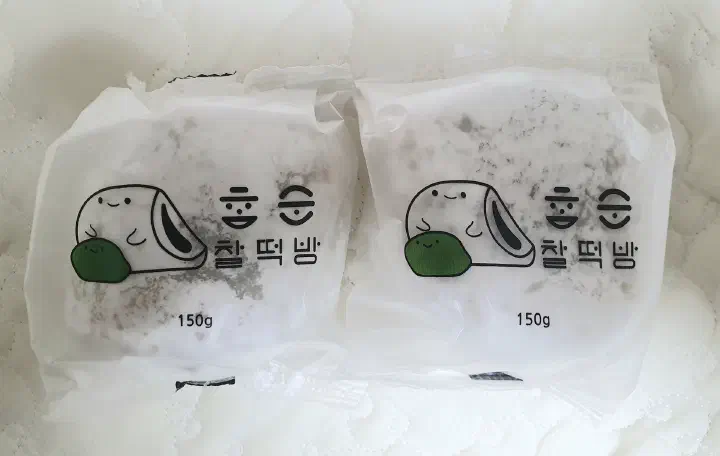
Each piece is around 150g and feels heavy in the hand. Cut into quarters,
one wedge is about the size of a regular store-bought mochi, so it’s easy
to share.

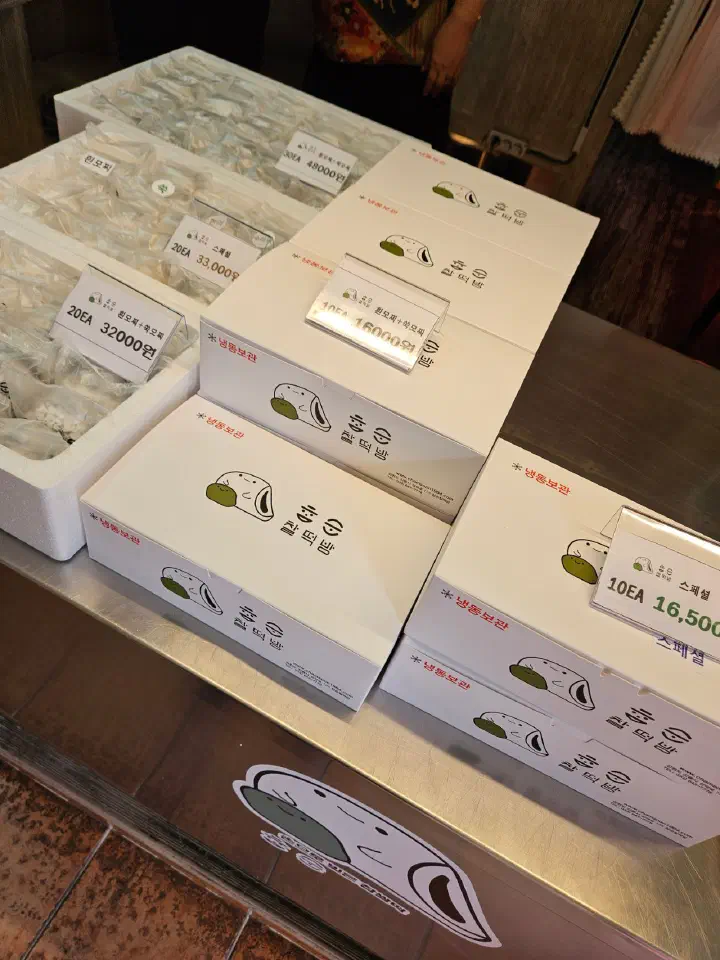
Prices have climbed over the years. What used to be roughly 1,000 won
a piece now runs about 16,000 won for a box of ten white-and-mugwort
pieces, with larger boxes (20 for 32,000, 30 for 48,000) sold by the set.
They don’t sell single pieces-five is the minimum. Exact prices and sets
change, so it’s worth checking before you go.

Ordering by delivery and storing it
You don’t have to be in Gangneung to get it. They ship through Naver
Smart Store (chamsoon1984), their website (chamsoon1984.com), and by
phone (033-643-7778). Delivery usually takes about three days and arrives
in a styrofoam box with ice packs; shipping adds roughly 5,000 won on top
of the in-store price.

Because there are no preservatives, the tteok hardens and spoils quickly.
Keep out only what you’ll eat that day and freeze the rest right away,
separating the pieces so they don’t stick together.
To eat, let it thaw at room temperature for two to three hours and it
turns soft and chewy again, just like the day you bought it. Natural
thawing beats the microwave for texture, and if a piece has hardened,
a quick toast in a dry pan over low heat brings it back.
Visiting tips
Mornings are easiest. It gets crowded from around lunch, and on many days
the freshly made tteok sells out by late afternoon-go too late and you
may only find the frozen, ship-out stock. Reserving by phone the day
before lets you pick up what you want without waiting, which especially
helps for limited items like surichwi or injeolmi (the injeolmi is mostly
a spring item, so timing matters).
One more thing if you’re visiting in summer: it’s humid and the rainy
season runs through midsummer, so plan around the weather. Korea is also
a very safe place to walk around, even on quiet side streets like this one.
Final thoughts
It’s not a flashy dessert, but it’s a shop that has held its place by
letting the ingredients speak. The unsweet red bean, the rice-grain
chew, and the satisfying size give it a clear identity that’s worth a
stop in Gangneung. Mind the parking and the chance of a sellout, and
it rarely disappoints-and if you can’t make the trip, the delivery does
the flavor justice too.