There’s a little alley in Ilgwang, out in Gijang, that I keep coming back to.
A handful of steamed bun and dumpling shops sit shoulder to shoulder, and two of them always have the longest lines: Ilgwangdang (일광당) and Hojjinppang (호찐빵).

I’ve been dropping by this neighborhood for about 15 years now.
Some days one shop, some days the other, and more times than I can count I’ve bought from both on the same day to line them up.
After that long you start to notice the little changes — prices, the shops moving, even the lines shifting from one place to the other.
So instead of writing two separate reviews, I’ll put their buns and dumplings side by side and talk about how they actually differ.

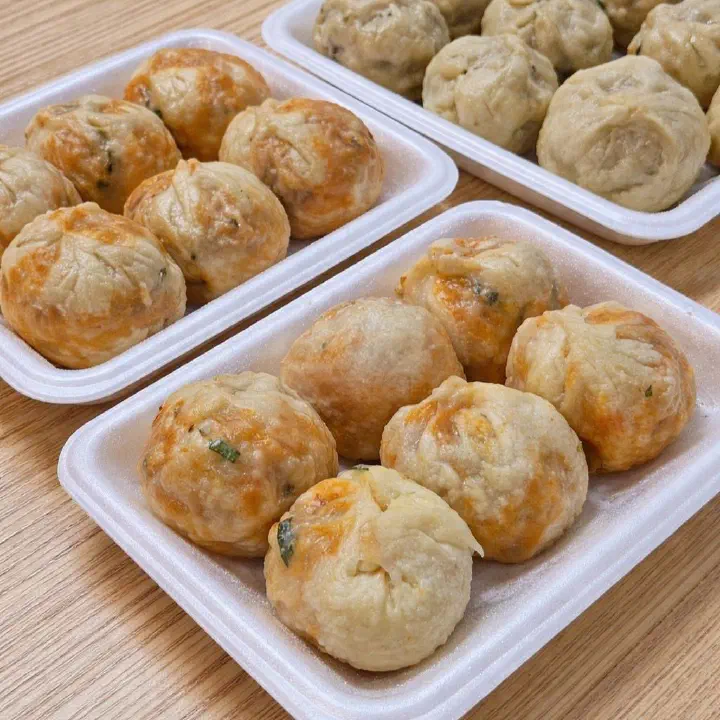
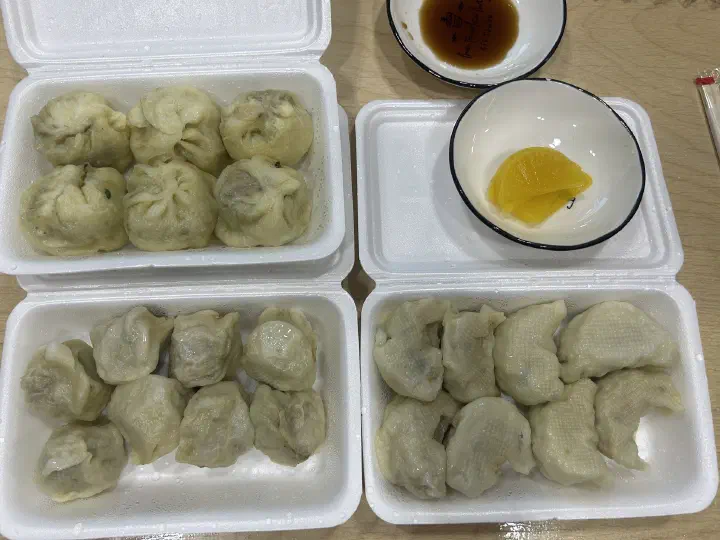
A spread of freshly steamed dumplings and buns bought at Ilgwangdang

The basics

Ilgwangdang (일광당)
Address: 125-1 Ilgwang-ro, Ilgwang-eup, Gijang-gun, Busan
Hours: Daily 08:10 – 23:00
Phone: 051-724-0039
Parking: No private lot. Quick stop in front, or use the lot across the street / a nearby public lot.
📍 View Ilgwangdang (일광당) on Google Maps →

Hojjinppang (호찐빵)
Address: 121 Ilgwang-ro, Ilgwang-eup, Gijang-gun, Busan
Hours: Daily 10:00 – 22:00
Phone: 051-722-7025
Parking: None at the shop. Use a nearby public lot.
📍 View Hojjinppang (호찐빵) on Google Maps →

Both places are takeout only — there’s basically nowhere to sit and eat.
But the beach is right at the end of the alley, so a lot of people grab a bag and walk down to eat by the water.

A quick travel note: Google Maps walking and transit directions can be unreliable in Korea, so I’d use Naver Map or KakaoMap to find your way around here.

Five minutes from the station, 30 seconds apart

Both shops are about a five-minute walk from Ilgwang Station, exit 1.
They line up as Hojjinppang – Baro Sonmandu – Ilgwangdang, and it takes maybe 30 seconds to walk from one to the other.
So when you can’t decide, you can honestly just buy from both. That’s what I usually end up doing.

What I find funny is how their popularity flipped over the years.
About a decade ago, out-of-towners mostly lined up at Hojjinppang, while Ilgwangdang was often the quieter one.
Then this spring Ilgwangdang got featured on a popular Korean TV show (생활의 달인, “Masters of Living”), and the whole mood changed.
People started coming from all over, and now there’s a line at Ilgwangdang even on weekdays.

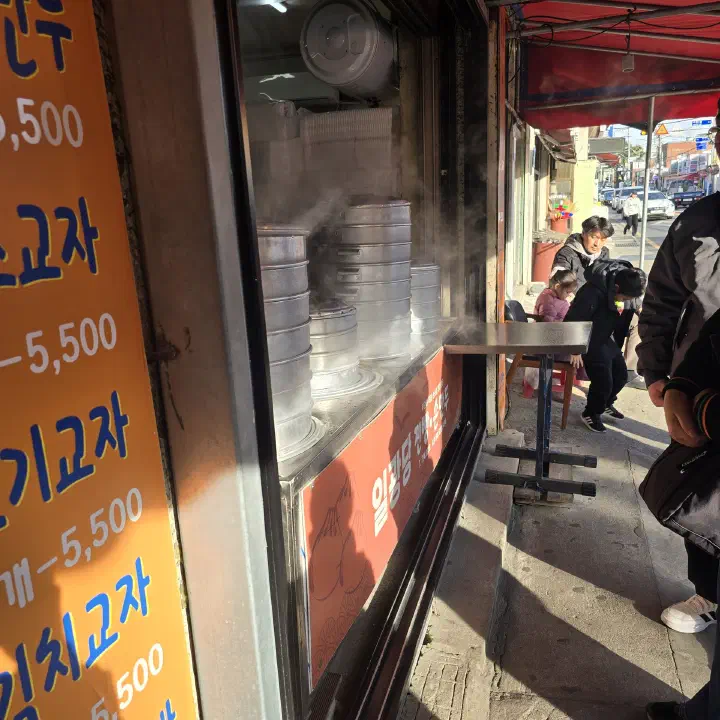
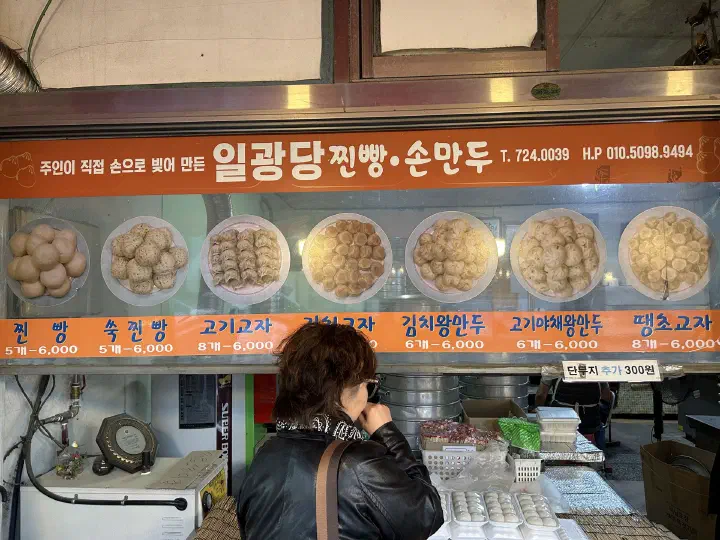
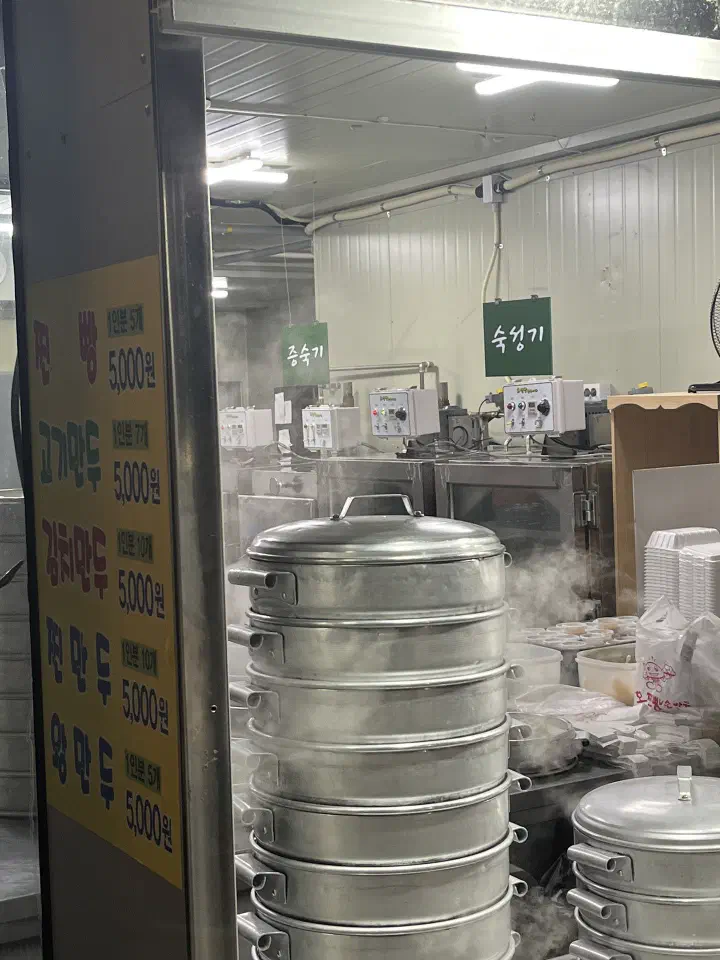
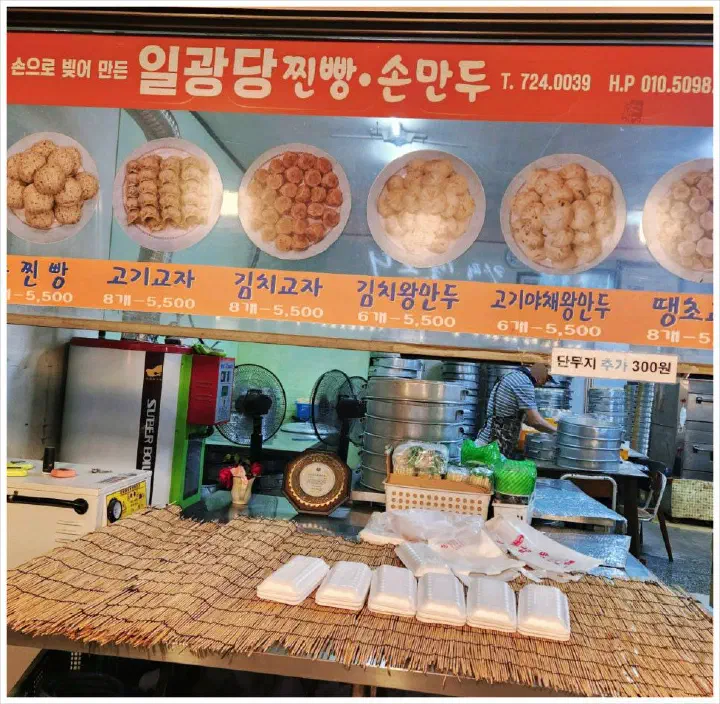
The menu board and customers in front of Ilgwangdang

The wait really depends on the day, though.
I’ve walked up on a weekday afternoon and bought right away, and I’ve also stood in line at Ilgwangdang for about 40 minutes on a weekend.
Hojjinppang’s weekend line can wrap around the shop too.
The good news is that since both are takeout, the line moves faster than it looks.

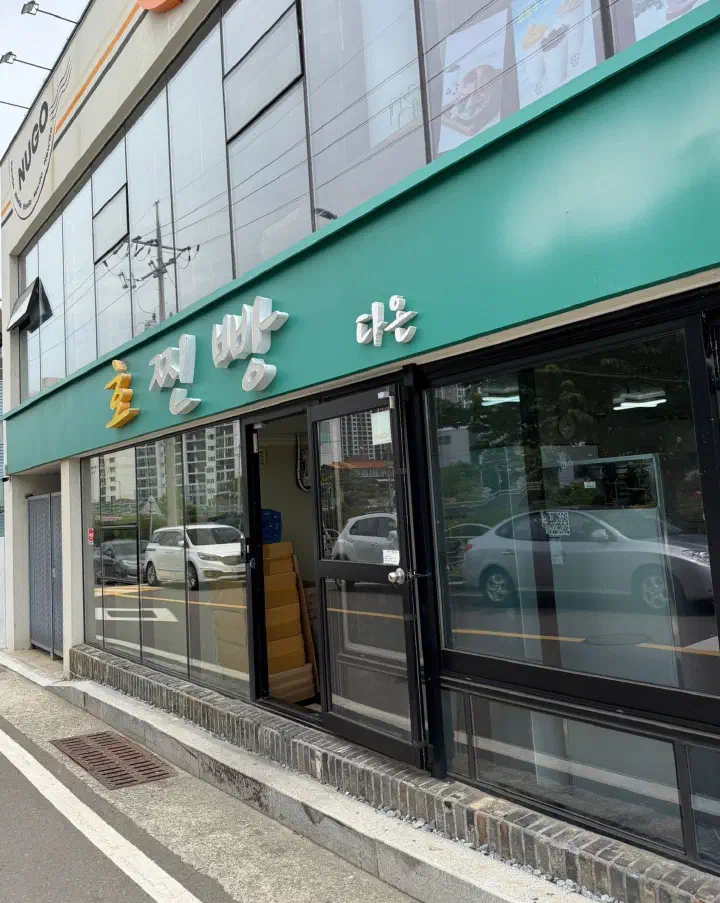
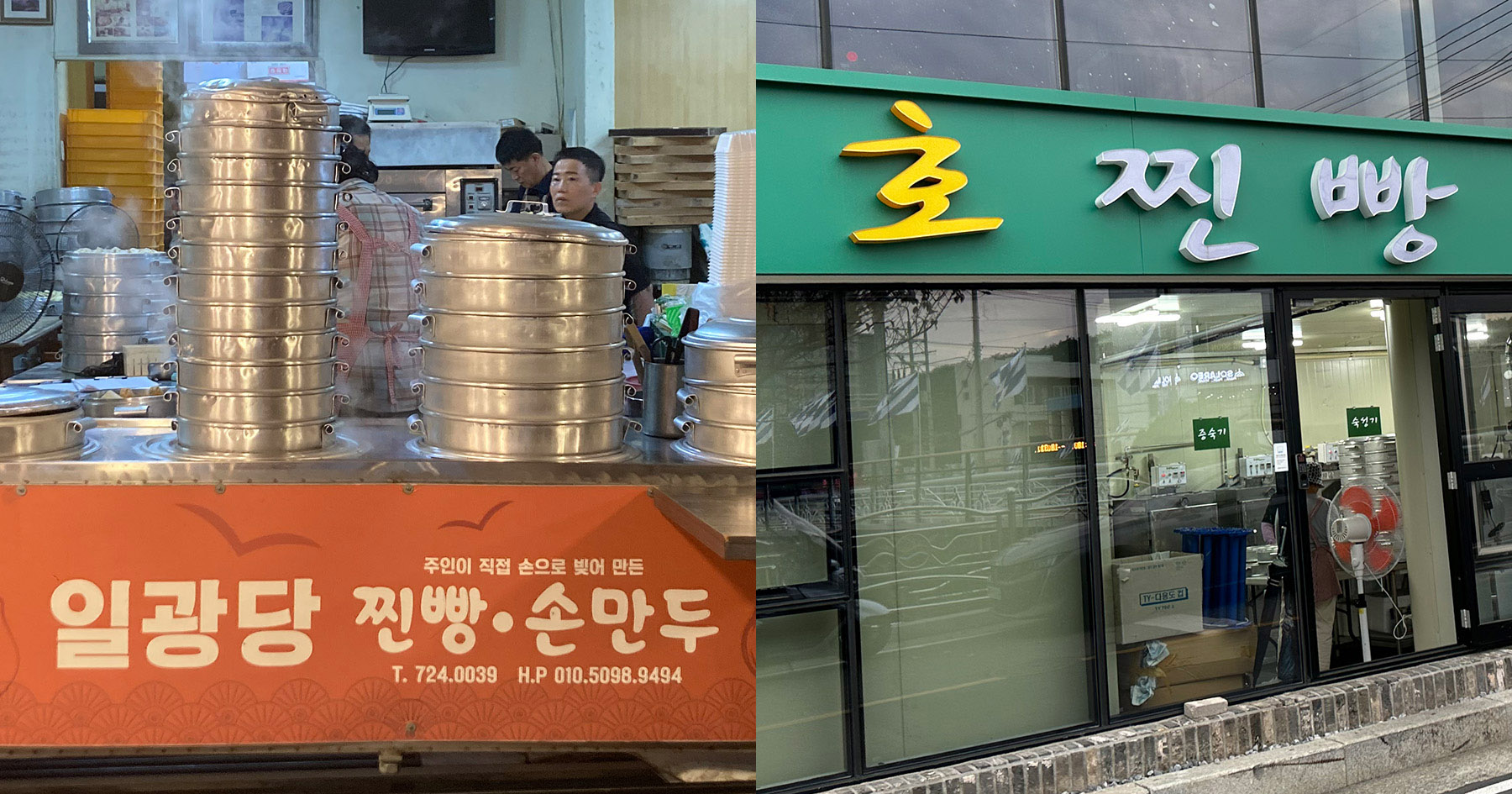
The clean, newly built exterior of Hojjinppang

The two shops feel like opposites.
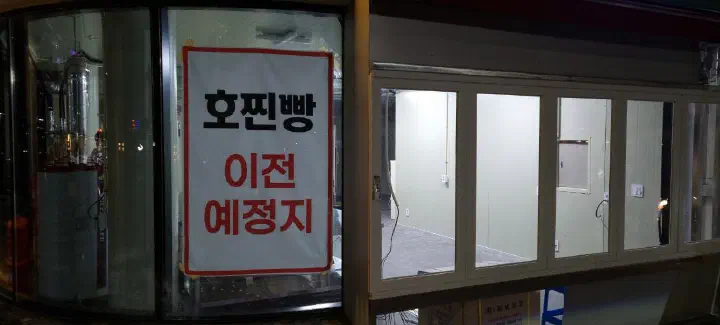
Hojjinppang used to sit in a small, older spot tucked into the alley.
But it did so well that a few years back it built a new building across the main road and moved over — the address even changed from 123 to its current 121 Ilgwang-ro.
Now it’s the first thing you see once you cross the road, easily the best location of the three, so first-timers find it without trouble.
Inside it’s bright and white-tiled, almost like a tidy little factory.
That said, some longtime regulars (me included, a little) miss the old, cozy shop it used to be.

Inside Hojjinppang, a clean white-tiled shop

Ilgwangdang, by contrast, is the old shop, unchanged.
It has that worn, traditional-market feel, which I honestly kind of love.
You can watch the staff folding dumplings by hand at the back.

Staff at Ilgwangdang folding dumplings by hand inside the shop

The two shops used to charge about the same. Not anymore.
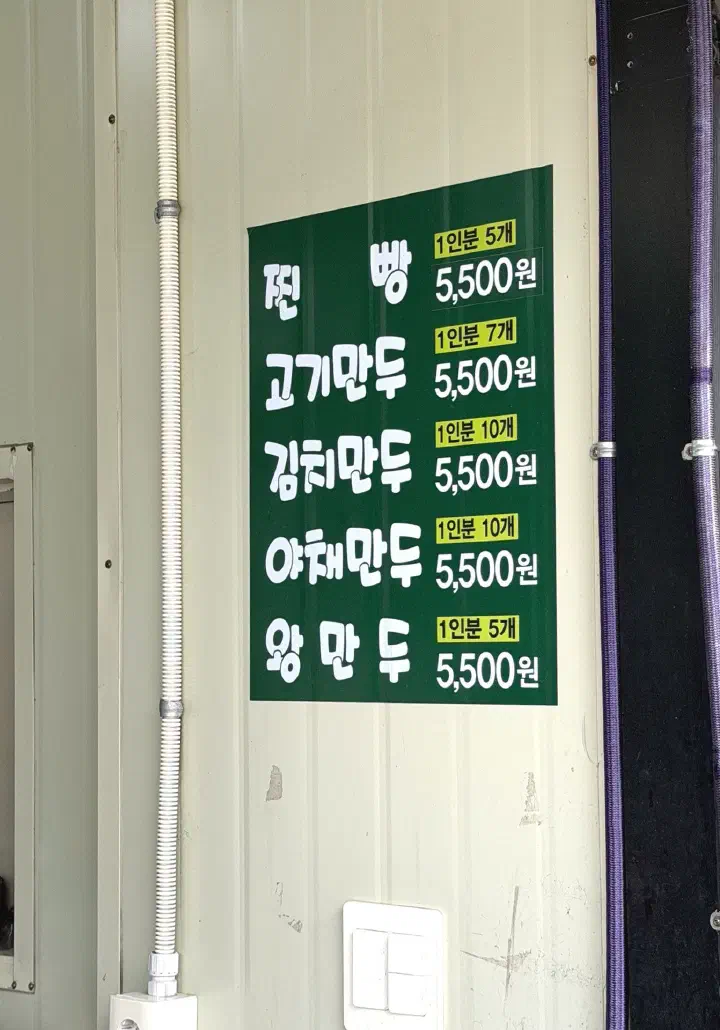
At Hojjinppang, a pack is 5,500 won, buns or dumplings, take your pick.
Ilgwangdang, though, bumped everything up to 6,000 won this year — buns, mugwort buns, dumplings, jumbo dumplings, all 6,000, with pickled radish refills at 300 won.

After 15 years I’ve watched these prices climb step by step.
Way back, Hojjinppang was 4,500 and Ilgwangdang 5,000; then both moved to 5,000, then 5,500, more or less in sync.
But this year Ilgwangdang went one step further to 6,000, so the same-size pack now costs 500 won more there.
Since the thing I buy most is Ilgwangdang’s wangmandu, I do feel it a little.
Still, for hand-folded buns steamed to order, it’s a price I can live with.

By the way, almost every shop and restaurant in Korea takes credit cards, so any internationally accepted card should be fine here.
And there’s no tipping culture in Korea — you don’t need to tip, and staff may even be a little confused if you try.

Ilgwangdang’s menu board

Ilgwangdang has the longer menu.
There’s jjinppang (찐빵, steamed red bean bun), ssuk-jjinppang (쑥찐빵, mugwort bun), and corn bun, plus pork, kimchi, and spicy dumplings, and two kinds of jumbo dumplings (왕만두).
They also sell chapssaltteok (찹쌀떡, sweet rice cakes) and a few other little treats.

Hojjinppang’s menu board

Hojjinppang keeps it simpler — buns plus pork, kimchi, jumbo, and vegetable dumplings.
But it leans hard into being a jjinppang specialist, and that focus shows.

Ordering isn’t hard even with no Korean.
The menu is right there on the wall, and you can just point and hold up fingers for how many packs you want.

The buns — it comes down to sweetness

Buy both shops’ jjinppang and eat them side by side, and the difference jumps out.
The dough, honestly, is similar at both — soft and chewy.
The red bean filling is where they split.

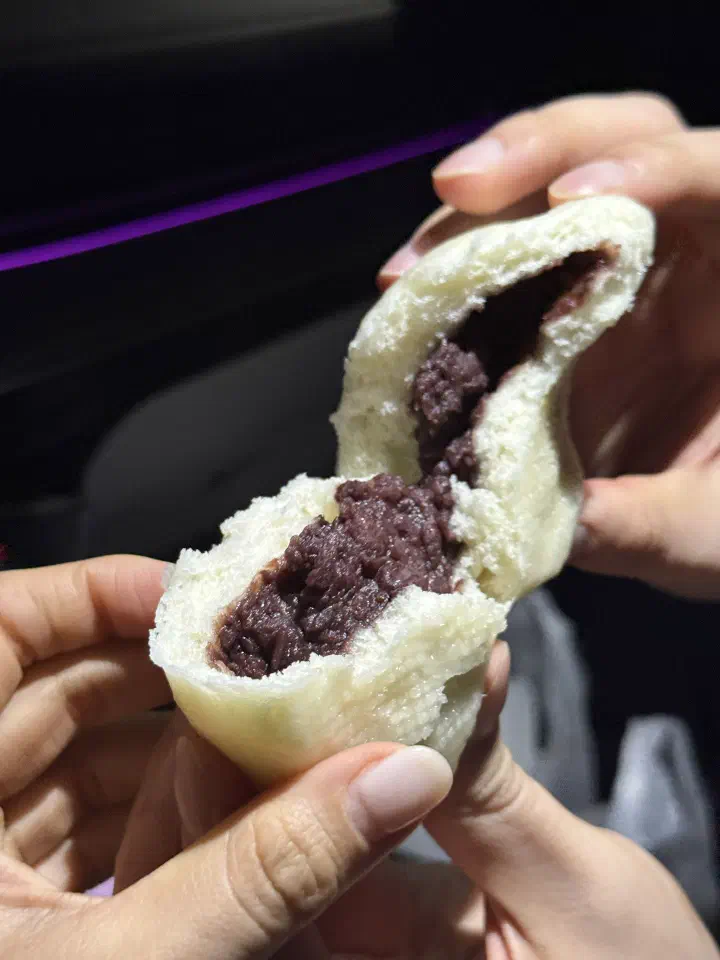
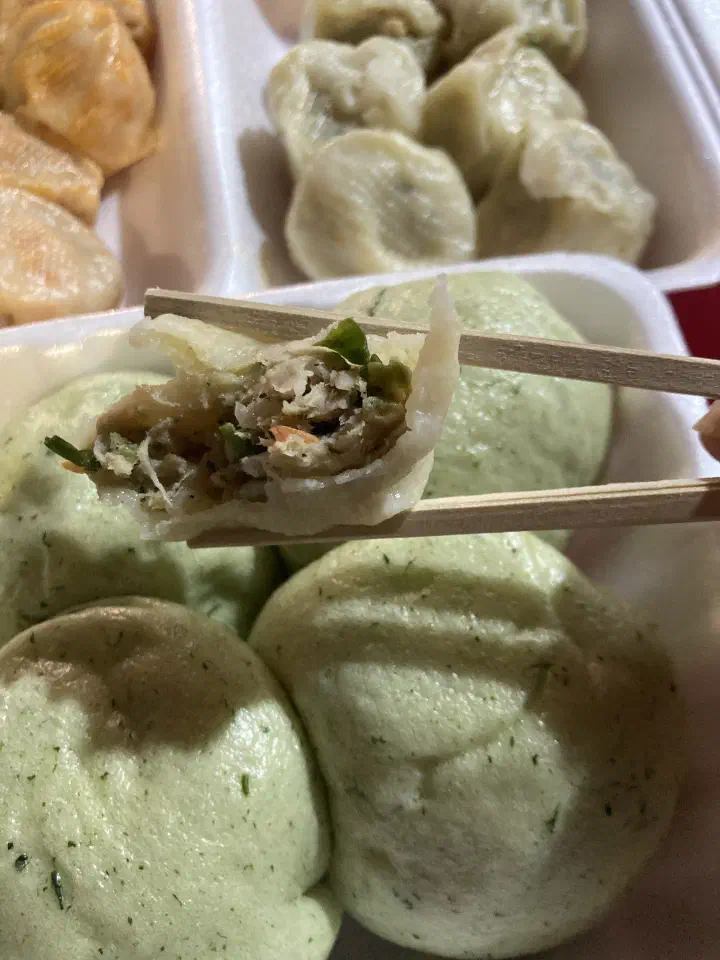
Cross-section of Ilgwangdang’s mugwort bun

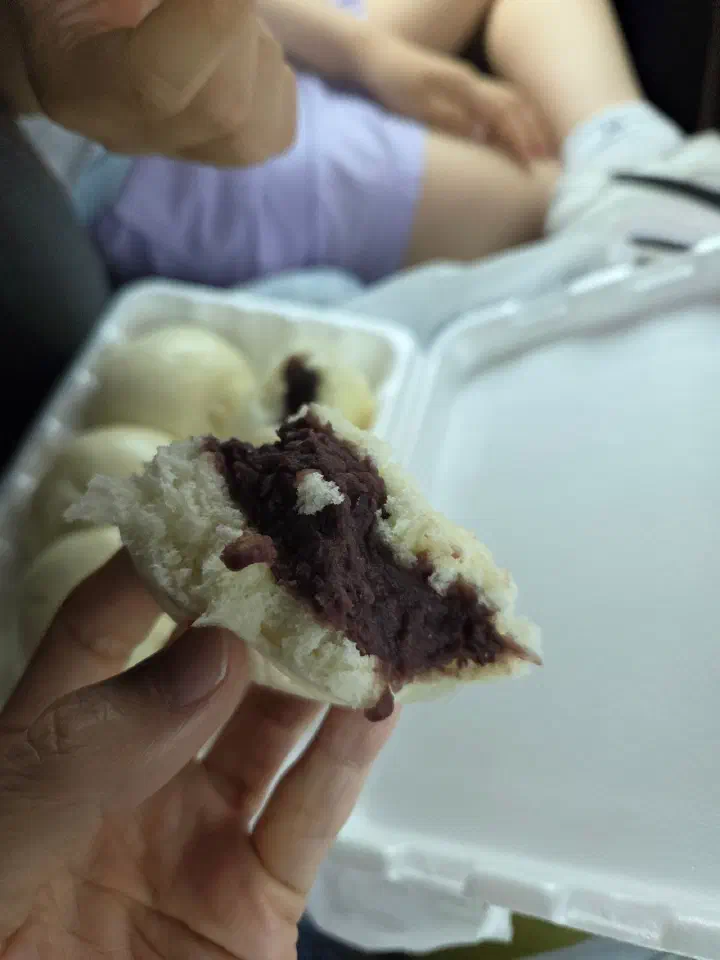
Ilgwangdang’s filling is smooth, soft, and clearly sweet — about as sweet as the packaged Samlip buns you find in Korean stores.
If you like things sweet, you’ll lean Ilgwangdang.
If you’re not big on sugar, two might start to feel like a lot.

Cross-section of Ilgwangdang’s bun with soft red bean paste

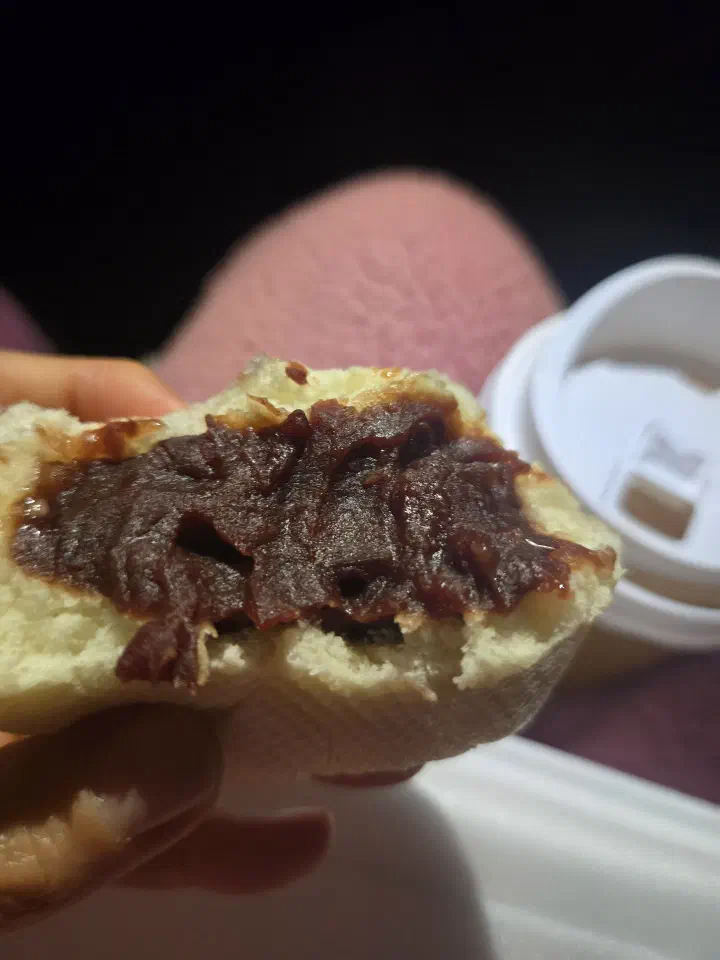
Hojjinppang’s filling keeps the whole red beans intact and is less sweet.
It tastes like beans that were actually simmered down, clean enough that you can eat two or three without tiring of it.
People who find sweet things heavy usually prefer Hojjinppang.

Cross-section of Hojjinppang’s bun, red bean paste with whole beans

My own family split right down this line.
The sweet tooths reached for Ilgwangdang; the ones who like it plain went for Hojjinppang.

Hojjinppang’s steamed bun broken in half

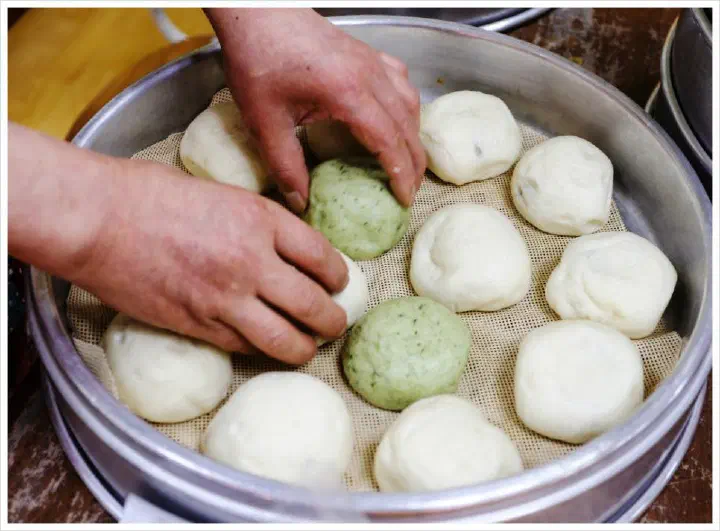
One small thing: when you buy buns at Ilgwangdang, they often tuck in a mugwort bun (ssuk-jjinppang) for you.
The mugwort flavor is mild, so even I — not a mugwort fan — enjoyed it.
If you really don’t want it, just ask for plain ones only when you order.

The dumplings — hand-folded at Ilgwangdang, thin-skinned at Hojjinppang

The dumplings show each shop’s character even more.

A plate of Ilgwangdang’s jumbo dumplings

Ilgwangdang folds theirs by hand on site.
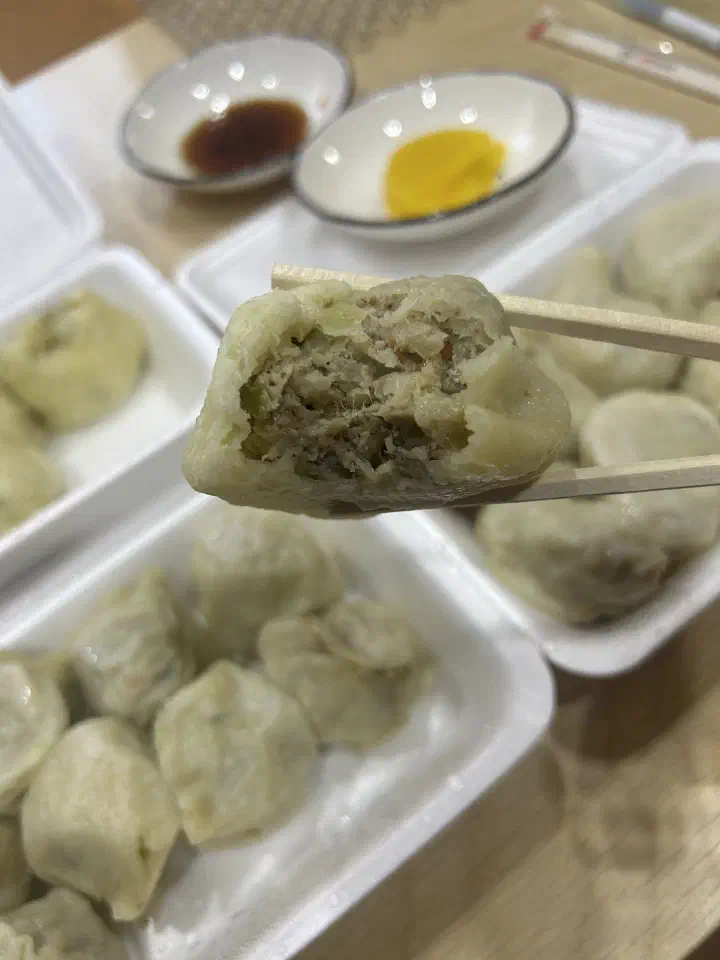
The jumbo dumplings have a thick, bun-like skin that’s pleasantly chewy, and the filling has big pieces of vegetable, so there’s a real crunch to it.
The pork-to-veg balance is good and the seasoning is spot on — good enough that you don’t even need the soy sauce.

Ilgwangdang’s jumbo dumpling split open, full of filling

At Ilgwangdang I almost always get the wangmandu.
Buying one pack of the pork-and-veg and one of the kimchi has become my routine.
The kimchi jumbo dumpling is packed with tangy aged kimchi that practically bursts when you bite in.

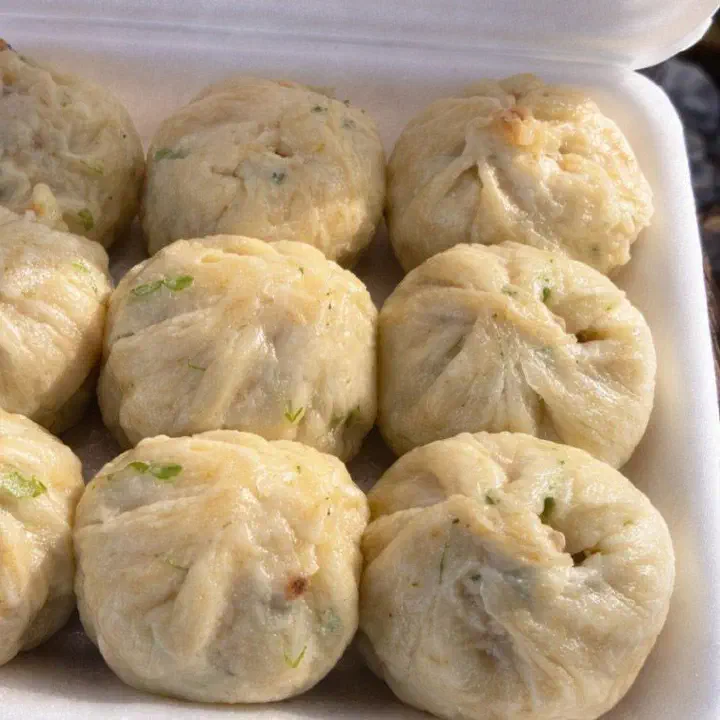
Ilgwangdang’s jumbo dumplings in a takeout box

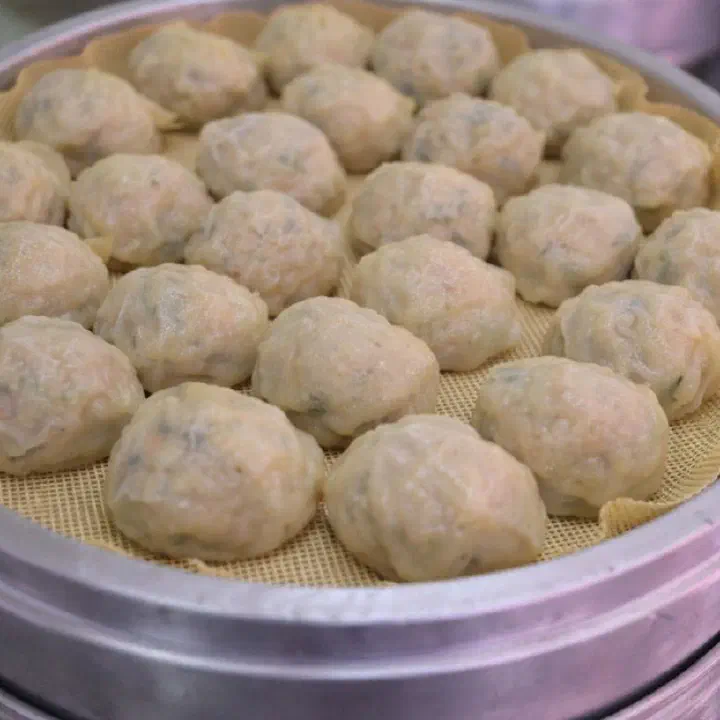
Round dumplings steaming in the basket at Ilgwangdang

Hojjinppang’s dumplings have a thin, chewy skin — closer to a water dumpling or dim sum.
The pork base is rich, so you get a little burst of juice in one bite.
The kimchi dumpling is popular too: not spicy, but with a deep kimchi flavor.

The large steamers in Hojjinppang’s kitchen

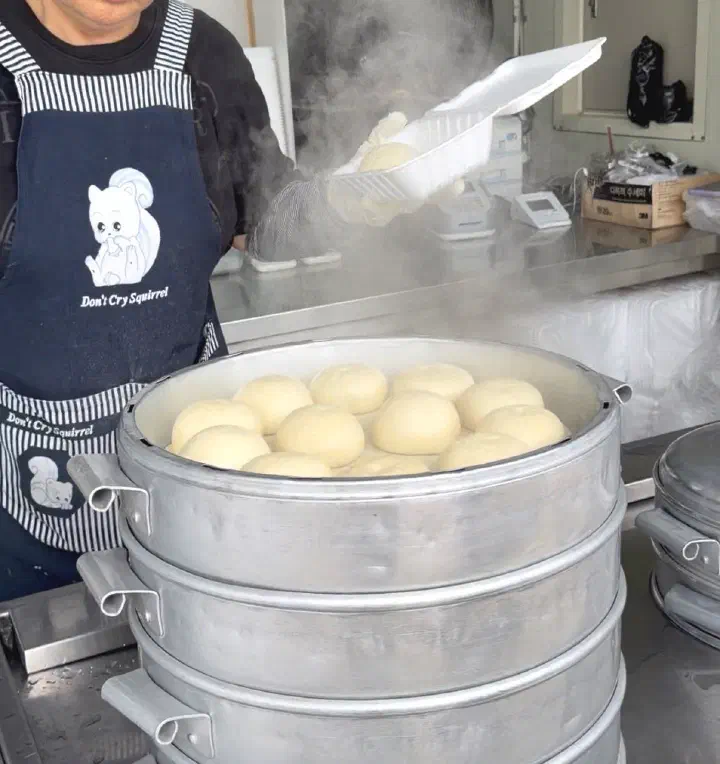
Hojjinppang runs big proofers and large steamers, so the volume coming out is huge.
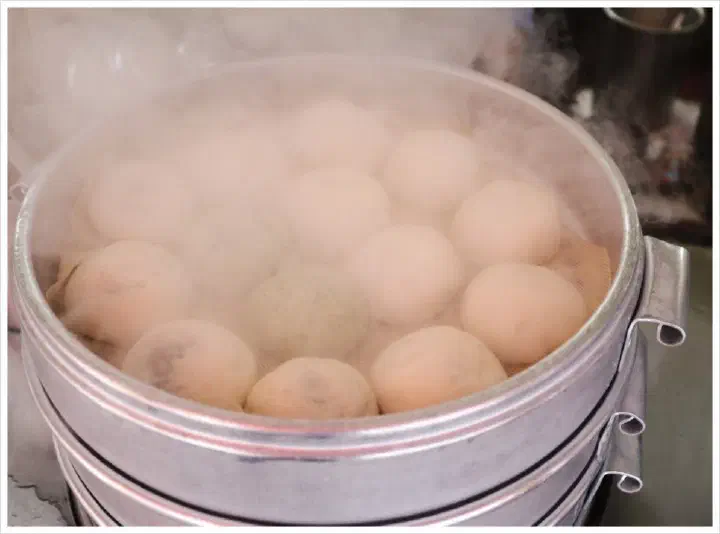
They scoop straight from the steamer when you order, and watching the clouds of steam roll off is half the fun.

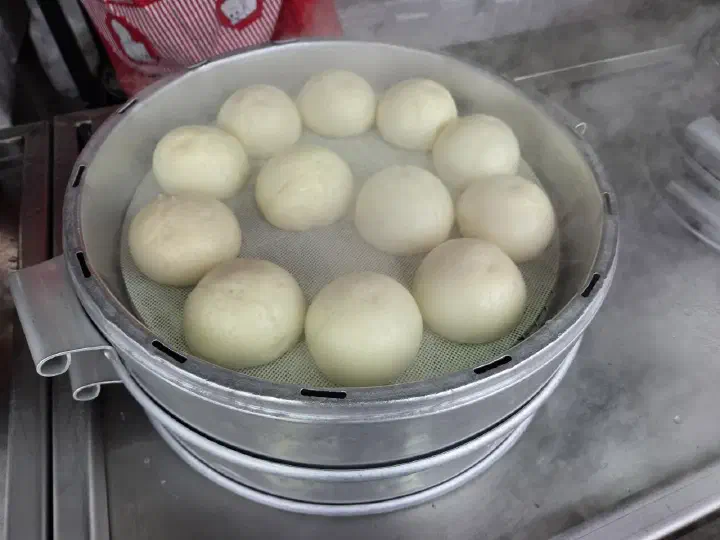
A steamer full of buns at Hojjinppang

Dumplings steaming at Hojjinppang

So: thick, hand-folded, hearty dumplings → Ilgwangdang.
Thin skin with a juicy bite → Hojjinppang.

Ilgwangdang’s quiet star — chapssaltteok

The sleeper hit at Ilgwangdang is the chapssaltteok (찹쌀떡), a sweet rice cake.
They keep a ready-to-eat batch by the window.
It’s soft and moist, and it stays that way for a few days at room temperature.
I go in for buns and somehow always leave with one of these too.

Parking, paying, and small tips

Parking is a bit of a headache at both.
Neither has a lot, so you either pull up briefly out front or use a nearby public lot.
On weekends the alley gets crowded, so walking from Ilgwang Station is often easier than driving.

Soy sauce and pickled radish that come with Ilgwangdang’s dumplings

Both take cards, so paying is easy.
They also accept Dongbaekjeon — that’s Busan’s local currency, a kind of regional gift card that Korean cities issue to keep spending in the local economy. You won’t need it as a visitor, but it’s a nice glimpse of how things work here.
Each pack comes with soy sauce, pickled radish, and wooden chopsticks.
Ilgwangdang’s dipping sauce has a touch of chili flakes and vinegar — it goes really well with the dumplings.

Ilgwangdang’s shop front, with stacks of steamers

Both buns and dumplings are best the moment you get them.
That first bite right after buying is the best — just be careful, it’s seriously hot.
Leftovers keep in the fridge (or freezer), and a quick steam or microwave brings the softness back.

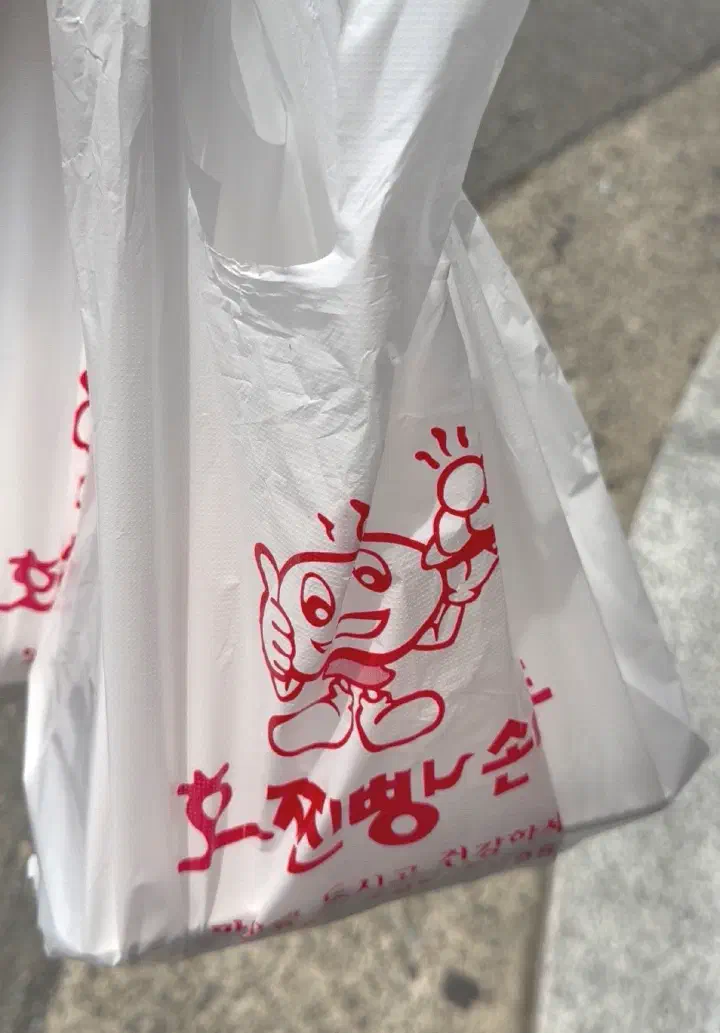
Hojjinppang’s takeout wrapper with a little character print

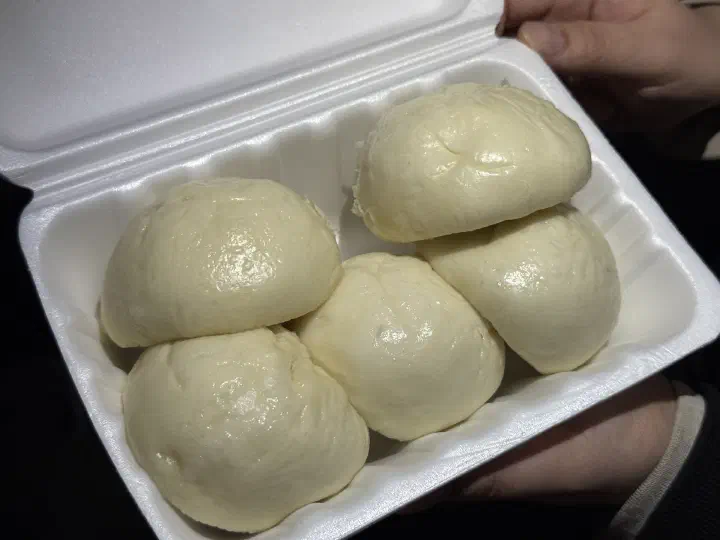
Hojjinppang’s buns in a takeout box

So which one?

After all these years, here’s roughly how I’d send people:

  • Sweet, smooth bun → Ilgwangdang
  • Less sweet, whole-bean bun → Hojjinppang
  • Hand-folded, hearty dumpling → Ilgwangdang
  • Thin skin, juicy bite → Hojjinppang
  • Want more menu variety, plus rice cakes and mugwort buns → Ilgwangdang
  • Want it a little cheaper → Hojjinppang (5,500 won, 500 less than Ilgwangdang)
  • Whichever line is shorter that day → just check and walk over

Tastes differ, so some swear by Ilgwangdang and others by Hojjinppang.
But after 15 years of going back and forth, my honest take is that I’ve been happy with both.
Neither one is a place you’ll regret.
If you can’t choose, they’re 30 seconds apart — buy from both and compare them down by the sea.

If you’re driving through Gijang or hitting the cafes in Ilgwang, swing by the bun alley.
One warm bag of dumplings and buns is enough to make the day a little better.