If you ask anyone in Gongju where to eat acorn jelly,
this is usually the first name that comes up.
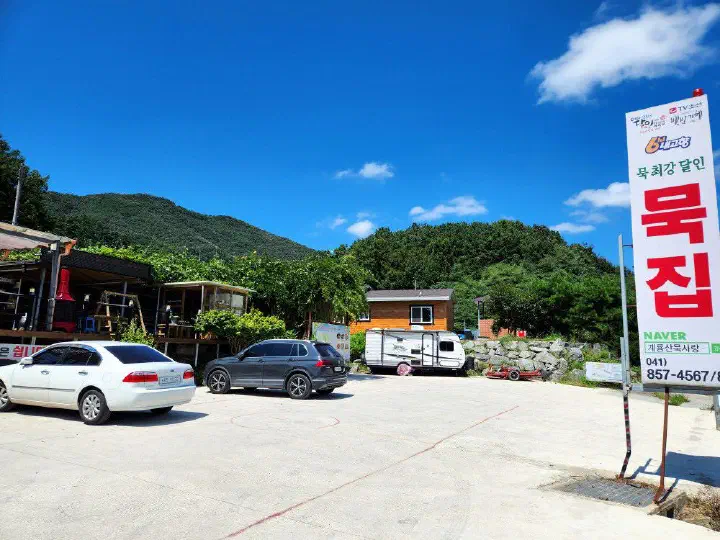
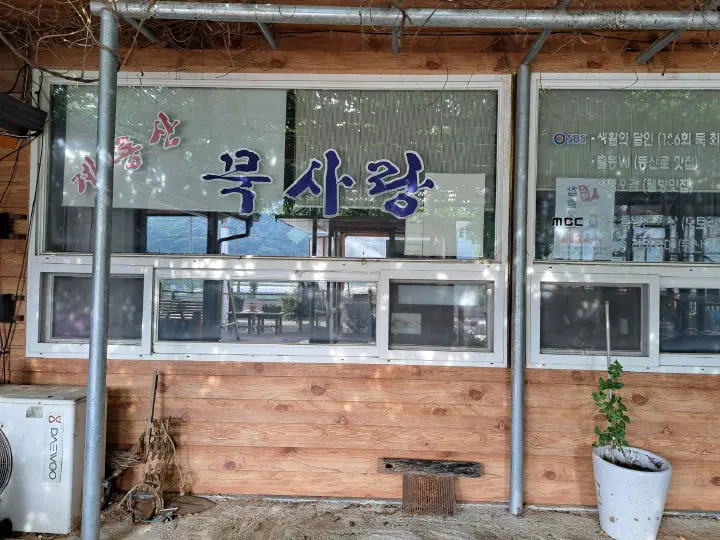
Gyeryongsan Muksarang (계룡산묵사랑) sits right off Route 23,
tucked under the slopes of Gyeryongsan mountain.
It has run on one thing for more than twenty years: jelly made in-house from acorns.
Calling it “just a jelly place” undersells it a little.

Who it suits
This is comfort food, not a date-night showpiece.
It’s the kind of place locals bring their parents to,
and where hikers stop in before or after Gyeryongsan.
The room fills with a mix of older regulars, families, and travelers.
Kids tend to do fine with the warm bowl, which comes with rice.
If you want something polished and trendy, this isn’t it.
If you want a light, easy-on-the-stomach Korean meal, it lands well.

The basics
- Address: 389 Jeonjinbae-gil, Gongju-si, Chungcheongnam-do
- Phone: 041-857-4567
- Hours: 8:00 AM - 3:00 PM
- Closed: Mondays and Tuesdays (open on public holidays)
- Parking: free, large private lot in front
The short hours are the thing to plan around.
They open early, at 8 AM, but close at 3 PM, so this is a breakfast-or-lunch spot only.
Because the jelly is made fresh each day, they sometimes sell out and close early,
so if you’re aiming for late afternoon, a quick phone call first is the safe move.
📍 View Gyeryongsan Muksarang (계룡산묵사랑) on Google Maps →

Getting there
The restaurant is on a national road, not down some hidden lane,
so it’s easy to reach by car and the big sign is hard to miss.
If you’re driving the route between Cheonan and Gwangju, you’ll pass right by it.
Without a car it’s trickier, since it sits outside the town center.
Your best bet is a taxi from central Gongju.
For directions, skip Google Maps for local navigation in Korea -
it’s often unreliable here. Use Naver Map or KakaoMap instead,
and the KakaoT app works well for calling a taxi.
The lot used to fit only seven or eight cars,
but these days there’s a roomy private lot, easy even for nervous drivers
and rarely a problem on busy weekends.

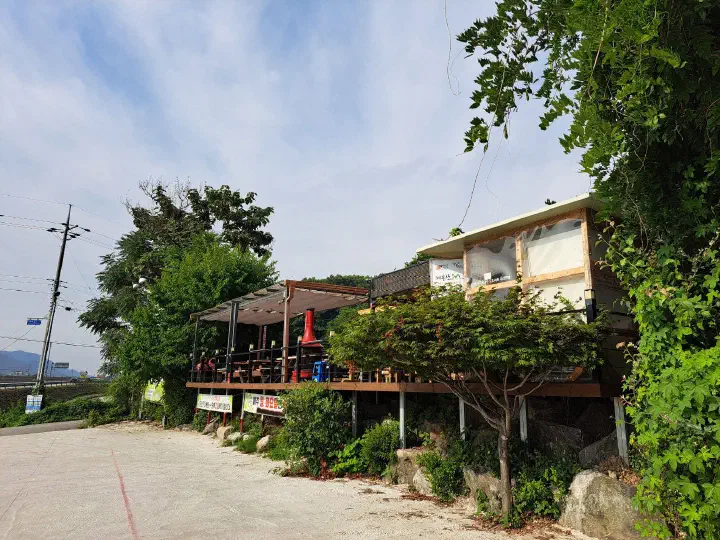
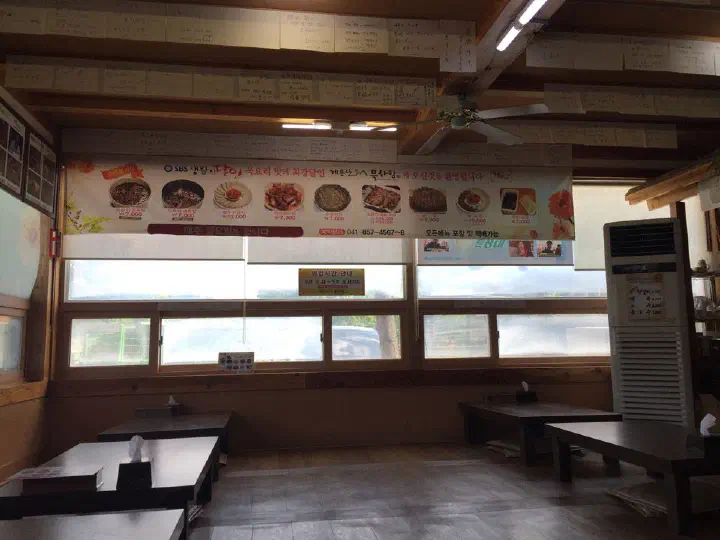
The room
There’s floor seating where you take your shoes off,
plus regular tables, with more seating further back for larger groups.
A window seat looks out over quiet country fields, which is a nice touch at lunch.
It gets loud and busy at midday with a mix of locals and visitors,
but tables turn quickly, so long waits are uncommon.


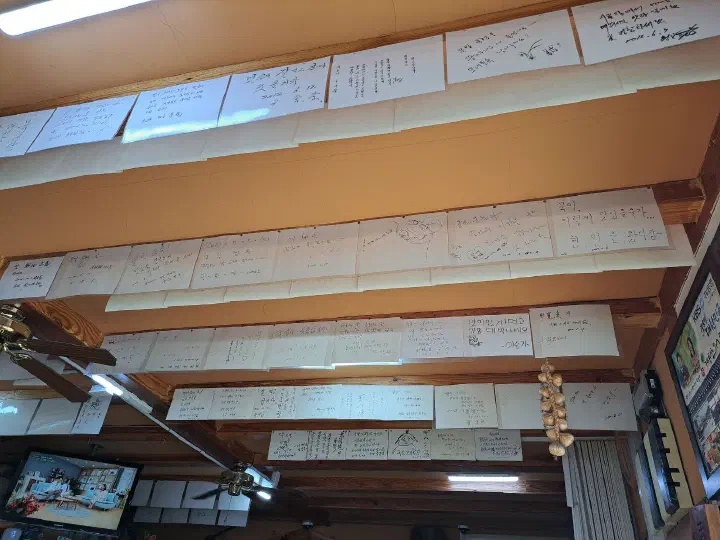
The walls are covered in TV stills and signatures.
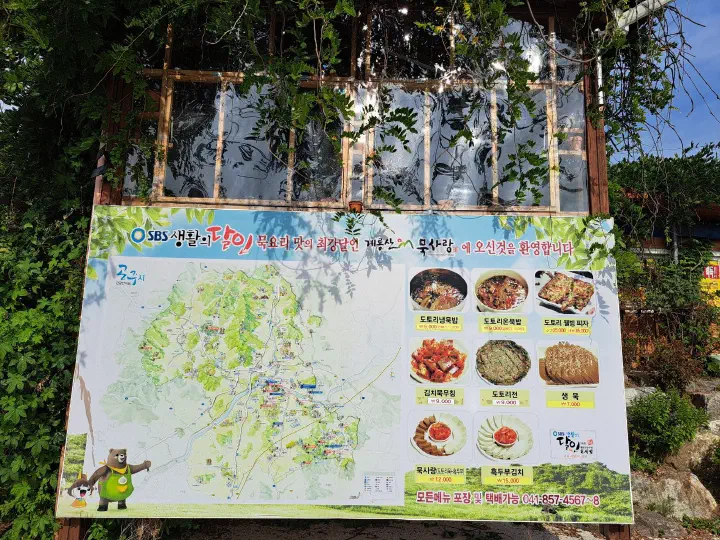
The place has been on Korean food TV for years -
SBS “Masters of Living,” Heo Young-man’s “Baekban Diary” on TV Chosun,
KBS “Good Morning Korea,” and most recently the KBS documentary
“Human Theater: Son, Make the Jelly,” about the family that runs it.

What to order
Almost everything starts with acorn jelly.
The two mainstays are the warm bowl and the cold bowl,
plus an acorn pancake, kimchi jelly salad, plain jelly,
a combo plate with black tofu, and even an acorn-crust pizza.
The warm and cold rice bowls are 10,000 won each.
For context, they were around 7,000 won back in 2021
and have crept up year by year to today’s price -
still fair for the portion and how filling it is.
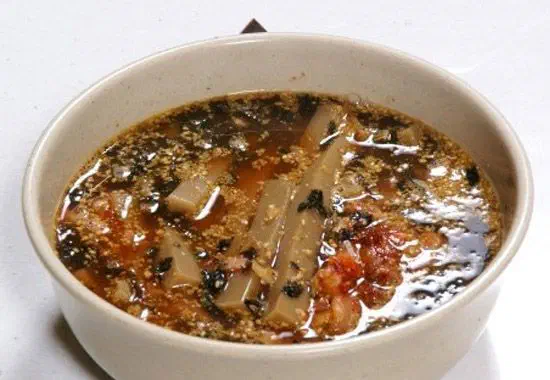
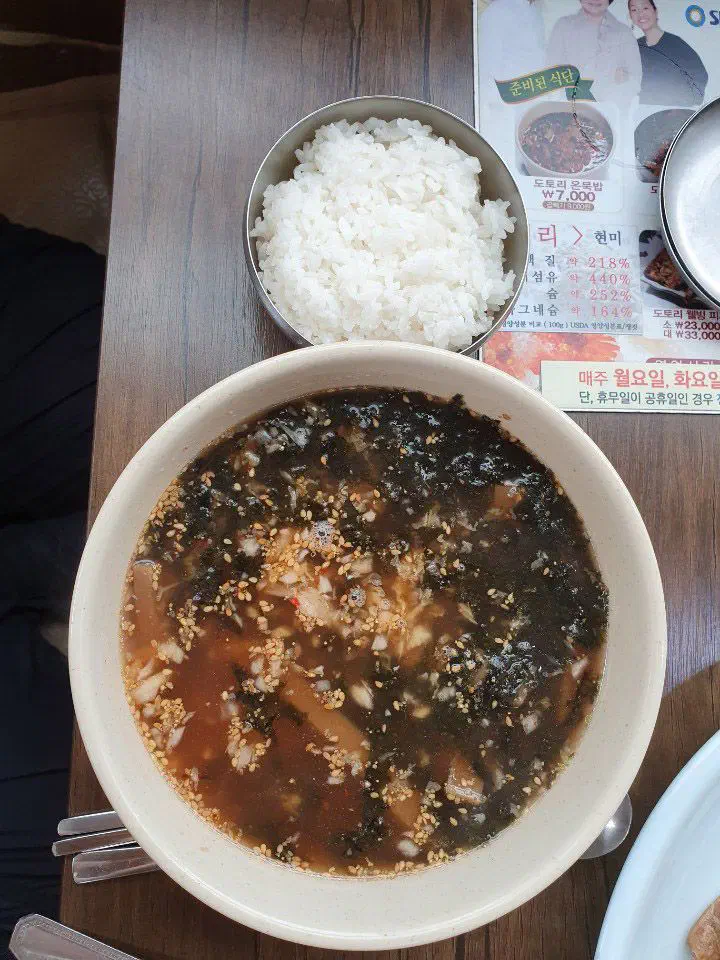
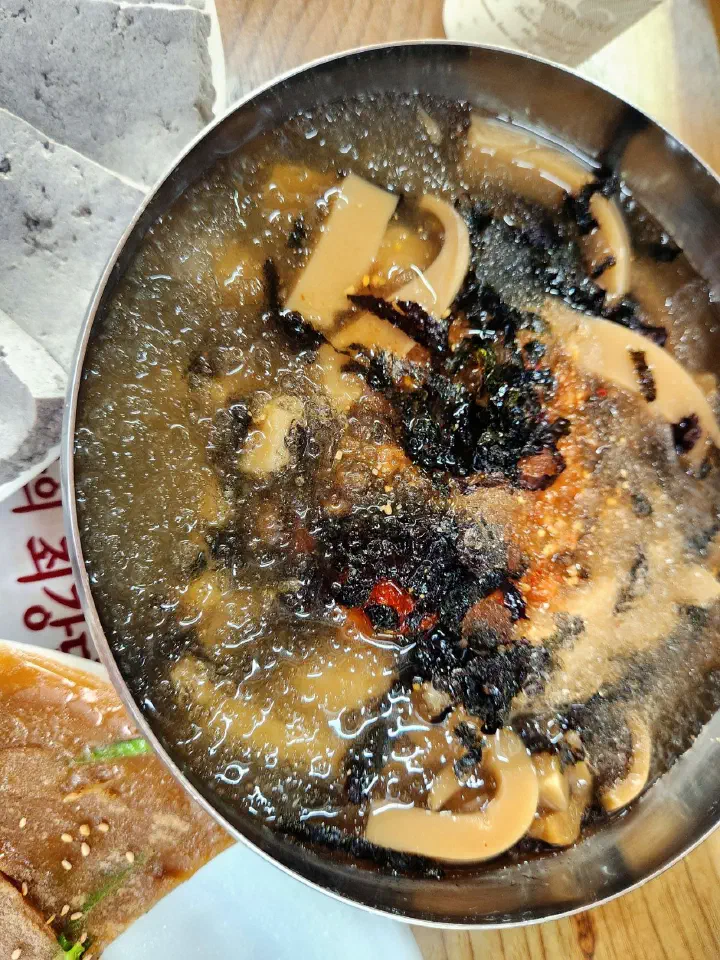
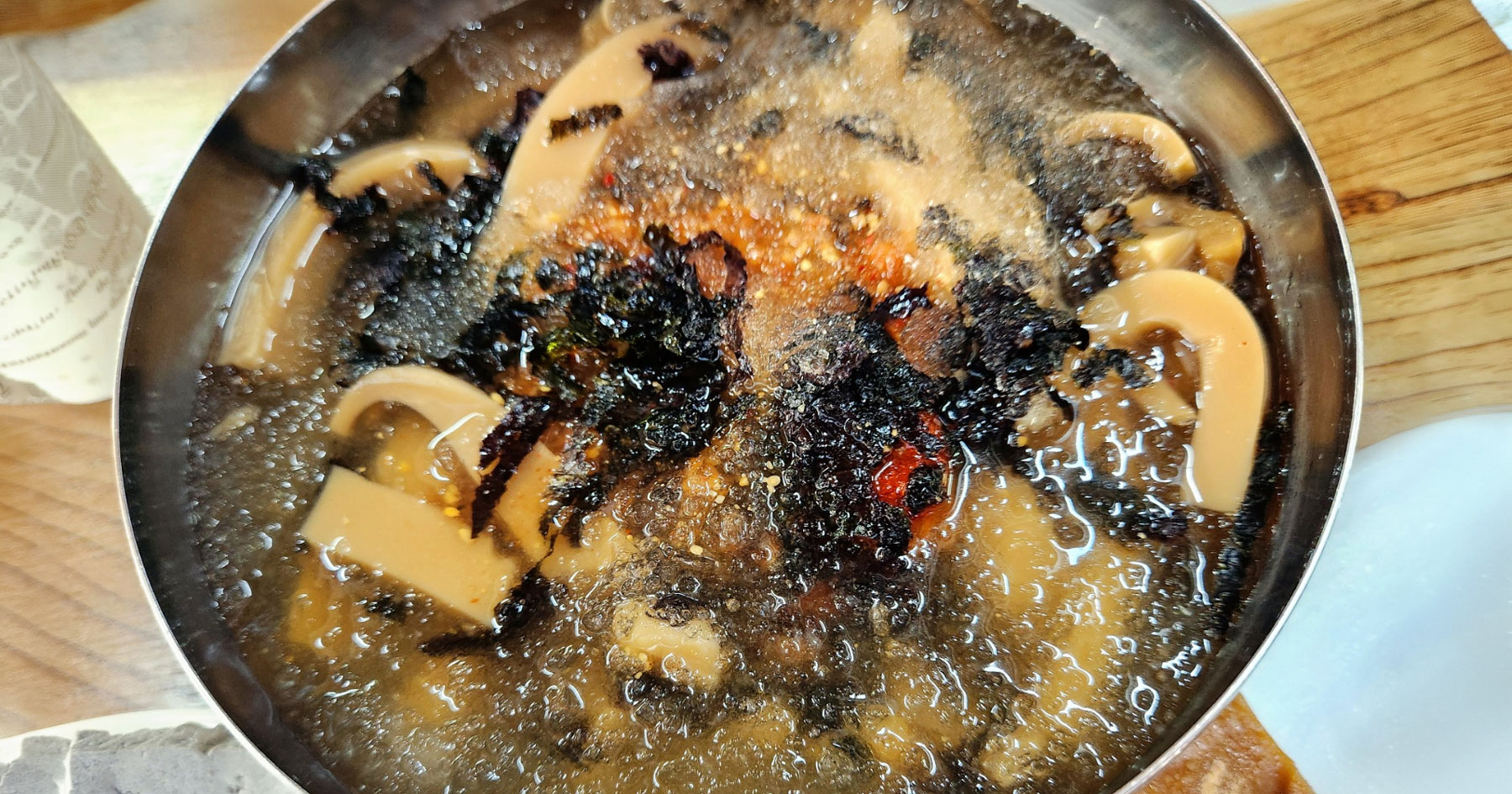
Dotori onmukbap (warm acorn-jelly rice soup, 도토리 온묵밥)
If the cold bowl divides people, the warm one wins almost everyone over.
Soft acorn jelly and rice sit in a warm anchovy broth
that tastes a bit like Korean banquet noodle soup -
savory, slightly peppery, with seaweed flakes and seasoning stirred through.
It’s gentle and easy on the stomach,
which is why older diners and anyone after a “clean” meal love it.
A lot of first-timers are surprised you spoon rice right into the jelly broth.


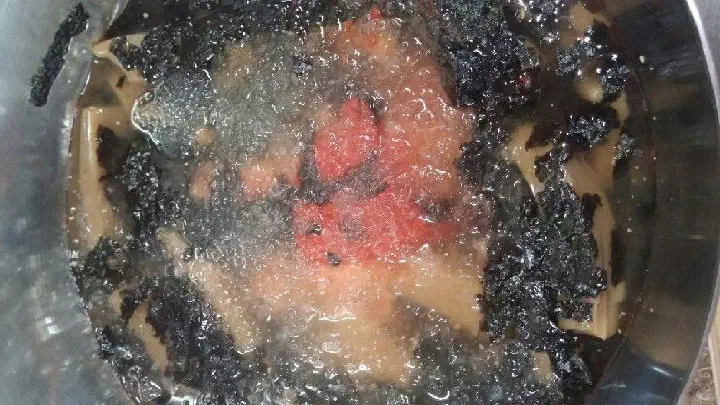
Dotori naengmukbap (cold acorn-jelly rice soup, 도토리 냉묵밥)
In summer the cold bowl takes over.
Chilled, slightly slushy broth with springy jelly -
it cools you right down. The flavor leans tangy, close to cold-noodle broth.
That tang is the one thing people split on.
Some find it quite sour, so if you’re sensitive to sourness,
start with the warm bowl. Regulars like to drop a slice of pickle on top.


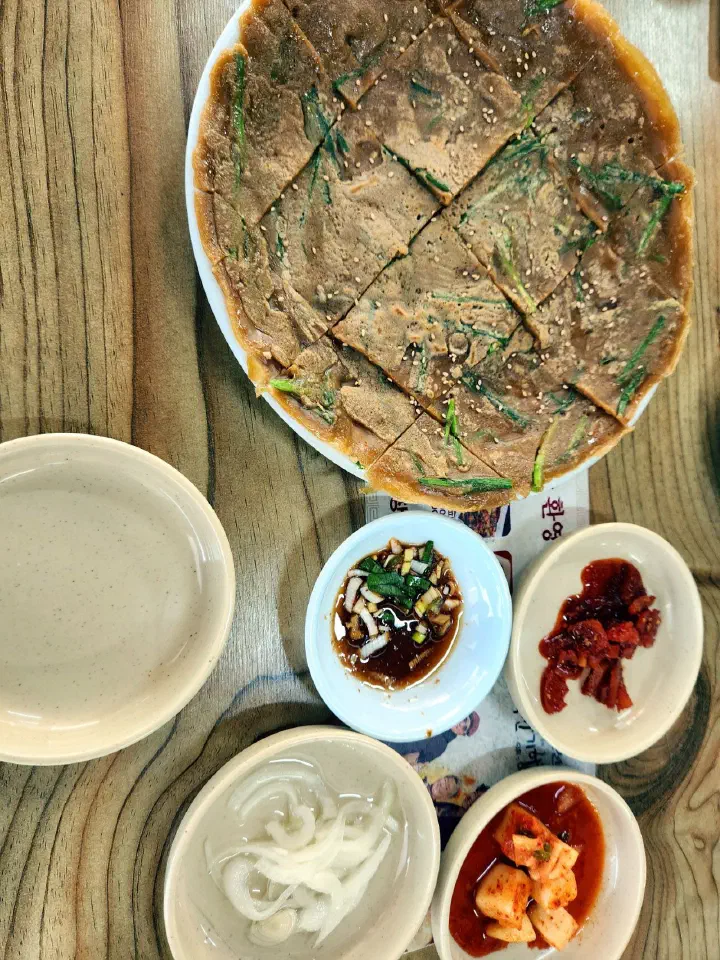
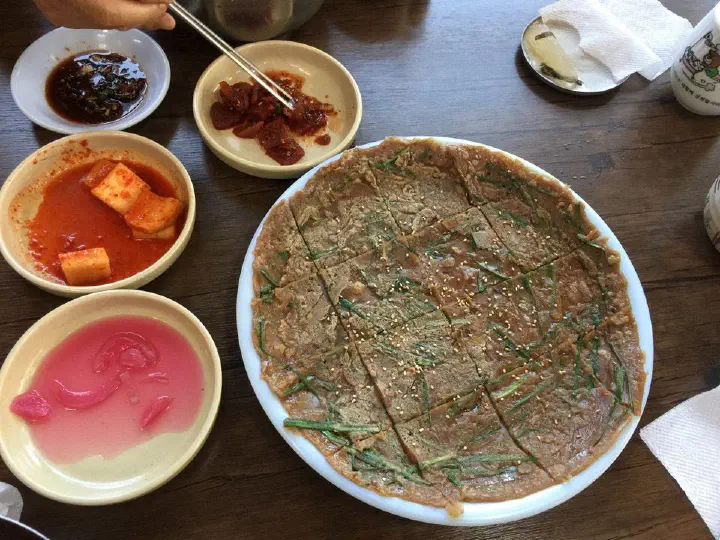
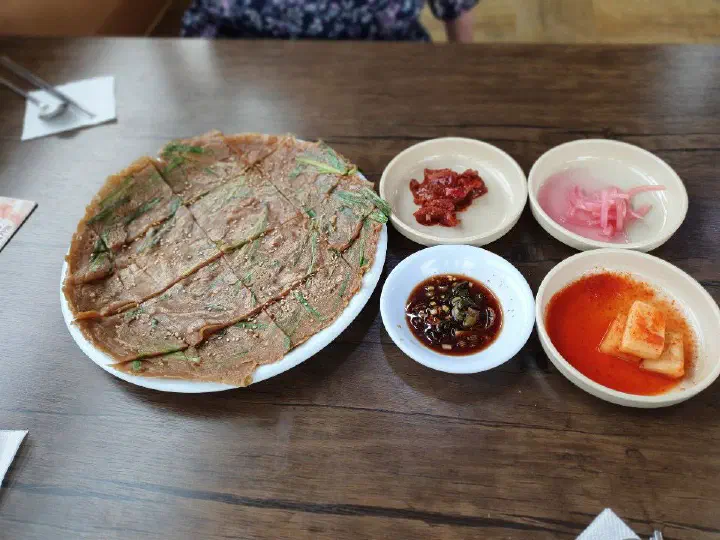
Dotorijeon (acorn jelly pancake, 도토리전)
This is the dish people say they fell for on the first bite.
Unlike a typical Korean pancake, it’s chewy and bouncy,
not greasy at all. On its own it’s plain,
but a dip in soy sauce wakes it right up.
It also pairs nicely with the pickled radish that comes on the side.


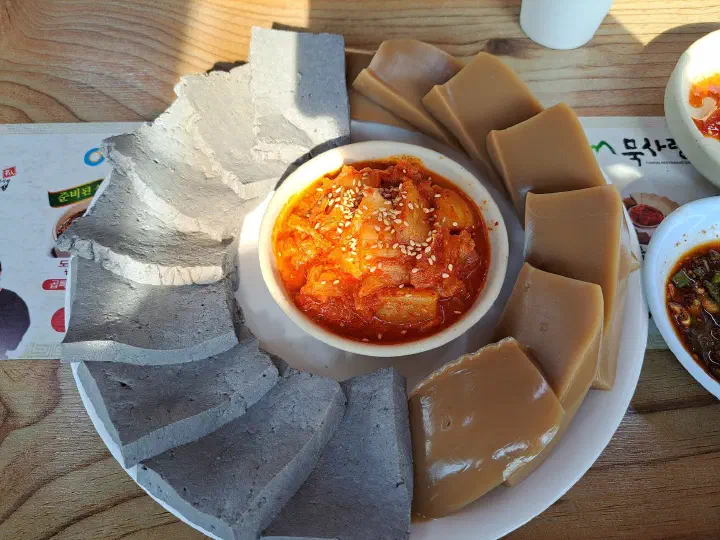
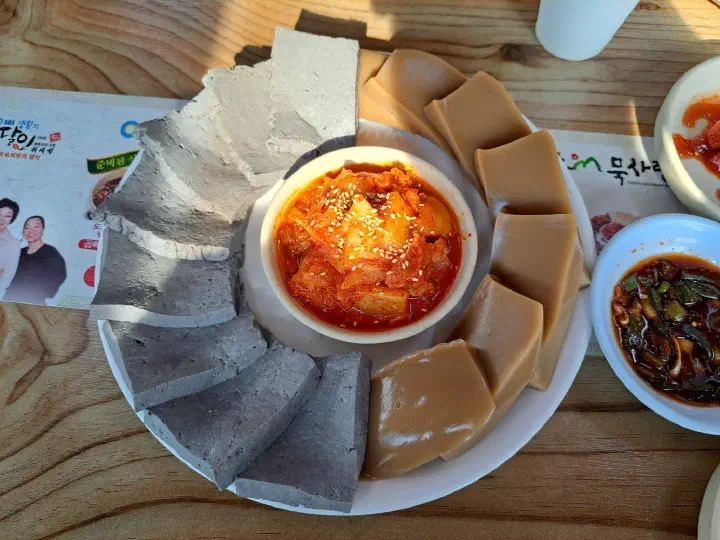
Heukdubu kimchi (black soybean tofu with kimchi, 흑두부김치)
The black tofu is made from black soybeans,
so it’s darker and richer than ordinary tofu, deeply nutty,
and very good with the aged kimchi it’s served with.
One small gripe: the tofu slices are a touch thin.
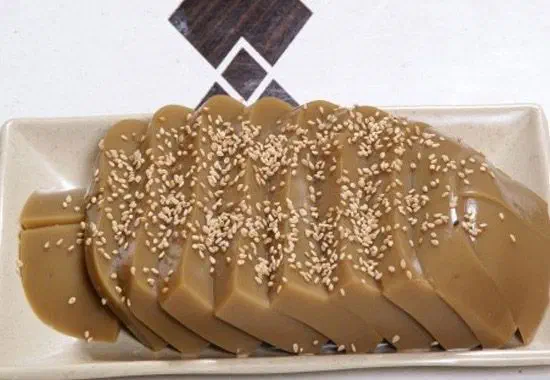
Want a bit of everything? The combo plate called “muksarang” (묵사랑, 15,000 won)
brings jelly, black tofu, plain jelly, and kimchi together,
which is a good way for a group to sample.

Kimchi jelly salad and the acorn pizza
The kimchi-muk-muchim (김치묵무침) is acorn jelly tossed in a tangy seasoning,
a bright little side to perk up the meal.
The dotori wellbeing pizza (도토리 웰빙피자, 30,000 won) is the house oddity.
The “crust” is the acorn pancake, topped with tomato sauce,
minced beef, onion, bell pepper, and a generous load of cheese.
It reads as healthy rather than heavy, and families with kids share it happily.
It is on the pricier, larger side, though, so order it as a shared dish.

Side dishes and the self-serve corner
The banchan are simple - pickled onion, kkakdugi (cubed radish kimchi), and pickled radish.
They bring some to start, and you refill from a self-serve corner.
The pickled onion is crisp and not too sharp,
and the pickled radish goes well with the acorn pancake.
The side dishes are modest, so come for the jelly itself rather than the spread.
Worth grabbing on the way out
There’s house-made sikhye (sweet rice drink) to finish,
and plenty of people buy plain jelly or packed acorn jelly to take home;
they ship by courier too.
Out front sits a 24-hour acorn-jelly vending machine -
you can buy jelly without even leaving your car, even after closing,
which is a fun, only-here detail.
Proceeds from the coffee machine by the entrance go entirely to a local charity,
and they sometimes hand out free black-bean curd as well.

A few honest downsides
To keep it balanced: first, the hours are short -
a 3 PM close plus Monday and Tuesday off makes scheduling fiddly.
Second, the cold bowl’s tangy broth isn’t for everyone;
some find it too sour.
Third, it’s run by just the husband-and-wife owners,
so at peak times the food can come out a little slowly.
Older reviews from the busy post-broadcast rush mention rough service,
but most recent visitors describe the owners as friendly.
A couple of practical notes for visitors
Like almost everywhere in Korea, card payment is no problem here,
so an international card should work fine - no need to carry much cash.
There’s no tipping culture in Korea; staff may actually be puzzled if you try.
English isn’t really spoken, but ordering is easy enough -
the menu is simple, and pointing at what you want works without trouble.
The flavors here are mild rather than spicy, so even if you don’t handle heat well,
this is a safe, gentle place to eat.
Final thoughts
It’s plain-looking but it sticks with you.
The springy, made-in-house jelly and the easy, settling broth
are hard to find done this well anywhere else around Gongju.
If you’re passing through Gongju or Gyeryongsan,
it’s a solid breakfast or lunch stop.
Gongju has plenty of other local specialties - rice soups, hand-cut noodles -
but for a proper bowl of acorn jelly, this is the name that keeps coming up.