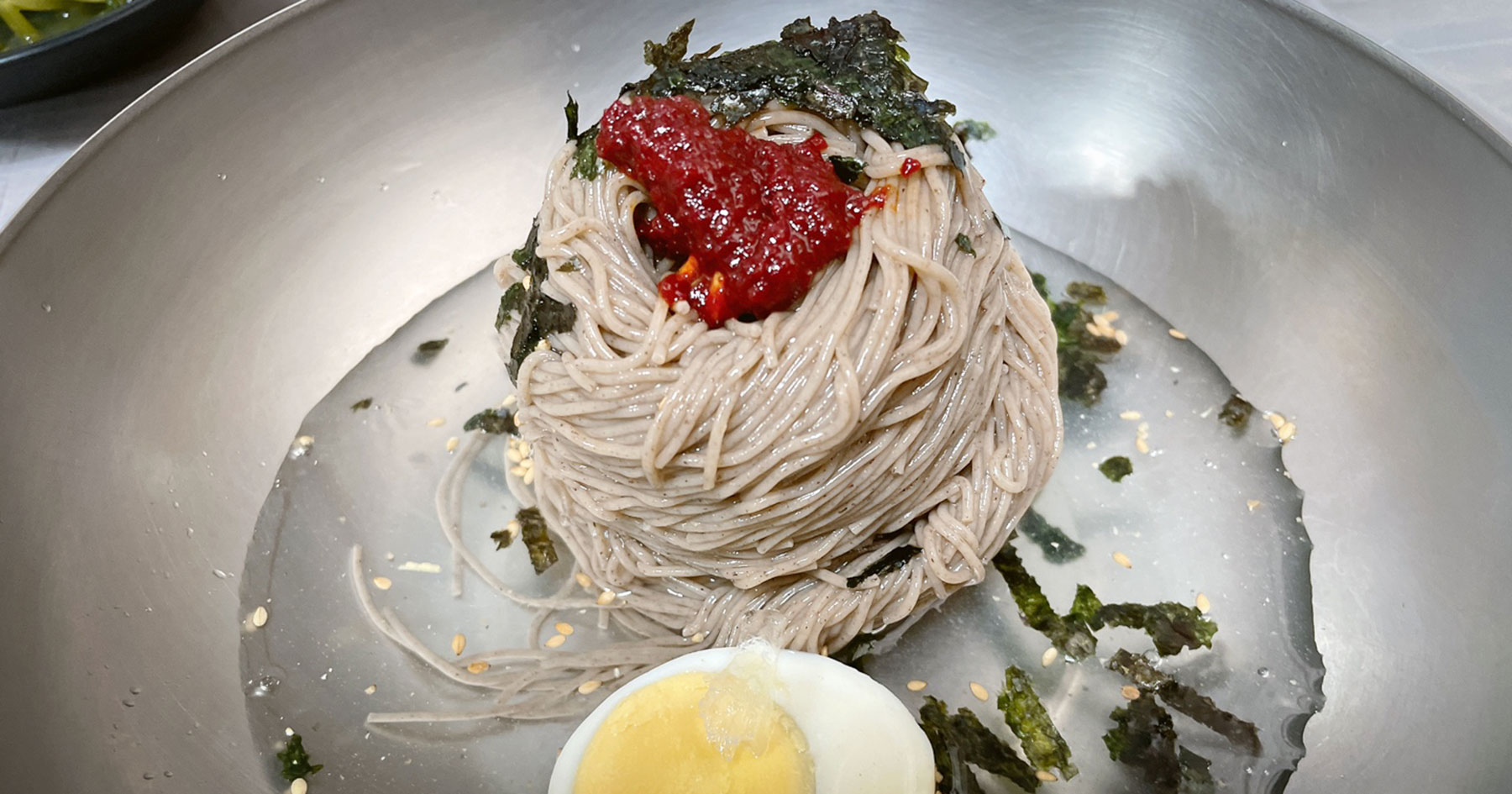
고성 여행을 계획하면 한 번쯤은 이름을 듣게 되는 집이에요.
고성 맛집을 검색하면 블로그든 영상이든 가장 먼저 나오는 곳이 여기고요.
그런데 검색 결과를 조금만 더 내려보면 다들 같은 이야기를 합니다.
맛보다 먼저 나오는 말이 웨이팅이에요.
여름 성수기 주말이면 대기 번호가 200번대를 넘어가고, 그 번호를 받고 나면 서너 시간은 그냥 지나갑니다.
그래서 이 집은 맛 소개보다 공략법이 먼저 필요한 곳이에요.
어떻게 줄을 서고, 몇 시에 움직이고, 뭘 시켜야 하는지를 순서대로 짚어볼게요.
기본 정보
주소는 강원특별자치도 고성군 토성면 백촌1길 10이에요.
전화는 033-632-5422이고요.
영업은 10:00-17:00, 화요일과 수요일이 정기 휴무예요.
중간에 13:55-14:10 브레이크타임이 짧게 있습니다.
재료가 떨어지면 마감 시간보다 일찍 문을 닫아요.
마감 한두 시간 전에 도착하면 편육이 이미 나가고 없는 경우가 있습니다.
국수만 먹고 나오게 되는 셈.
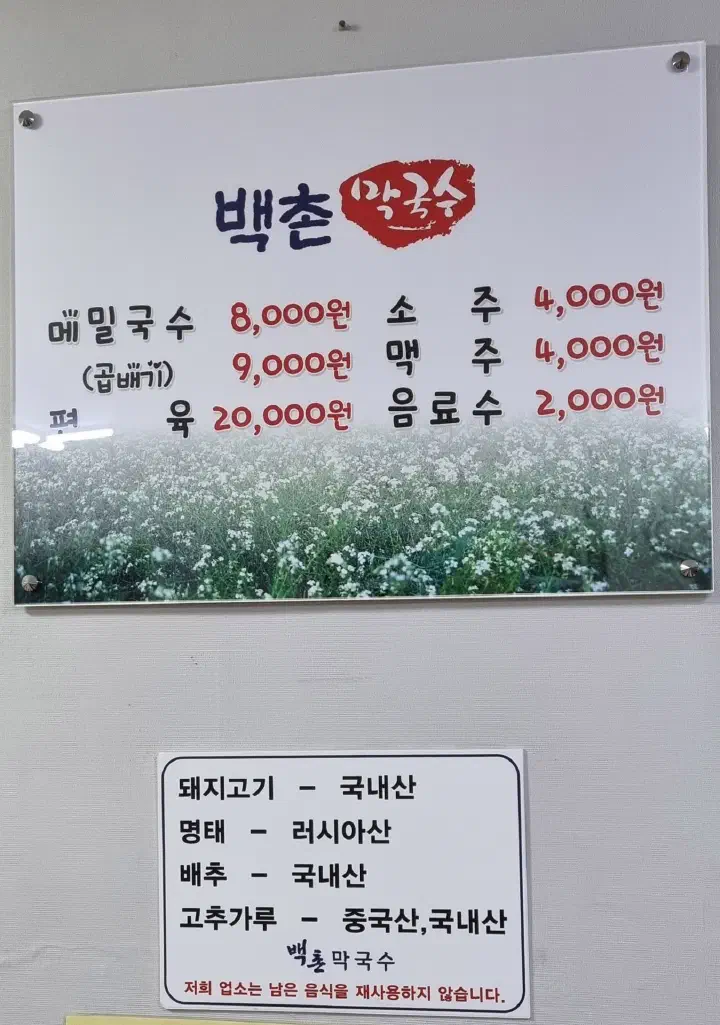
메뉴는 메밀국수 13,000원, 곱배기 15,000원이에요.
편육은 소 25,000원, 대 35,000원이고요.
소주와 맥주가 각 4,000원, 음료수가 2,000원이에요.
가격은 한 차례 올랐습니다. 얼마 전까지는 메밀국수가 12,000원, 편육 대가 30,000원이었어요.
결제는 카드가 됩니다.
포장은 안 돼요. 매장에서 먹는 것만 가능해요.
웨이팅은 어느 정도
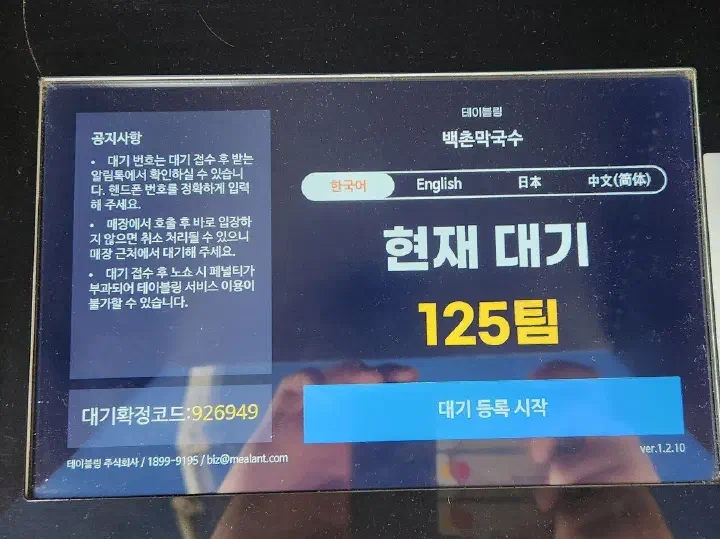
평일과 주말의 차이가 아주 큽니다.
평일 이른 시간이면 대기 30팀 안팎, 30-40분 정도로 끝나는 편이에요.
비수기 평일 오전 11시쯤엔 그대로 들어가는 날도 있고요.
다만 그 시간이 지나면 평일에도 30팀은 금방 채워집니다.
문제는 주말과 여름 성수기예요.
10시 정각에 원격으로 줄을 걸어도 30번대에서 시작하고, 10-20분만 늦으면 100번대, 200번대로 넘어갑니다.
이 정도 번호면 오후 서너 시 입장이라고 보면 돼요.
회전은 시간당 30-50팀 정도예요.
시간대에 따라 차이가 큰 건 단체 손님이 몰리는 때가 있어서고요.
계산할 때는 30팀에 한 시간으로 잡아두면 크게 어긋나지 않습니다.
면 요리니까 빨리 빠질 것 같지만 실제로는 그렇지 않아요.
주문을 한꺼번에 받아 한꺼번에 내는 방식이라, 자리에 앉고도 15분 안팎을 더 기다리게 되고요.
대신 먹는 건 금방이에요.
앉아서 나올 때까지 30분이면 넉넉한 편이에요.
여기에 브레이크타임이 한 번 끼어듭니다.
13:55부터 14:10까지는 입장이 멈춰요.
안이 텅 비어 보이는데도 줄이 움직이지 않는 시간이 이때입니다.
청소가 끝나면 다시 빠르게 들여보내니까, 이 시간에 걸렸다면 20분 정도 더 잡으면 돼요.
테이블링 원격 줄서기
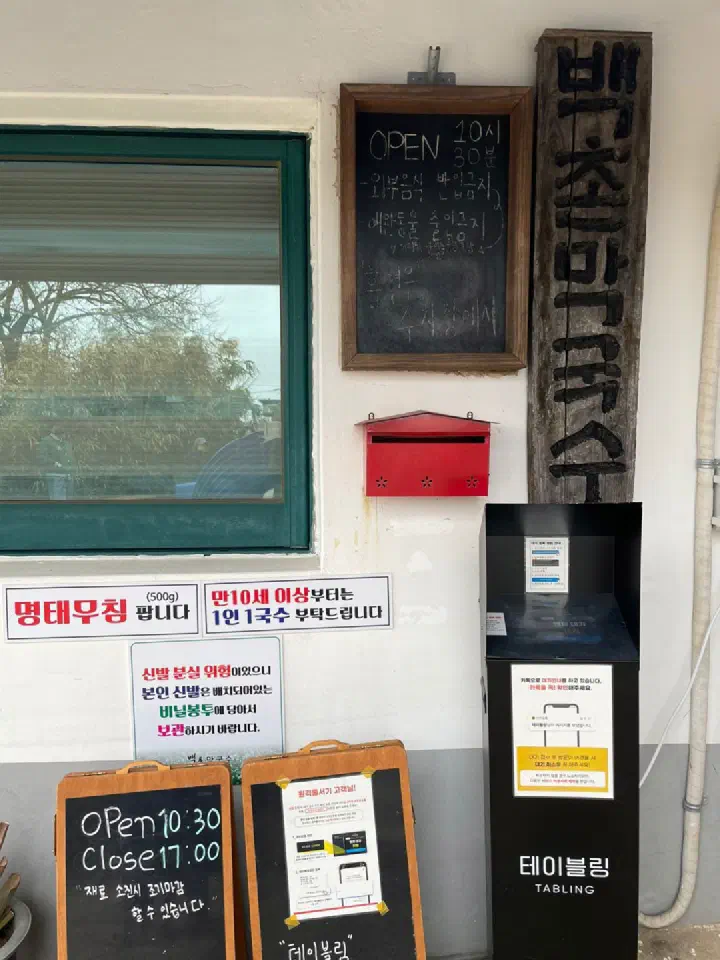
대기는 테이블링 앱으로 겁니다.
매장 앞 태블릿으로 현장 등록도 되지만, 그건 이미 도착한 사람용이에요.
멀리서 출발한다면 앱으로 미리 거는 쪽이 훨씬 낫습니다.
접수는 오픈 시간인 오전 10시에 열려요.
앱은 전날 미리 깔아두는 게 좋아요.
가입만 해두면 안 되고 이메일 인증까지 끝내둬야 하는데, 10시에 그걸 하고 있으면 몇 분 사이에 번호가 수십 번씩 밀립니다.
이 집에서 꼭 알아둬야 할 규칙이 두 가지 있습니다.
첫 번째, 순서 미루기가 안 돼요.
다른 가게처럼 뒤로 한 팀 미루기를 눌러 시간을 벌 수 없습니다.
차례가 왔는데 도착하지 못하면 그대로 취소예요.
두 번째, 현장에 도착해서 대기확정코드를 입력하거나 위치 인증을 해야 합니다.
앱으로 번호만 받아두고 인증을 안 하면 순서가 와도 들어갈 수 없어요.
이 단계를 모르고 갔다가 뒤에 등록한 사람이 먼저 들어가는 걸 지켜보게 되는 경우가 꽤 있습니다.
호출 후에는 시간이 아주 짧아요.
안내를 받고 1분 안에 도착하지 못하면 자동으로 취소되는 방식이라, 순서가 임박했다면 가게 앞에 붙어 있는 편이 안전합니다.
웨이팅 적은 시간대
정공법은 10시 정각 접수예요.
알람을 맞춰두고 오픈 시간에 바로 걸면 30번대를 받을 수 있어요.
30번대면 대략 한 시간 안쪽입니다.
다만 번호가 너무 빨라도 곤란한 상황이 생겨요.
숙소가 멀면 도착 전에 차례가 지나가 버리거든요.
이동 시간이 안 맞겠다 싶으면 한 번 취소하고 다시 걸어 순번을 뒤로 미는 방법을 쓰는 사람이 많습니다.
일행이 있다면 시간차를 두고 각자 등록해두었다가, 도착 시간에 맞는 번호만 남기고 나머지를 취소하는 방식도 있고요.
번호를 받고 나면 근처에서 시간을 보내는 게 낫습니다.
가게 주변엔 상점이 거의 없고 앉을 자리도 넉넉하지 않아요.
교암해수욕장이 바로 옆이고, 고성 8경 중 하나인 천학정도 차로 몇 분 거리예요.
하늬라벤더팜이나 백도해수욕장까지 다녀와도 시간이 남는 날이 많습니다.
앞에 30팀쯤 남았을 때 출발하면 얼추 맞아요.
반대로 번호가 100번대를 넘어갔다면 계획을 바꾸는 것도 방법이에요.
차로 1분 거리에 교암막국수가 있고, 고성엔 막국수집이 여러 곳 있습니다.
막국수를 먹는 게 목적이라면 대안이 없지 않은 동네예요.
주차 꿀팁
가게 앞에도 주차 자리가 있지만 아주 협소해요.
진입로 입구에 고깔이 세워져 있으면 위쪽이 만차라는 뜻이에요.
그럴 땐 그대로 올라가지 말고 아래 주차장을 이용하면 됩니다.
제2주차장은 토성농협 하나로마트 맞은편 공터예요.
매장에서 200m 정도, 걸어서 1-3분 거리고요.
이쪽이 훨씬 넓어서 대부분 여기에 세웁니다.
성수기 주말엔 이 주차장도 차는 편이에요.
주차 안내를 도와주는 분이 골목 초입에 서 있어서 길을 헤맬 일은 없어요.
메뉴와 주문 요령
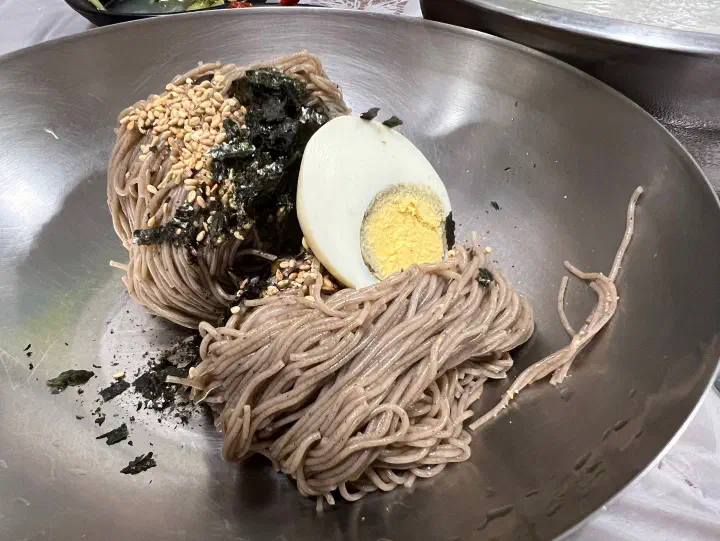
메뉴는 메밀국수와 편육 둘뿐이에요.
물막국수, 비빔막국수를 따로 고르지 않아요.
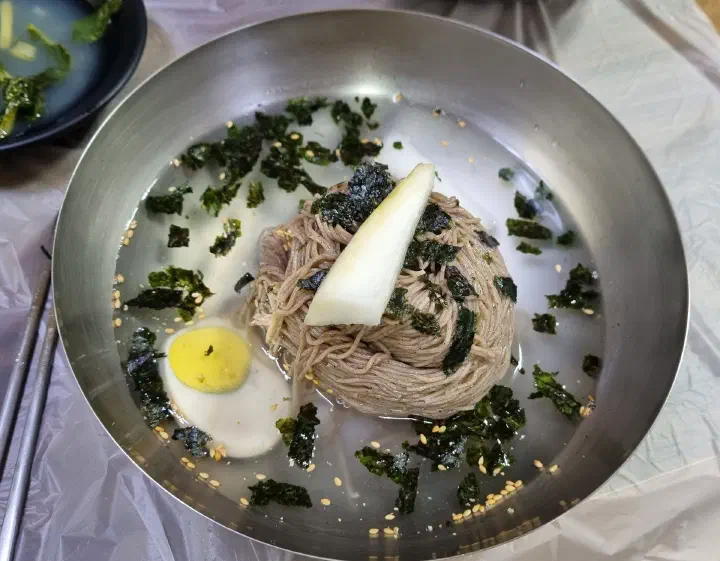
면과 동치미 국물이 따로 나와서 취향껏 만들어 먹는 방식입니다.
주문할 때 알아둘 게 두 가지 있어요.
만 10세 이상은 1인 1국수가 원칙이에요.
그리고 첫 주문 이후로는 추가 주문이 안 됩니다.
면 하나 더, 편육 하나 더가 안 되니까 처음에 다 시켜야 해요.
양은 적은 편이에요.
보통을 시키면 세 젓가락에 끝나요.
곱배기도 보통의 두 배는 아니고 1.5배쯤이고요.
평소 잘 드시는 편이면 처음부터 곱배기로 가는 게 낫습니다.
편육은 인원 대비 양을 잘 봐야 해요.
2인이면 소 25,000원으로 충분하고, 3-4인이면 대 35,000원을 시켜야 섭섭하지 않아요.
6인 이상이면 대 하나로는 부족한 정도예요.
편육의 가격 대비 양은 이 집에서 말이 가장 많은 부분이기도 합니다.
막국수 먹는 순서
이 집엔 먹는 법 안내문이 없어요.
테이블에 들기름, 설탕, 식초가 놓여 있고 겨자와 양념장, 다대기가 따로 나오는데, 무엇부터 넣어야 하는지는 아무 데도 안 적혀 있습니다.
그래서 처음 온 사람들이 가장 헤매는 지점이고요.
순서를 잡자면 이렇게 하는 게 무난해요.
면이 나오면 먼저 들기름을 두 바퀴쯤 두르고 그대로 비벼서 몇 젓가락 먹어봐요.
고소한 향이 가장 잘 올라오는 게 이때예요.
그다음 동치미 국물을 두 국자 부어 물막국수로 바꿔 먹고요.
남은 반은 양념장과 명태회무침을 얹어 비빔으로 마무리하면 세 가지 맛을 다 볼 수 있어요.
설탕과 식초는 취향껏이에요.
강원도식으로 설탕 한 스푼을 넣는 사람도 있고, 넣지 않는 게 낫다는 사람도 있습니다.
겨자는 편육 찍어 먹을 때 새우젓, 양념장과 섞어 쓰면 잘 어울려요.
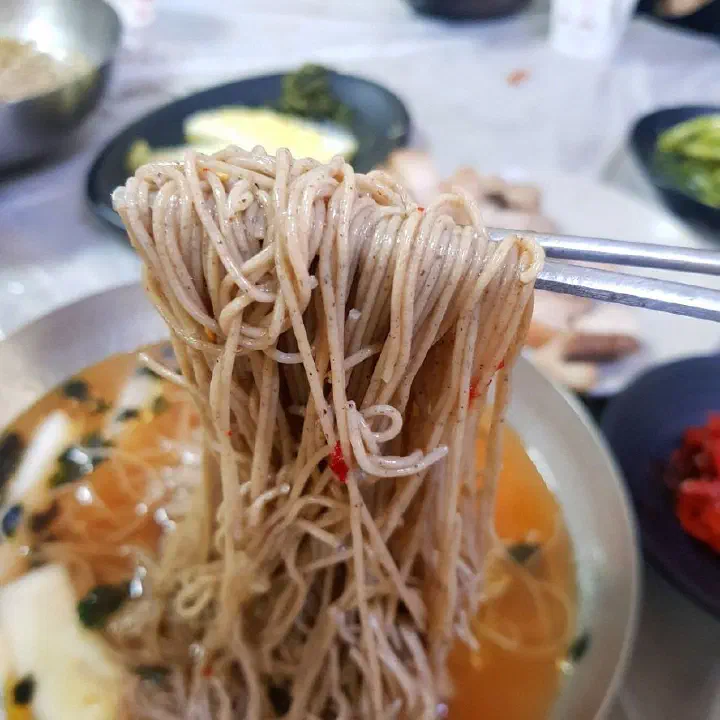
면은 아주 가늘어요.
메밀 함량이 높아 쫄깃하다기보다 툭툭 끊어지는 식감이고, 씹을수록 구수한 맛이 올라옵니다.
막국수 특유의 두꺼운 면발이 부담스러웠던 사람이라면 여기 면이 잘 맞을 거예요.
반대로 씹는 맛을 좋아하면 아쉬울 수 있는 굵기고요.
면 굵기는 시기에 따라 조금씩 달라지는 편이라, 예전보다 얇아졌다고 말하는 사람도 있습니다.
동치미 국물은 이 집을 이야기할 때 빠지지 않는 부분이에요.
양푼째 나오고 리필도 돼요.
새콤한 쪽이 강하고 단맛도 제법 있어요.
감칠맛이 도는 게 황태 육수를 쓴 것 같은 맛이고요.
날이 더우면 살얼음이 없는 날도 있습니다.
텀블러에 담아 가고 싶어지는 국물인데, 반대로 사이다 같다거나 간이 세다고 느끼는 사람도 있어요.
이 국물이 입에 맞는지가 이 집 평가를 거의 좌우합니다.
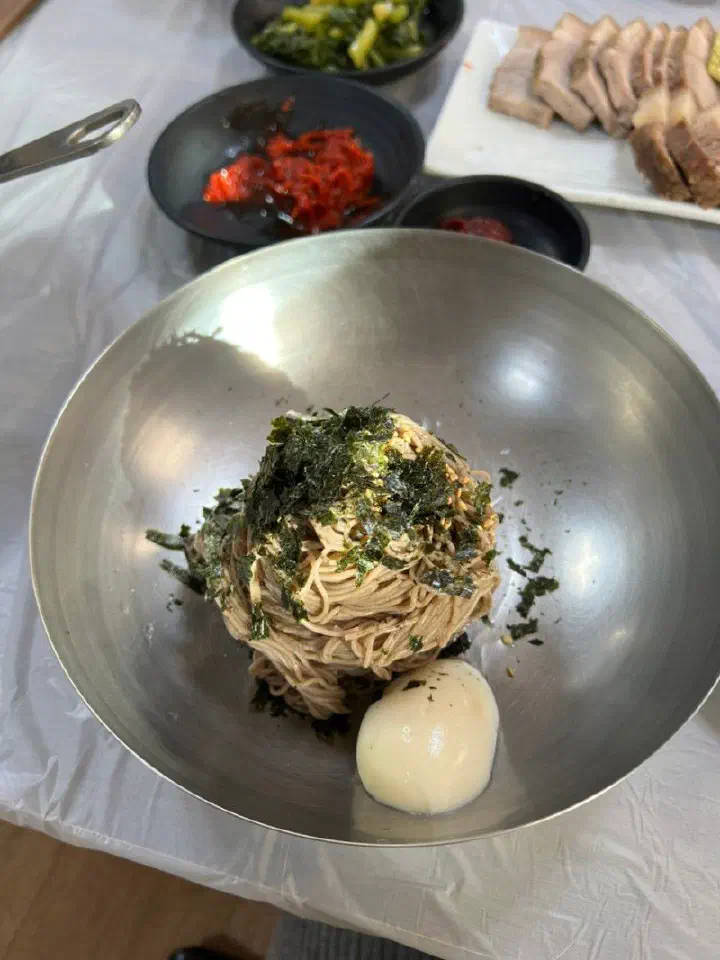
편육과 명태회무침
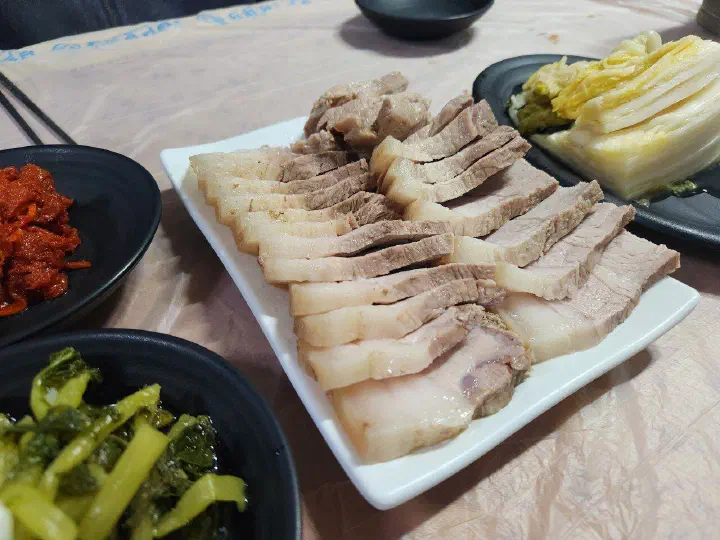
편육은 국수보다 먼저 나와요.
차게 눌러 썬 편육이라기보다 따끈한 수육에 가깝습니다.
잡내가 없고 부드럽게 삶겼어요.
비계가 붙은 부분도 느끼하지 않고요.
다만 두툼하게 썰려 나오고 부위에 따라 퍽퍽할 때가 있어요.
앞다리인지 뒷다리인지 묻는 사람이 많은 것도 그래서예요.
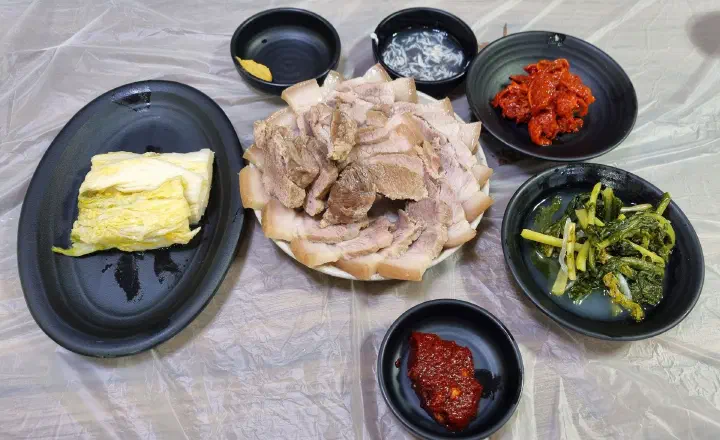
숨은 주인공은 명태회무침이에요.
매콤달콤한데 맵지 않고, 명태가 부드럽게 씹혀요.
편육에 얹어 백김치로 싸 먹어도 좋고, 막국수에 넣어 비벼도 잘 어울립니다.
반찬은 리필이 되는데 셀프바가 따로 없어요.
빈 그릇을 들고 주방 앞으로 가서 부탁드리는 방식이에요.
주방 근처가 좁아서 손님이 많은 시간엔 오가기가 조금 번거로운 편이에요.
백김치와 열무김치도 좋아요.
고춧가루를 안 쓴 깔끔한 김치라 슴슴하게 계속 넘어가요.
따로 팔면 사가고 싶어지는 김치고요.
명태회무침도 따로 사갈 수 있는데, 주문이 몰리면서 물량이 없는 날이 많습니다.
좌식과 화장실
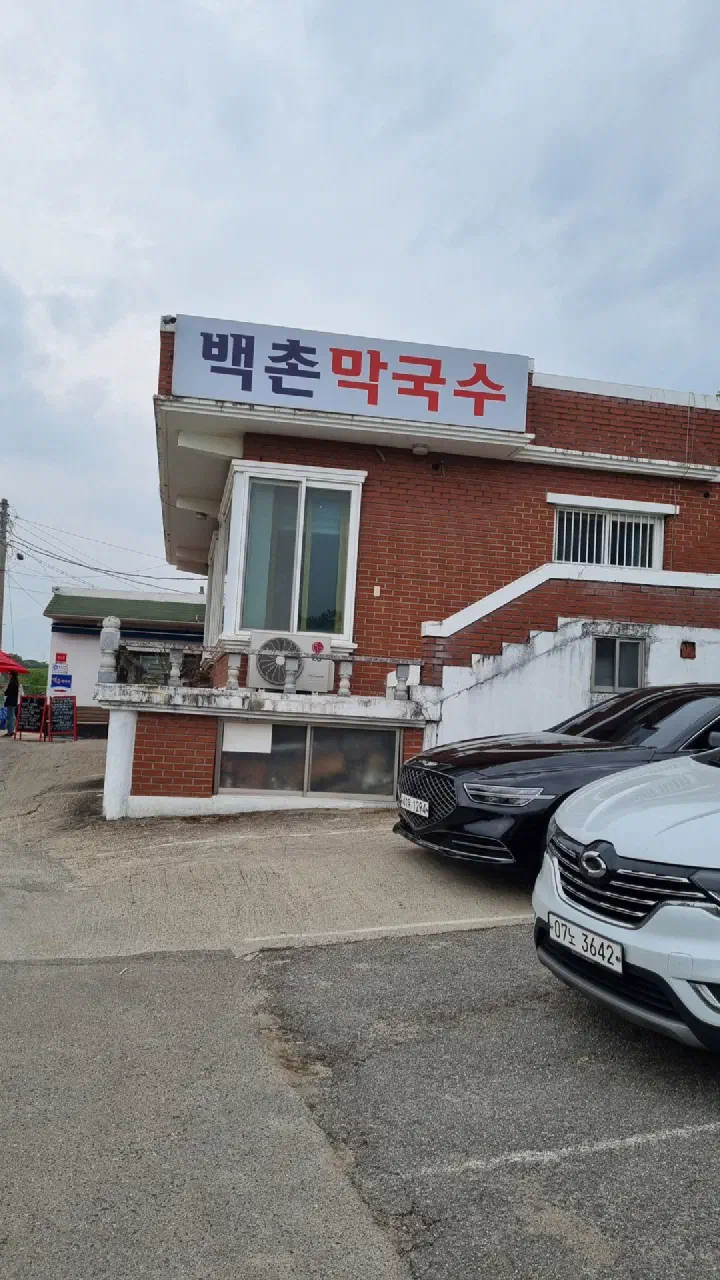
가정집을 개조한 식당이에요.
작은 마을의 1층 주택을 그대로 쓰고 있어서, 들어가면 시골 할머니 댁에 온 느낌이 납니다.
신발을 벗고 올라가는 좌식이고, 장판 위에 테이블이 15개쯤 놓여 있어요.
무릎이 불편하면 앉아 있기 힘든 구조예요.
테이블 간격도 좁아서 옆자리 대화가 그대로 들리고요.
아기의자는 없어요.
대신 좌식이라 아이를 앉혀두고 먹기엔 오히려 낫다는 사람도 있습니다.
동치미 막국수 자체가 자극적이지 않아서 아이들도 곧잘 먹는 편이에요.
화장실은 건물 밖에 있어요.
남녀 구분이 없고 시설도 낡았어요.
이 집에서 가장 아쉬운 곳이에요.
자리에 앉기 전에 미리 다녀오는 편이 나아요.
여름엔 실내가 꽤 더워요.
에어컨이 멀리 있어서 자리에 따라 바람이 거의 안 오는 곳이 있습니다.
대기 공간도 그늘과 간이 의자가 있긴 하지만 인원 대비 넉넉하지 않아요.
한여름에 간다면 양산이나 모자를 챙기는 게 좋고요.
차에서 기다리는 사람이 많은 것도 이 때문이에요.
가게 내부 사진 촬영은 자제해달라는 안내문이 붙어 있어요.
음식 사진 정도만 찍는 게 좋습니다.
호불호가 나눠지는 지점
평점부터가 다릅니다.
네이버 4.38, 카카오 3.8이에요.
이만한 차이가 나는 데는 이유가 세 가지예요.
첫 번째는 양과 가격이에요.
메밀국수 13,000원에 삶은 계란은 4분의 1쪽이 들어가요.
계란 한쪽 정도는 넣어줘도 되지 않느냐는 말이 나오는 부분이고요.
편육도 35,000원짜리 대자가 생각보다 작습니다.
2인이 국수 둘에 편육 소를 시키면 51,000원, 4인 가족이면 9만 원을 넘어가요.
두 번째는 웨이팅 대비 기대치예요.
30분에서 한 시간이면 기다릴 만해요.
그런데 서너 시간을 기다리고 나면 계산이 달라집니다.
슴슴한 쪽에 가까운 맛이라 첫 젓가락에 감탄이 나오는 종류가 아니에요.
그 시간을 들여 온 사람에게는 밋밋하게 느껴질 수 있어요.
세 번째는 응대와 시설이에요.
손님이 워낙 많아 응대가 사무적인 편이에요.
불친절하다기보다 여유가 없는 쪽에 가깝고요.
낡은 화장실, 좁은 좌식, 여름 더위가 여기에 겹치면 인상이 나빠집니다.
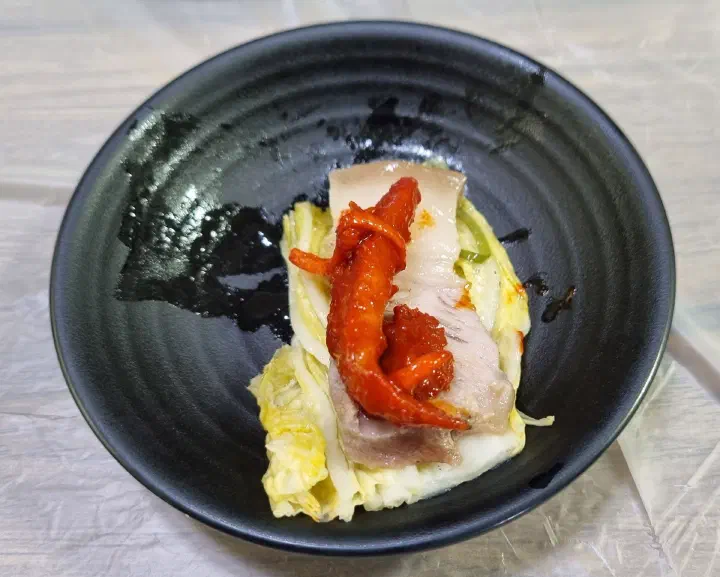
반대로 이 집을 계속 찾는 사람들의 이유도 분명해요.
동치미 국물과 가는 면, 그리고 명태회무침이에요.
처음엔 별맛 아닌 것 같다가 먹을수록 끌려요.
다른 데서 막국수를 먹을 때마다 여기가 떠오른다는 사람도 많고요.
SBS 생방송투데이에도 소개된 적이 있고, 고성 3대 막국수로 꼽히기도 해요.
지금은 방송보다 검색으로 찾아오는 사람이 훨씬 많은 집이지만요.
정리하면
기다린 시간에 따라 평가가 달라지는 집이에요.
한 시간 안쪽이면 충분히 갈 만해요.
가는 메밀면과 동치미 국물의 조합은 다른 데서 대체하기 어렵고, 편육에 명태회무침을 얹어 먹는 맛도 좋아요.
세 시간 이상 기다려야 하는 상황이라면 한 번 더 생각해보는 게 좋습니다.
자극이 강한 맛이 아니라서, 기다림에 비례하는 감동을 기대하면 실망하기 쉬워요.
그럴 땐 다음 날 오전으로 미루거나 근처 다른 막국수집으로 돌리는 편이 낫고요.
정리하자면 이런 사람에게 맞는 집이에요.
슴슴하고 시원한 막국수를 좋아하고, 아침에 일어나자마자 테이블링을 걸어둘 준비가 된 사람.
좌식과 낡은 화장실을 감수할 수 있는 사람.
고성이나 속초 일정 중에 자연스럽게 넣을 수 있다면 더 좋고요.
이 집 하나만 보고 고성까지 가는 건, 사람에 따라 아깝게 느껴질 수 있는 선택인 셈.
찾아가는 길
강원 고성군 토성면 백촌1길 10, 교암해수욕장에서 가까운 작은 마을 안쪽이에요.
속초 시내에서 차로 25분 정도 걸립니다.
마을 골목이 좁아서 큰길에서 안내를 따라 들어가면 편해요.