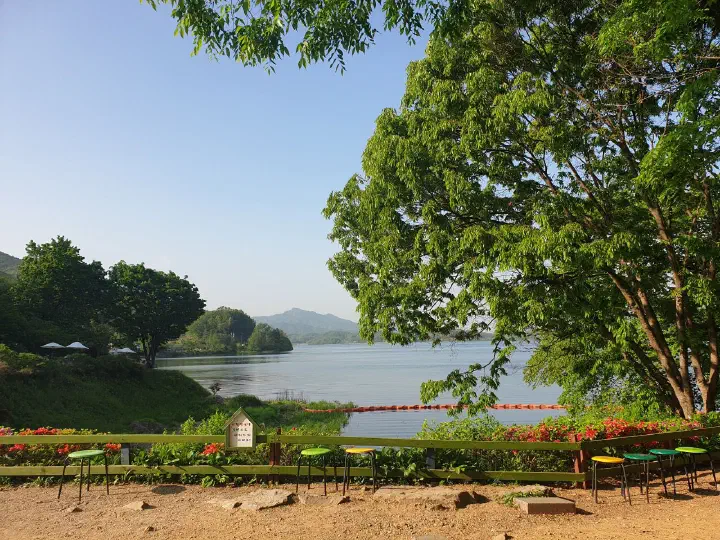
This is a place that cooks almost everything from acorns, sitting right above Paldang Lake.
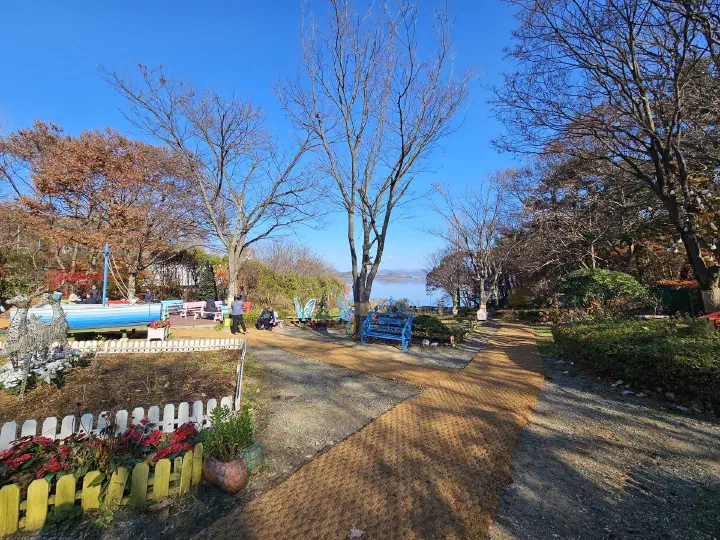
The garden and the water greet you before the food does, so it feels less like a quick lunch stop and more like a half-day outing.

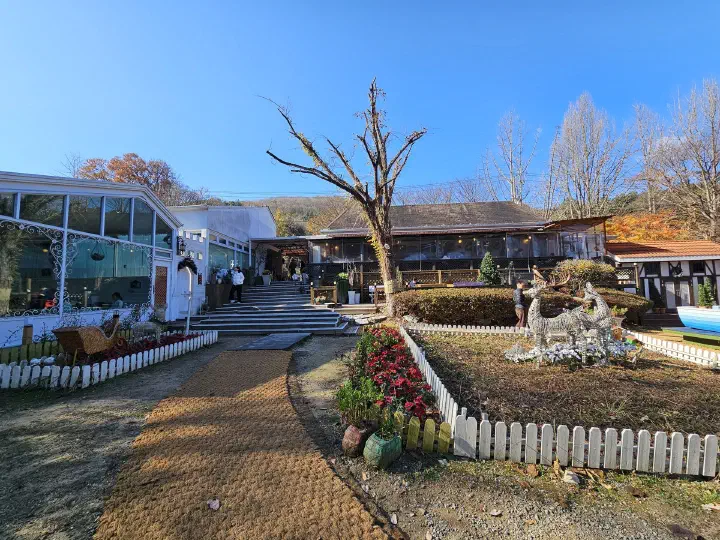
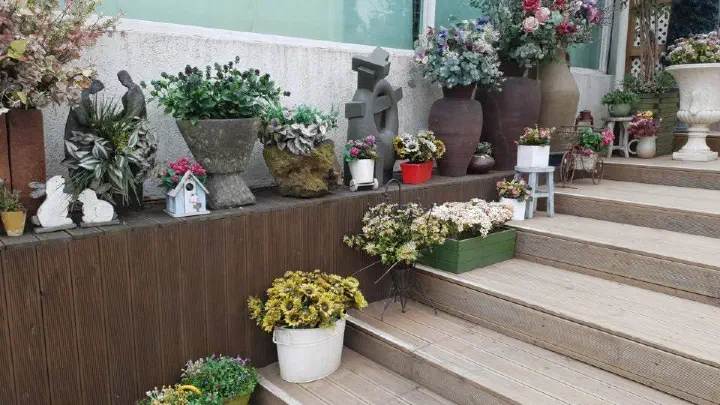
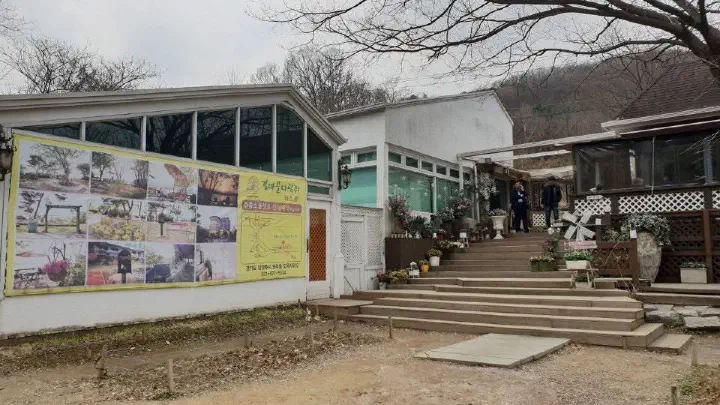
The entrance feels like stepping into a little garden cafe.

Who it suits
This is a sharing-table kind of restaurant rather than a solo-diner spot.
The acorn crepe rolls and the big seafood pancake are made to be split, so it shines for family meals with parents or older relatives.
The crowd skews older - lots of guests in their 50s and 60s - while younger couples tend to drop by on a Paldang drive.
The food is mild and not greasy, so it works fine with kids, and there are high chairs and baby tableware.
One small heads-up: the jeonbyeong (전병) and the bibim-guksu (비빔국수) carry a light chili kick. It’s mild by Korean standards, but if you rarely eat spicy food, go in aware.
Getting there and the wait
You drive past Misari toward Toechon, and after Paldang Dam the sign appears on the roadside.
It’s about 25 minutes by car from Gwangju Station, and it falls naturally onto the popular Paldang drive route.
If you don’t have a car, this spot is genuinely hard to reach by public transit, so a rental car or a Kakao T taxi is the realistic option. One more tip for travelers: Google Maps is unreliable for walking and transit directions in Korea, so use Naver Map or KakaoMap instead.

The waiting is the one thing everyone mentions.
On weekend and holiday lunch peaks (roughly 11:30 to 1:30) an hour or two of waiting is normal.
Tables turn over quickly though, so weekdays or the quiet 3-5 pm window can get you seated right away.
The reservation system has changed over the years.
It used to be a kiosk and a paper list at the door; now you join the line remotely through the Tablling app before you even arrive.
After you get there, you must enter the confirmation code, or you lose your spot. They don’t take phone reservations, so plan around the app.
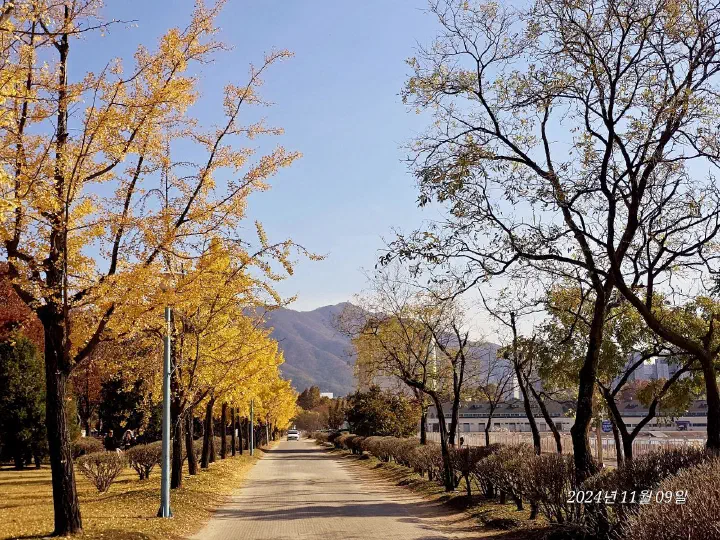
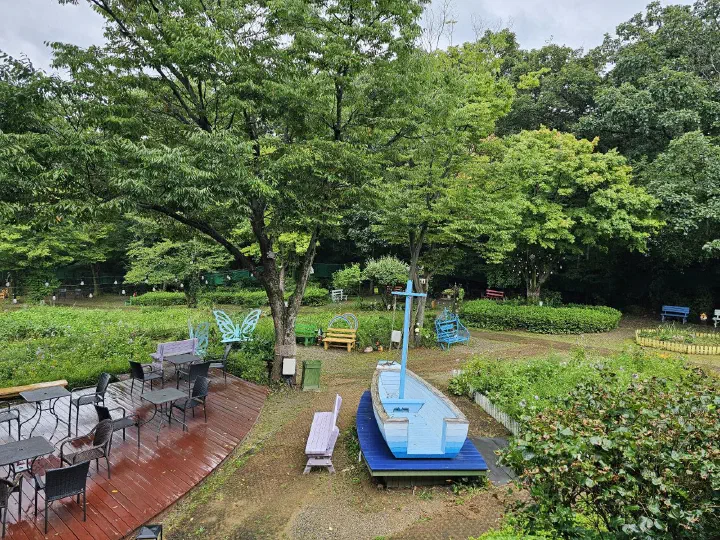
The wait is also easier here than at most places, because the riverside garden and walking path are lovely enough that the queue turns into a stroll.
On rainy or cold days there’s a cafe-like indoor waiting room with phone charging.


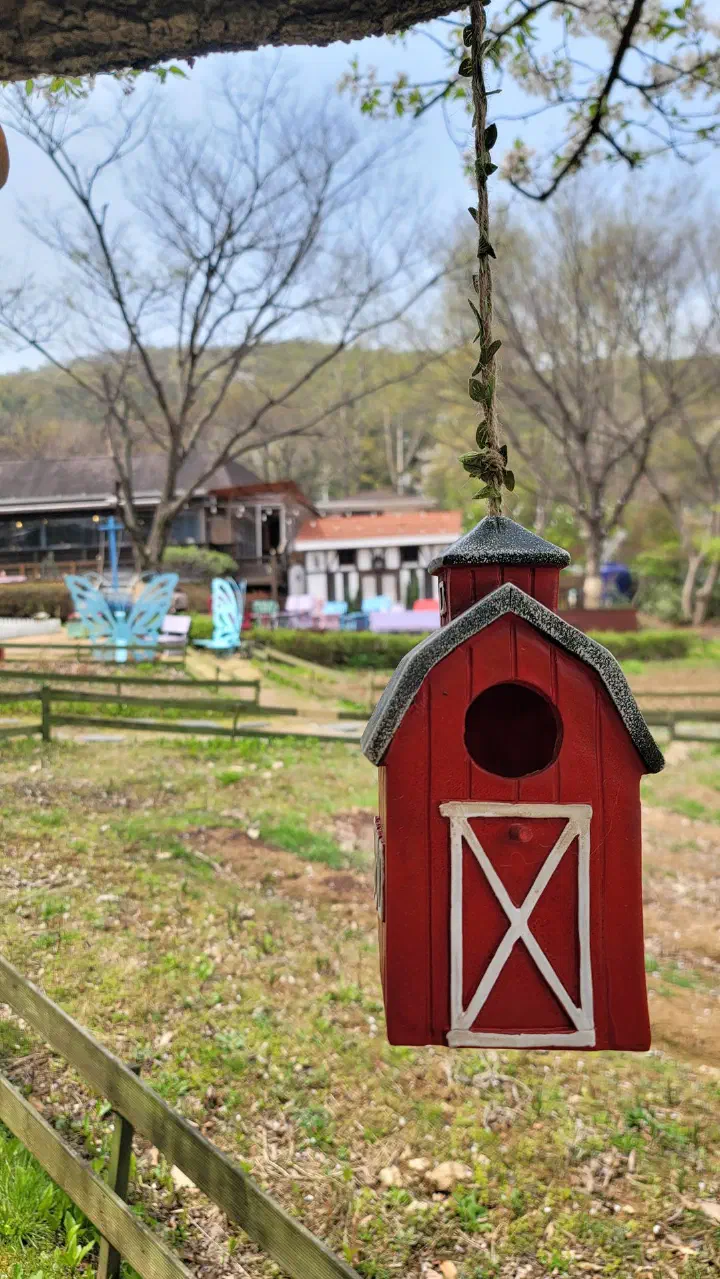
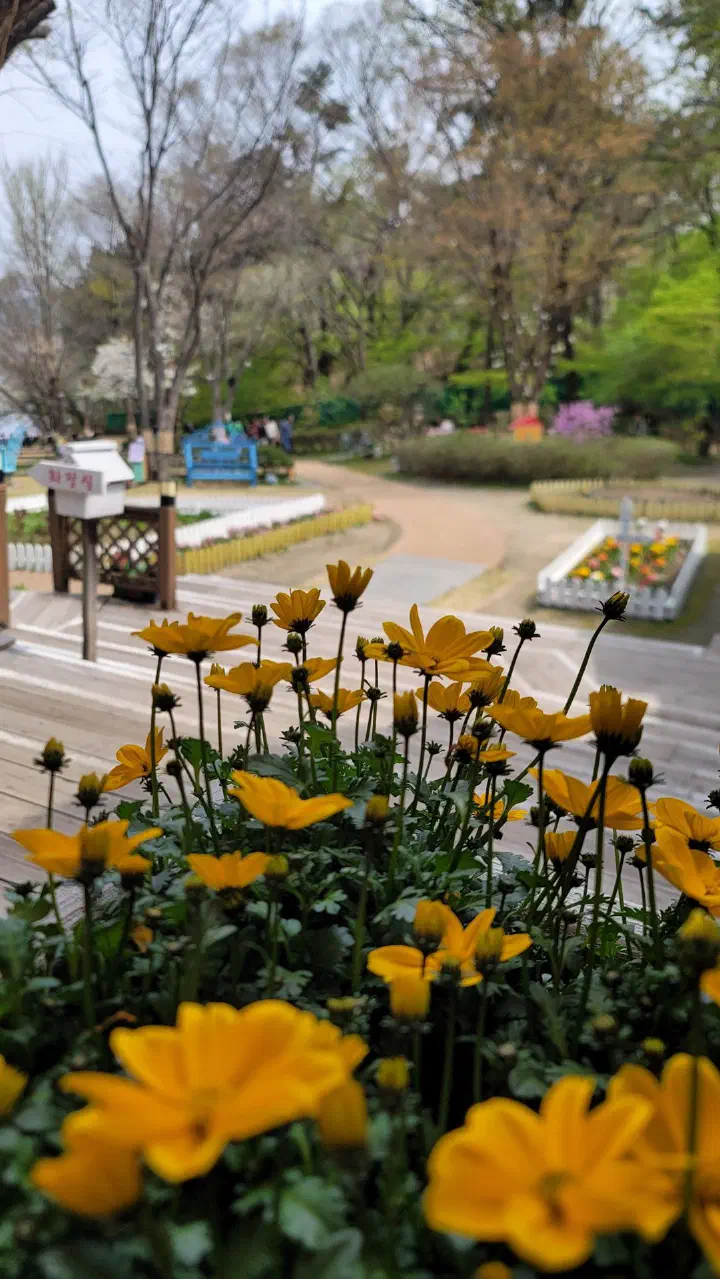
There are photo spots dotted around the garden, so the wait passes easily.

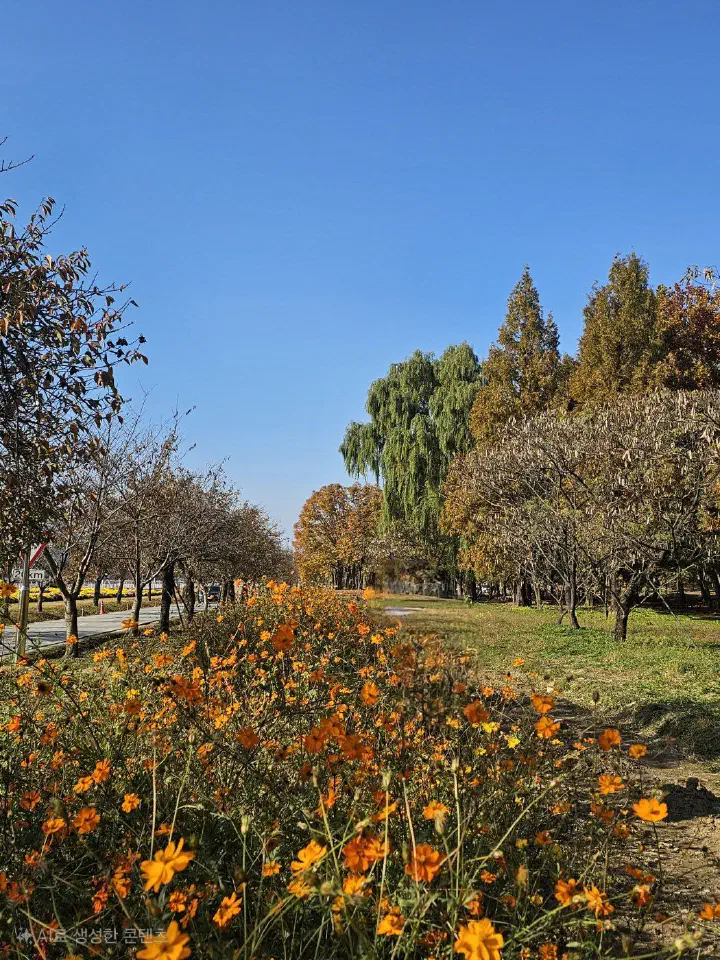
Spring fills the garden with flower beds, autumn with foliage.


The dishes
Everything is acorn-based - pancakes, crepe rolls, jelly, noodles, rice bowls. Here are the ones worth your order.
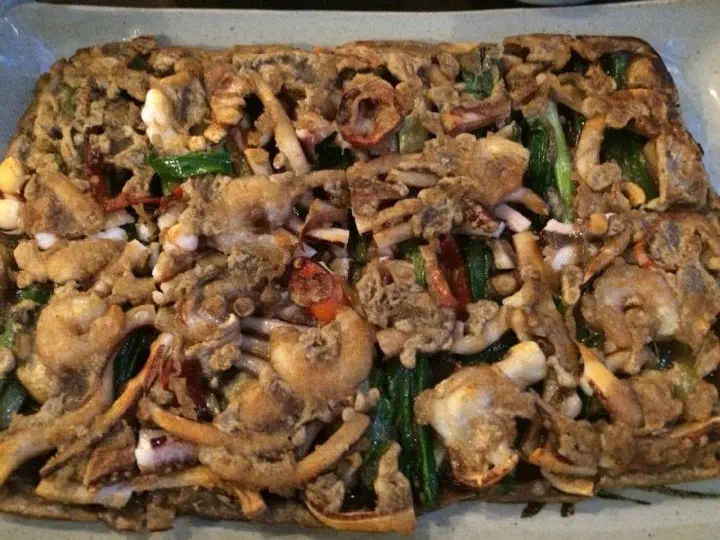
Dotori haemul pajeon (도토리해물파전) - the signature
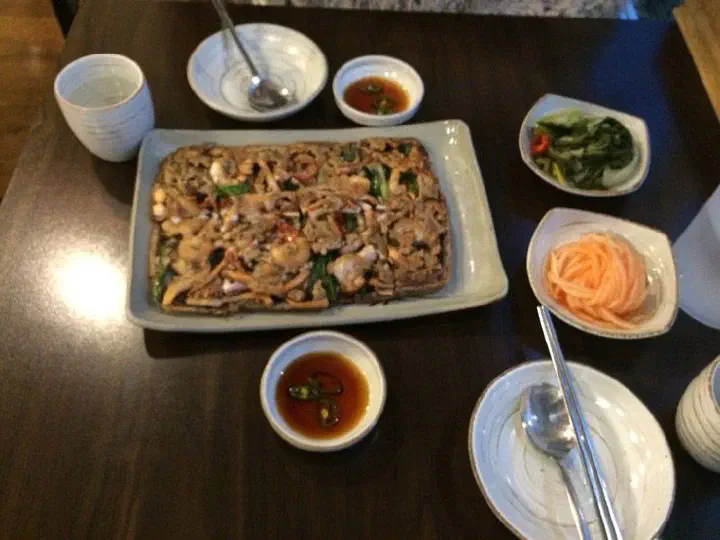
If you order one thing, make it the seafood pancake.
The acorn batter makes it far chewier than a regular pajeon, and it’s seriously thick.

Squid and shrimp pile up almost more than the batter, crisp outside, soft inside.
The honest downside is the price - 28,000 won.
But given the size and the amount of seafood, it makes sense as a shared “do it properly” dish rather than a budget pick.
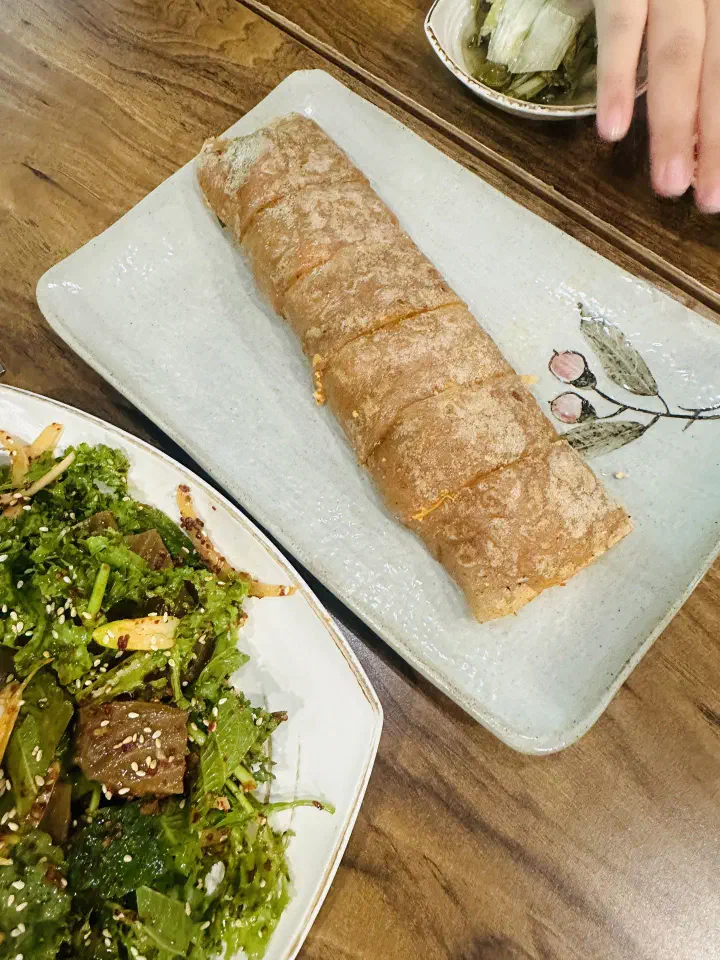
Dotori jeonbyeong (도토리전병)
The crepe rolls come long and plump, with a chewy acorn skin wrapped around a tofu-and-kimchi filling.

There’s a gentle heat to them, so they balance nicely against the cold noodle soups.
Some find the portion small for 18,000 won. They reheat well in a pan, which is why a lot of people take leftovers home.
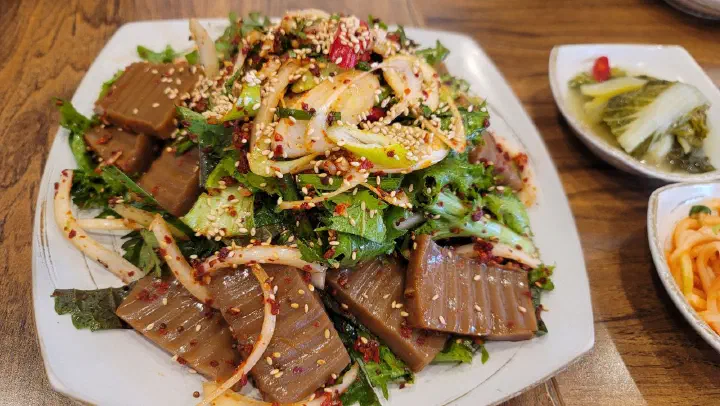
Dotori muk muchim (도토리묵무침) - the quiet favorite
The seasoned acorn jelly is full of perilla aroma, not over-dressed, with springy jelly and plenty of crunchy vegetables.

It gets overshadowed by the pancake and the rolls, but people keep ordering it because the table feels empty without it. It pairs especially well with the house rice wine.
Muksabal and mukbap (묵사발 / 묵밥)
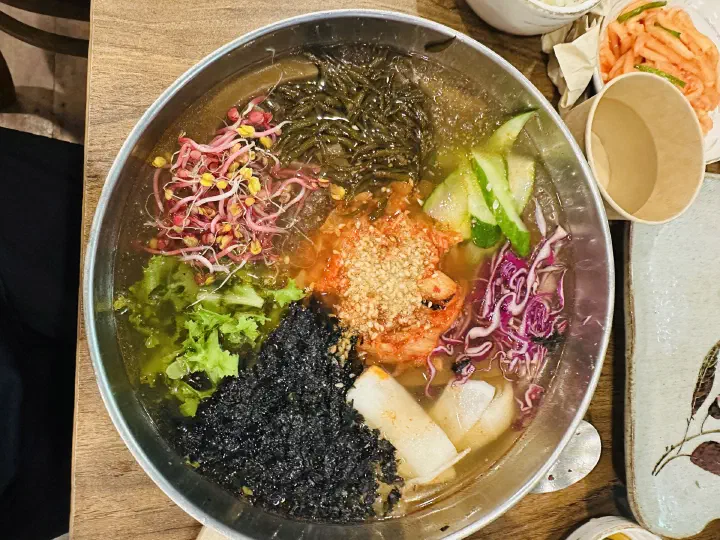
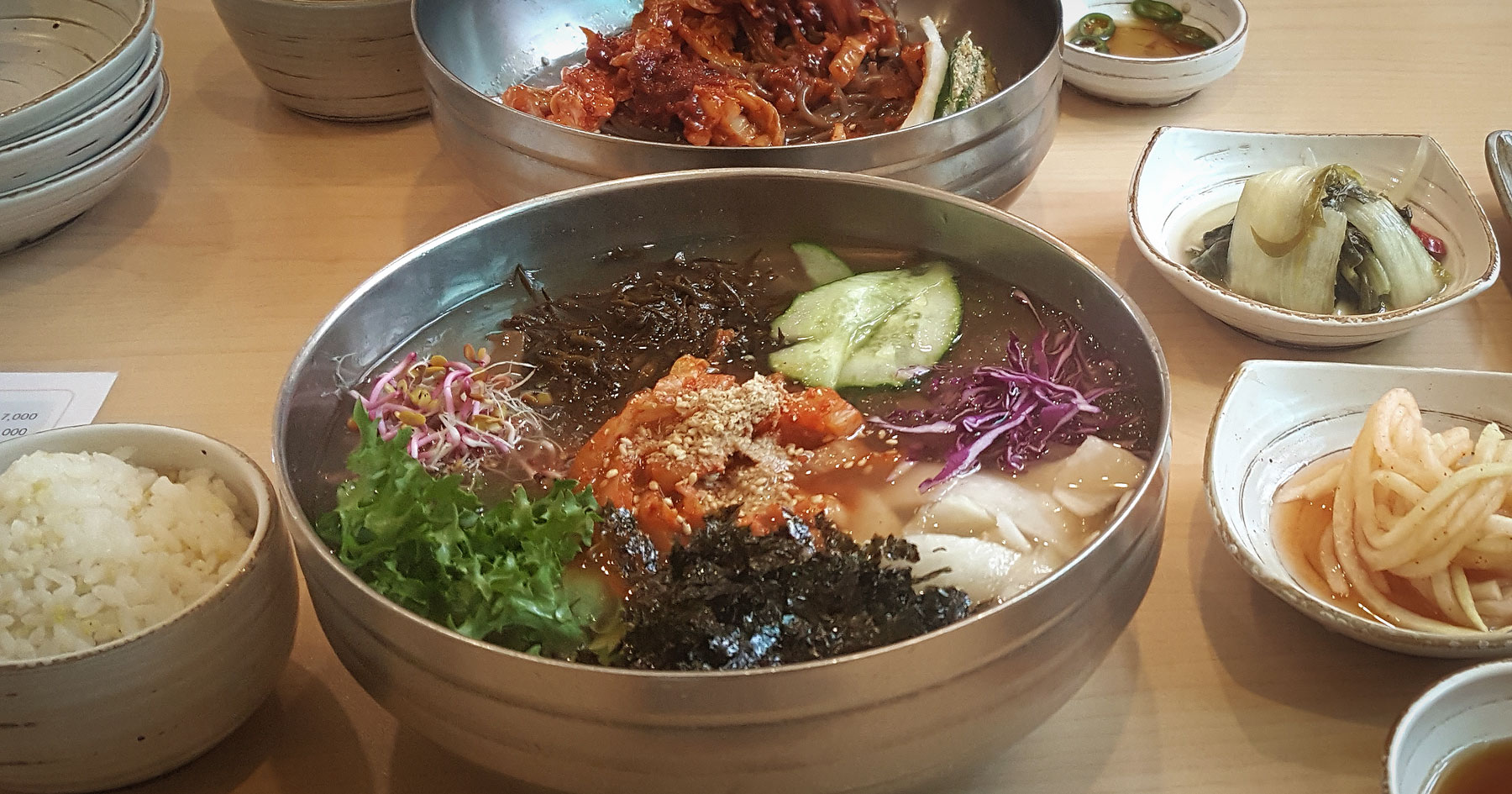
The cold muksabal floats acorn jelly in a tangy, slightly icy broth - easy to slurp on a hot day, with rice to finish in the leftover broth.

In winter the warm mukbap takes over; scoop the jelly with the seaweed flakes and it’s gentle and comforting.

Opinions split here: a few feel the cold soup isn’t as icy as expected, and some simply prefer the cold versions over the warm one. If you want refreshing, the cold side is the safer bet.
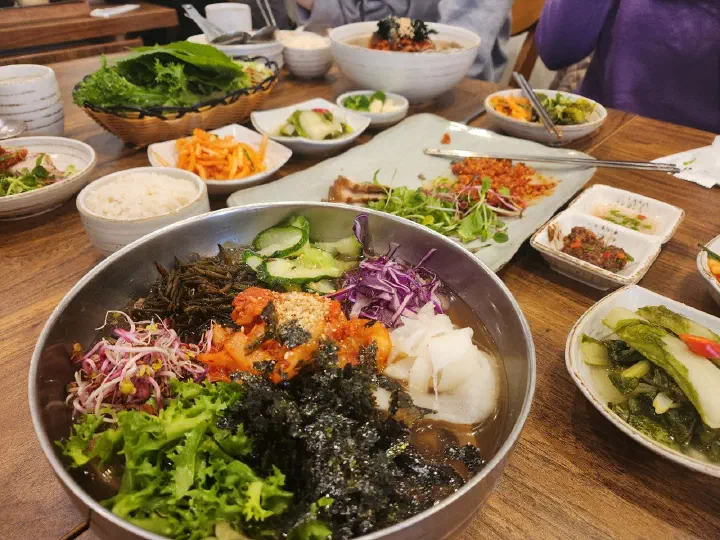
Sprout bibimbap (도토리묵채새싹비빔밥)
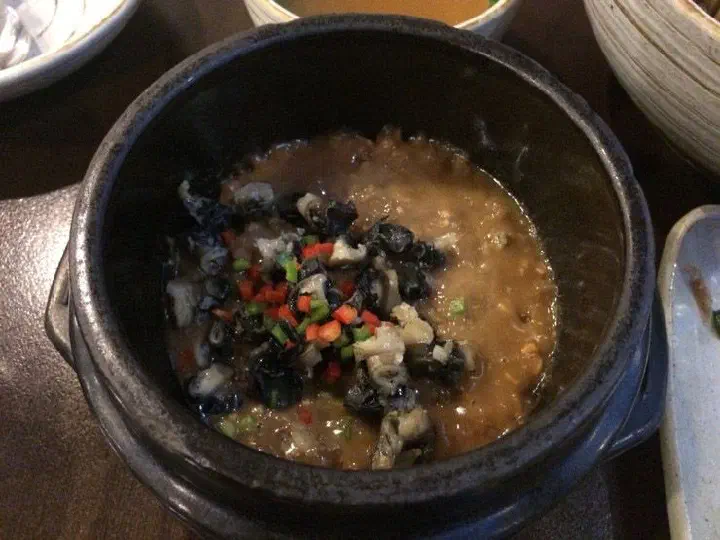
This bowl is mixed with a savory doenjang (soybean paste) that holds tiny river snails, not the usual red gochujang.
It’s mild enough to use all of it, and the sprouts and vegetables stay crisp.

There’s so much vegetable that locals joke the rice is for two but the greens are for four.
Deulkkae kalguksu and noodles
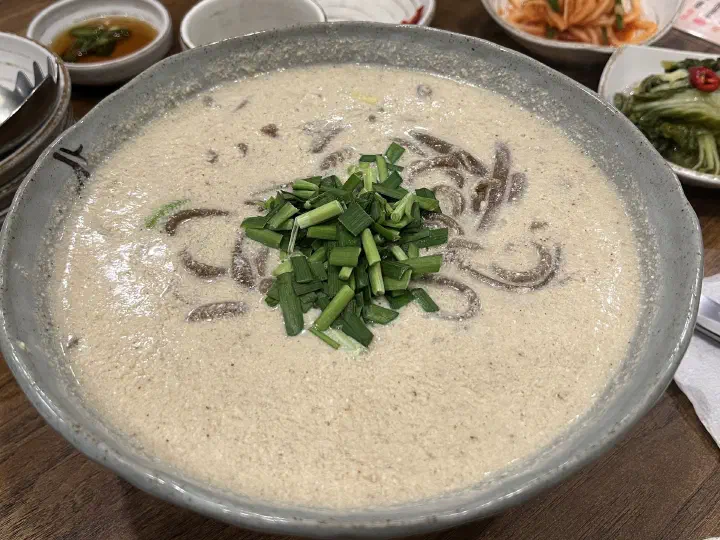
The perilla acorn noodle soup pairs a rich, nutty broth with dark, chewy acorn noodles - hearty and almost like a mushroom soup.
Note it’s sold from two servings, so it’s 28,000 won, which is a bit limiting if you’re a small group hoping to sample widely.

The cold mul-guksu uses acorn buckwheat noodles in a clean broth with a faint medicinal-herb note.
The bibim-guksu is sweet-spicy with stir-fried kimchi mixed in, and that kimchi is the love-it-or-not detail. Want clean, go mul-guksu; want sweet-tangy, go bibim.

Hanbang suyuk and the salad
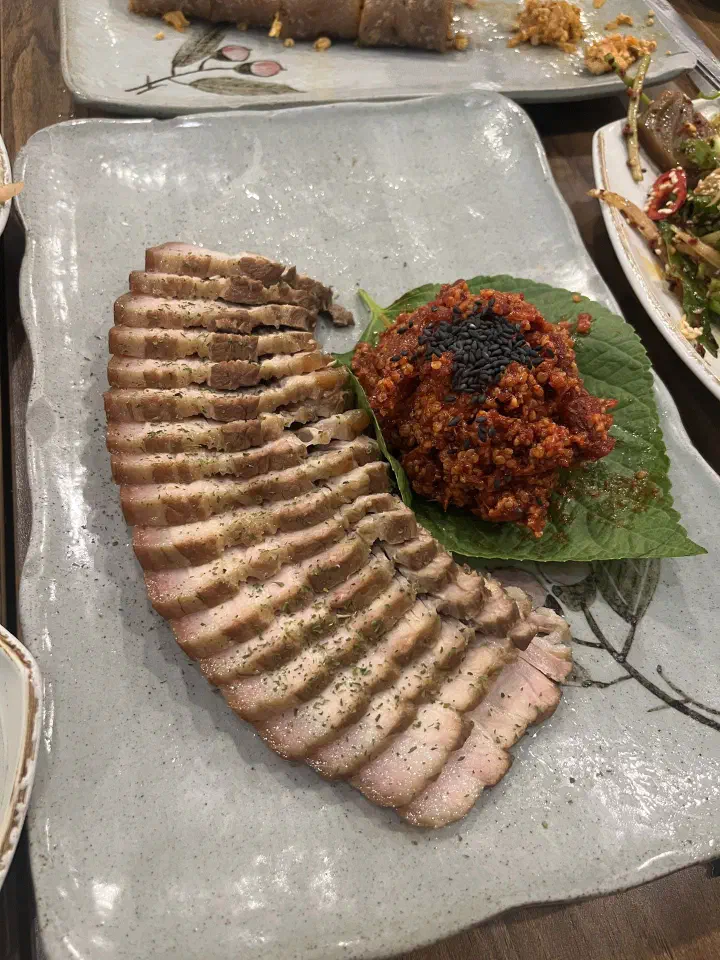
The herbal boiled pork comes tender with a soft medicinal aroma.
It’s the most divisive dish, though - some call it clean and silky, others find it gamey or dry, and a few feel it slipped after a price rise. For a first visit, I’d steer you to the pancake and rolls first.

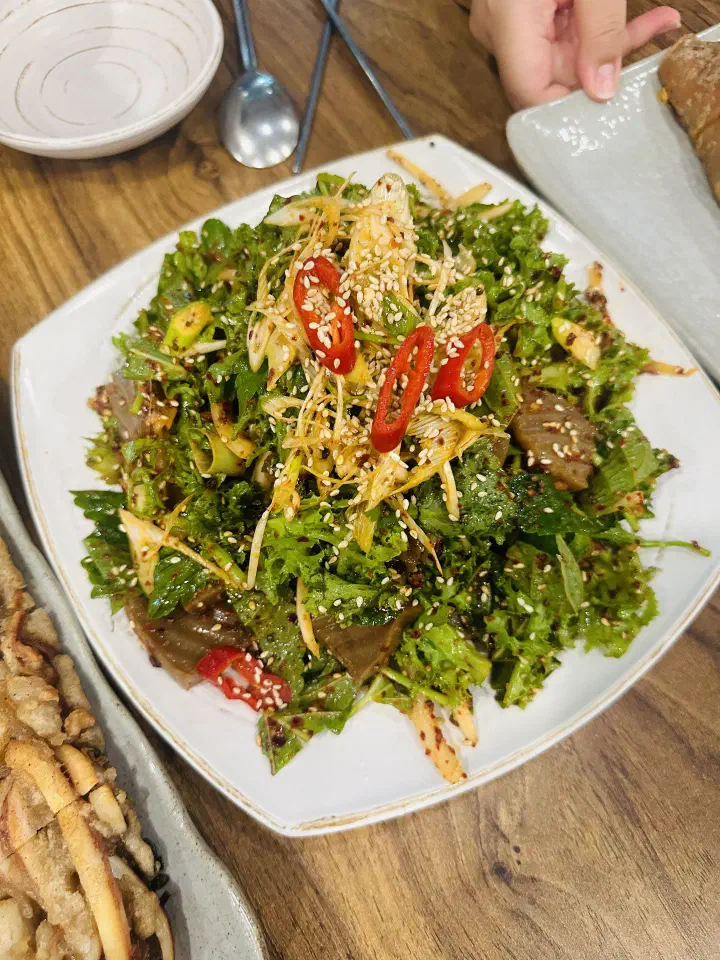
The yuja-dressed dried acorn jelly salad is a bright little palate cleanser.

Side dishes are radish salad, white kimchi and young-leaf kimchi - mild and refillable, though their seasoning can vary by day.

Atmosphere and service
There are two buildings, main and annex, and the interior is all wood tones and big windows, like sitting in a forest.
The plastic-walled terrace by the water has the best view, but it gets chilly in deep winter, so indoor seating is comfier if you feel the cold.

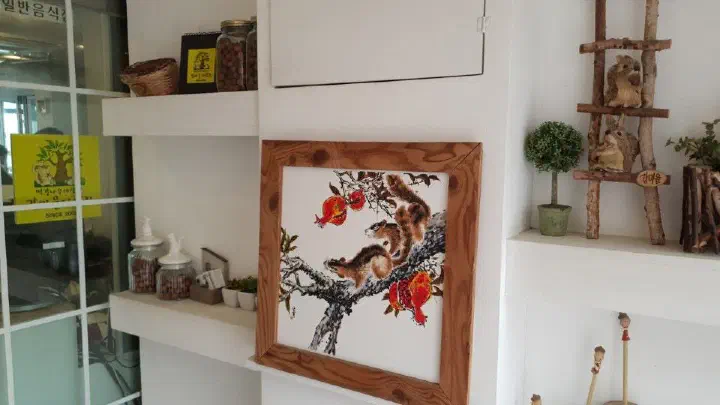
True to the name (it means “village squirrel by the river”), squirrel and acorn props hide all over - a fun hunt for kids.

Service is generally warm; staff cut the noodles with scissors and set kimchi aside for children. It gets busy near closing, so an off-peak hour is smoother all around.
For ordering, English isn’t really spoken, but the menu has photos on the wall, so pointing works fine. Korean restaurants almost all take international cards, and there’s no tipping culture here - leaving a tip can actually confuse the staff.
After the meal you can grab coffee (3,000 won), herbal tea or ice cream at the counter and wander the garden. They also sell acorn jelly and kimchi to take away.
Hours, parking and tips
- Address: 556 Taeheojeong-ro, Namjong-myeon, Gwangju-si, Gyeonggi-do
- Phone: 031-762-5574 (no phone reservations)
- Hours: daily 10:30-19:30, last order 18:30, no break time, open year-round
- Reservation: remote queue via the Tablling app (same-day), confirmation code required
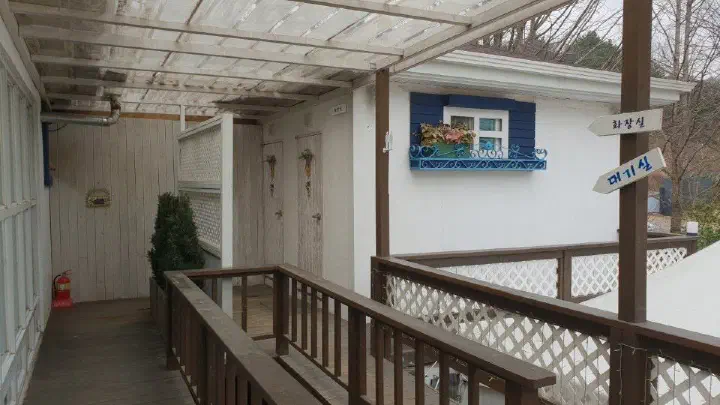
- Amenities: restrooms, takeout, Wi-Fi, high chairs, waiting room, free parking
📍 View Gangmaeul Daramjwi (강마을다람쥐) on Google Maps →

There’s room for about 10 cars out front with an attendant, but it fills fast on weekends.
The roomier second lot sits 150-170m uphill, a two-minute walk, and is the calmer choice.
A few quick tips:
First, on weekends join the Tablling queue before you leave home.
Second, last order is an early 18:30, so don’t plan a late dinner here.
Third, the perilla noodle soup is two-serving minimum, so think about your group and order mix in advance.
Nearby and similar
There’s a same-name Deokso branch in Namyangju (Gangmaeul Daramjwi Deokso), and people often mix the two up.
The one that shows up under “Paldang” or “Gwangju” is this main location in Namjong-myeon; the Namyangju one is the branch. Long-time regulars tend to rate the main branch higher.
You can grab bread and coffee at the nearby Dominaruteo bakery, or pair the trip with Yulbom Botanical Garden or Starfield Hanam.
Final thoughts
The long wait, the prices and the early closing are real drawbacks.
And yet the crowds never thin, because there’s the steadiness of a place that has worked with one ingredient for decades, plus the lake and garden as a bonus.
When you’re tired of heavy, spicy food and want a calm, healthy meal with some fresh air, this is a spot you come back to.
For a first visit, start with the seafood pancake, the crepe rolls and the seasoned jelly.