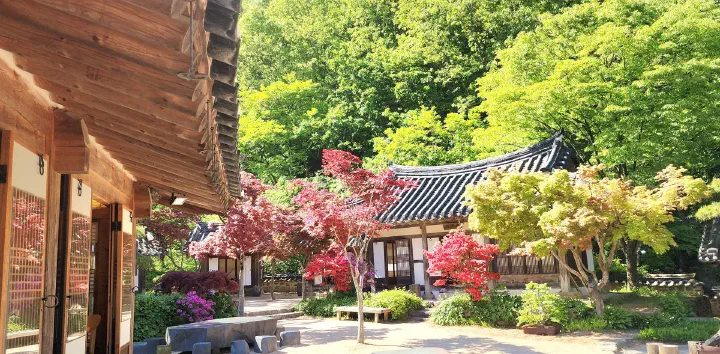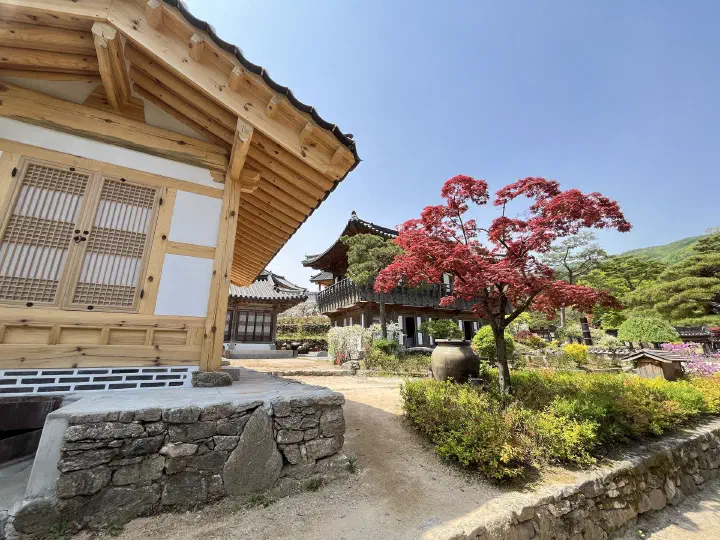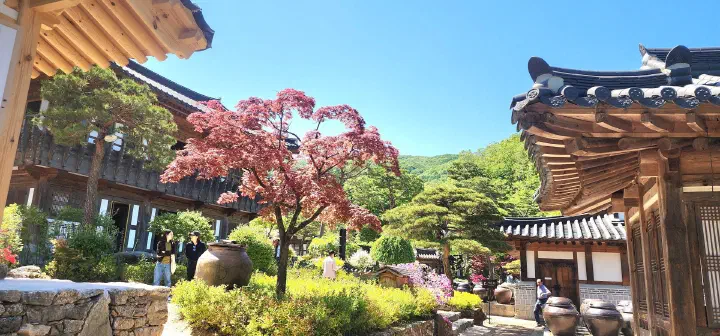
Nakseonjae (낙선재) is the kind of place where you remember the setting before the food.

Hanok and spring azaleas at Nakseonjae

It sits deep inside the Namhansanseong fortress area, down a quiet valley in Buldang-ri, and it’s less a single restaurant than a small village of hanok houses. Walk through the gate and the first reaction is usually something like, “wait, is this a film set?” That’s the draw here. It works for treating your parents, for family gatherings, for a slow date, for the kind of meal you want to feel a little special.

It’s also, honestly, not the place for a cheap quick bite. So this isn’t just a “pretty hanok” post. Let me get into the actual dishes, prices, waiting, and a few practical things.

The space, and how to get there

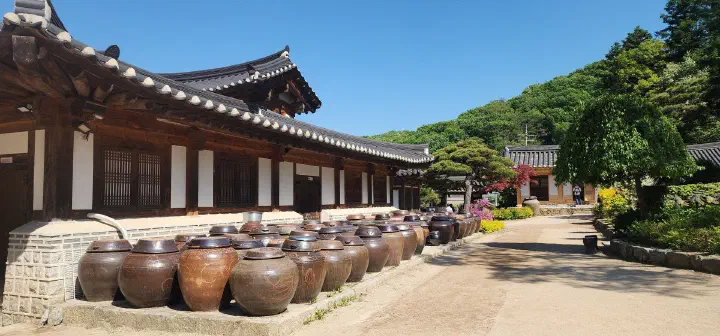
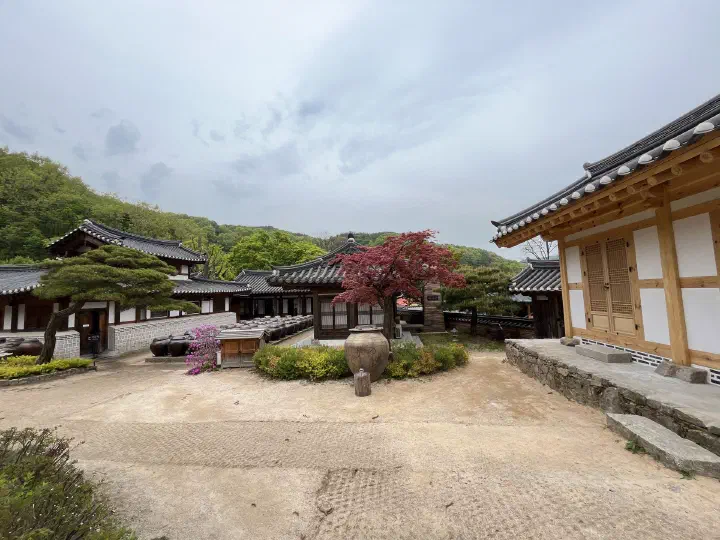
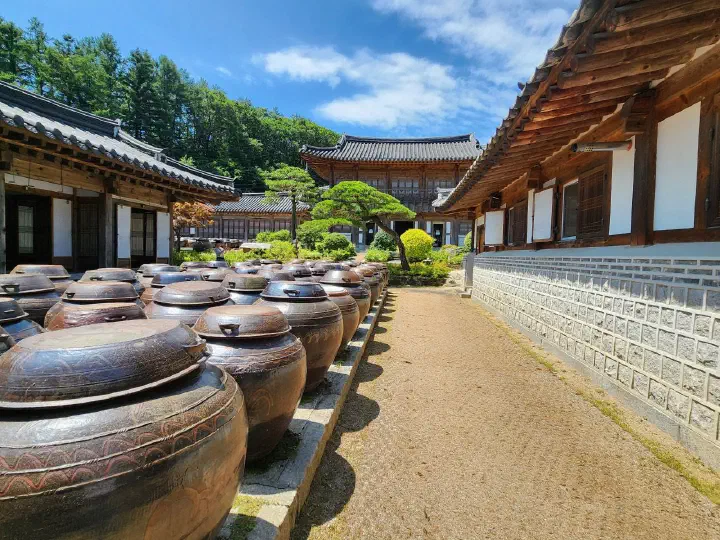
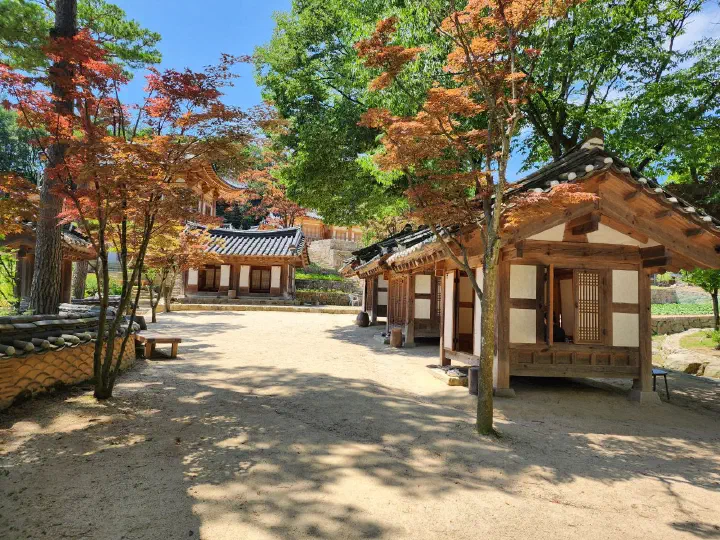
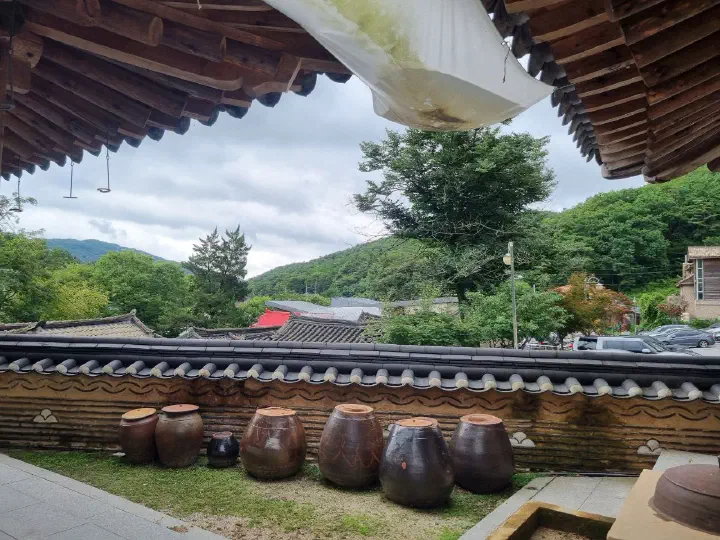
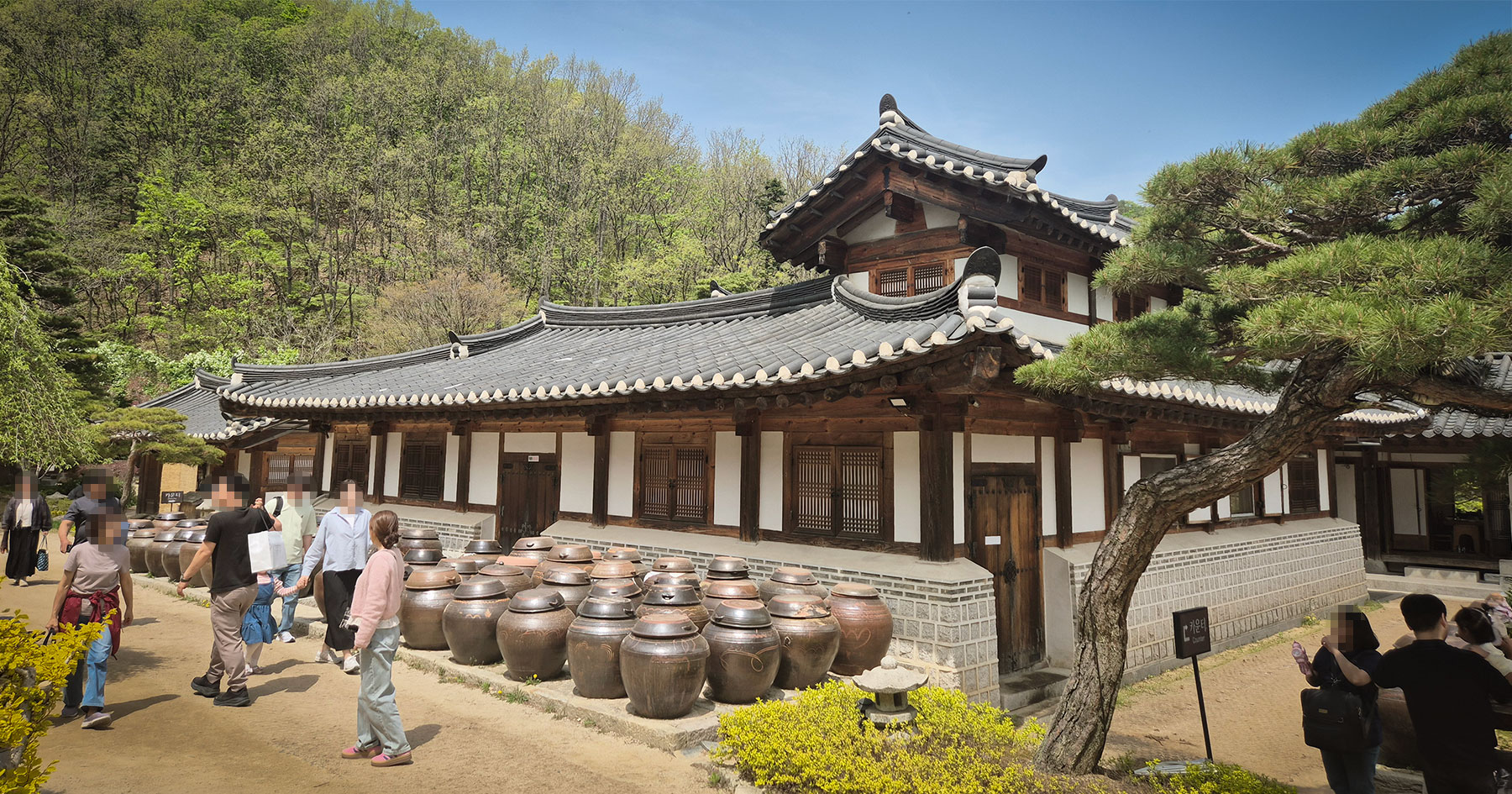
The grounds are a cluster of wooden hanok wings wrapped around courtyards, with rows of onggi (fermentation jars), pine trees, maples, and a small stream running along one side.

Rows of onggi jars at Nakseonjae

Most tables are private rooms, detached cottages, or pavilion-style seating, so you eat without staring at the next table over. That privacy is one of the real strengths.

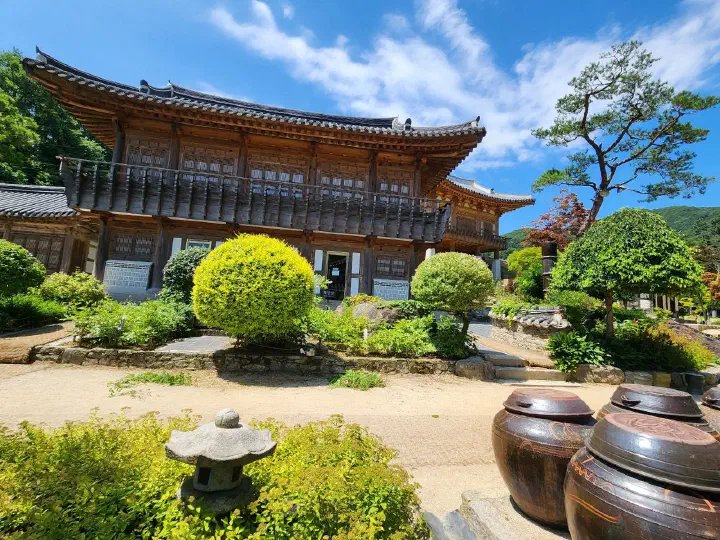
Garden and pine trees in front of the main hanok at Nakseonjae

Getting here pretty much requires a car. The final stretch is a one-lane mountain road, so take it slow if two cars meet. One quirk: if you search the name in a map app, a “Tom N Toms” café pops up. That’s correct, there’s a café inside the restaurant grounds, so don’t second-guess it.

A note for travelers without a car: there’s a bus route (transfer to the 15-1 from Sanseong Station on Line 8, or from Sanseong Rotary), but it doesn’t run often and still leaves a 15-minute uphill walk, so a car or a taxi is far more comfortable. The Kakao T taxi app works well in Korea if you’d rather not drive that road yourself. Also, Google Maps is weak for walking and transit directions in Korea, so use Naver Map or KakaoMap instead.

Hours and waiting

Open daily 11:00 to 21:00, last order 19:30. There’s a midday break, roughly 15:00-16:00 on weekdays and 16:00-17:00 on weekends and holidays, though it flexes with how busy they are.

For regular dining they don’t take reservations, so you put your name in at the counter (past the jars, to the right) and wait. Weekend lunch peaks can mean up to an hour, with noon to 1 p.m. being the busiest window. Come on a weekday, after 2 p.m., or around 5-6 p.m. and you’ll often be seated right away. Larger groups and events (10+ people) can book by phone.

The front desk usually handles a little English, and staff can seat you and take your name without much trouble.

📍 View Nakseonjae (낙선재) on Google Maps →

What to order

The menu splits into set courses (jeongsik), chicken and duck dishes, and à la carte.

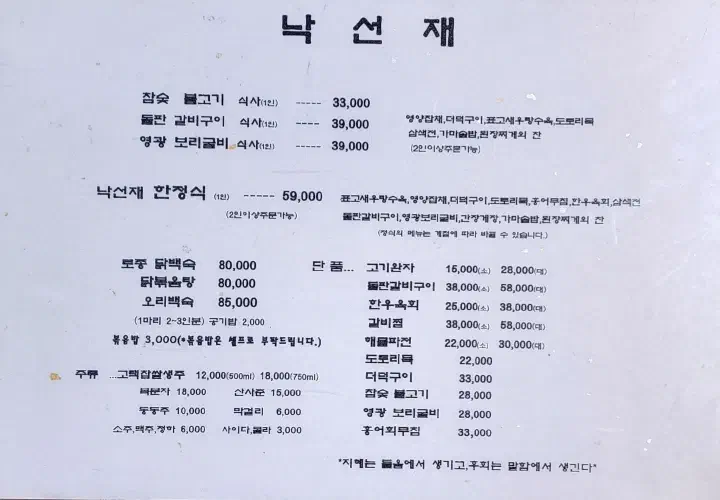
The menu board at Nakseonjae

Roughly: the charcoal bulgogi set is 33,000 won, the dolpan galbi set and the Yeonggwang boribgulbi (dried corvina) set are 39,000 won each, and the full Nakseonjae hanjeongsik is 59,000 won per person. The free-range chicken hotpot and chicken baeksuk run about 80,000 won, duck baeksuk around 85,000 won. The chicken and duck dishes used to sit in the 60,000s and have crept up into the 80,000s, so prices are not light. You order from an intercom inside your room.

Tojong-dak bokkeumtang - the real signature

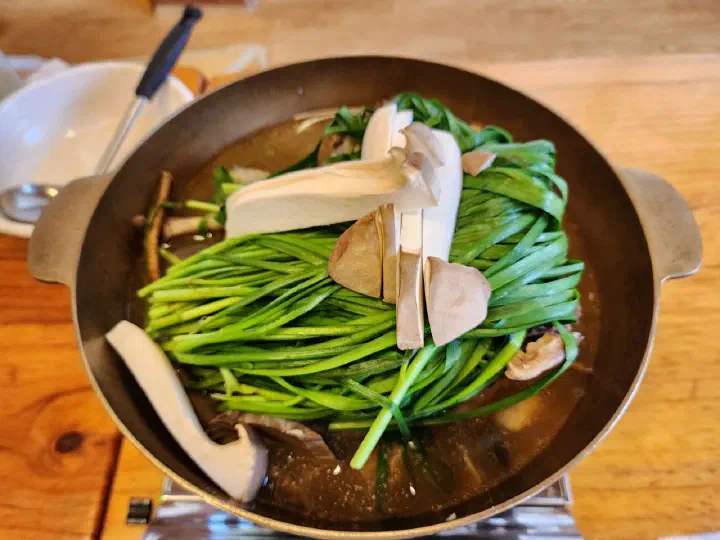
The dish almost every regular points to is the spicy free-range chicken hotpot (토종닭볶음탕).

Spicy free-range chicken hotpot loaded with vegetables at Nakseonjae

The free-range bird has firm, properly chewy meat, and the sauce leans on a deep fermented-soybean savoriness rather than just sweet-and-spicy. It comes loaded with potato and vegetables, easily enough for two or three, and you can ask them to dial the spice up or down. One thing worth flagging: Korean “mild” can still read as spicy to many visitors, so if you’re sensitive to heat, ask for it gentle. It was featured on a Korean food show (Wednesday Food Talk), which is part of why it stays popular.

Chicken and duck baeksuk - the restorative bowls

The baeksuk pots arrive enormous.

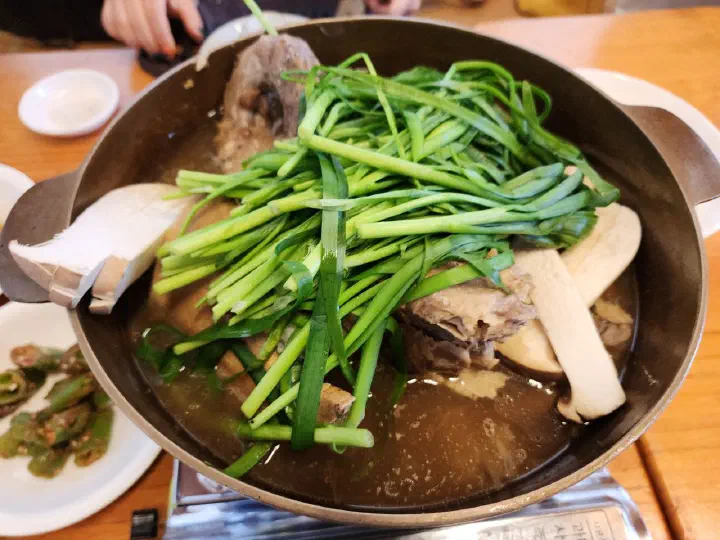
Free-range chicken baeksuk served with seasoned vegetable sides at Nakseonjae

The broth is rich with a faint medicinal-herb aroma, and at the end you stir in glutinous rice to finish it as a porridge. Because it’s free-range chicken, the meat is firm, so if you’re used to fall-apart-tender soup chicken it can feel a bit tough. The portions are big enough that a group of four is the sweet spot.

The set courses

If there are just two of you, a set course is the move.

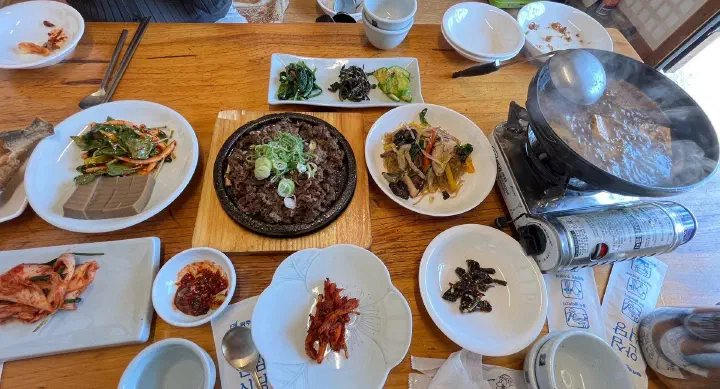
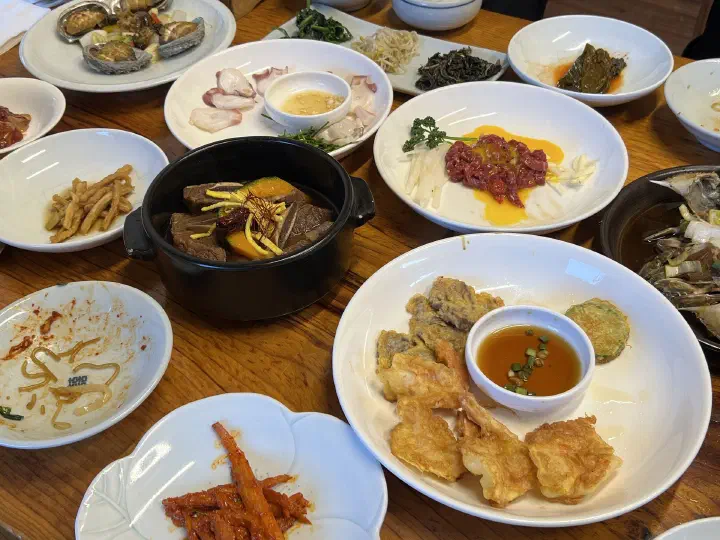
A full hanjeongsik spread at Nakseonjae

The side dishes are the same across sets; only the main changes (bulgogi, galbi, or corvina). Seasoning is gentle and clean overall, which older diners tend to love.

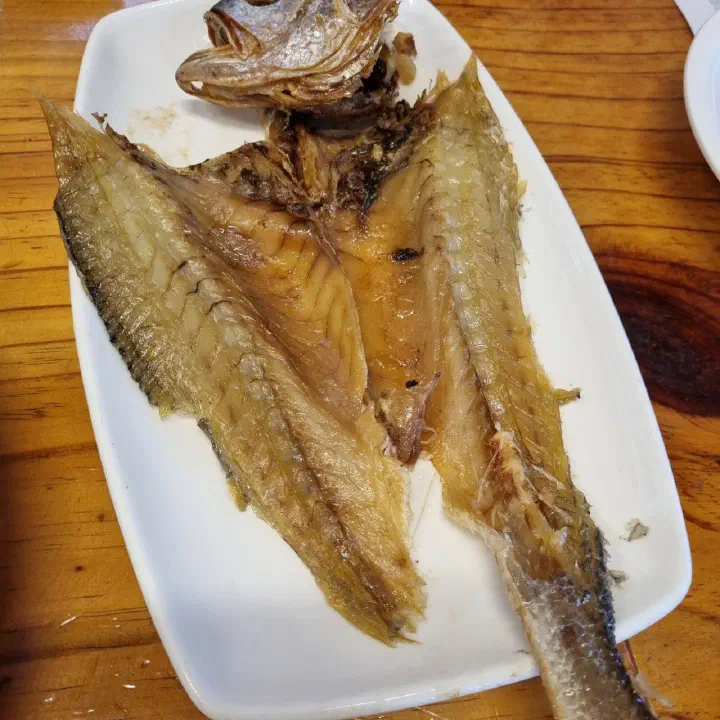
The Yeonggwang boribgulbi (영광보리굴비, dried yellow corvina) is nicely deboned with almost no fishy edge, so it’s easy to eat.

Grilled Yeonggwang dried corvina at Nakseonjae

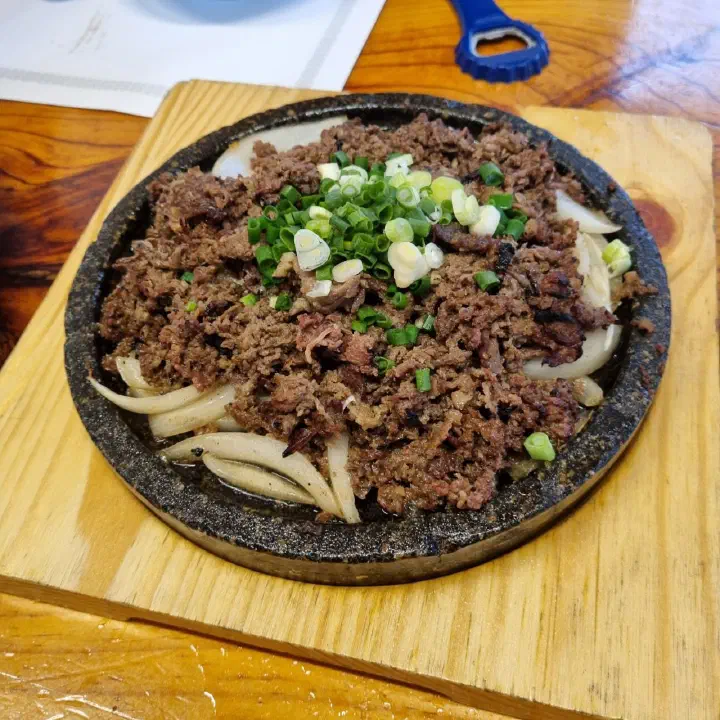
It’s salty-savory and great with rice. The charcoal bulgogi (참숯불고기) is a crowd-pleaser, while the dolpan galbi is closer to unmarinated short rib than the sweet LA-style galbi, so adjust expectations.

Charcoal-grilled bulgogi at Nakseonjae

The priciest option, the 59,000-won Nakseonjae hanjeongsik, adds seasoned skate, beef tartare, and soy-marinated crab. Be aware this is the most divisive item: a steady stream of reviews feel the value doesn’t match the price. For a first visit, a 33,000-won set or the chicken hotpot tends to leave people happier.

Sides worth adding

Refined assortment of side dishes at Nakseonjae

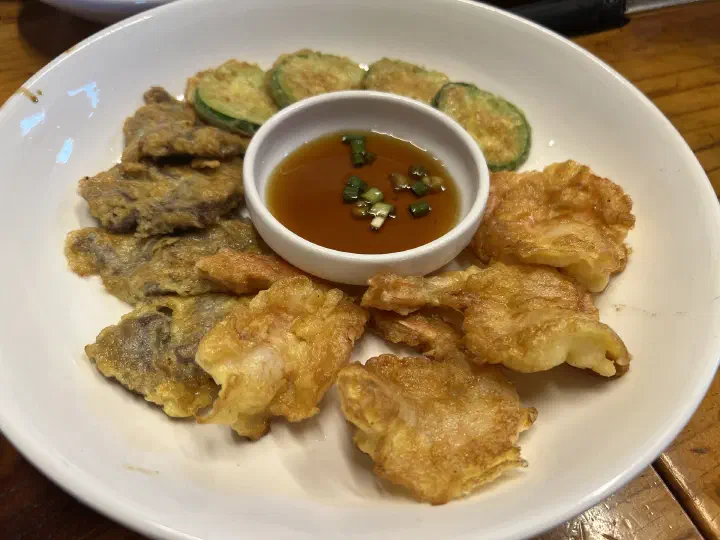
The pyogo-tangsuyuk (fried shiitake in sweet-and-sour glaze) is crisp and a hit with kids, and the dotori-muk (acorn jelly) is springy and nutty.

Crispy fried shiitake tangsuyuk at Nakseonjae

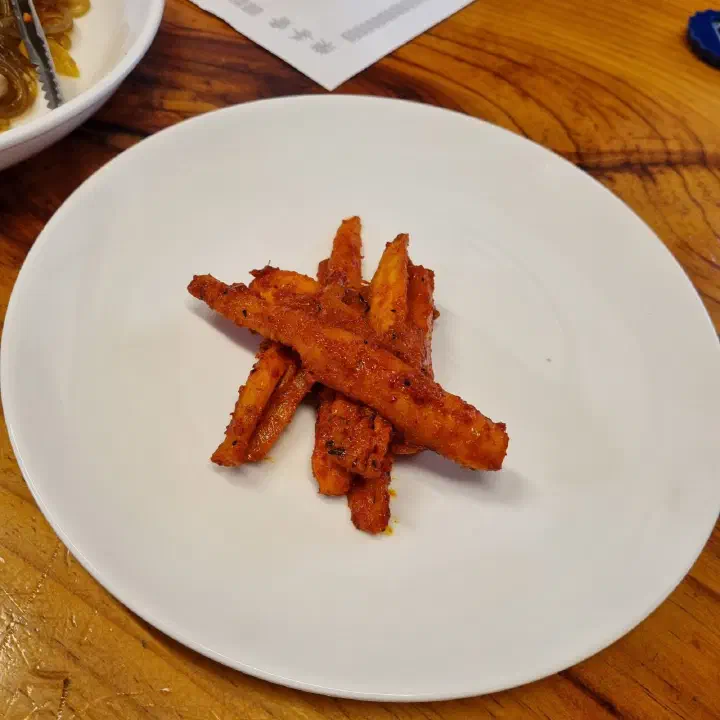
The deodeok-muchim (seasoned mountain root) is balanced rather than overpowering, and the seafood pancake gets good marks too.

Seasoned deodeok root at Nakseonjae

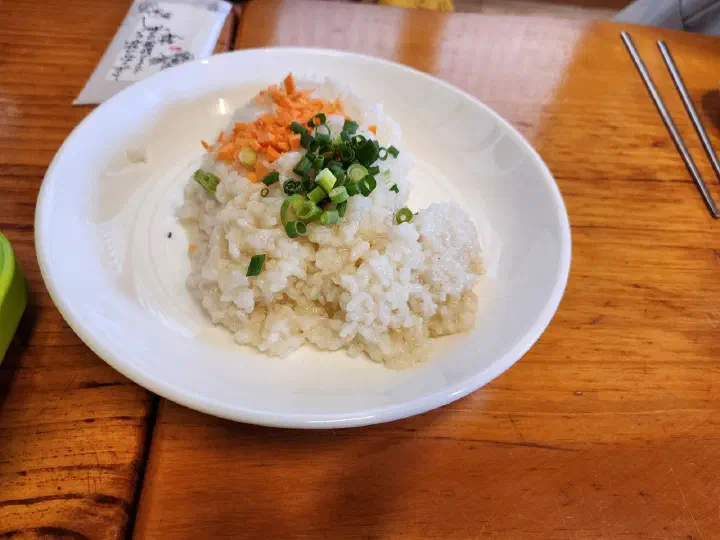
The doenjang stew comes on a burner to bubble at the table, with a homemade-soybean depth that empties a rice bowl fast. You can also pour hot water over the rice left in the stone pot to make a toasty nurungji to finish.

Stir-fried bulgogi with vegetables at Nakseonjae

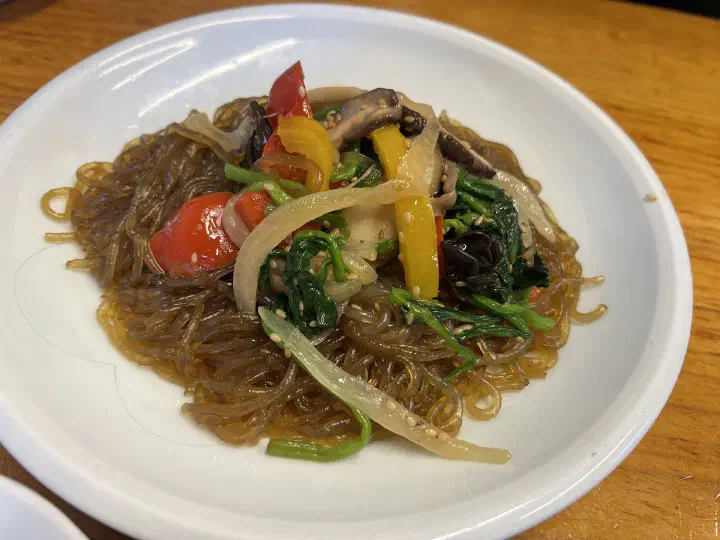
Just note that only greens, kimchi, and japchae get free refills; the bulgogi, deodeok, pancakes, and corvina don’t, and a few sides carry an extra charge if you add them.

Springy, nutty acorn jelly at Nakseonjae

Atmosphere, service, and the honest downsides

The space gets praised in basically every review.

Interior of a private ondol room at Nakseonjae

When the lift-up windows are fully open, the courtyard and the hills pour into the room, and just watching that while the stew simmers lifts the whole outing. Every season has its look: azaleas in spring, green and running water in summer, maples in autumn, snow on the roofs in winter.

Red autumn maples in the Nakseonjae garden

Service, though, is genuinely uneven. At weekend peaks and big-group rushes, food can be slow and staff a bit brusque, and some diners mention dishes arriving all at once on a crowded table, or tableware that wasn’t spotless. In summer, being in the mountains means a few bugs (and the occasional hornet), so a mosquito patch helps. The crux of the love-it-or-not divide is value: factor in the scenery, the hanok, and the private rooms and it makes sense; judge the food alone and it can feel pricey.

Parking, payment, and tips

There’s a large free private lot with attendants, and a second lot when the first fills, no registration needed.

Path of onggi jars leading toward the Nakseonjae entrance

Payment happens at the front counter, and cards are fine. Like almost everywhere in Korea, internationally issued credit cards work without trouble, and there’s no tipping culture, in fact a tip may just confuse the staff. It’s still smart to carry a little cash for the small things, like coffee at the café.

A few practical tips:

One, on weekends, arriving about 30 minutes before opening usually gets you seated without a wait.
Two, two people should get a set; groups of four or more do well with a chicken hotpot plus one à la carte dish.
Three, seating preference shifts by season, ask for a stream-side spot in summer, a garden-facing window in spring and autumn, and a view of the snowy roofs and jars in winter.

Garden path that’s lovely for a post-meal stroll at Nakseonjae

After eating, grab a coffee from the Tom N Toms inside and sit by the stream; in the evening there’s even a fire pit out front.

A small stream running behind Nakseonjae

Final thoughts

Nakseonjae is less a “great food” stop and more a place where you buy the space and the meal together.

It started as a main building with a couple of cottages and kept adding wings until it became today’s hanok village; in spring 2026 a newly rebuilt cottage (Jaseondang) made it larger still. The ordering rules have shifted too, sets now require two or more people.

There are clear weak points in price and service, but for honoring your parents, a special occasion, or a photo-heavy day out, it’s worth a visit. For a first time, I’d start with the chicken hotpot or a 33,000-won set rather than splurging on the full hanjeongsik.

Autumn scenery of hanok and onggi jars at Nakseonjae

📍 View Nakseonjae (낙선재) on Google Maps →