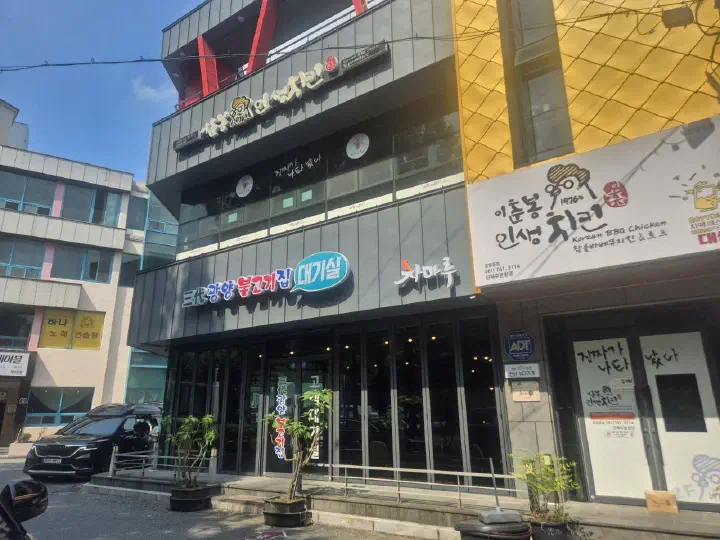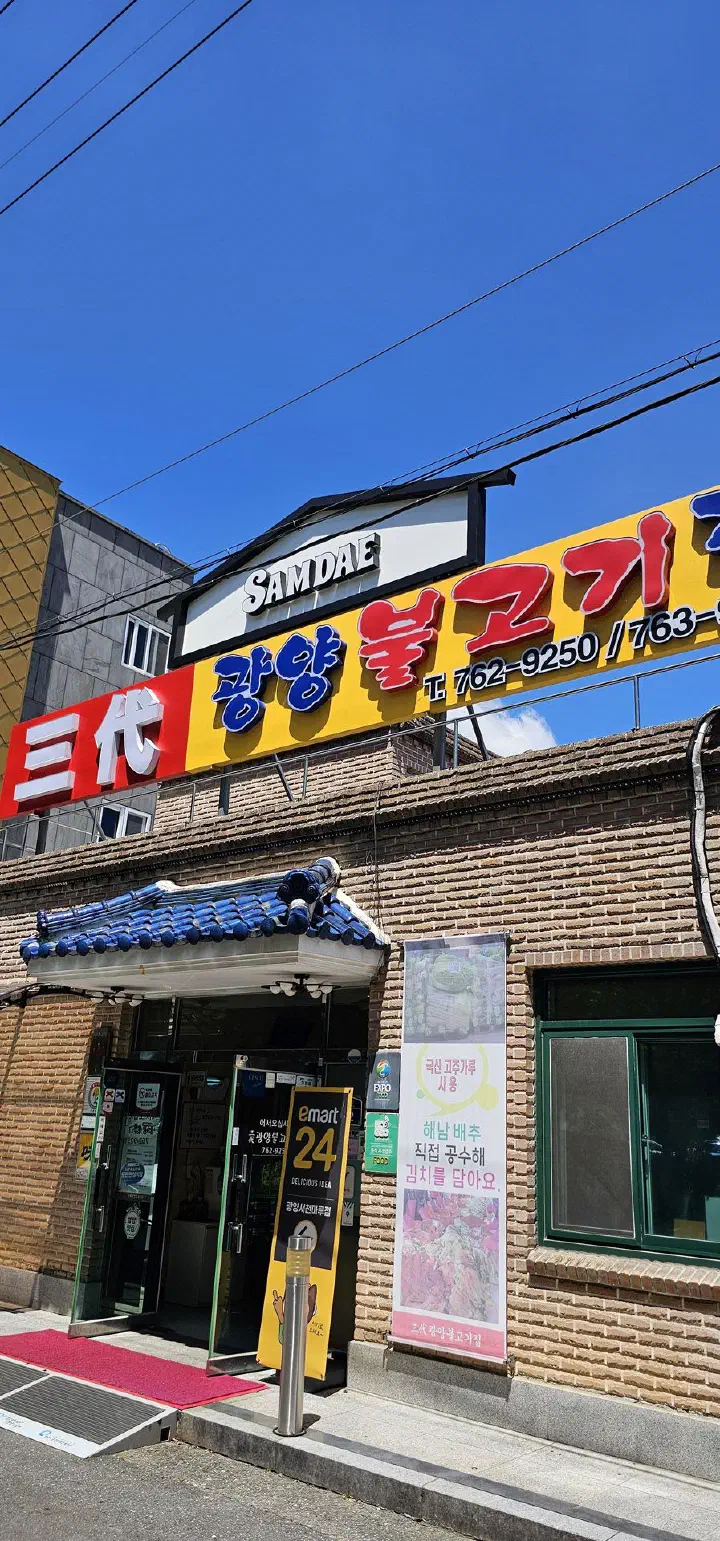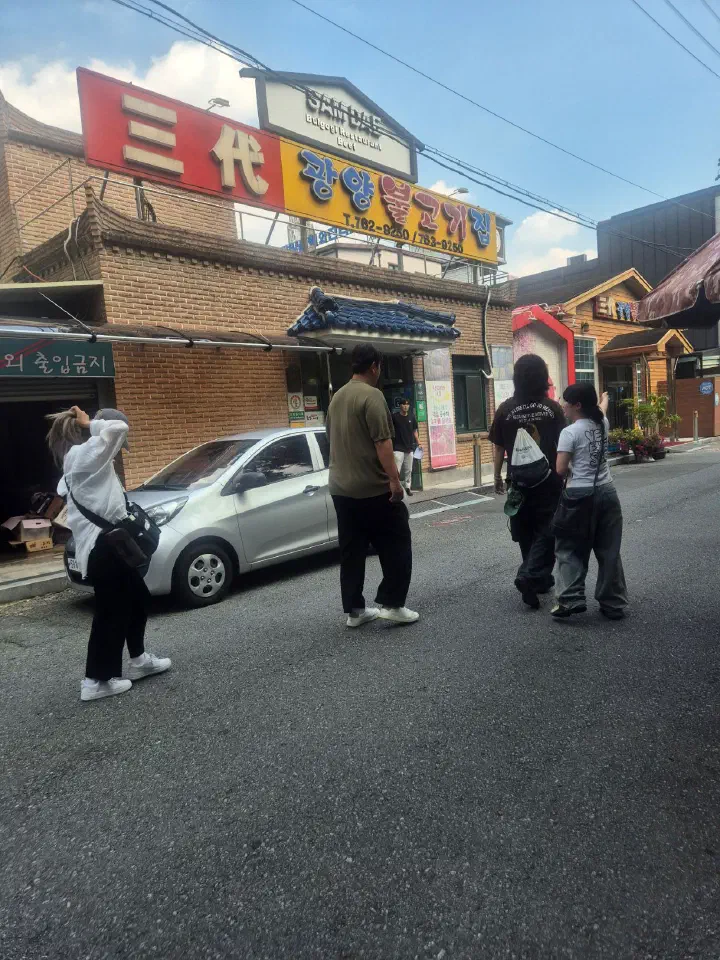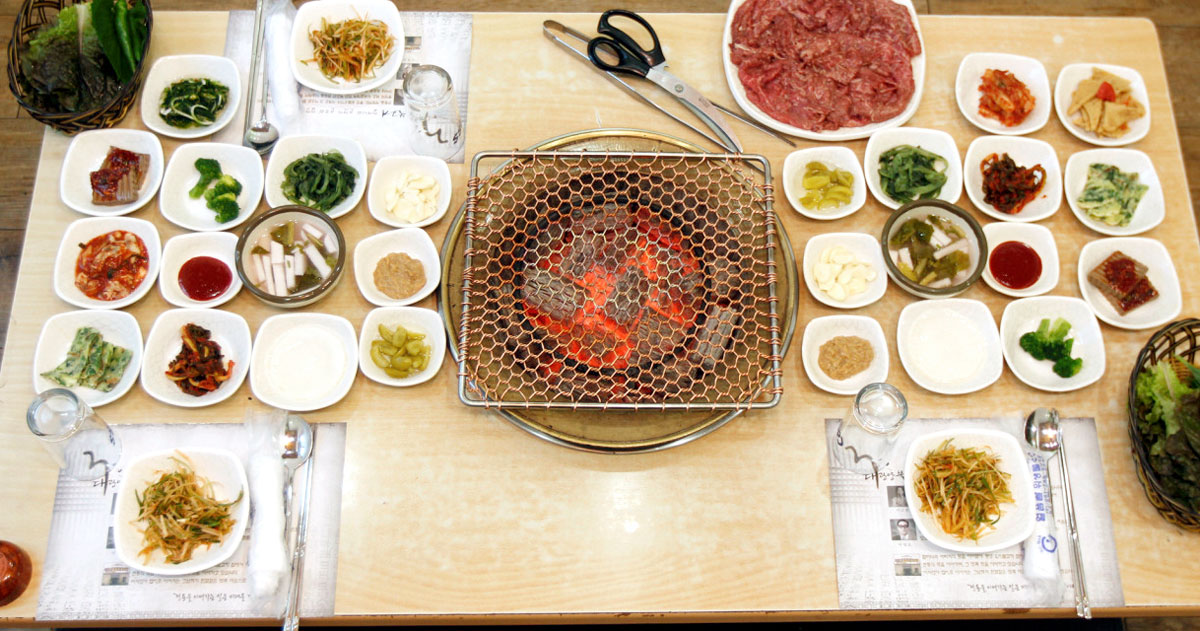
People say if you come to Gwangyang, you eat bulgogi.
And among all the bulgogi places here, the first name that comes up is Samdae Gwangyang Bulgogi (삼대광양불고기집) on the bulgogi street by the Seocheon stream.
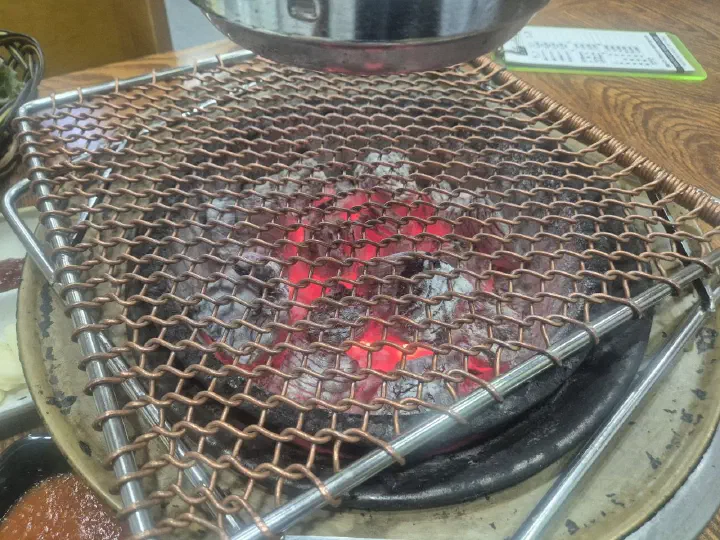
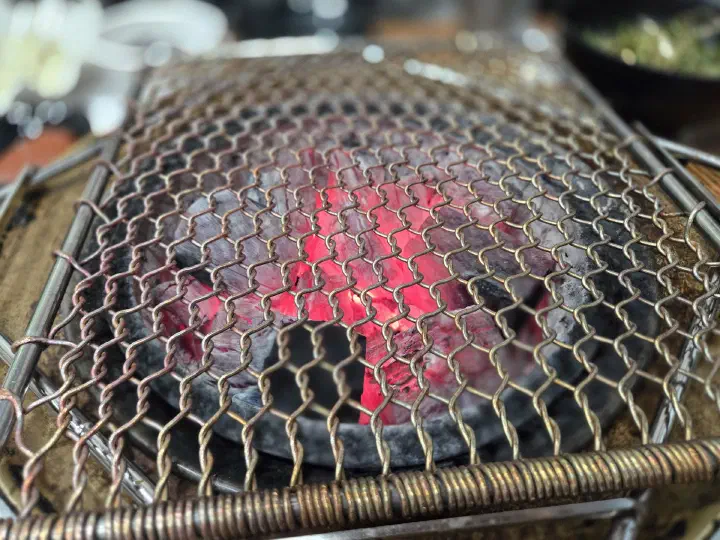
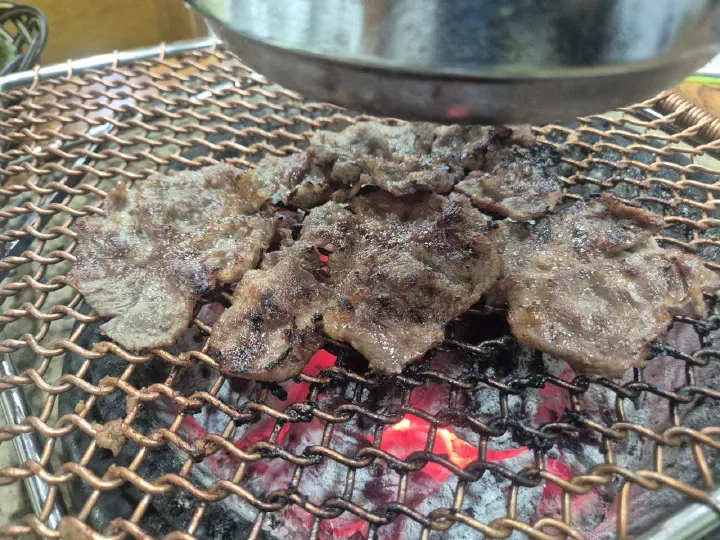
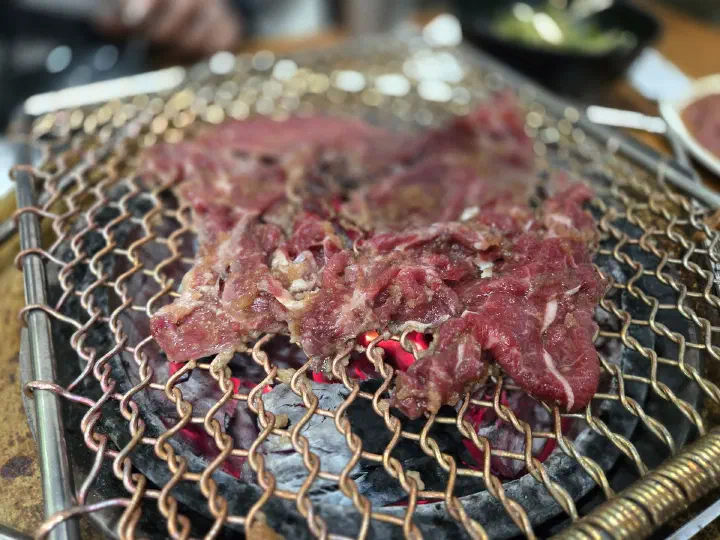
It’s an old shop that started back in the 1930s and has been run by the same family for three generations - close to ninety years now. They still do it the Gwangyang way: thin slices of beef grilled over charcoal on a copper grill set in a brass brazier.
Here’s a rundown of the hanwoo versus Australian beef, how to eat the kimchi soup that comes at the end, and what to expect with the waiting and parking.

The basics
- Address: 52 Seocheon 1-gil, Gwangyang-eup, Gwangyang-si
- Phone: 061-763-9250
- Hours: 11:00-21:00 daily (last order 20:00)
- No break time, no regular closing day (closed only on major holidays)
- Parking: a small lot out front; when full, people park along the stream or in side streets
- Reservations and groups welcome; private rooms available
It’s about a 10-minute drive from Gwangyang Bus Terminal. The bulgogi street runs along the Seocheon waterway, and this place has the biggest sign on the block, so it’s easy to spot.
A quick navigation note: Google Maps walking and transit directions can be unreliable in Korea. Naver Map or KakaoMap work much better for getting around.
📍 View Samdae Gwangyang Bulgogi (삼대광양불고기집) on Google Maps →

Main hall, annex, and a cafe-like waiting room
There are actually three buildings here: the main hall, an annex next door, and a separate waiting room.
The place is far bigger than it looks from outside. The main hall is a long corridor with rooms lining both sides, so even when it’s busy it doesn’t feel chaotic. Reservations usually go to the main hall rooms, and walk-ins often get seated in the annex.
When there’s a wait, you head to the waiting room, and they clearly put thought into it. It’s spacious like a cafe, with free coffee and maesil (plum) tea, plus a little corner selling local products. Since it’s a separate building, you don’t end up smelling like grilled meat while you wait.

The waiting system is old-school: you write your phone number and party size on a paper at the entrance. No kiosk, no app. They call your number when a room opens up.
Weekend lunch and dinner peaks can mean over an hour. But turnover is quick, so off-peak or on weekdays you might get in surprisingly fast.

The corridor walls are packed with TV appearances and celebrity autographs. The place has been on several big Korean food shows, and it shows up in a popular YouTube travel series too. You’ll spot signed photos from athletes and entertainers all the way down the hall, which makes the wait for your room more fun.
Menu and prices

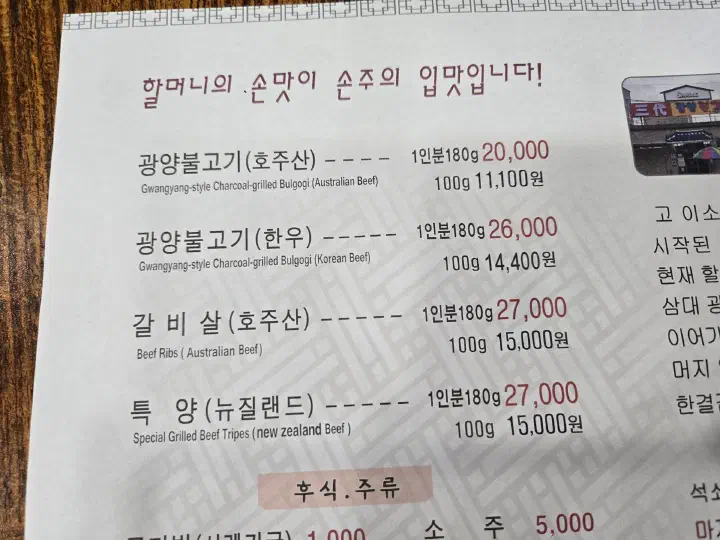
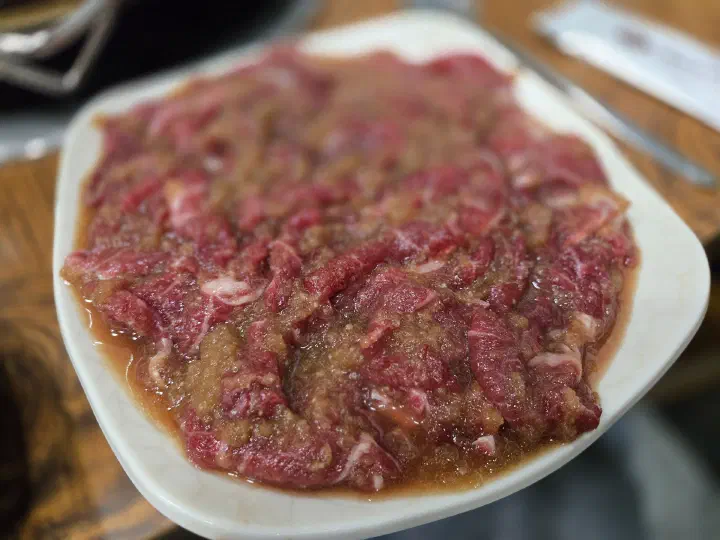
The main event is Gwangyang-style marinated bulgogi, in two versions: hanwoo (Korean beef) and Australian beef. There’s also galbisal (boneless short rib) and a beef tripe grill.
- Hanwoo bulgogi (180g): 26,000 won
- Australian beef bulgogi (180g): 20,000 won
- Galbisal / teukyang: 27,000 won each
- Kimchi-guk (small pot): 2,000 won
- Naengmyeon (cold noodles, broth or spicy): 5,000 won
- Nurungji: 2,000 won / rice: 1,000 won
Prices have crept up over the years. Around 2020 the hanwoo was 24,000 and the Australian beef 17,000; now they’re 26,000 and 20,000. The beef is sliced thin and grilled piece by piece, which is labor-intensive, so while some find it pricey, it makes sense.
Bulgogi is generally ordered from two portions up.
Most restaurants in Korea, including this one, take internationally issued credit cards, so you don’t need to worry much about payment. That said, a little cash is handy for small markets or roadside stalls nearby.
Banchan and the starter

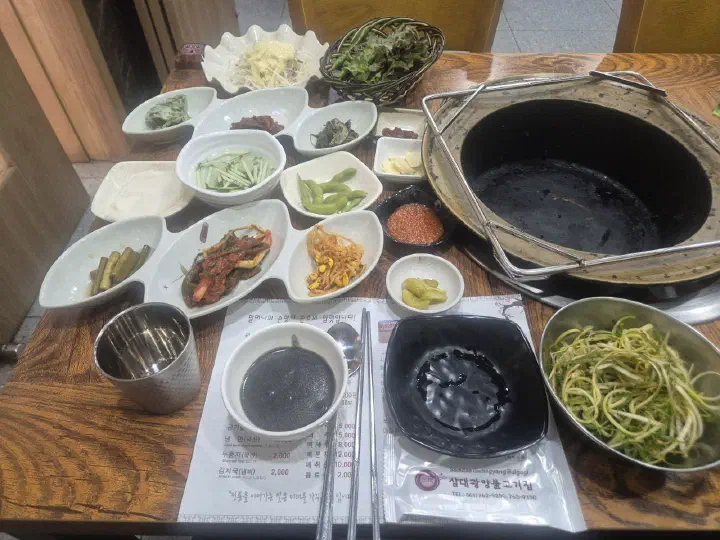
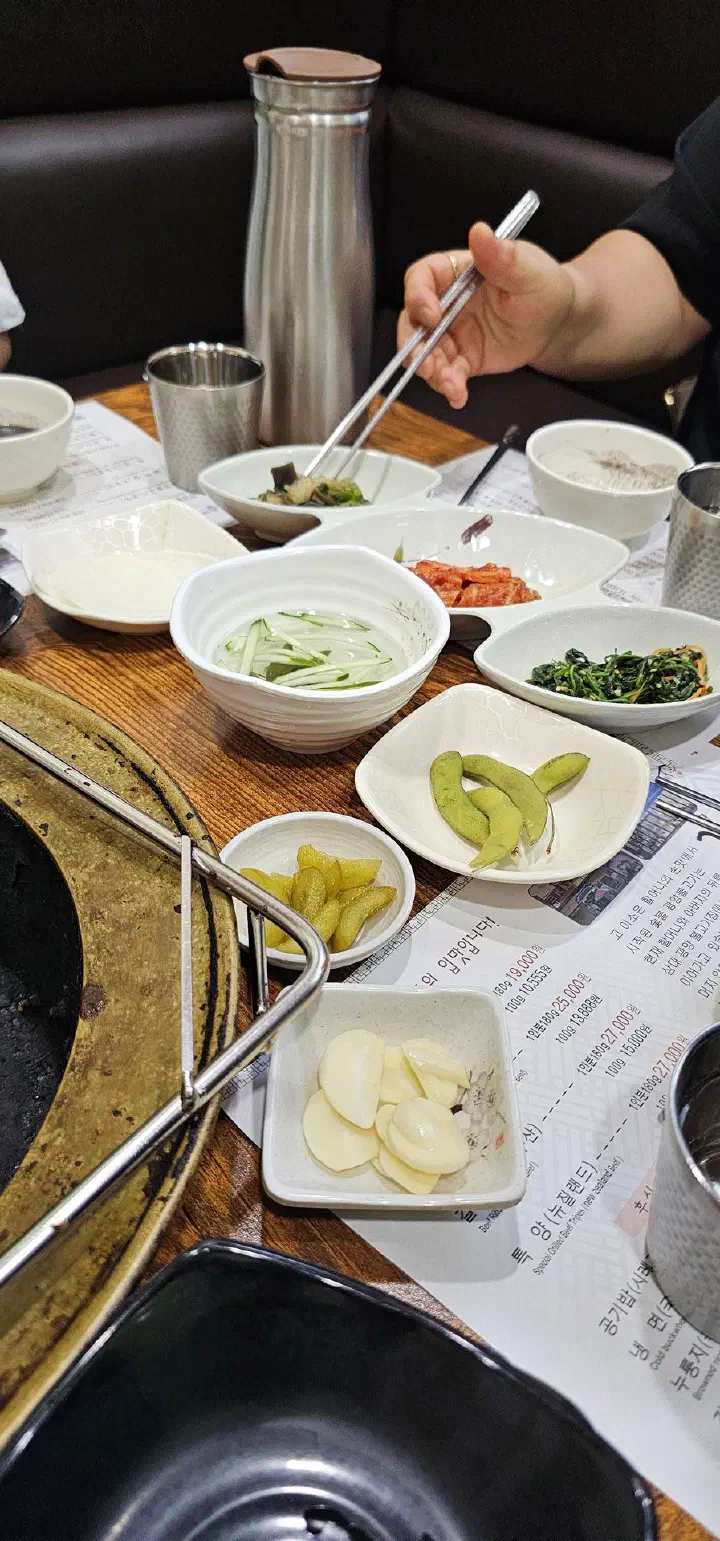
The table is already set when you sit down. Staff coordinate by radio and lay out the banchan ahead of time based on your party size.
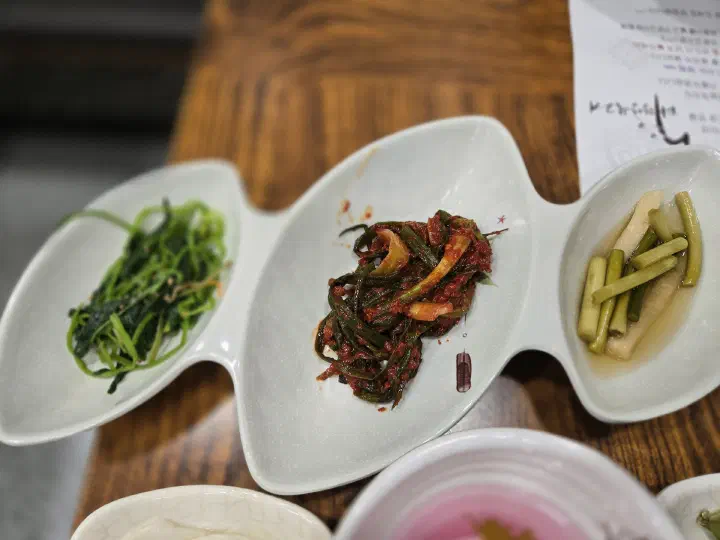
You get Jeolla-style sides: pa-kimchi (green onion kimchi), cabbage kimchi, pickled radish wraps, lettuce, garlic, seasoned radish. If you run low, there’s a self-serve bar to refill.

One side that gets a lot of love here is maesil jangajji (매실장아찌), pickled green plum. It’s sweet-tart and cuts through the richness of the meat. Gwangyang, Hadong, and Suncheon are Korea’s main plum-growing region, so plum side dishes are common around here, and this one pairs especially well.

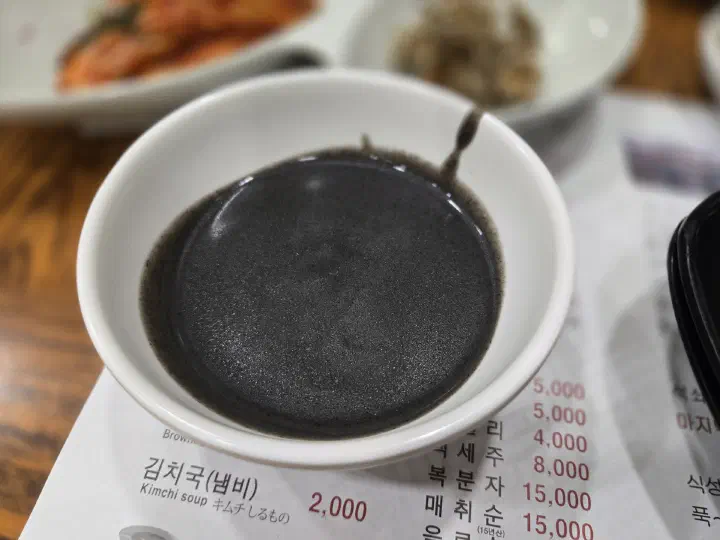
Before the meal, a warm bowl of heugimja-juk (흑임자죽), black sesame porridge, arrives. It’s a nutty little warm-up. Not everyone loves black sesame, but it’s a gentle way to start.
Hanwoo vs Australian beef

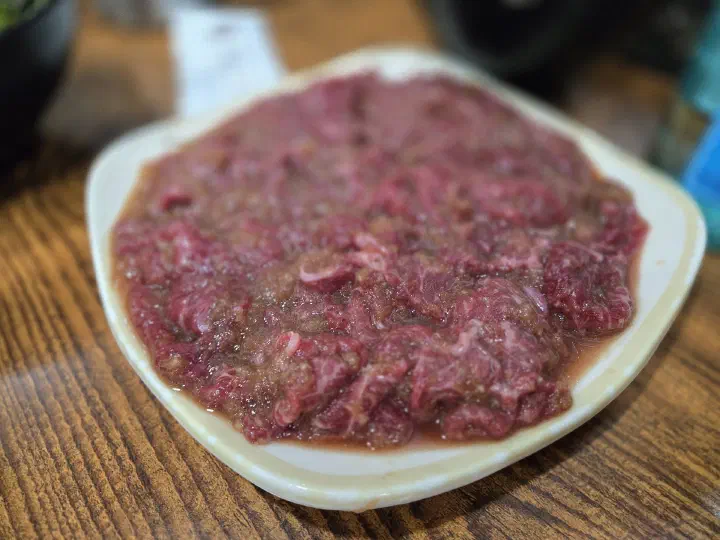
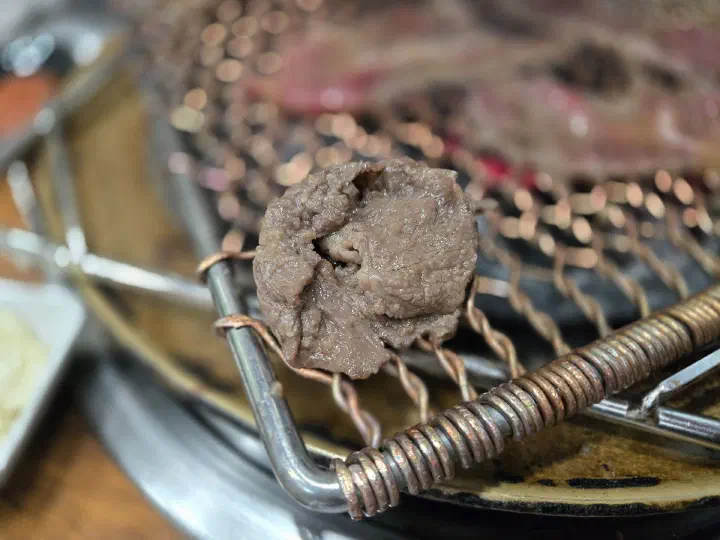
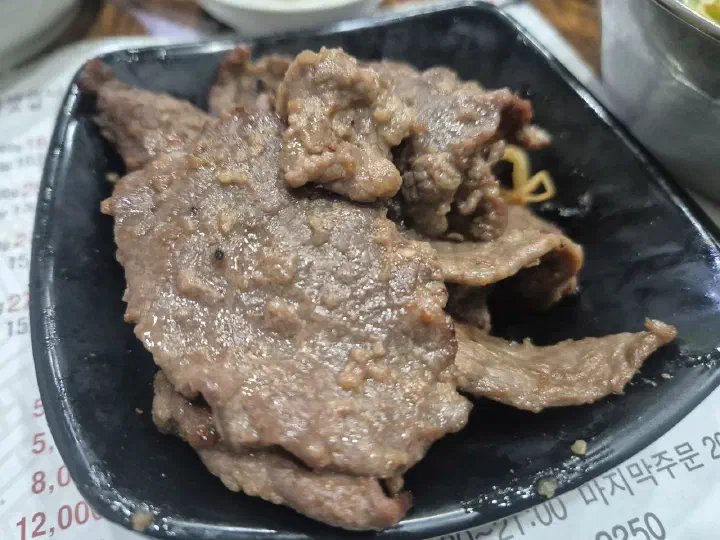
The beef comes thinly sliced and lightly marinated in a soy-based sauce. It looks great - bright red with the marinade soaked in.

Opinions split on hanwoo versus Australian. Some say the hanwoo is softer and richer, well worth the 6,000-won difference. Others find the Australian beef a touch thicker with more chew, and better value.
The marinade and grilling are the same, so the flavor is similar - think of it as a texture difference. Australian beef can be added by single portion, so a good move is to start with hanwoo and add a plate of Australian to compare.

How you grill it matters

Gwangyang style isn’t about piling meat on and stir-frying it. The key is laying each slice out flat on the grill.
First-timers usually clump it up, and a staff member comes by to explain: the meat is thin, so lift a small handful and spread it out as you go.

Because it’s thin, it cooks fast. Grill only as much as you’ll eat right away and eat it the moment it’s done. Marinated meat burns easily if you leave it, but the staff swap out the grill often, sometimes before you even ask.

You get a gentle charcoal smokiness, and since the marinade isn’t heavy, the beef itself comes through. If you’re expecting something sweet, it might taste plain to you - it’s quite different from the sweeter Seoul-style bulgogi.

It works well wrapped: lay down some green onion, fold the meat around it, or add garlic and chili in a lettuce wrap.
A heads-up on spice: the chili and pa-kimchi here aren’t extreme, but Korean “mild” can still read as spicy if you’re not used to it. The bulgogi itself is gentle, though.
Kimchi-guk, the real signature

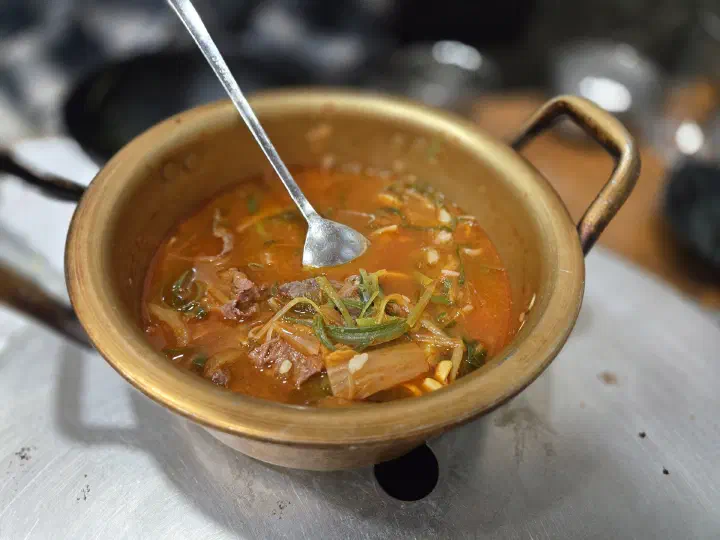
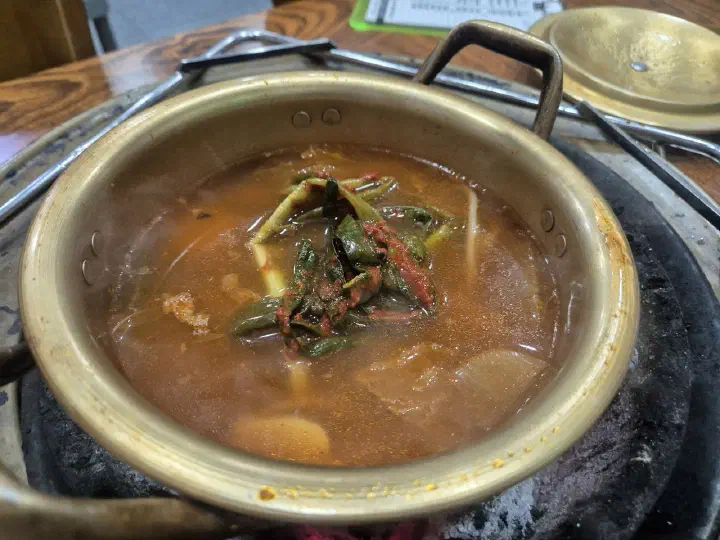
A lot of people love this even more than the meat: the kimchi-guk (김치국) that comes in a small tin pot for 2,000 won.
There’s a way to do it. There’s a note in red printed under your small plate, easy to miss:
- Don’t eat all the bulgogi - save 2-3 grilled pieces.
- When the kimchi-guk arrives, cut the saved meat into it.
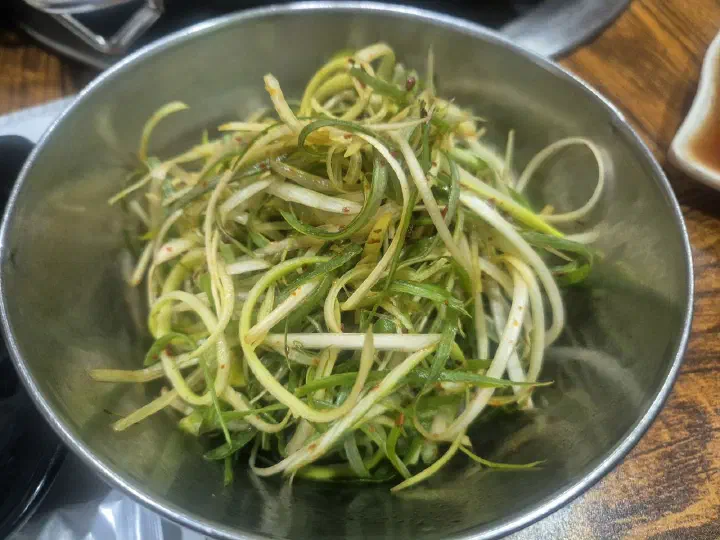
- Add pa-jeori (seasoned green onion), garlic, chili, and pa-kimchi generously.
- Set it on the leftover charcoal and let it bubble.

Simmered like this, it’s sharp and refreshing, and it cleans up the richness from the meat. Stir in a bowl of rice and it becomes a hearty, porridge-like finish.
That said, the kimchi-guk gets mixed reviews. Toward the end the charcoal fades, so it sometimes won’t come to a boil and the flow stalls. Best to put it on while the fire’s still going.
The naengmyeon, honestly

There’s cold noodles for a finish too, but honestly it’s just okay. The broth version is tart and clean, and some like mixing it with the smoky meat, but on its own it isn’t special. For a finish, the kimchi-guk or nurungji is the better call.

The honest downsides
A few things to set expectations:
One, it isn’t cheap. For a family group the bill adds up.
Two, the banchan runs salty and gets mixed reactions - some feel it clashes with the mild bulgogi.
Three, at peak times it’s so busy that an order or two can slip.
Still, turnover and service are generally good, and reviews keep landing on “now I get why there’s a line.”
A discount worth knowing

If you install the “My Gwangyang” app and get a digital Gwangyang citizen card, you get 5% off. The fun part is that you don’t have to be a Gwangyang resident - it’s actually meant for people from elsewhere, run as a promotion. Since Gwangyang bulgogi runs a bit pricey, it’s worth setting up in advance.
Wrapping up
If you want to try Gwangyang-style bulgogi done properly, this is a safe bet. The thin-sliced, charcoal-grilled method itself is different enough from other regions’ bulgogi to be worth the experience.
For context, Korea’s three classic bulgogi styles are Seoul-style, Eonyang-style (Ulsan), and Gwangyang-style. The bulgogi street has other shops too, like maesil-hanwoo places, so it can be fun to compare.
After your meal, the Seocheon walking path is nice, and in the evening there’s a music fountain nearby.
One small thing for visitors: there’s no tipping culture in Korea, so no need to tip - it might even confuse the staff. English isn’t widely spoken here, but ordering is simple enough; you can point at the menu and hold up fingers for how many portions.
It’s the kind of place people keep coming back to.