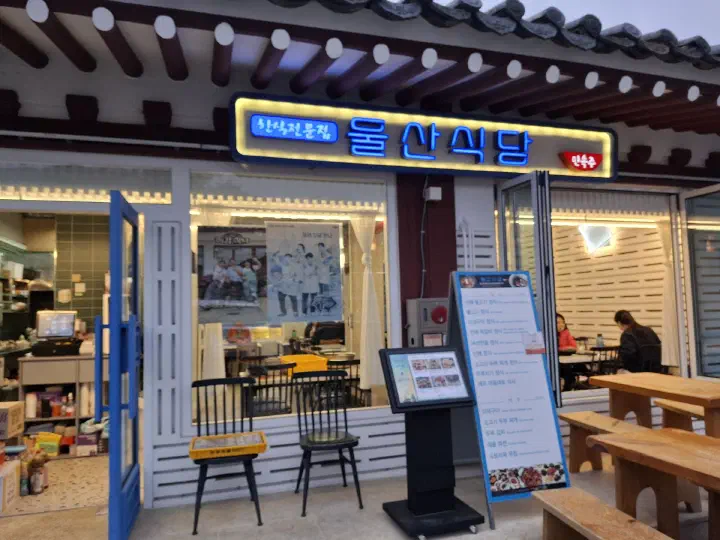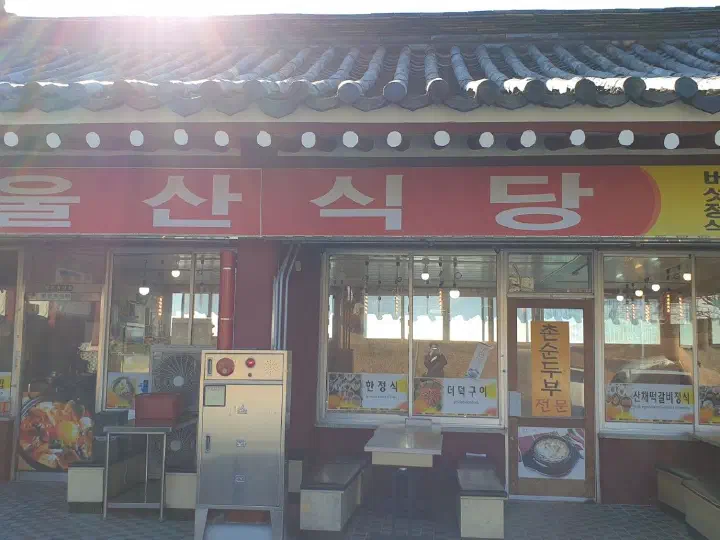
We’d just walked down from Bulguksa Temple and were trying to figure out where to grab lunch. The restaurants right at the foot of the temple all looked similar, but one name stood out to me — Ulsan Restaurant (울산식당). It’s in Gyeongju, so why Ulsan? That little question is what pulled me in, and it turned out to be one of the better-known Korean spots in the area.
The basics
Here’s the practical stuff before anything else.
- Name: Ulsan Restaurant (울산식당), Korean home-style set meals
- Address: 6 Bulguksintaekji 7-gil, Gyeongju-si, Gyeongsangbuk-do
- Phone: 054-746-5465
- Hours: 09:00–20:00 daily (last order 19:00)
- Parking: Free, a few spaces right in front
📍 View Ulsan Restaurant (울산식당) on Google Maps →
It’s about a three-minute walk from the Bulguksa entrance, so it’s an easy stop before or after you see the temple.

Getting there
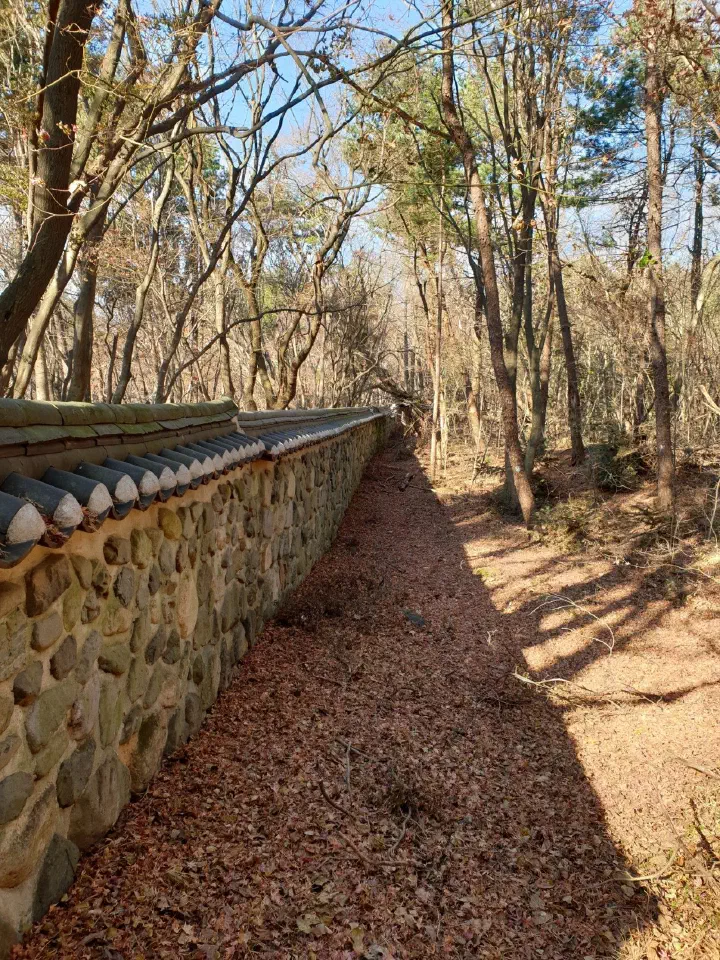
The walk down from Bulguksa is lovely, especially in autumn when the leaves turn. I took my time on the path, kicking through fallen leaves, before reaching the cluster of restaurants.

Ulsan Restaurant sits along that little restaurant row, and the road has a bit of a slope, so finding parking can be slightly confusing the first time. There are a few spots out front, and if those are taken, there’s plenty of parking nearby — nothing to stress about. One heads-up: the gap between the pillars on the way in is fairly tight, so if you’ve got a wider car, you might be happier parking a little further out and walking over.
A note for travelers without a car: Google Maps walking and transit directions are often unreliable in Korea, so I’d use Naver Map or KakaoMap instead. A taxi from central Gyeongju runs around 20–30 minutes, and the Kakao T app makes hailing one easy without any language barrier.

Inside
The interior is clean and bright, mostly white tones, with maybe ten four-person tables — comfortable for families or small groups. The walls are covered with celebrity signatures and TV posters. This place was featured on the Korean food show Tasty Guys (episode 465), where they filmed the sanchae bulgogi set.
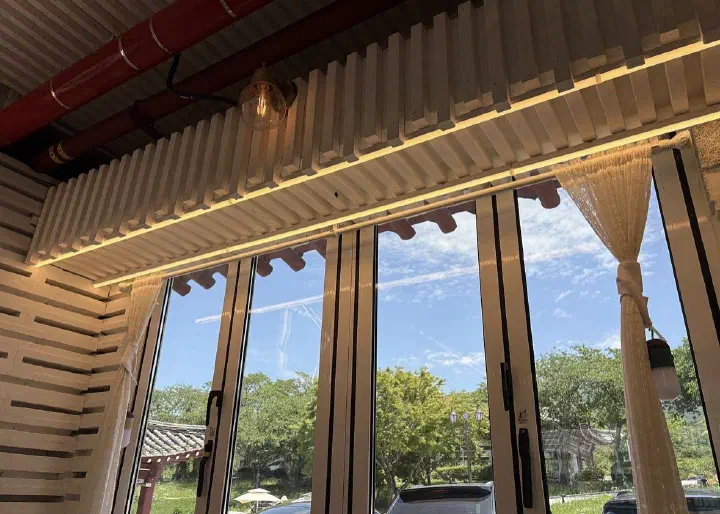
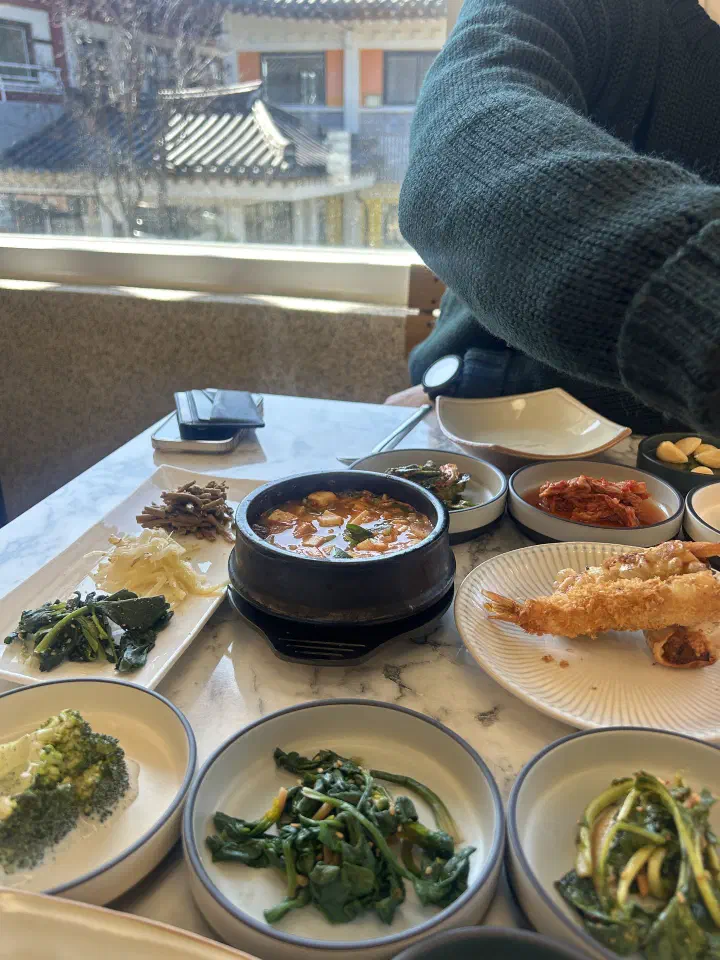
When the weather’s nice they leave the windows open, and you can see the curved tiled rooftops that Gyeongju is known for. Little touch, but it made the meal feel more like Gyeongju.

The complimentary starters
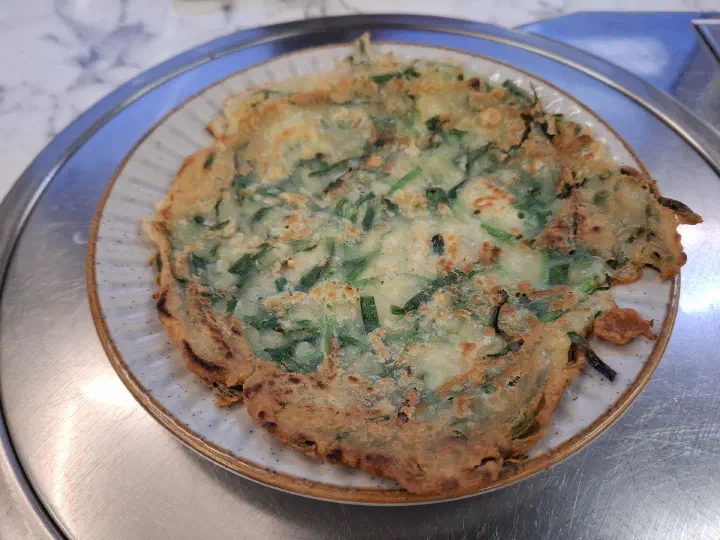
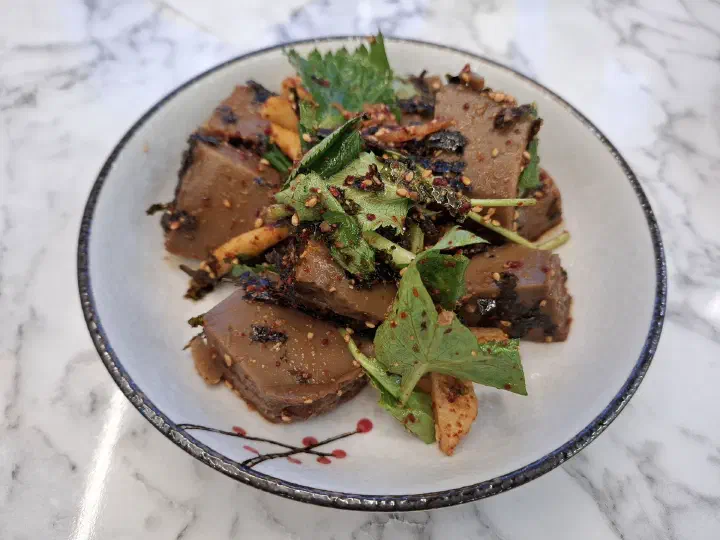
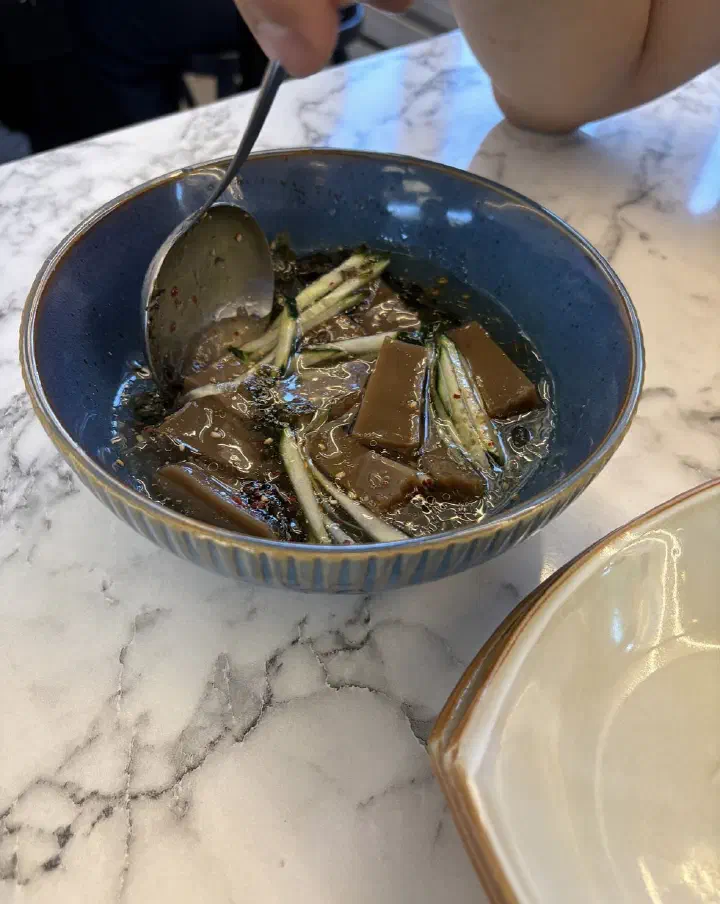
Order a set meal and, while you wait, they bring out a buchu pancake (부추전, garlic-chive and seafood pancake) and seasoned dotori-muk (도토리묵, acorn jelly) on the house. I didn’t expect much from freebies, but the pancake came out hot off the pan and the acorn jelly was tossed with fragrant greens. Honestly, nibbling on these meant the wait didn’t feel like a wait at all.

The side dishes are the real draw
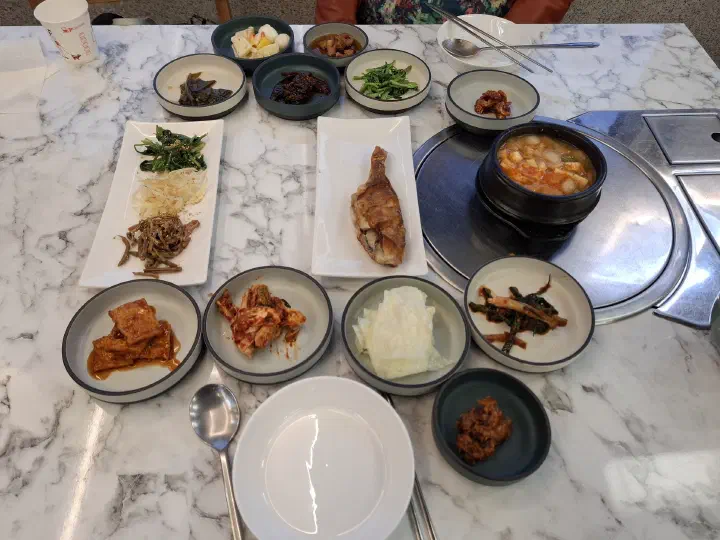
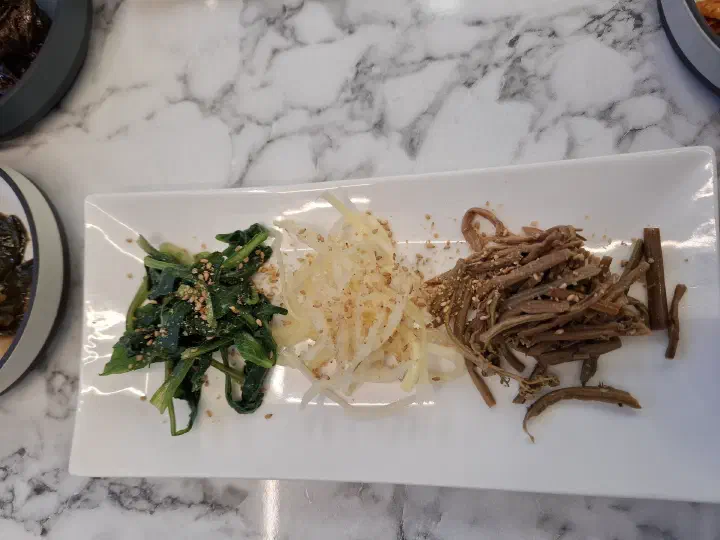
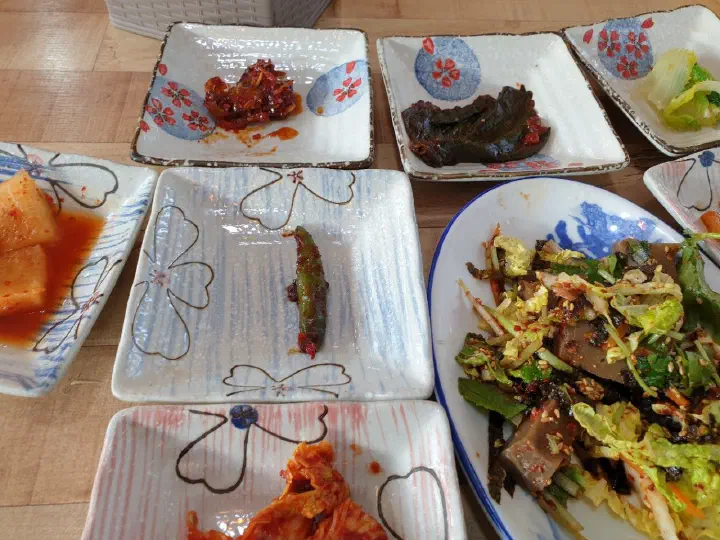
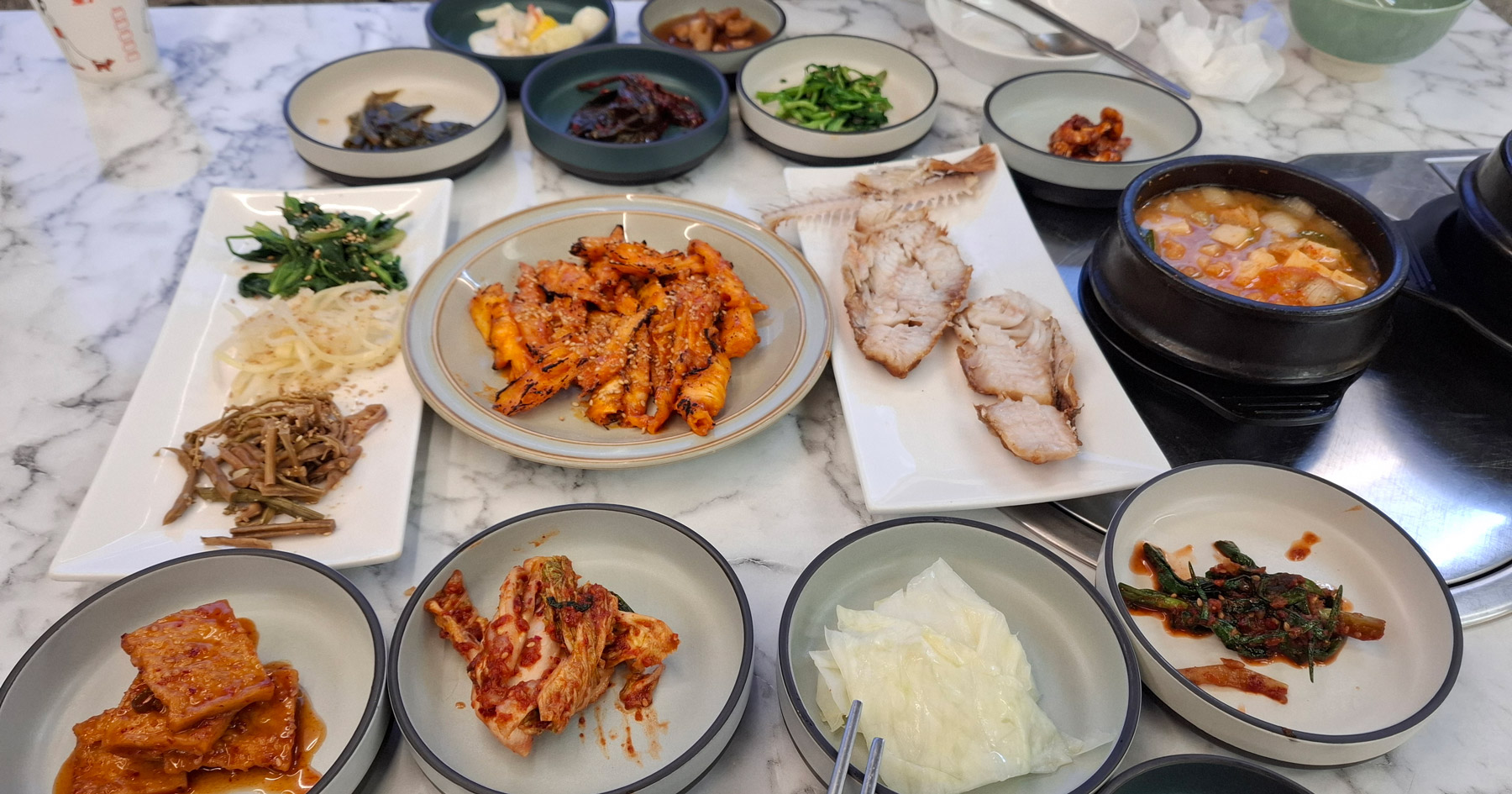
For me, the banchan (side dishes) are what make this place. More than ten come out as standard — wild greens like sandeodeok (산더덕, mountain bonnet bellflower root), gondre (곤드레), and gosari (고사리, bracken fern), plus soy-braised beef, pickles, braised radish, dried-pollack stir-fry, seasoned cucumber, and various jeotgal (젓갈, salted seafood). The owner grows a lot of the ingredients herself, and the seasoning comes from soy sauce, doenjang, and gochujang aged over thirty years.

Nothing was over-salted or aggressive — it all leans gentle and balanced, the kind of seasoning that keeps you reaching for more. It tastes like a really good home-cooked meal.


The signature: sanchae bulgogi set
The flagship is the sanchae bulgogi set (산채불고기정식, wild greens with bulgogi; 25,000 won per person, sets are for two or more). The bulgogi simmers in a pot at your table with a big pile of mushrooms — oyster, enoki — so the meat cooks in the mushroom broth. It’s cooked almost like a stir-fry but never burns, and the sweet, tender beef goes perfectly with the mushrooms. Spoon it over the fresh rice and it’s just lovely.

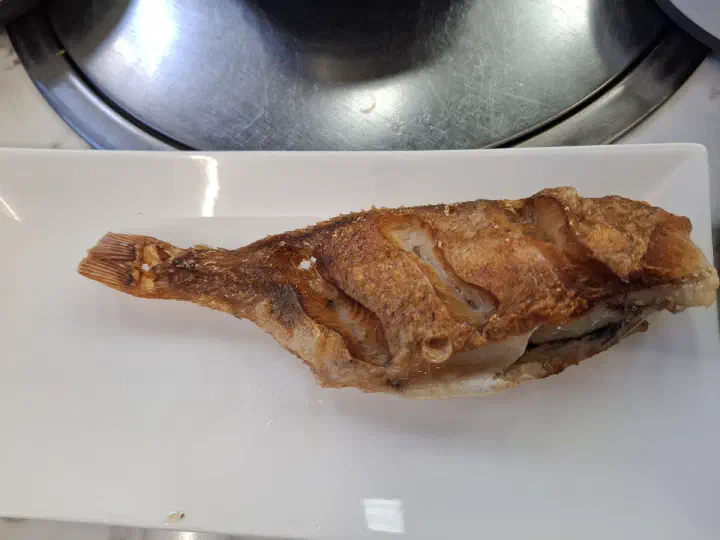
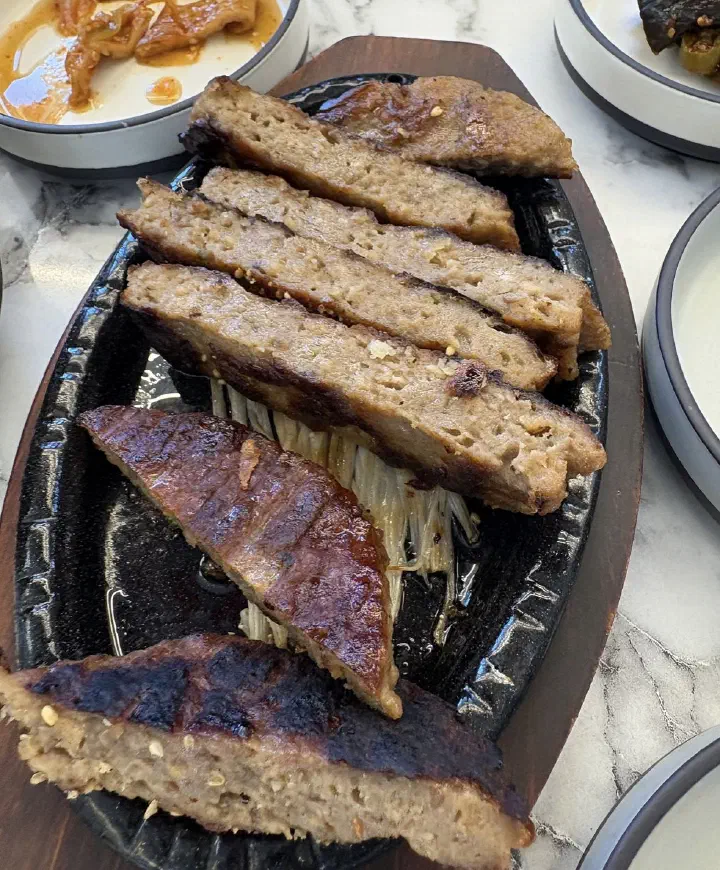
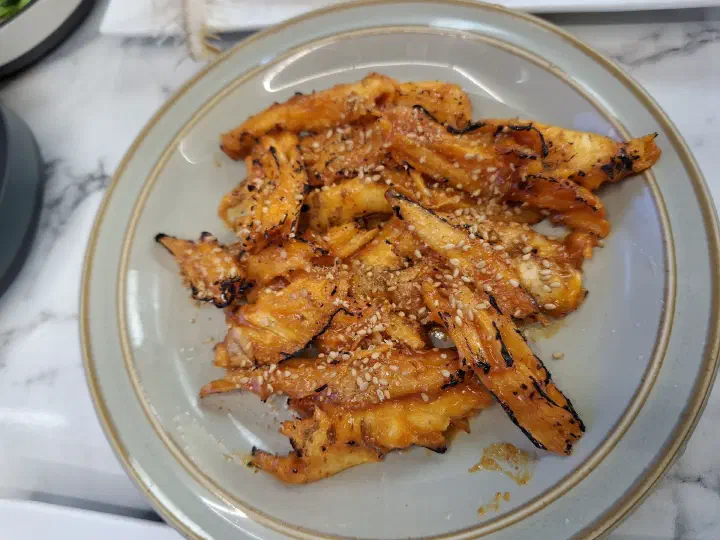
The grilled deodeok (더덕구이, bonnet bellflower root) on the side is good too, and the grilled fish — bbolak (뽈락, a local rockfish) — is firm and clean, with no fishy smell, so the rice just disappears. Partway through, a hamburger steak, tteokgalbi, and small egg-battered fritters also turn up. The tteokgalbi (떡갈비, grilled minced-beef patty) has bits of chewy rice cake inside, which is a fun texture.


Mushroom hotpot and beef-tofu stew
The beoseot jeongol set (버섯전골정식, mushroom hotpot; 15,000 won per person) is a broth dish with bulgogi, assorted mushrooms, and glass noodles. I’d expected something light and clear, but with all that bulgogi it comes out sweet and rich, finished with a generous dusting of ground perilla seeds for a nutty depth. Once it boils, give it a good stir and dig in.

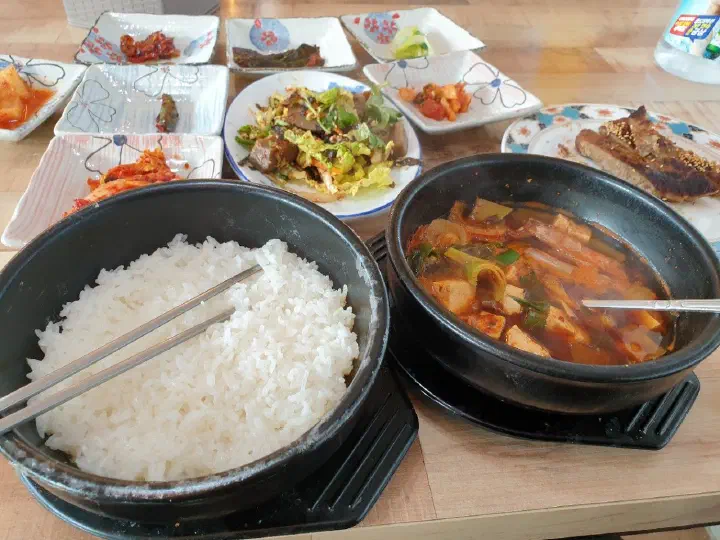
The table next to us had the sogogi dubu jjigae set (소고기두부찌개정식, beef and tofu stew; 15,000 won per person) — a red, brothy stew loaded with mushrooms, tofu, beef, and glass noodles. It’s got a gentle kick without being truly spicy, the kind of thing the whole table can share.
A quick spice note for non-Korean readers: even the milder Korean dishes can read as spicy if you’re not used to Korean heat. The stew here isn’t extreme, but go in knowing your own tolerance.

The spicy pork set
The jeyuk durchigi set (제육두루치기정식, spicy stir-fried pork; 15,000 won per person) has a faint smoky char to the marinade, more sweet than hot. The portion is huge — it’s a little hard to believe the quality you get at this price. Pairing it with the sanchae bulgogi set so you can try a bit of everything is the way to go.


Clay-pot rice and nurungji
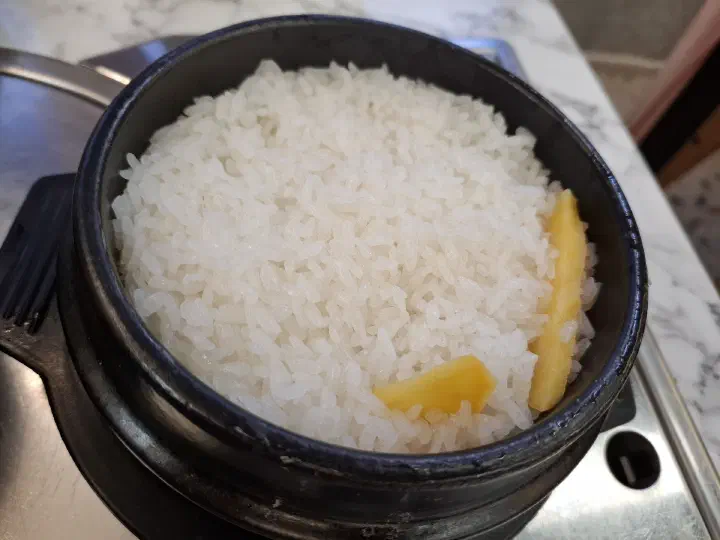
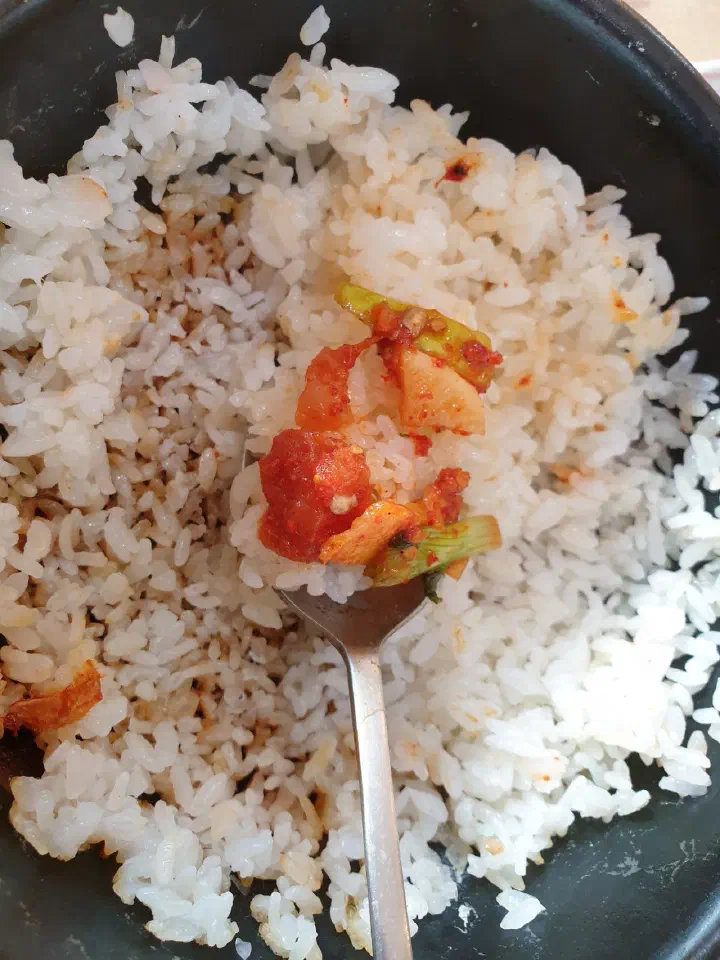
Rice arrives in a clay pot, made with organic rice the owner grows herself. There’s sweet potato and kabocha squash on top — which turned out to be so good I ate all of it myself. The grains are fluffy rather than sticky, so the texture is a little different from what you might expect, in a nice way.


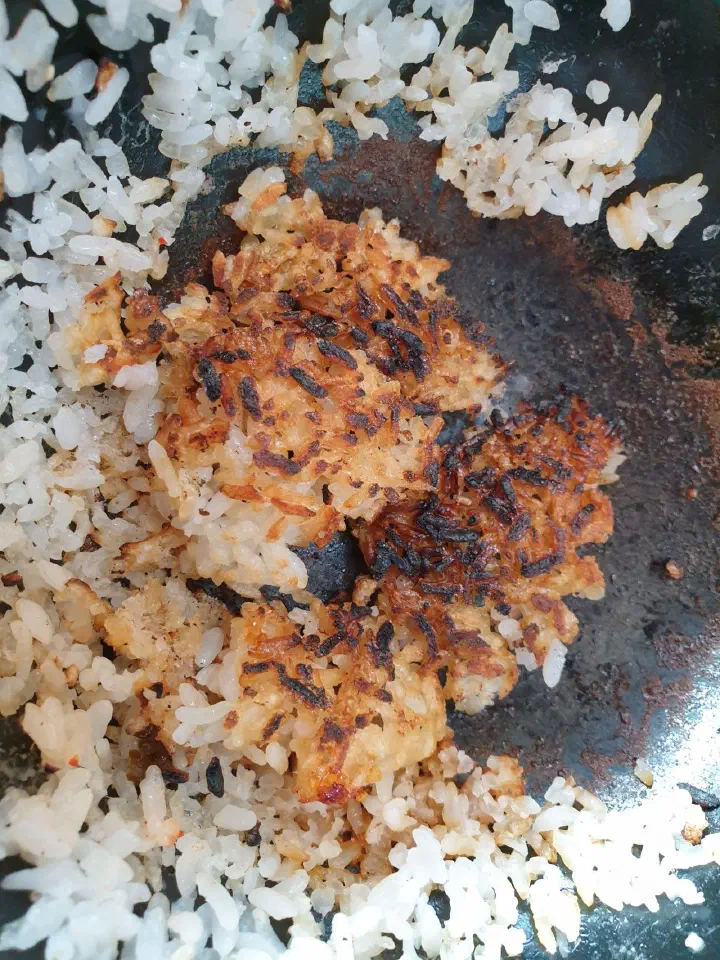
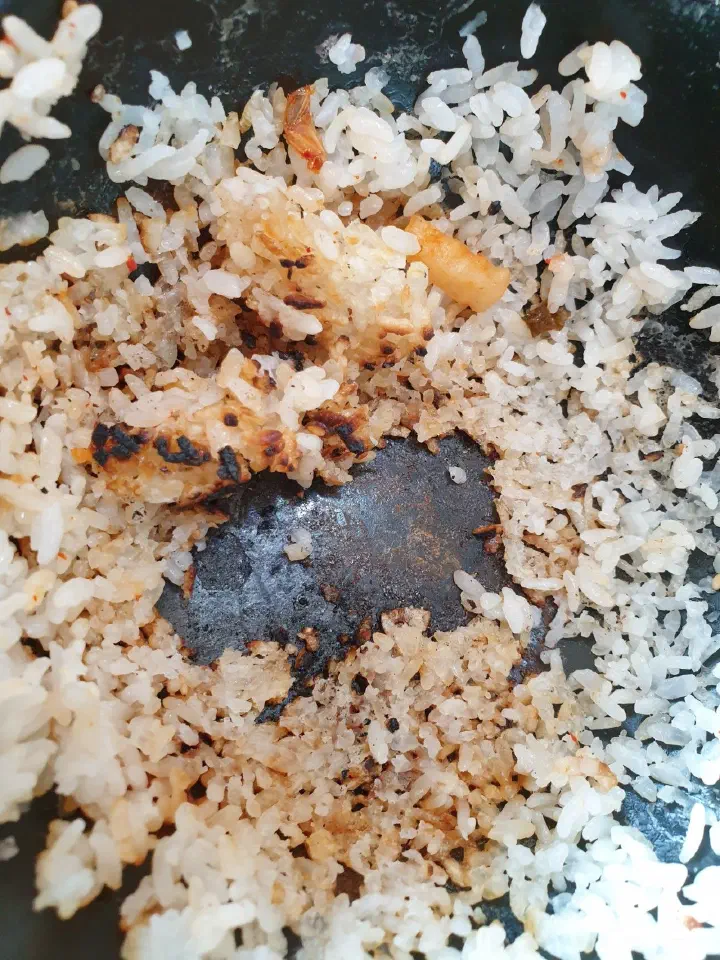
Once you’ve scooped out the rice, you pour water into the pot to make nurungji (누룽지, scorched-rice tea). Scraping up the lightly toasted crust and sipping the warm, nutty broth is the perfect ending — you leave full and oddly settled.

A friendly owner
The owner comes around to explain each dish as it lands. It doesn’t feel like a script — you can tell she genuinely cares about the food, which made me trust it and enjoy it more.
Here’s a rough look at the menu:
- Sanchae bulgogi set — 25,000 won
- Bulgogi set / grilled deodeok set / sanchae tteokgalbi set — 20,000 won each
- Sanchae (wild greens) set — 18,000 won
- Mushroom hotpot set / beef-tofu stew set / spicy pork set — 15,000 won each
- Tteokgalbi set — 13,000 won
- Sanchae bibimbap / sundubu stew / doenjang stew / galbitang — 12,000 won each
- Grilled deodeok 30,000 · dubu kimchi 20,000 · seafood pancake 15,000 · seasoned acorn jelly 15,000
Set meals are for two or more, but the single dishes (bibimbap and stews) can be ordered for one, so solo diners are fine here. Don’t worry about the language — there isn’t much English, but you can look at the menu and point, and ordering a couple of dishes that way is genuinely easy.

One honest heads-up
The restroom is a shared one outside the restaurant and isn’t the tidiest, so just know that going in. On weekends and holidays the place fills up fast around lunch and a wait can form — it’s worth a quick call ahead.
Card payment is no problem here, as it is at almost every restaurant in Korea, so any internationally accepted card works fine. And there’s no tipping culture in Korea — you don’t need to tip, and trying to might just confuse the staff.
Final thoughts
It’s a tourist-area restaurant that’s been on TV, so I went in with low expectations — but every single side dish was good, the portions were generous, and I left happy. The food is gentle and clean rather than aggressive, which makes it a nice choice if you’re dining with older family, and the value is solid. If you’re after a proper Korean meal on your way to or from Bulguksa or Seokguram, this one’s worth the stop.