If you ask around Icheon about a good rice-and-banchan place,
this name comes up almost every time.
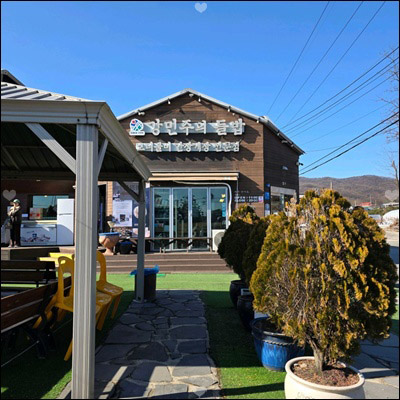
It sits down a quiet lane in Majang-myeon (마장면) - nothing flashy around it -
yet the lot fills with cars every lunch.
One spoonful of the rice and you start to understand
why people in Icheon keep talking about their rice,
so here’s the place written up properly.

The basics first
- Name: Gangminju Deulbap (강민주의들밥), main branch
- Address: 17 Jisan-ro 22beon-gil, Majang-myeon, Icheon-si, Gyeonggi-do
- Hours: 11:00 - 20:00, daily
- Break time: [[FIXME: recent posts mention a 16:00-17:00 break with last order around 19:15, but Naver Map lists no break - worth confirming before you go]]
- Phone: 031-637-6040
- Parking: a large free lot beside and behind the building; a marshal directs cars on busy weekends
- Accessibility: wheelchair-accessible seating and high chairs available
📍 View Gangminju Deulbap (강민주의들밥) on Google Maps →
This is not a place you reach easily by public transport.
It’s out past Deokpyeong IC toward Jisan Resort and Cheonggang University,
near Icheon’s “rice-meal street” by the Sinchun pottery village.
A lot of visitors fold it into a bigger day out -
the Icheon and Yeoju premium outlets, the national cemetery,
Jisan ski slope, or a round at one of the nearby golf courses.
A quick note on getting here: Google Maps is unreliable for walking
and transit directions in Korea, so use Naver Map or KakaoMap instead.
If you don’t have a car, the easiest option is a taxi via the Kakao T app,
since the spot is genuinely tricky to reach without driving.
The short version
Here, the rice and the side dishes are the stars.
It isn’t a place built around one big slab of meat.
You come for stone-pot rice made with Icheon rice
and a long lineup of carefully made vegetable banchan,
refilled as much as you like.
That’s also why opinions split.
Some leave thinking “why does this cost that much,”
others leave already planning a return because every side dish was good.
I’ll keep both sides honest below.
How the set comes out
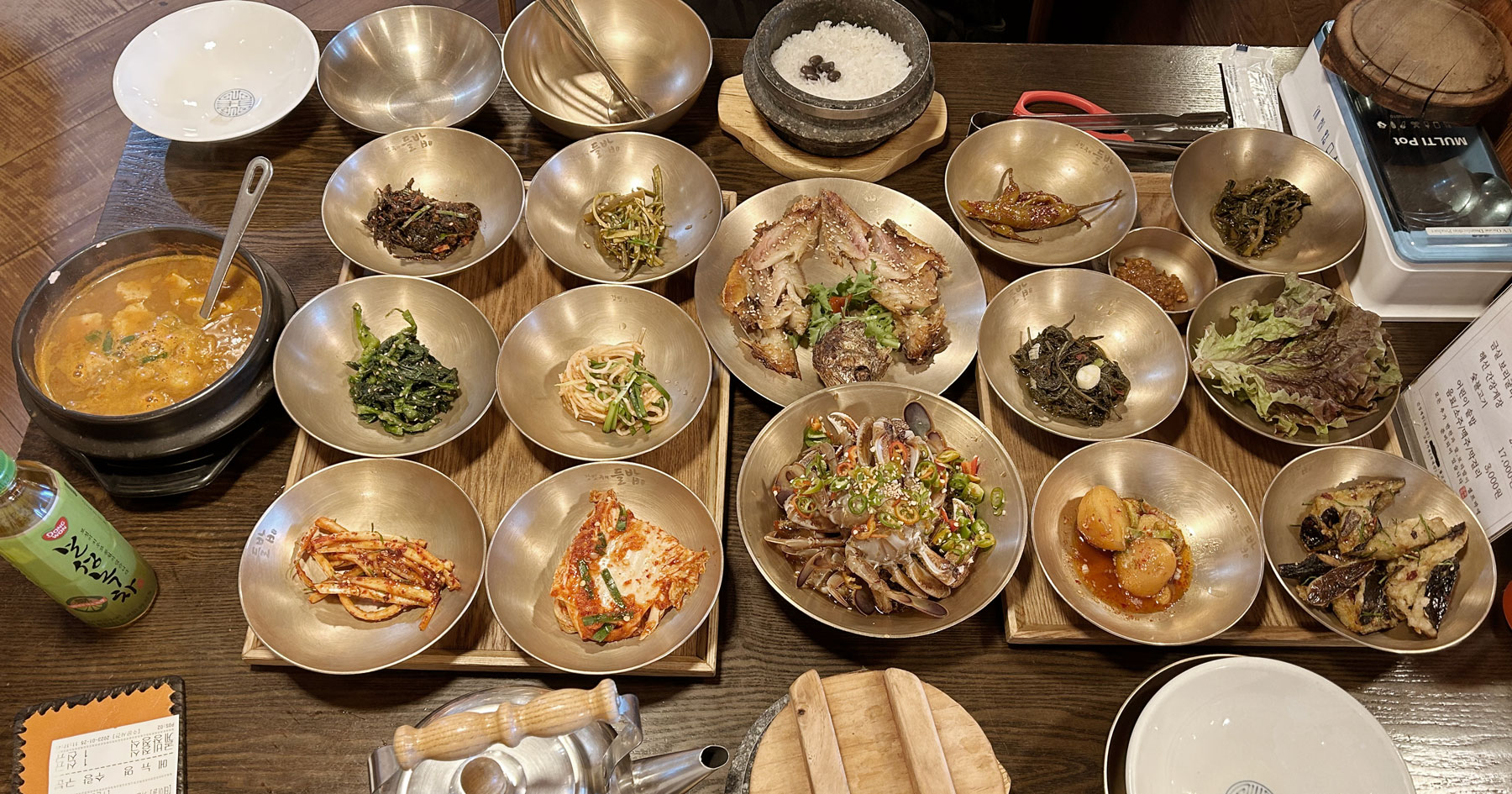
You order “deulbap” by the number of people.
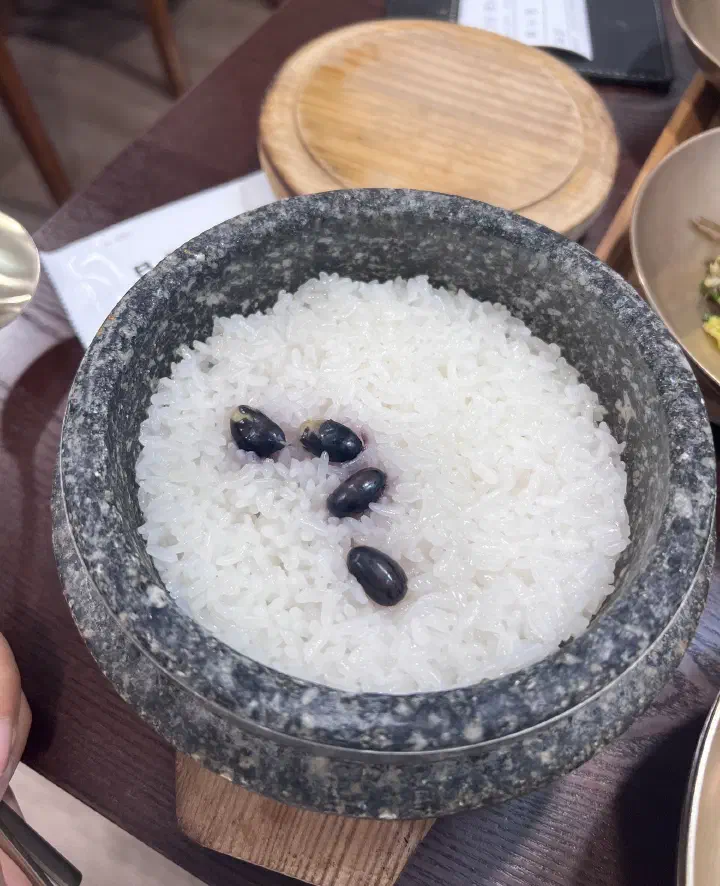
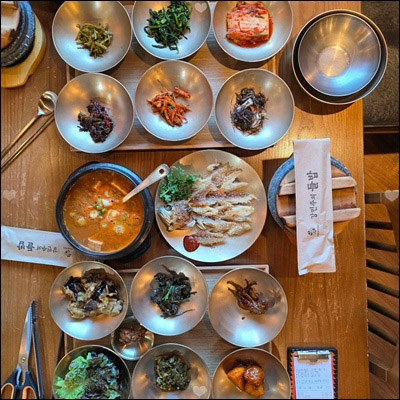
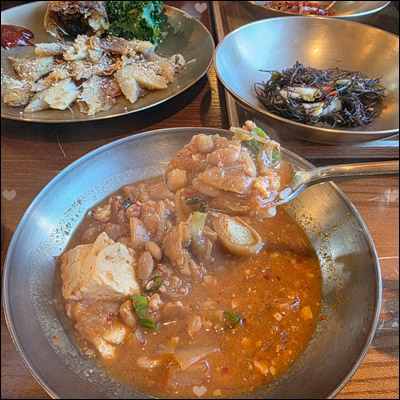
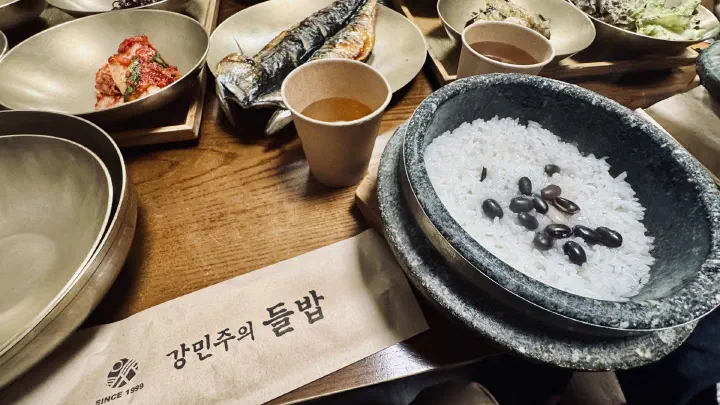
Each one brings a stone-pot of Icheon rice with black soybeans,
a hearty cheonggukjang (fermented soybean stew),
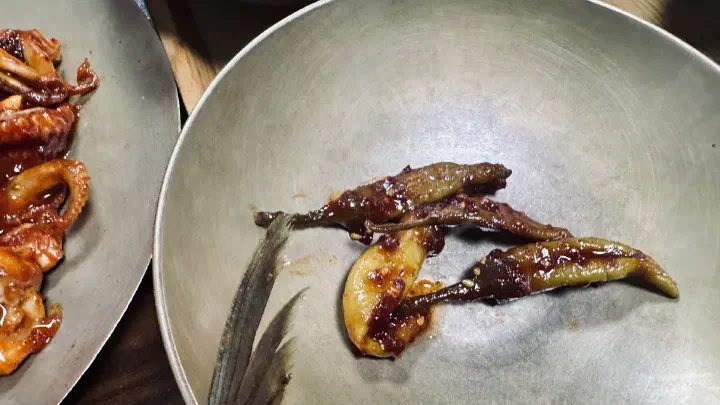
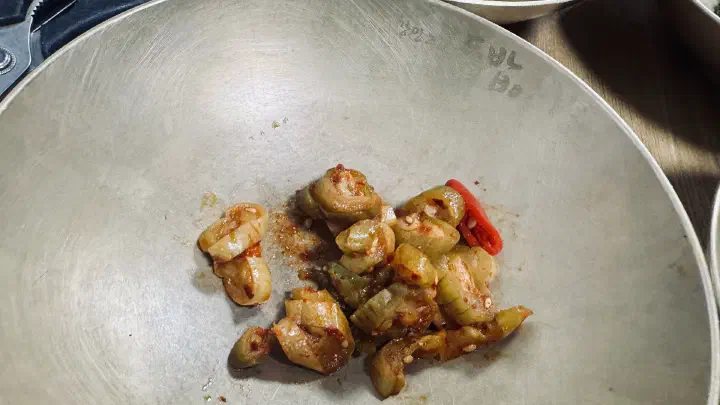
and around twelve master-made banchan, all at once.

The rice - flecked with black soybeans (서리태) - comes out glossy and a little sticky,
good enough to eat on its own.
The proper finish is to scoop most of it out, pour in water,
and let the crust at the bottom turn into a warm nurungji broth.

The banchan are said to be made each morning with seasonal vegetables,
and serving them in brass bowls makes the whole table look tidy.

Going through the side dishes
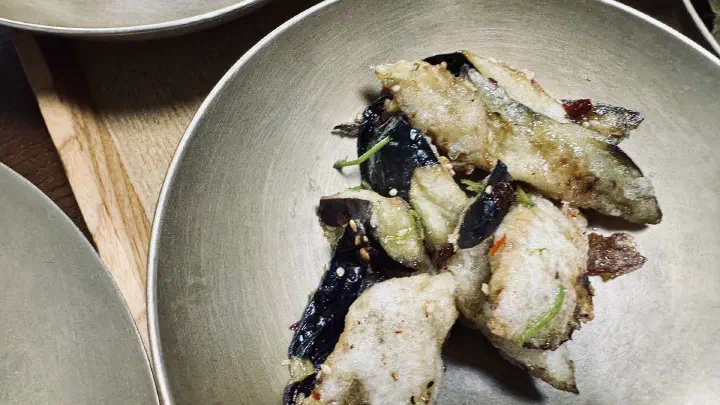
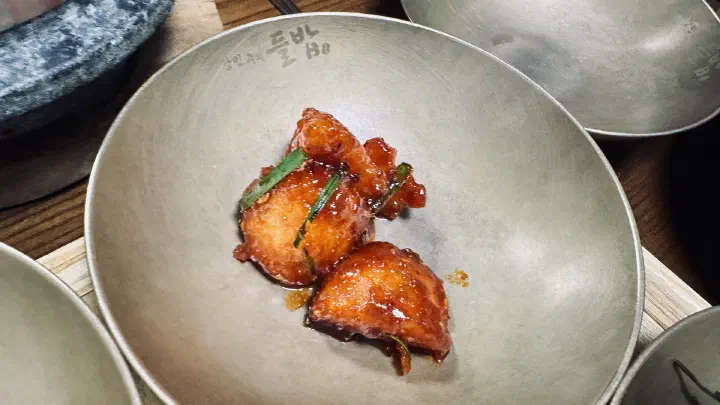
The surprise favorite here is the fried eggplant (가지튀김, gaji-twigim).
Crisp outside, soft inside, seasoned just right -
people who normally skip eggplant tend to keep reaching for it.

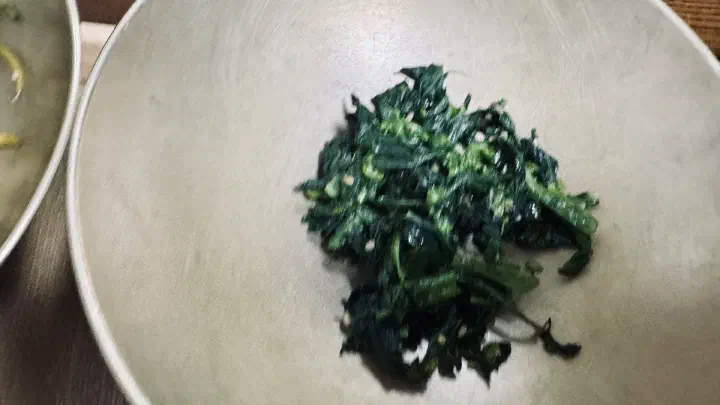
The greens rotate through things that take real work to prep -
bellflower root, dried radish-green namul, chwinamul, castor-leaf namul.
Most are seasoned gently, so they keep pulling rice along with them.


The braised potatoes (감자조림, gamja-jorim) once changed
to a fried-then-braised style, and longtime regulars noticed right away,
missing the older, fluffier version.
It’s a small dish people here clearly care about.

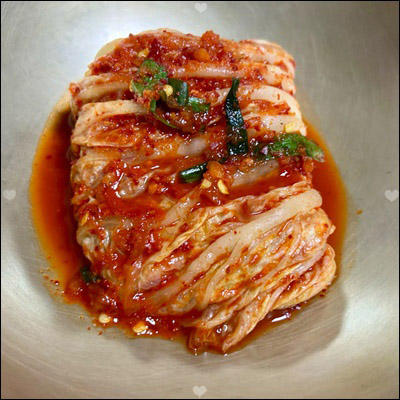
The kimchi is a clean fresh-cut cabbage style,
and the cheonggukjang is the other thing this place is known for.
Simmered with kimchi, it’s deep and savory -
plenty of people say they come mainly for it.
What many don’t realize: the cheonggukjang is refillable too.


How to pick an add-on
The base set leans vegetable-forward,
so many feel it needs a main to round it out.
Most people add one dish.
The two most popular are bori-gulbi and ganjang-gejang.
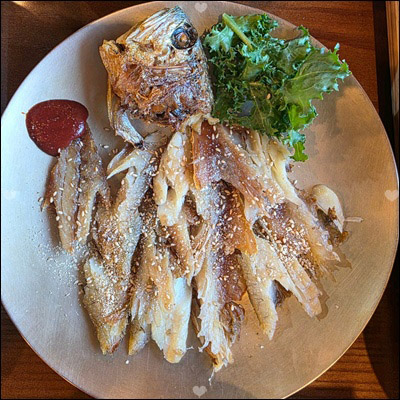
The bori-gulbi (보리굴비, salted dried yellow croaker) has little of that
fishy edge and a firm, chewy flesh. It comes with Boseong green tea,
and the classic move is to pour the tea over rice and lay a piece of fish on top.
That said, some find the croaker itself fairly ordinary, so keep expectations level.

The ganjang-gejang (간장게장, soy-marinated raw crab) uses a crab
with a shell that isn’t too hard to handle.
It’s not overly salty, the savory depth is there, and it earns its “rice thief” reputation,
with chili slices on top cutting any rawness.
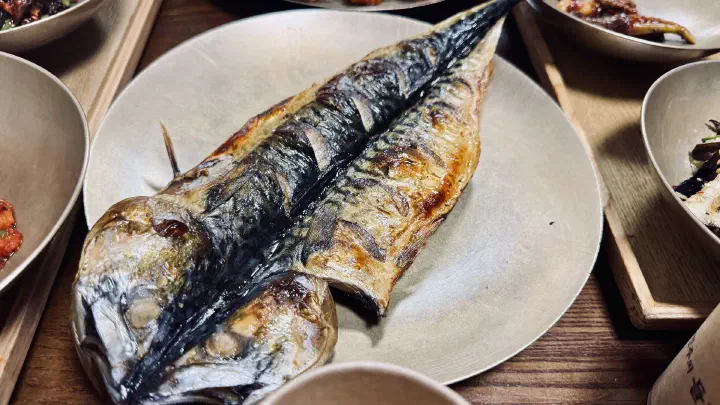
The grilled mackerel (고등어구이, godeungeo-gui) is usually crisp-skinned and well cooked,
but honestly the banchan are so good that the fish often goes half-eaten.
If you’re not a fish person, you can skip it.

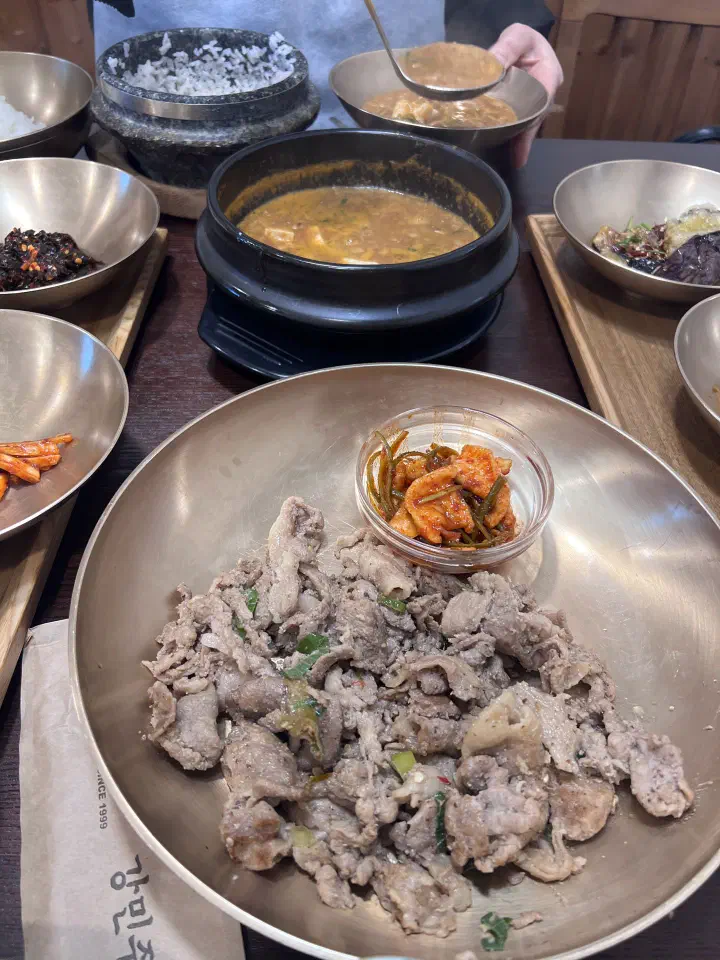
When the price went up, a little charcoal-grilled pork started coming
with the base set. It’s soy-based and fine, though it can arrive
slightly cooled once the lunch peak passes.
For real smoky flavor, order the jeyuk or the charcoal-grilled webfoot octopus instead.
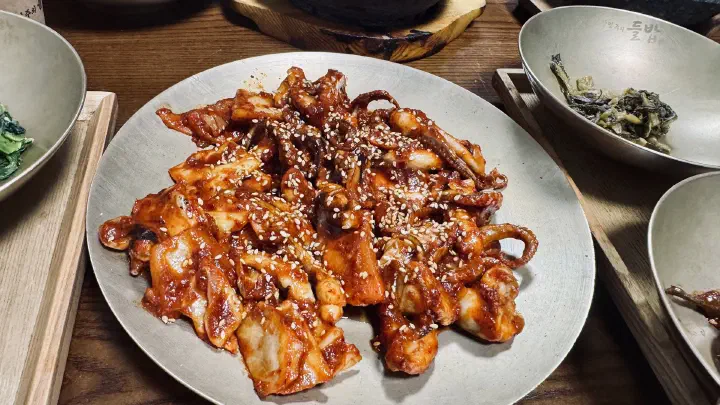
The octopus (직화쭈꾸미, jikhwa-jjukkumi) keeps its grilled aroma
and is great spooned over rice with a bit of heat.


A heads-up on spice: when something here is described as spicy,
it’s spicy by Korean standards, which can land much hotter for visitors
not used to Korean heat. Brace yourself for the octopus in particular.
The self-serve bar is the real draw
One big reason people love this place is the self-serve bar.
In the middle of the room you’ll find boiled barley rice, white rice,
namul, gochujang, perilla oil, sesame oil and ssamjang,
all there to take as much as you want.

At a traditional Korean spread, asking for refills again and again can feel awkward,
so being able to serve yourself is a genuine relief.
The standard finish is a bibimbap:
barley rice, leftover namul, a dab of gochujang and a swirl of perilla oil.
Even when you’re full, this one somehow still goes down.


Waiting and timing
Weekend lunch means a wait - plan for it.
An hour or two is common, and at peak the ticket number can run past 100.
But turnover is quick.
The hall is large, with well over twenty tables,
so the line usually moves faster than the number suggests.
The key tip: you can join the queue remotely through the CatchTable app.
Put your name in before you arrive and you’ll cut the on-site wait a lot.
Opening is listed as 11:00, but the doors often open around 10:40-10:50,
and the CatchTable queue tends to open earlier in the morning -
so on weekends it pays to sort it out early.
On the flip side, late weekday afternoons and evenings
often have little to no wait, if you’d rather take it easy.
There’s a separate waiting area with barley tea
and warm puffed-rice snacks to nibble on.
There’s a coffee machine in the yard too, but don’t expect much from it.

One parking note
The lot is wide, but the lane in is a little confusing.
It’s one-way on each side of a central parking strip,
so keep right and go in slowly rather than doubling back.
If the front is full, keep driving in - there’s more parking deeper inside.
On busy weekends, just follow the marshal.
The honest downsides
A few things to be fair about.
One, the price.
The set was 17,000 won for a while and is now 19,000.
(Go back far enough and it was 9,000, then 11,000.)
The base is vegetable-forward without meat or fish,
so “pricey for what it is” is a real and common opinion.
Two, without an add-on it can feel a bit plain.
The base alone is filling, but many say a main lifts the whole meal.
Three, some find the seasoning on the sweet side.
Most banchan are mild, but a few can read as sweet,
so if you’re sensitive to salt-versus-sweet, it may split for you.
So, would you go back
When you want a clean, home-style Korean spread,
this is a name that keeps coming up.
The strength of Icheon rice,
the labor-intensive namul and that cheonggukjang,
and the easygoing self-serve refills are what give the place its character.
It suits family meals and trips with parents,
and slots neatly into a day of golf, outlet shopping or sightseeing,
which is why it tends to come to mind whenever you’re back in the Icheon area.
A few practical notes for visiting from abroad.
Like almost every restaurant in Korea, cards are accepted here,
so an internationally usable card is fine - no need to carry much cash.
There’s no tipping culture in Korea; you don’t tip, and trying to can actually
fluster the staff. English isn’t really spoken, and the menu is in Korean,
but ordering is simple - you can point at the menu and hold up fingers for how many,
and the staff sort it out. You pay on the way out at the counter, not at the table.
📍 View Gangminju Deulbap (강민주의들밥) on Google Maps →
Seen on TV
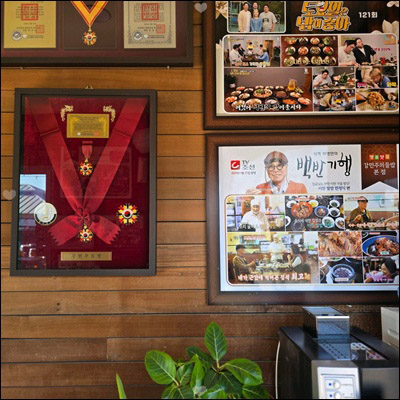
The place has a long run of TV appearances behind it -
including KBS2’s 2TV Live Information, TV Chosun’s Heo Young-man’s Baekban Travels,
SBS Morning Wide, and more going back over a decade.
More recently it drew fresh attention as the “Icheon rice-set restaurant”
visited on a popular celebrity cooking show.
It’s also landed on national lists of notable Korean-food spots,
and it’s been around since 1999.

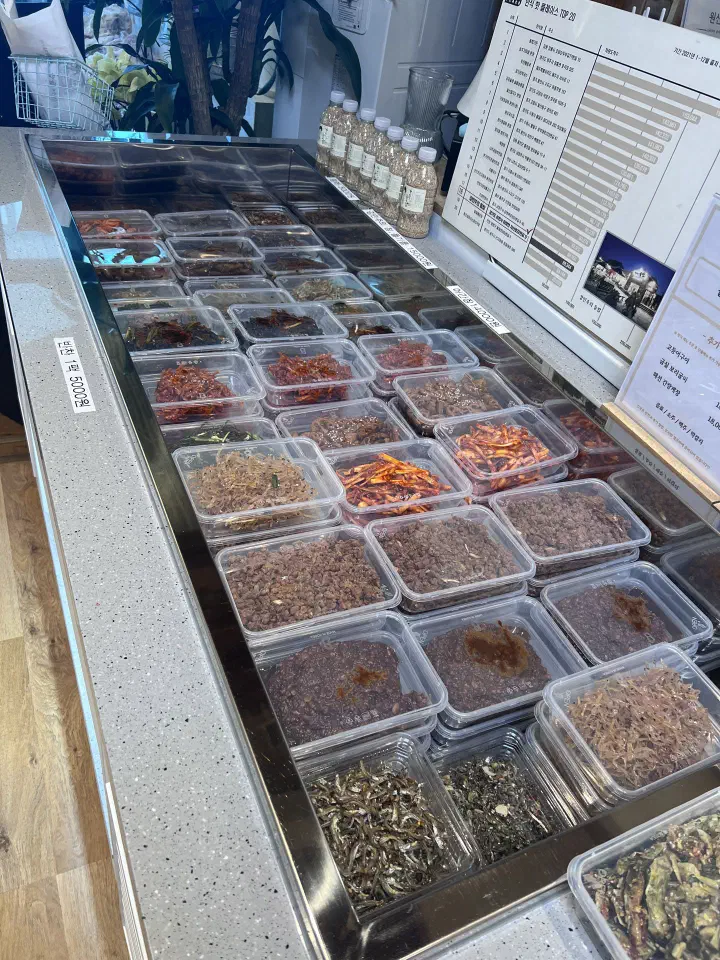
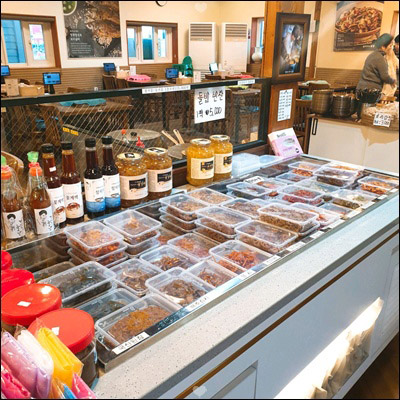
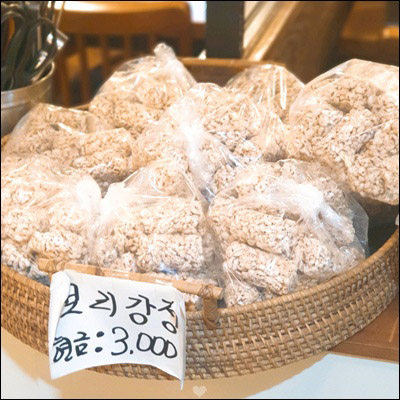
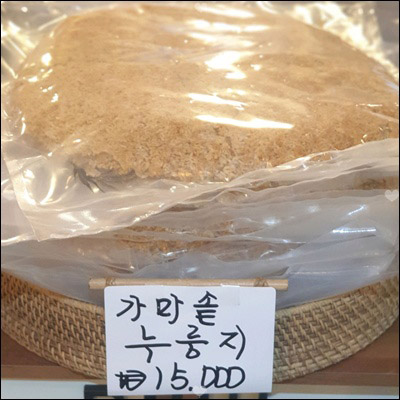
If you enjoyed the meal, check the banchan stand near the entrance.
You can buy the same side dishes by the pack -
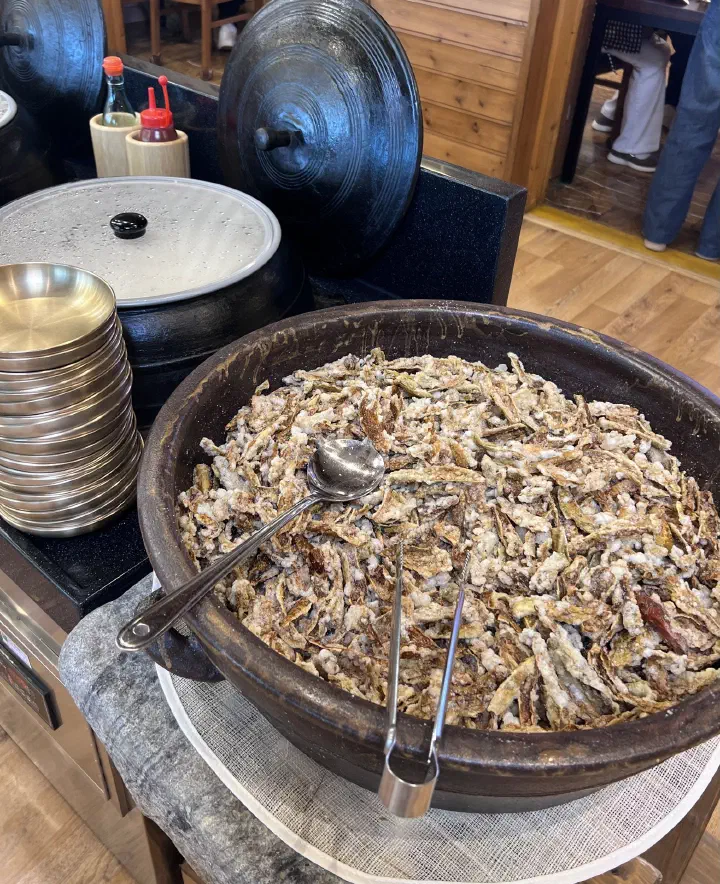
the crispy fried peppers (고추부각, gochu-bugak) get especially good marks.
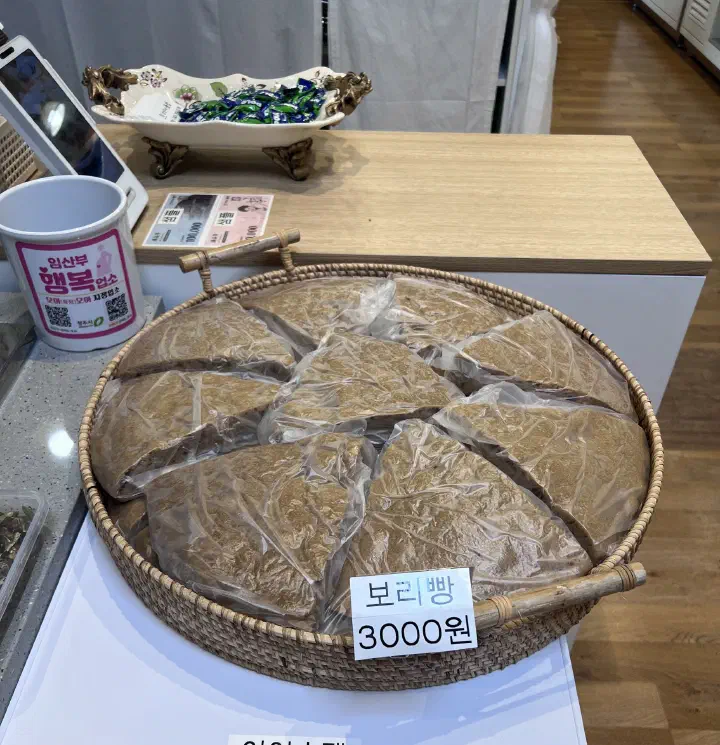
They also sell Icheon-rice rice cakes and barley bread,
plus perilla and sesame oil, nurungji and dried seaweed.