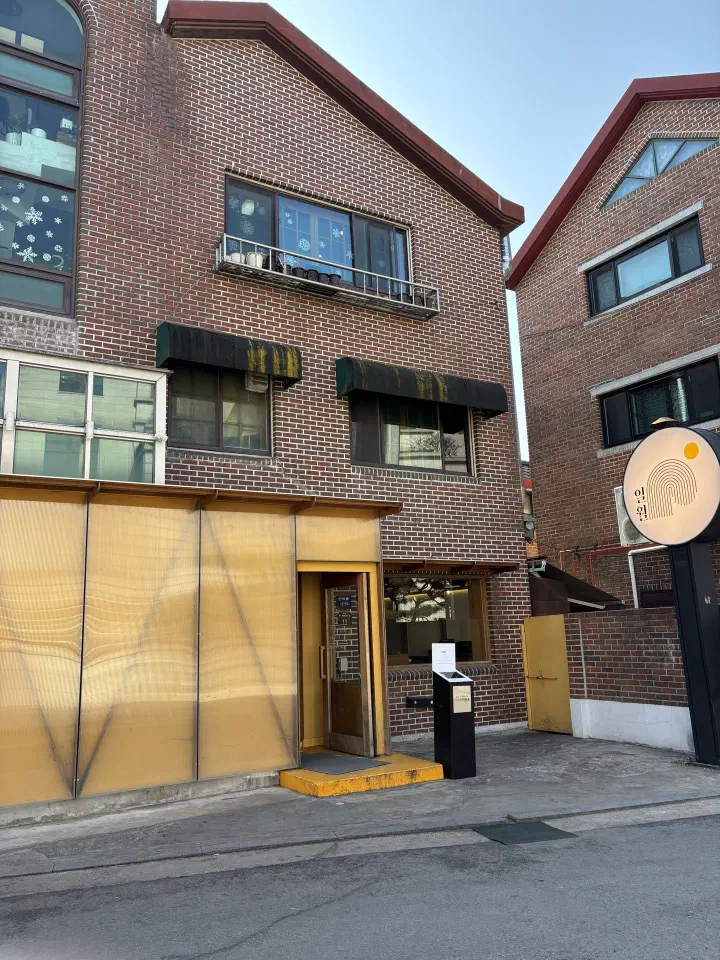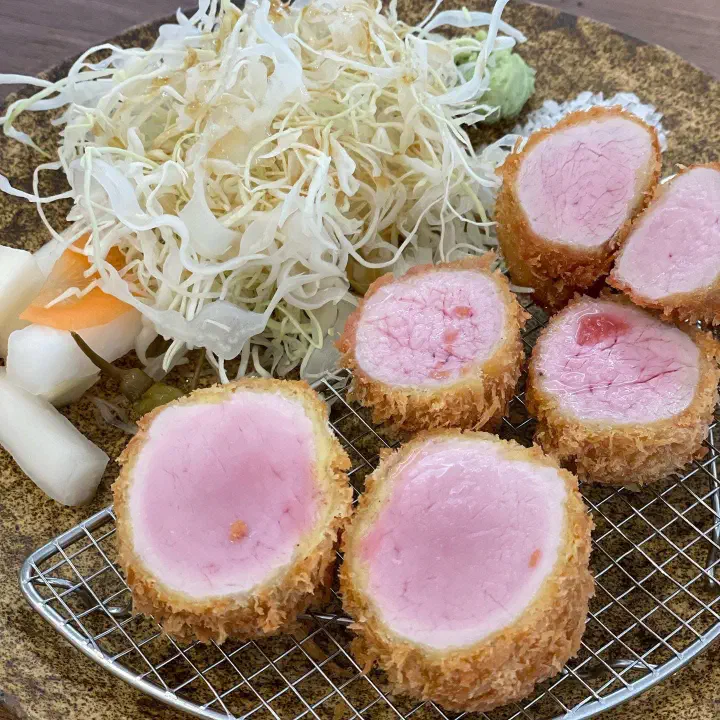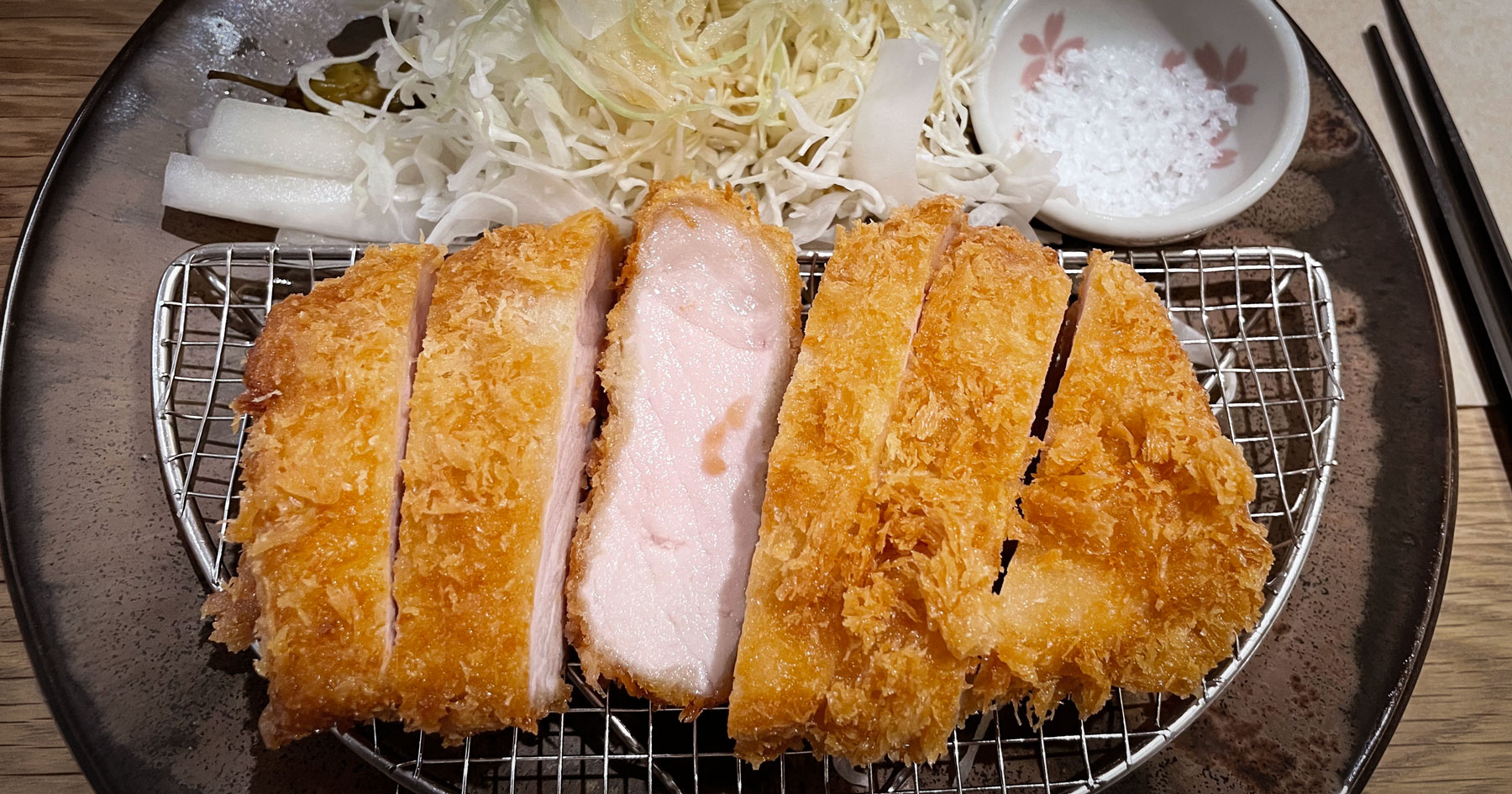
This is a Japanese-style tonkatsu place tucked into a side street by Anguk Station, right between Bukchon Hanok Village and the National Museum of Modern and Contemporary Art.
If you wander that neighborhood, you’ll probably notice the line at some point. That’s this place.
The cutlets here lean on fundamentals rather than flash. The catch is that it’s almost always busy, so knowing how the wait and parking work matters as much as the food itself.

The basics
- Name: Ilwol Katsu Anguk (일월카츠 안국점). The smaller original branch is in nearby Gyedong; this is the second, larger location.
- Address: 11 Bukchon-ro 1-gil, Jongno-gu, Seoul
- Hours: 11:30 - 21:00 daily
- Break time: 15:00 - 17:00 (last orders 14:30 for lunch, 19:30 for dinner)
- Closed: never (open every day)
- No private parking (more on that below)
📍 View Ilwol Katsu Anguk (일월카츠) on Google Maps →
It’s a 2-5 minute walk from Anguk Station. Take exit 2, then head up the alley next to the Starbucks.
One heads-up: there are two branches of the same name within walking distance. The Gyedong branch is a tiny bar-seating original, and the Anguk branch is the roomier second location with both bar seats and tables. Map apps sometimes route you to the wrong one, so double-check before you go.
A quick note on getting around: Google Maps walking and transit directions are unreliable in Korea, so it’s worth using Naver Map or KakaoMap instead. For taxis, the Kakao T app works well and saves you from explaining your destination out loud.
Who it suits
It works for a solo meal, a date, or a family lunch.
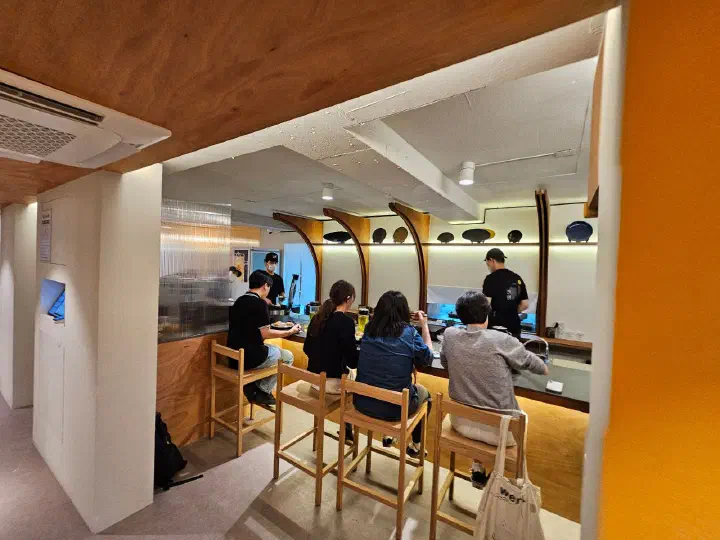
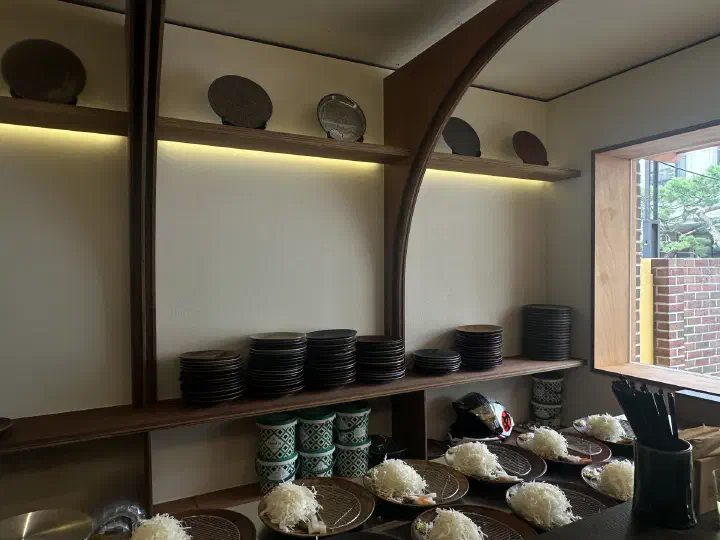
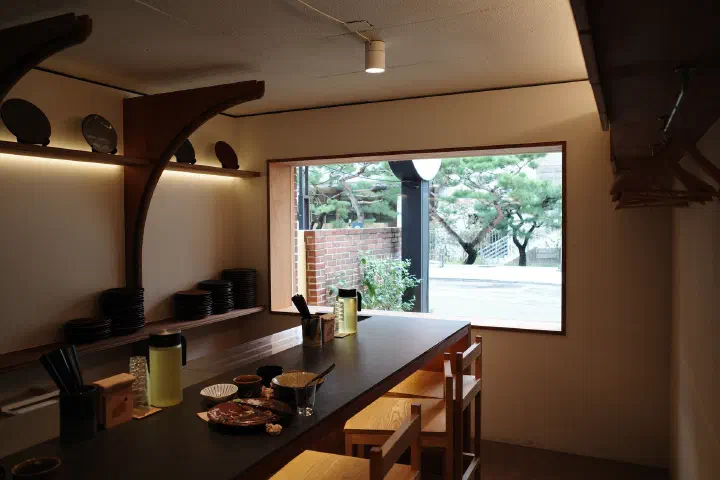
Sit at the bar and you can watch the cutlets being sliced and plated right in front of you, which gives it a bit of that old-school Japanese tonkatsu-counter feeling.
Tables aren’t especially far apart, though. This is a brisk, lively room rather than a quiet one.

The wait is the real gatekeeper
Honestly, the line is the first thing you deal with here, before the food.
It runs on CatchTable. You can put your name in at the kiosk by the door or register remotely through the app. You choose your dishes when you join the queue, so decide on the way over. That’s also why the food lands almost as soon as you sit down.
The vibe shifts a lot by time of day:
- Weekday lunch: after noon the queue swells past 30 groups, but it thins out nicely after 1 p.m.
- Weekend and holiday lunch: usually around an hour, and up to 1.5-2 hours on the busiest days.
- Weekday dinner: arriving around 5:30 p.m. tends to be smoother.
Lunch opens at 11:30, but on-site registration starts around 10 a.m. Put your name down near 10 and you’ll likely make the very first seating. Dinner opens at 5, and you can join the on-site queue from about 4:30, near the end of break time.
The turnover is quick. Because the Anguk branch is larger, even a high queue number often moves faster than you’d expect. People often say the small Gyedong branch is better for an opening-time dash, while Anguk is better if you’d rather register remotely and stroll over.
On a really cold or hot day, some people wait inside the nearby Constitutional Court library; you can go in by leaving an ID, which makes it a handy spot to pass the time.

Going through the menu
There are two stars here: tenderloin (hire) and loin (ros).
Hire katsu - the crowd favorite
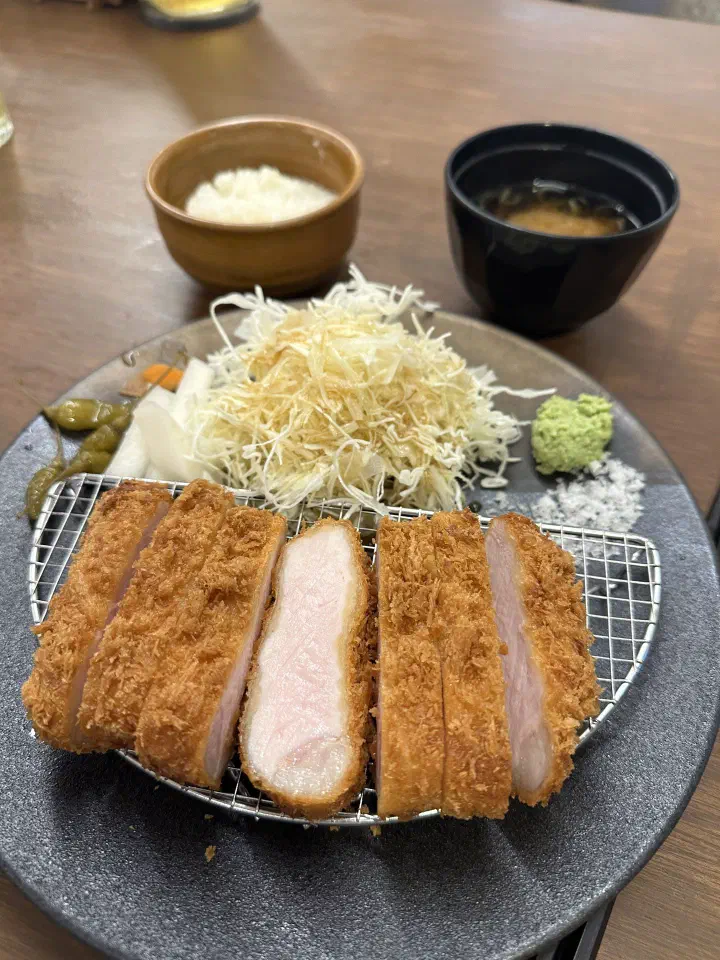
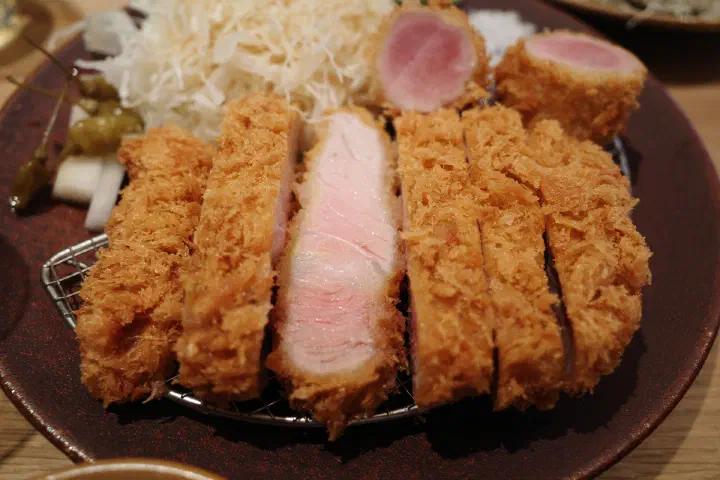
Being tenderloin, it’s reliably soft. The slices show a clean pink center with no off-smell, and “tender enough to eat with your gums” doesn’t feel like much of an exaggeration.
If you love hire, a lot of regulars suggest going straight for the teukhire katsu (특히레카츠). It comes with two extra pieces for only about 2,000 won more, so by volume it’s the better deal.

Sangros katsu - the surprise
Interestingly, plenty of people insist the loin is the real winner here.
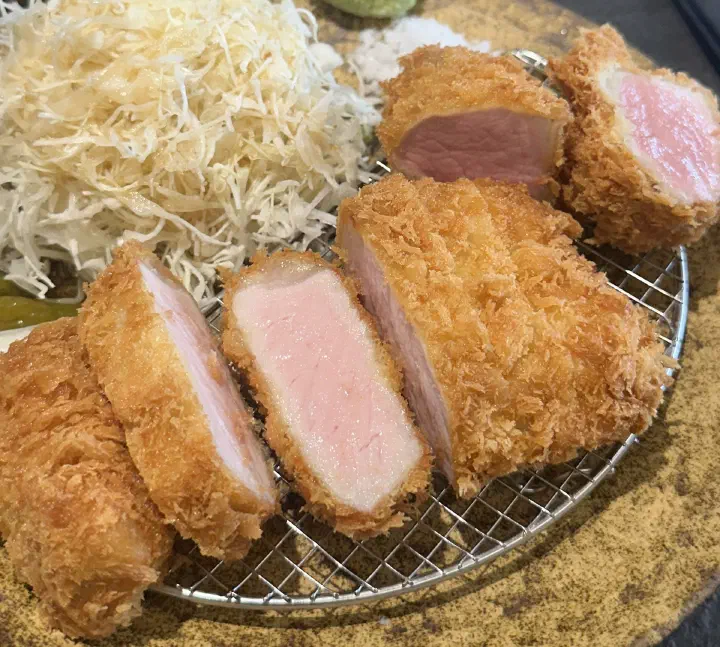
The sangros katsu (상로스카츠) comes with the gabrisal cap of the loin attached, so you get the lean meat’s clean flavor and the fat’s richness on one plate. It also arrives with two pieces of hire on the side, which makes for a fun comparison.
That said, the regular loin runs light on pork aroma and fat. If you’re a loin person who likes a deep, meaty smell, it might read as a touch plain. On the flip side, if heavy cutlets aren’t your thing, that leanness is a plus.
The sangros, teukhire, and pork-neck cutlets are limited in quantity. They can sell out later in the evening, so come earlier if your heart is set on one.

Tori katsu and the sides
The tori katsu (토리카츠), made with chicken breast, is a fairly recent addition. It’s moist and light, popular with people who want something less greasy.
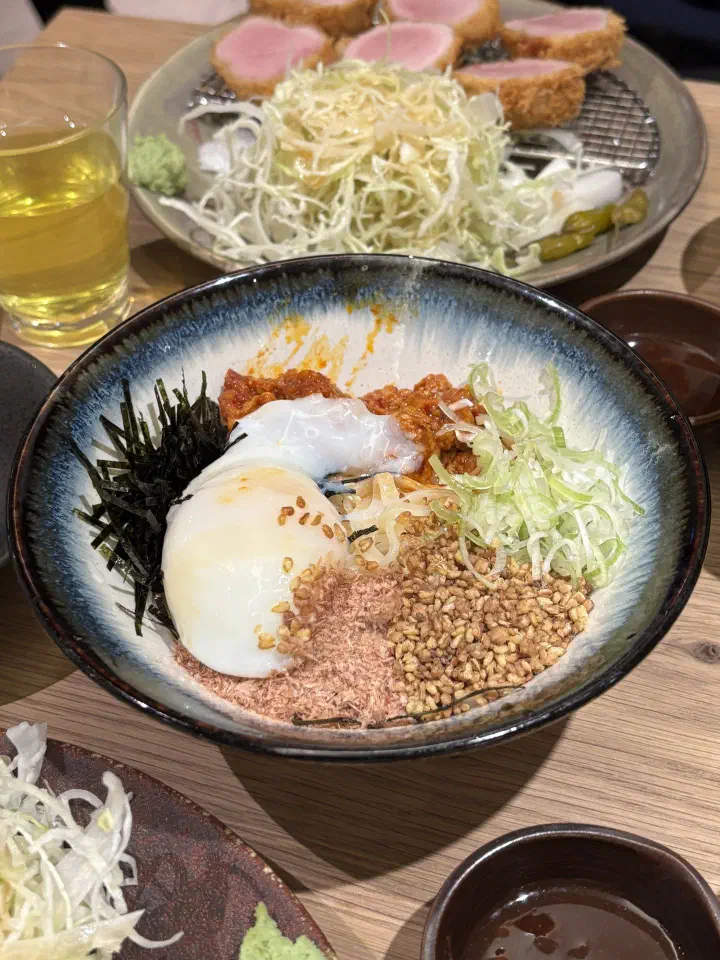
Among the sides, the abura bibimmyeon (아부라비빔면) is sold only at the Anguk branch. It’s a maze-soba-style bowl: noodles coated in seasoned oil and tossed with minced pork, and it cuts through the richness of the cutlet nicely. Many people finish by mixing rice into the leftover sauce. The deulgireum bibimmyeon (들기름비빔면, perilla-oil noodles) gets good marks too.
The supporting cast is solid. You get chewy rice, cabbage salad, pickled chili, pickled radish, and a sharp clear broth, with free refills on the rice and salad. It’s a tonkatsu place where people keep mentioning how good the rice is.

The sauce changed
There’s one shift longtime visitors all point to.
The house sauce used to be made with chestnut honey, and for a while people felt the honey was too strong and masked the meat. It’s since been swapped for a house sauce made with truffle oil and herbs, balanced so the aroma doesn’t overpower, and the reviews clearly warmed up after the change.
The staff walk you through the order: first the Maldon salt to taste the meat plainly, then salt with a dab of wasabi, and the truffle sauce toward the end. Truffle is divisive, though, so if it’s not your thing, the salt and wasabi alone are more than enough for many people.

Atmosphere and service
The thing that draws the most praise is the staff.
They explain how to eat it, and during the meal they top up your cabbage or sauce before you even ask. Even at the busiest hours, that attentiveness holds steady, and the little candy they hand you on the way out sticks in people’s memory.
The room is clean and well air-conditioned.

A few practical notes for visitors from abroad: like nearly every restaurant in Korea, this place takes credit cards, so any internationally accepted card is fine. There’s no tipping culture here, and a tip can actually leave staff a little flustered, so you don’t need to leave one. English may not flow freely, but ordering is easy enough; you choose your dishes on the CatchTable screen, and pointing at the menu works perfectly well if needed.
Plan your parking
The Anguk-dong alleys are famously hard to park in.
Ilwol Katsu Anguk has no private lot. There may look like space out front, but you can’t park there, so if you’re driving, pick a nearby lot in advance.
- Haeyeong Parking, right behind the restaurant, is the closest at about a 2-minute walk.
- The Hyundai Gyedong building lot and the paid lots near Anguk Station are also options.
- The Moduui Jucha (parking) app lets you grab a nearby resident-priority spot for a relatively low rate.
Parking in this area tends to be pricey, so most people recommend public transit. Since you can walk straight from Anguk Station, the subway is by far the easiest call. It’s also worth keeping a little cash on hand in Korea, since a few small lots and markets are cash-only and foreign cards are occasionally declined.
📍 View Ilwol Katsu Anguk (일월카츠) on Google Maps →
The honest downsides
It isn’t all upside.
First, some people find it ordinary relative to the hype. With Korean tonkatsu so good across the board these days, whether it’s worth a one-to-two-hour line is genuinely a matter of taste.
Second, portions aren’t large. If you want to leave full, go for an “extra” or “large” option, or add a side.
Third, there’s the occasional off day. Now and then a review mentions slightly tough meat or uneven frying. It’s not common, but it’s fair to know it isn’t identical perfection every single visit.
And there’s no kimchi or pickled radish in the Korean banchan sense beyond what’s listed; if you like a side of kimchi with your rice, that may feel like a small miss.
Final thoughts
This is a place that has held its spot through consistency and genuine hospitality rather than one showy trick.
If you’re walking around Anguk and Bukchon and a craving for tonkatsu hits, it’s an easy yes. London Bagel Museum, the National Museum of Modern and Contemporary Art, and Bukchon Hanok Village are all close, so it slots neatly into a day’s route.
If the wait worries you, aim for a weekday after 1 p.m. or an early dinner, and take the subway rather than a car. Get those two things right and it’s a much easier place to enjoy.