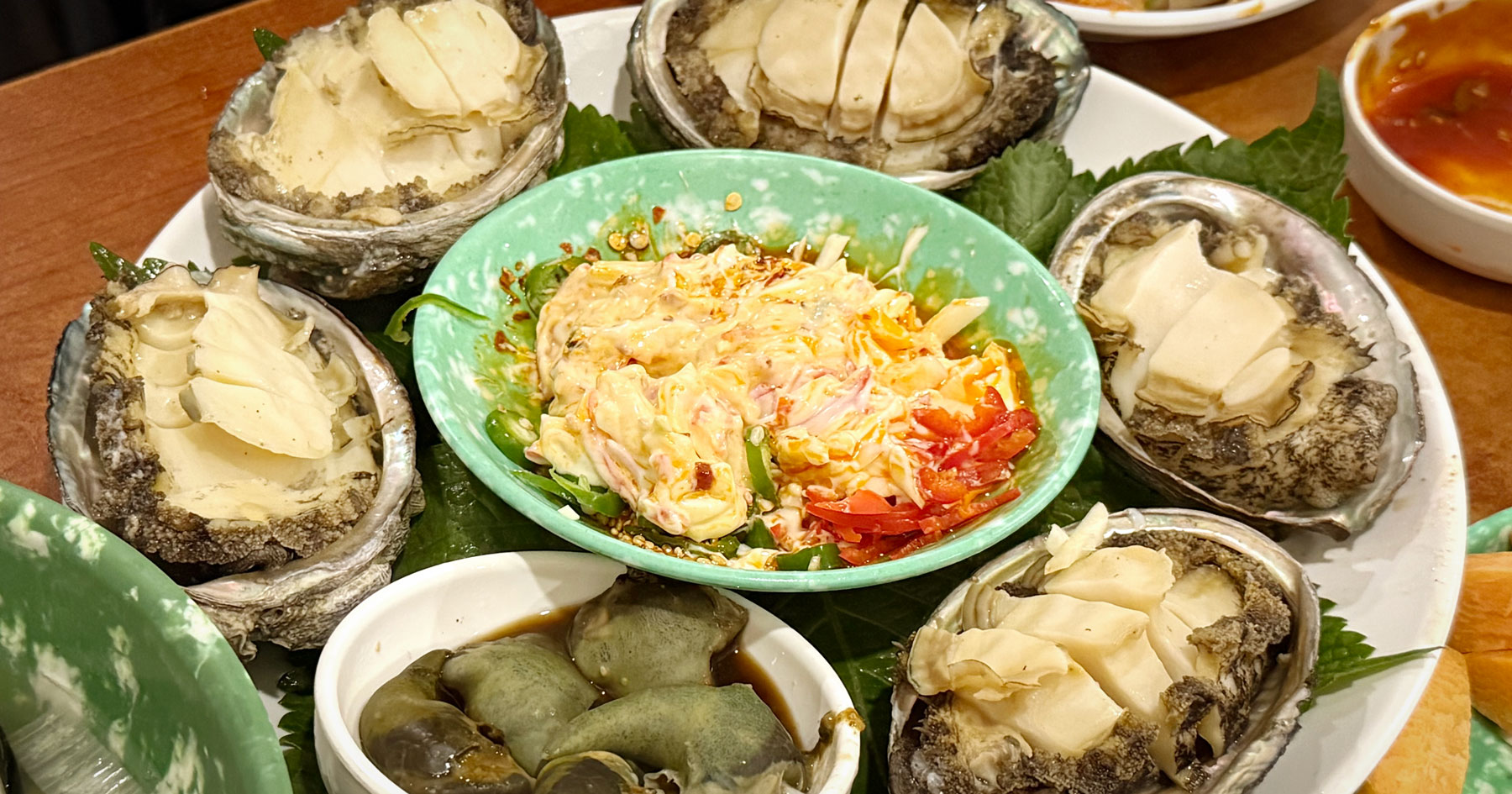
서울 한복판에서 바닷가 포차의 계절감을 그대로 옮겨온 집을 꼽으라면,
종로 서촌의 계단집이 늘 앞줄에 선다.
화려한 인테리어 대신 그날 산지에서 올라온 해산물로 승부하는 곳이라,
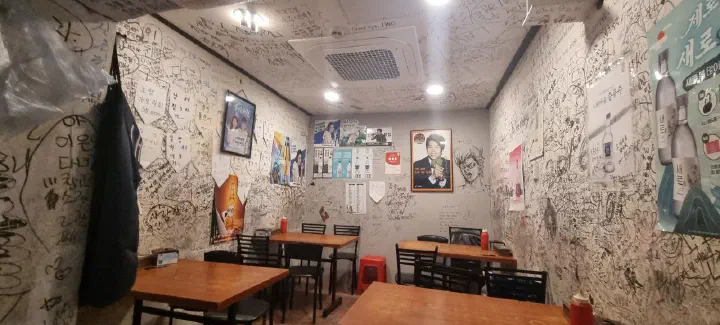
메뉴판보다 벽에 붙은 손글씨가 먼저 눈에 들어오는 집이다.
가게 기본 정보
주소는 서울 종로구 자하문로1길 15, 경복궁역에서 나와 걸어서 3-5분 거리다.
세종마을 음식문화거리(옛 금천교시장) 초입 골목 안에 있다.
영업시간은 매일 오후 1시부터 밤 11시까지, 라스트오더는 밤 10시 15분이고 브레이크타임 없이 연중무휴로 돈다.
전화는 02-737-8412.
예약은 받지 않고, 주차장도 없다.
포장은 가능한데, 포장 주문은 웨이팅 없이 바로 받아주는 편이라 줄 서기 싫은 날의 우회로가 된다.
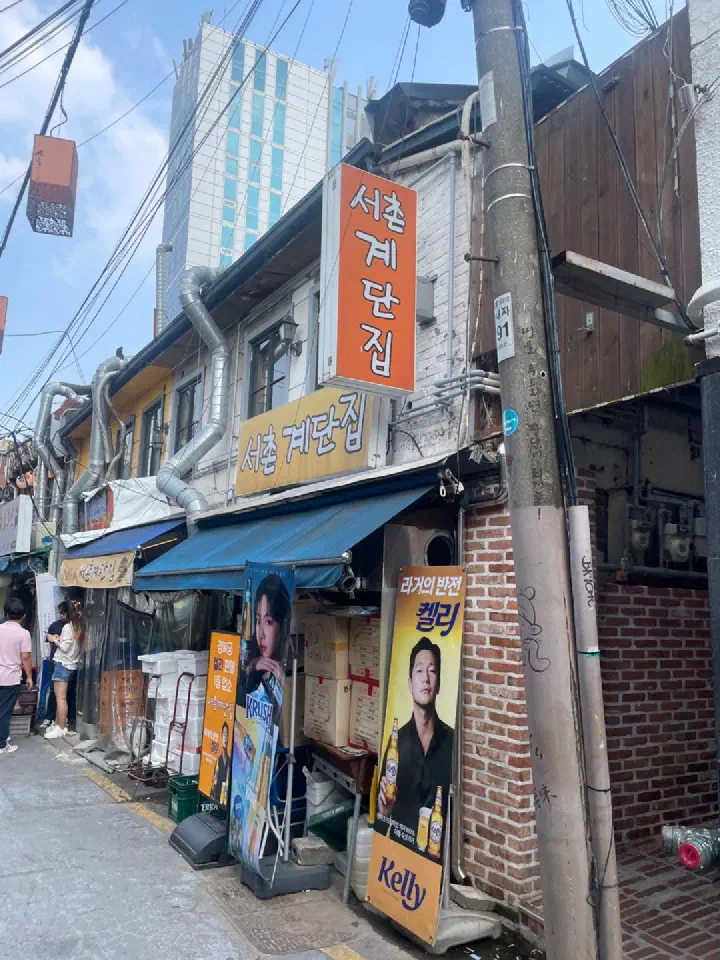
어떤 자리에 어울리는 곳인지
이 집은 조용한 데이트보다 왁자지껄한 술자리에 어울린다.
테이블 간격이 좁아 옆자리 대화가 그대로 들리고,
이모님들이 접시를 들고 분주히 오가는 시장통 같은 활기가 이 집의 기본값이다.
제철 해산물에 소주 한잔이 목적이라면 만족도가 높고,
차분하게 오래 이야기 나눌 자리를 찾는다면 어울리지 않는 곳이다.
경복궁이나 인왕산, 안산을 걷고 내려와 낮술 한잔으로 마무리하는 코스로 특히 사랑받는다.
오후 1시에 문을 여는 술집이라는 것 자체가 이 집의 정체성을 말해준다.
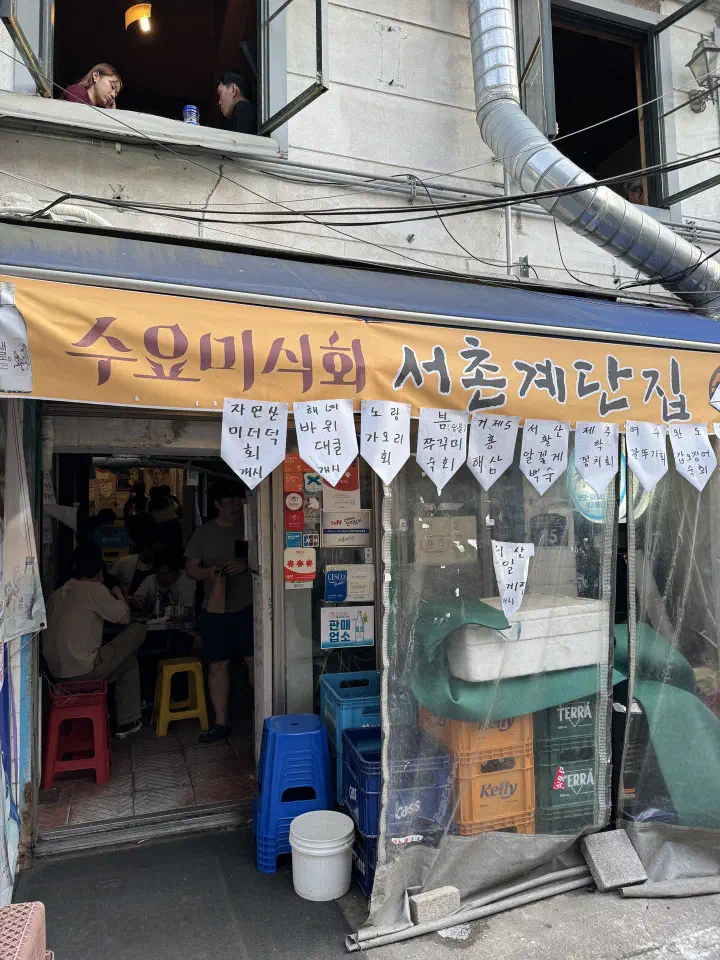
순대국집에서 해산물 성지가 되기까지
계단집은 원래 이 골목에서 순대국을 팔던 대폿집이었다는 이야기가 전해진다.
주변 시장이 사라지고 거리가 재정비되면서 제철 해산물 전문으로 변신했고,
그 선택이 지금의 계단집을 만들었다.
방송을 여러 번 탄 집이기도 하다.
2016년 tvN 수요미식회 61회에 나오면서 전국구가 됐고,
그 전후로 KBS2 생생정보통, SBS 생방송투데이, 식신로드, MBC 생방송오늘저녁까지 다녀갔다.
2025년 9월에는 MBC 오늘N에도 방영됐으니, 10년 넘게 꾸준히 방송이 찾는 집인 셈이다.
연예인들이 알음알음 다녀간다는 이야기도 심심찮게 들린다.
건물도 시간이 흐르며 달라졌다.
한동안 낡은 본채 그대로 영업하다가 2026년 초 리모델링을 거쳤고,
지금은 1-2층짜리 본관과 골목 건너편 별채를 함께 운영한다.
예전엔 화장실 컨디션이 아쉽다는 말이 많았는데,
리모델링 후에는 내부 화장실이 깔끔해졌다는 평으로 바뀌었다.
좌석이 늘어난 덕에 악명 높던 웨이팅도 예전보다는 한결 나아진 편이다.
메뉴는 바다가 정한다
고정 메뉴판이 있긴 하지만, 실제로 주문 가능한 건 그날그날 다르다.
산지에서 들어온 것만 팔기 때문에 메뉴판에 스티커가 붙은 항목은 그날 안 되는 것들이다.
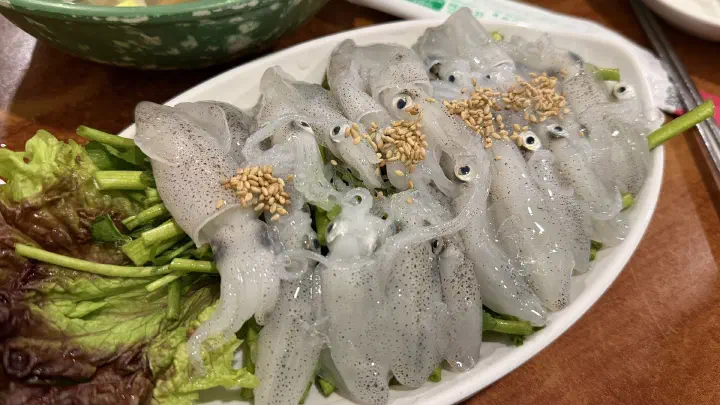
참소라 35,000원, 돌문어·갑오징어·돌멍게·꼴뚜기 29,000원, 산낙지·미더덕회 25,000원,
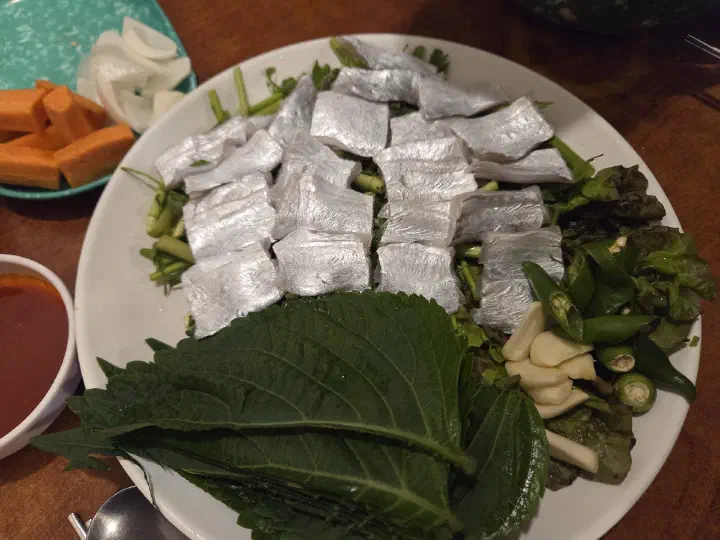
학꽁치회·갈치회·병어회 35,000원, 성게알 39,000원 선이고
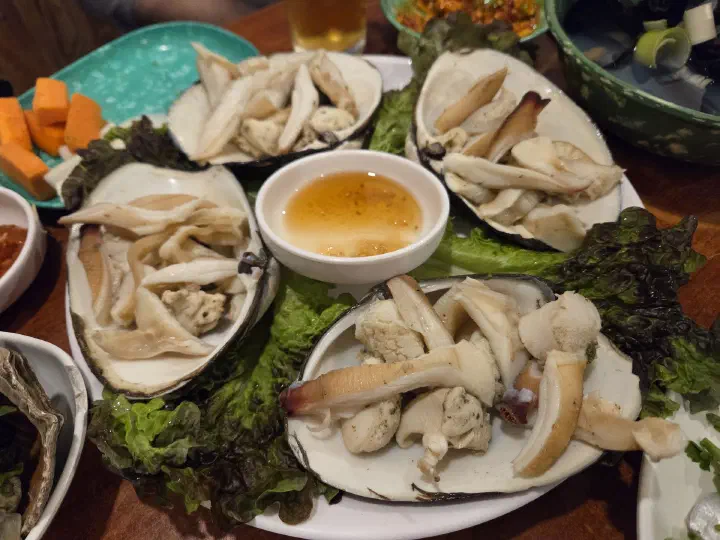
알꽃게찜은 79,000원, 코끼리조개는 59,000원까지 올라간다.
한 접시에 3만원 안팎이 기본이라 가격대는 분명 있는 편이다.
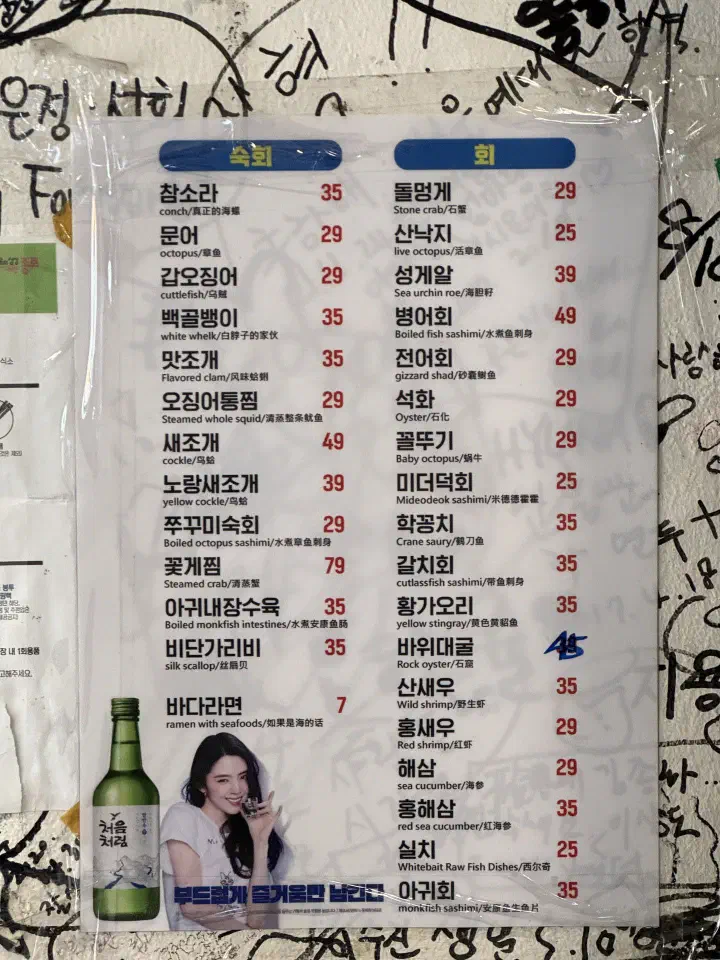
계절 로테이션이 이 집의 진짜 재미다.
봄엔 알 꽉 찬 주꾸미와 꼴뚜기, 여름엔 바위대굴,
가을엔 전어와 생새우, 꽃게, 겨울엔 석화와 새조개, 과메기가 돈다.
재료를 소량만 들여오는 데다 오후 5시쯤 추가 입고되는 품목도 있어서,
너무 일찍 가면 아직 안 들어온 메뉴가, 너무 늦게 가면 품절 메뉴가 생긴다.
먹고 싶은 게 확실하다면 전화로 물어보고 가는 게 가장 확실하다.
대표 메뉴별 맛 평가
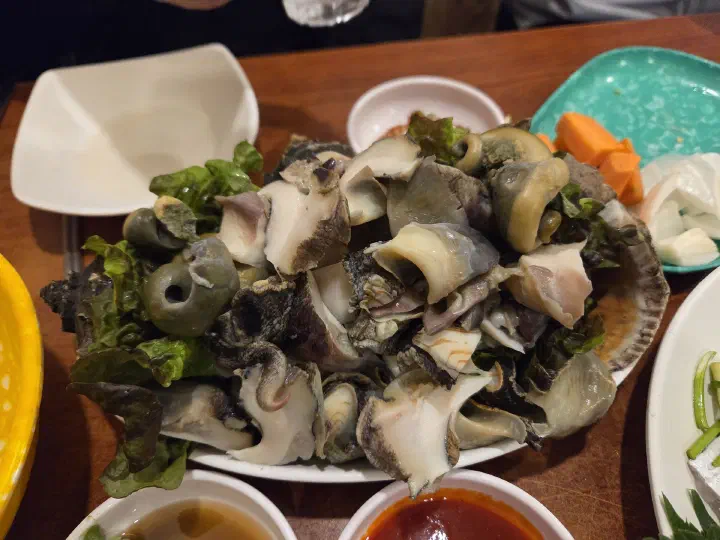
참소라는 테이블마다 하나씩 올라가 있는 이 집의 기준점이다.
푹 삶지 않고 야들야들하게 익혀 내는데, 씹을수록 단맛이 올라오고 내장은 녹진하고 고소하다.
소라를 여기서 처음 제대로 먹어봤다는 말이 나올 만한 퀄리티다.
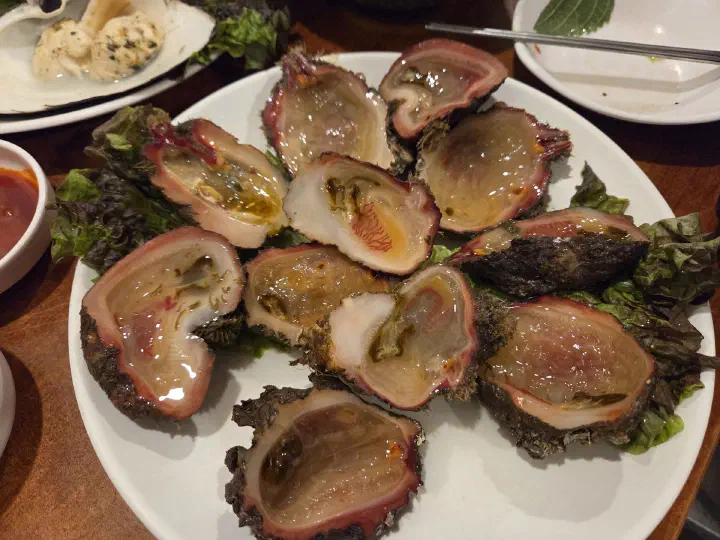
돌멍게는 일반 멍게와 달리 향이 과하지 않아 멍게를 못 먹는 사람도 도전해볼 만하다.
살을 파먹고 남은 껍데기에 소주를 부어 마시는 돌멍게주가 이 집의 공식 코스처럼 통한다.
가을 알꽃게찜은 가격이 세지만 수율로 납득시키는 메뉴다.
게딱지 내장에 밥을 비벼주는데, 다른 안주를 곁들일 거라면 밥을 반쯤 덜어내고 비비는 쪽이 농도가 진해서 낫다.
나오기까지 20분 정도 걸리니 먼저 주문해두는 게 요령이다.
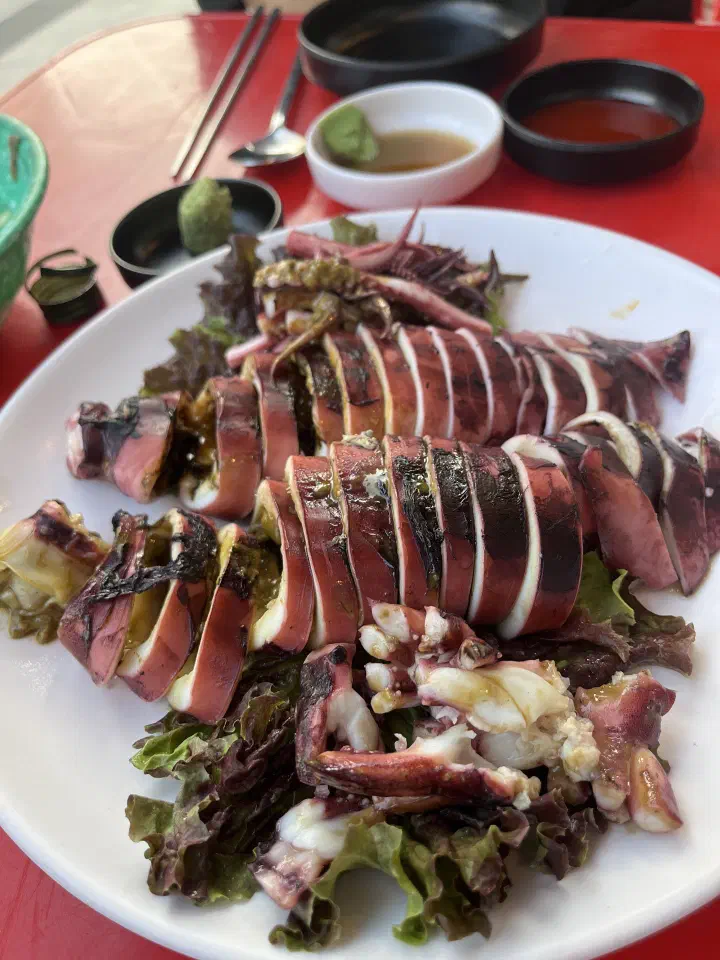
학꽁치회, 갈치회, 황가오리회, 미더덕회, 꼴뚜기회처럼 서울에서 보기 힘든 메뉴가 이 집의 차별점이다.
황가오리회에 딸려 나오는 애(간)는 크리미하고 녹진해서 별미로 꼽히고,
성게알을 시키면 양념밥과 김이 함께 나와 사장님이 즉석에서 주먹밥을 싸주기도 한다.
다만 돌문어는 두껍게 썰려 나와 식으면 금방 질겨진다는 평이 갈리니, 나오자마자 빨리 먹는 게 좋다.
마무리는 해물라면(바다라면) 7,000원.
홍합, 조개, 굴, 미더덕에 콩나물까지 들어가 라면이라기보다 해물탕에 가깝다.
생새우나 홍새우를 먹었다면 남은 머리를 라면에 넣어 끓여주는데 국물 농도가 확 달라진다.
다만 스프를 아끼는 슴슴한 스타일이라 자극적인 라면을 기대하면 심심하게 느껴질 수 있고,
간이 그날그날 조금씩 오락가락한다는 말도 있다.
자리에 앉으면 기본으로 홍합탕이 깔리는데, 알이 실하고 양도 넉넉해서 이것만으로 소주 반 병이 비워지는 집이다.
웨이팅, 시간대가 전부다
이 집의 웨이팅은 원격 줄서기 앱 없이 현장 대기만 받는다.
일행이 다 모여야 입장할 수 있고, 만석일 때는 2시간 이용 제한이 안내되기도 한다.
패턴은 비교적 뚜렷하다.
평일은 오후 4-5시가 가장 여유롭고, 5시 반을 넘기면 아슬아슬해지며 6시부터는 대기가 붙는다.
퇴근시간대에 걸리면 30-40분 대기가 보통이다.
주말은 오픈 직후인 1시부터 3시 사이가 안전하고, 5시부터는 줄이 생긴다.
금요일과 토요일 저녁 피크엔 1시간 안팎까지 늘어난다.
흐리거나 비 오는 날은 같은 시간대라도 눈에 띄게 한산해지는 경향이 있다.
바로 옆 골목의 안주마을이 대기 100-200팀을 찍는 날에도
계단집은 회전이 빨라 체감 대기가 훨씬 짧은 편이다.
그 안주마을과 함께 서촌 해산물 술집의 양대산맥으로 불리고,
근처 체부동잔치집, 토속촌삼계탕까지 묶어 맛집 골목 코스를 짜는 사람도 많다.
주차는 사실상 포기, 그래도 차를 가져간다면
가게 자체 주차는 불가능하고, 먹자골목 안이라 골목 진입 자체가 어렵다.
근처 사설 주차장은 시간당 6,000원 수준이라 부담스럽다.
그나마 현실적인 선택지는 두 가지다.
하나, 세종로 공영주차장. 24시간 운영이고 시간당 5,000원대이며 걸어서 15분 정도 걸린다.
둘, 아마노케이트윈타워 주차장. 오후 5시 이후 입차하면 다음 날 아침까지 3,000원짜리 야간권이 있어 저녁 방문엔 이쪽이 낫다.
효자동 공영주차장을 이용하는 사람도 있다.
다만 어차피 술을 곁들이게 되는 집이라, 경복궁역에서 걸어가는 게 여러모로 속 편하다.
알아두면 좋은 팁
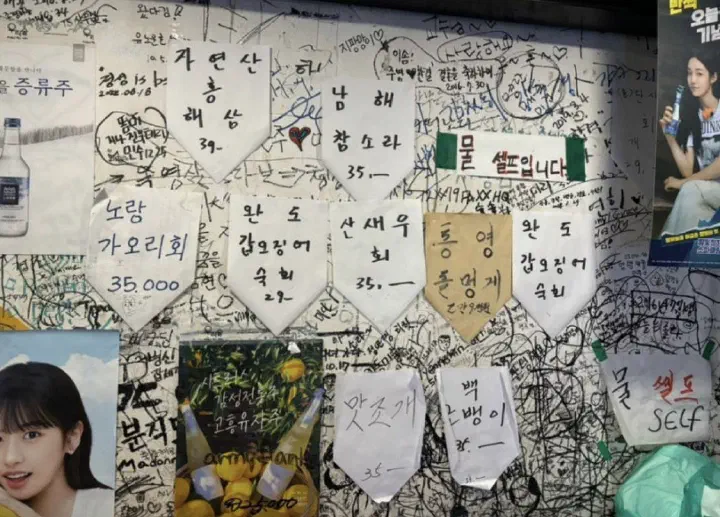
하나, 술과 물은 셀프다. 냉장고에서 직접 꺼내오면 되고, 테이블이 좁으니 한 번에 넉넉히 가져오는 게 낫다.
둘, 콜키지가 병당 10,000원으로 가능하다. 와인잔은 없어서 종이컵으로 마셔야 하지만, 노포에서 와인 한잔의 재미가 있다.
셋, 원하는 메뉴는 앉자마자 바로 주문하는 게 좋다. 고민하는 사이 품절 스티커가 붙는 일이 흔하다.
넷, 화장실은 여자 화장실이 2층, 남자 화장실이 1층으로 나뉘어 있다.
아쉬운 점도 있다
가격 대비 양이 후한 집은 아니다.
소라 한 접시의 실속을 두고 아쉽다는 말이 꾸준히 나오고, 둘이서 안주 두 개에 라면, 술을 곁들이면 9만원 안팎이 나온다.
응대는 전형적인 노포 스타일이라 호불호가 갈린다.
살갑게 먹는 법을 알려주고 화장실까지 챙겨주는 날도 있지만, 바쁠 땐 무뚝뚝하다고 느낄 수 있다.
그리고 좌석 간격이 좁아 프라이빗한 식사는 애초에 기대하기 어렵다.
총평
단점을 다 알고도 계절이 바뀌면 다시 생각나는 집이다.
서울에서 미더덕회, 학꽁치회, 바위대굴을 한 자리에서 만날 수 있는 곳이 드물기 때문이다.
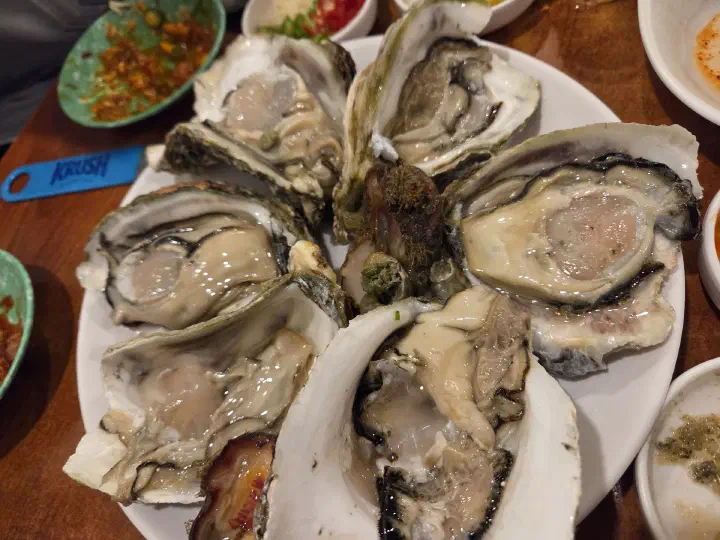
가격은 있지만 원물 시세를 생각하면 오히려 합리적이라는 평도 많다.
제철 해산물과 소주의 조합을 좋아한다면, 평일 오후 4시쯤 느슨하게 찾아가는 것을 추천한다.