If you talk about makguksu in Busan, this place comes up almost every time.

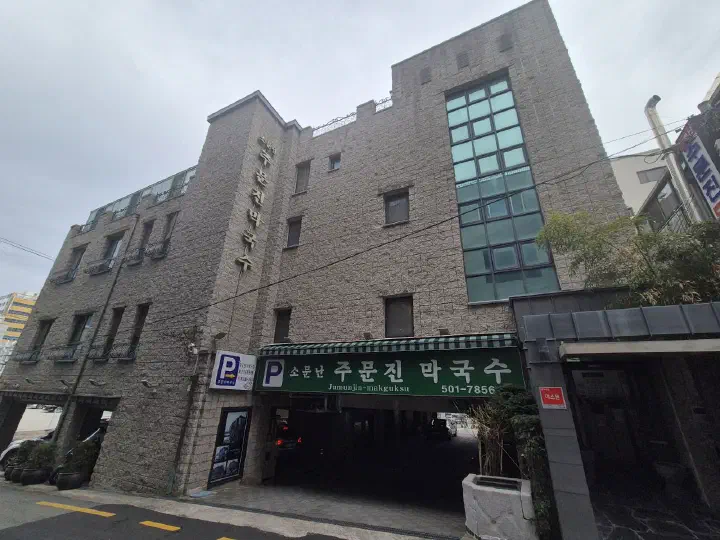
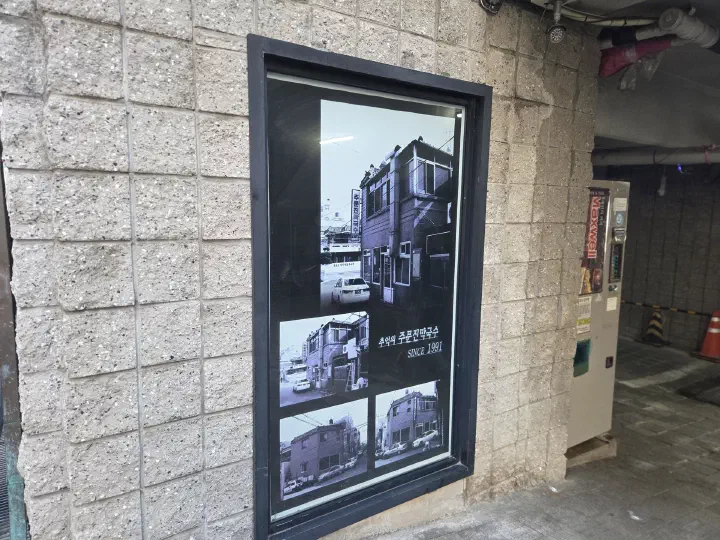
Jumunjin Makguksu (주문진 막국수) sits in an alley right across from Sajik Baseball Stadium. It opened in 1991, so it has been around for about 35 years now. What started as a small house-like shop eventually grew into its own building, and it’s now the best-known makguksu spot in the Sajik area.

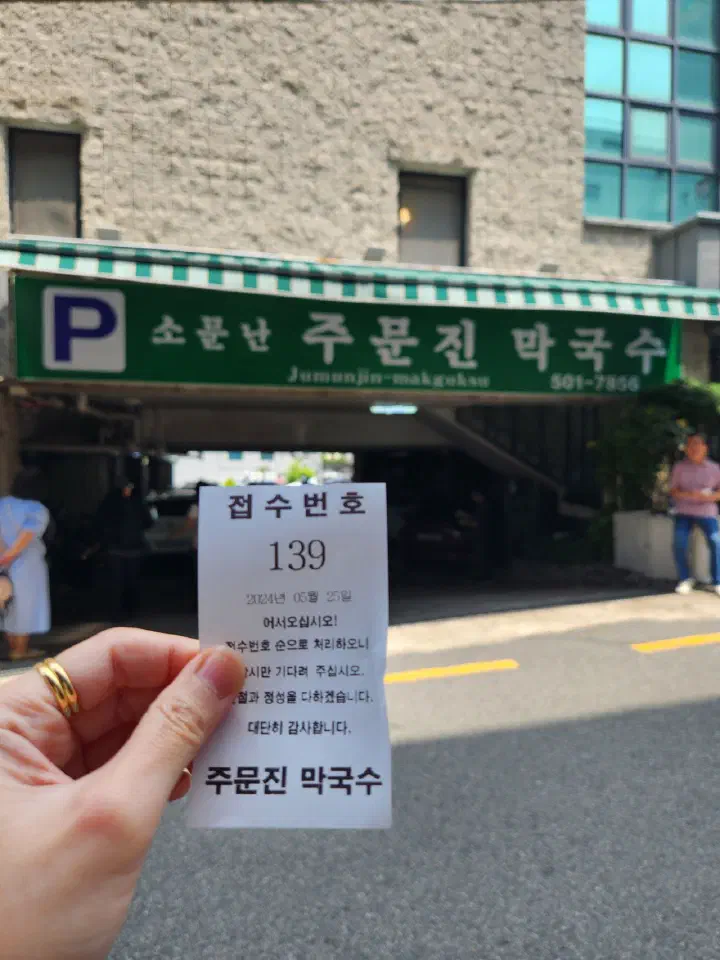
Exterior of Jumunjin Makguksu in Sajik, Busan

Don’t expect a trendy, designed interior. It feels like an old neighborhood institution - plain, a little worn, honest. If you walk in expecting something polished you might tilt your head, but if you read it as “a place that survived on the food alone,” it makes sense.

The basics

  • Address: 8 Sajik-ro 58beon-gil, Dongnae-gu, Busan
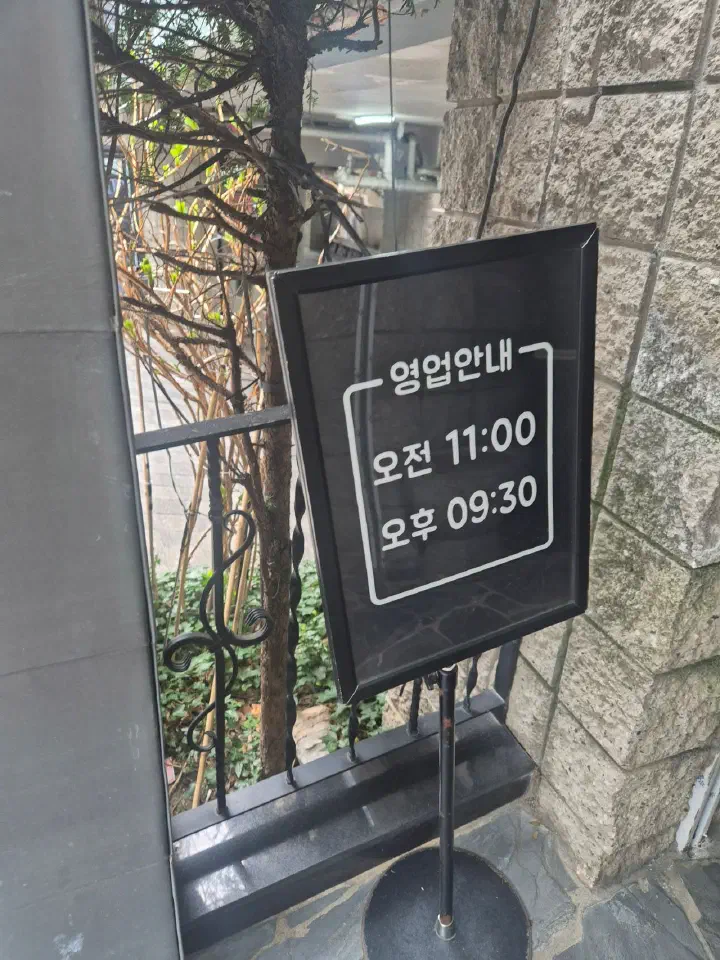
  • Hours: 11:00 - 21:30 daily, no break time
  • Phone: 051-501-7856
  • Parking: large private lot (around 90 cars), with attendants
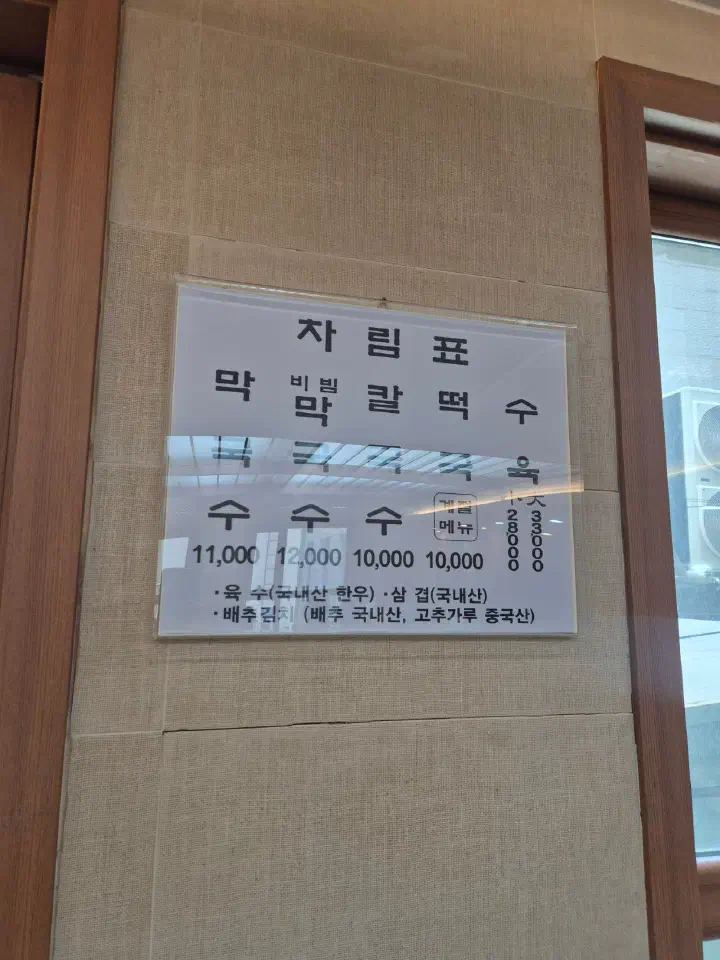
  • Menu: mul-makguksu (물막국수) 11,000 won / bibim-makguksu (비빔막국수) 12,000 won / suyuk small (수육 소) 28,000 won / large (대) 33,000 won / kalguksu (칼국수) 10,000 won / tteokguk (떡국, winter only) 10,000 won

📍 View Jumunjin Makguksu (주문진 막국수) on Google Maps →

Green alley sign for Jumunjin Makguksu

It’s about a 10-minute walk (roughly 770m) from Sajik Station, Exit 1. Sajik Baseball Stadium and the Busan indoor gymnasium are right there, so it pairs well with a game or an event.

A quick note for getting around: Google Maps walking and transit directions are often unreliable in Korea. Naver Map or KakaoMap will route you much better. If you’d rather take a taxi, the KakaoT app works well and is easy even without much Korean.

Who it suits

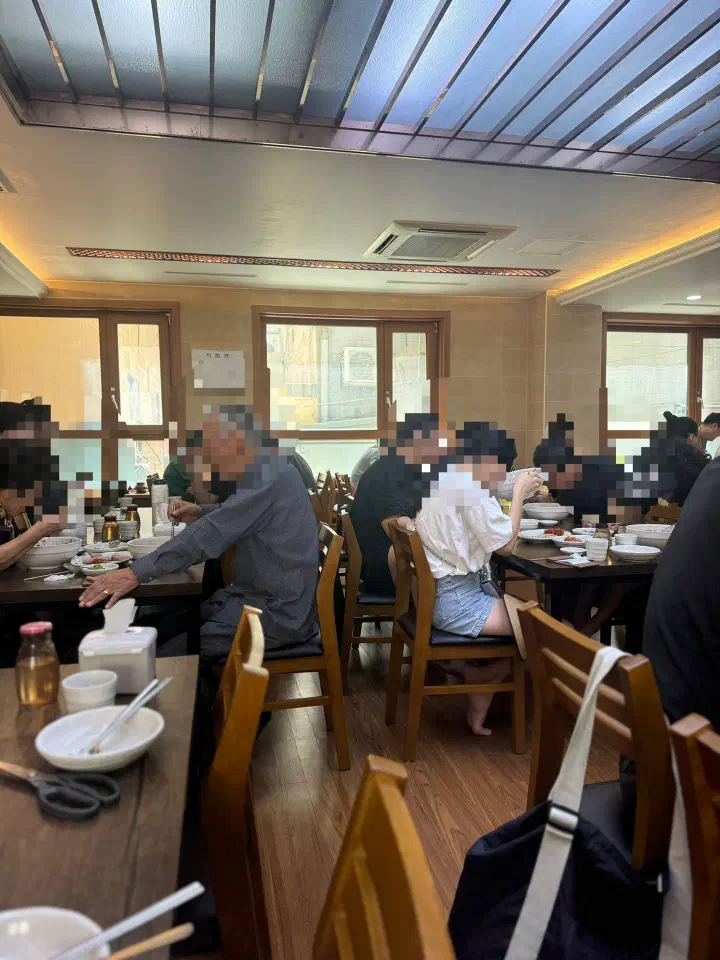
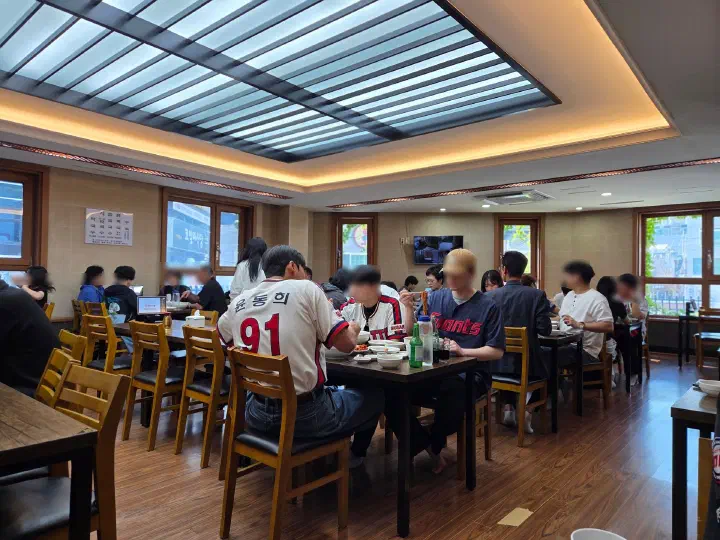
The tables are big and the hall is wide, so it works well for families and groups. There are plenty of kids’ chairs, and you’ll see a lot of families with children.

Wide dining hall at Jumunjin Makguksu

Eating alone is fine too. The place is busy enough that nobody notices a solo diner.

You take your shoes off at the entrance - there’s a shoe rack with a camera noted for security. One honest heads-up: when it’s crowded, people coming and going get tangled up right at that doorway. Just expect a little jostling.

Dining room at Jumunjin Makguksu

Ordering and paying

It used to be floor seating; now it’s all regular tables and chairs, which is more comfortable. Ordering changed too. Each table has a tablet now - you pick your dishes and pay right there. You can also request more kimchi or side dishes with a call button, which makes refills easy without flagging anyone down.

Menu board at Jumunjin Makguksu

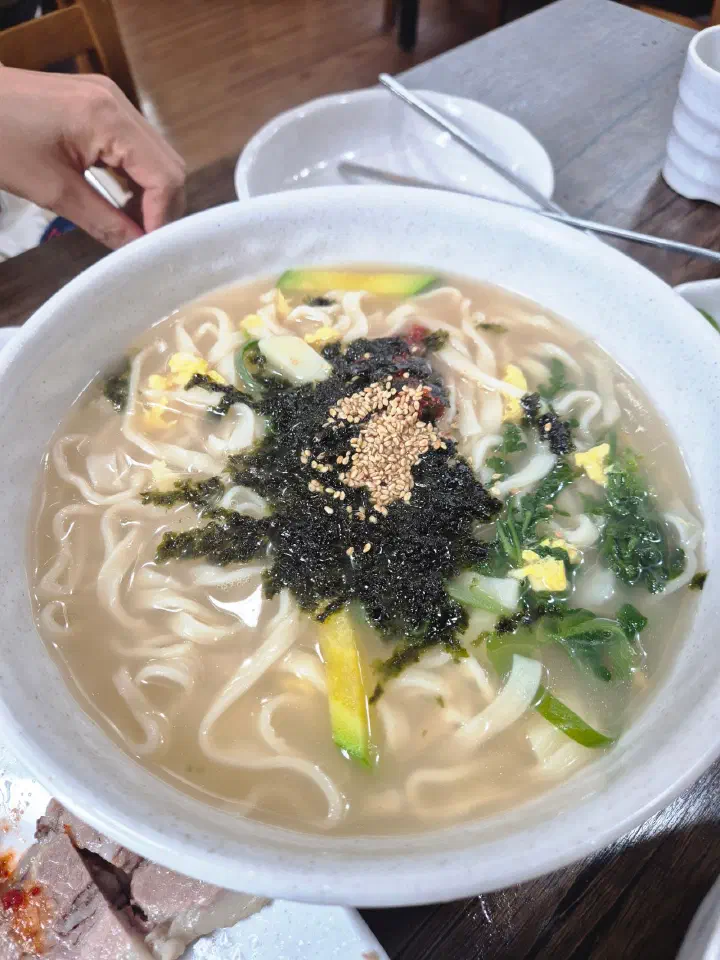
The menu is short: mul-makguksu, bibim-makguksu, suyuk, kalguksu, and tteokguk in winter. A larger portion (gobppaegi, 곱빼기) is +1,000 won, and you can ask to leave out cucumber or dried seaweed. If you don’t like cucumber, just say so when ordering.

A few practical notes for visitors. Like almost everywhere in Korea, cards are accepted with no problem, so an international card is fine here. There’s no tipping culture in Korea - you don’t need to tip, and trying to can actually leave staff confused. English isn’t really spoken, but ordering is easy: the tablet is mostly visual, and you can point at the menu and hold up fingers for how many. Nice touch - soju here dropped to 3,000 won, which is cheap by current prices.

The food

Mul-makguksu (cold buckwheat noodles in broth)

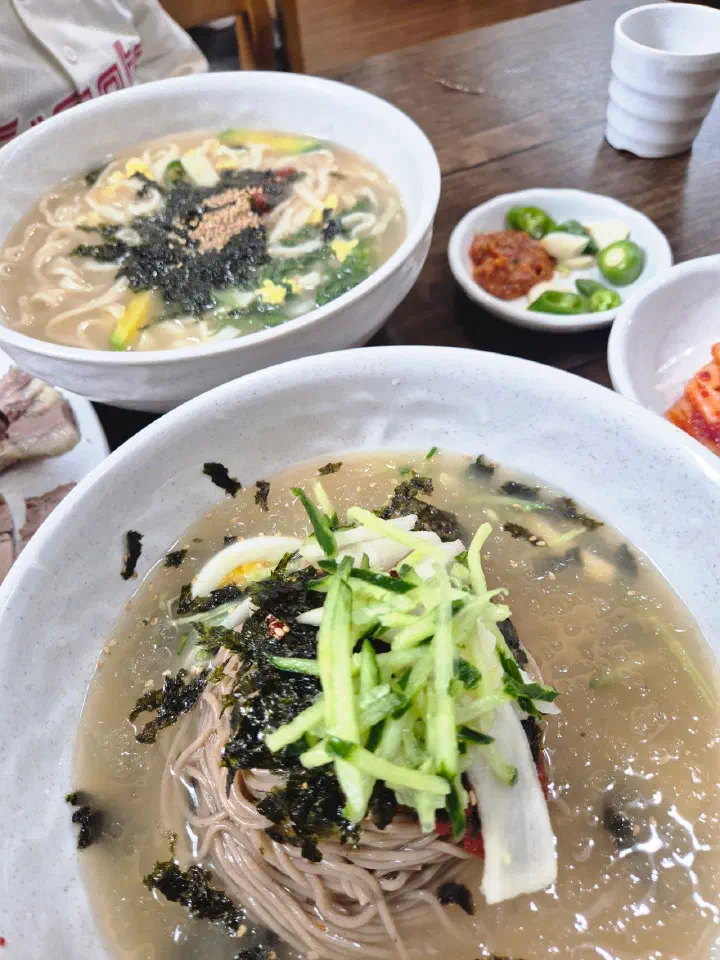
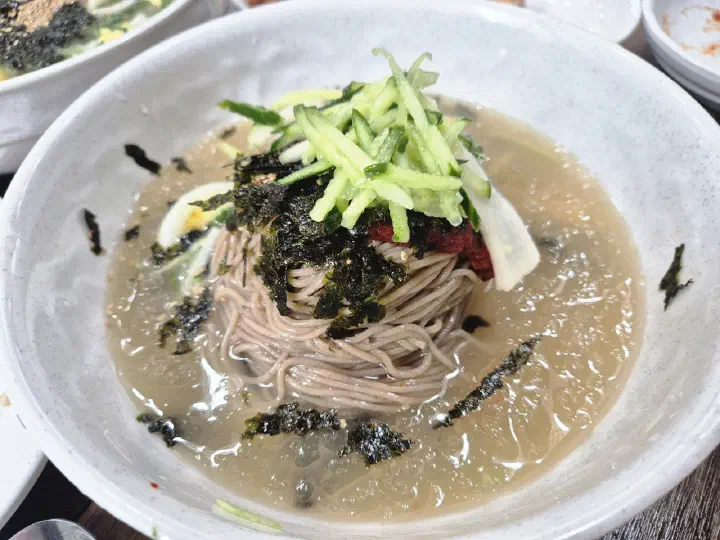
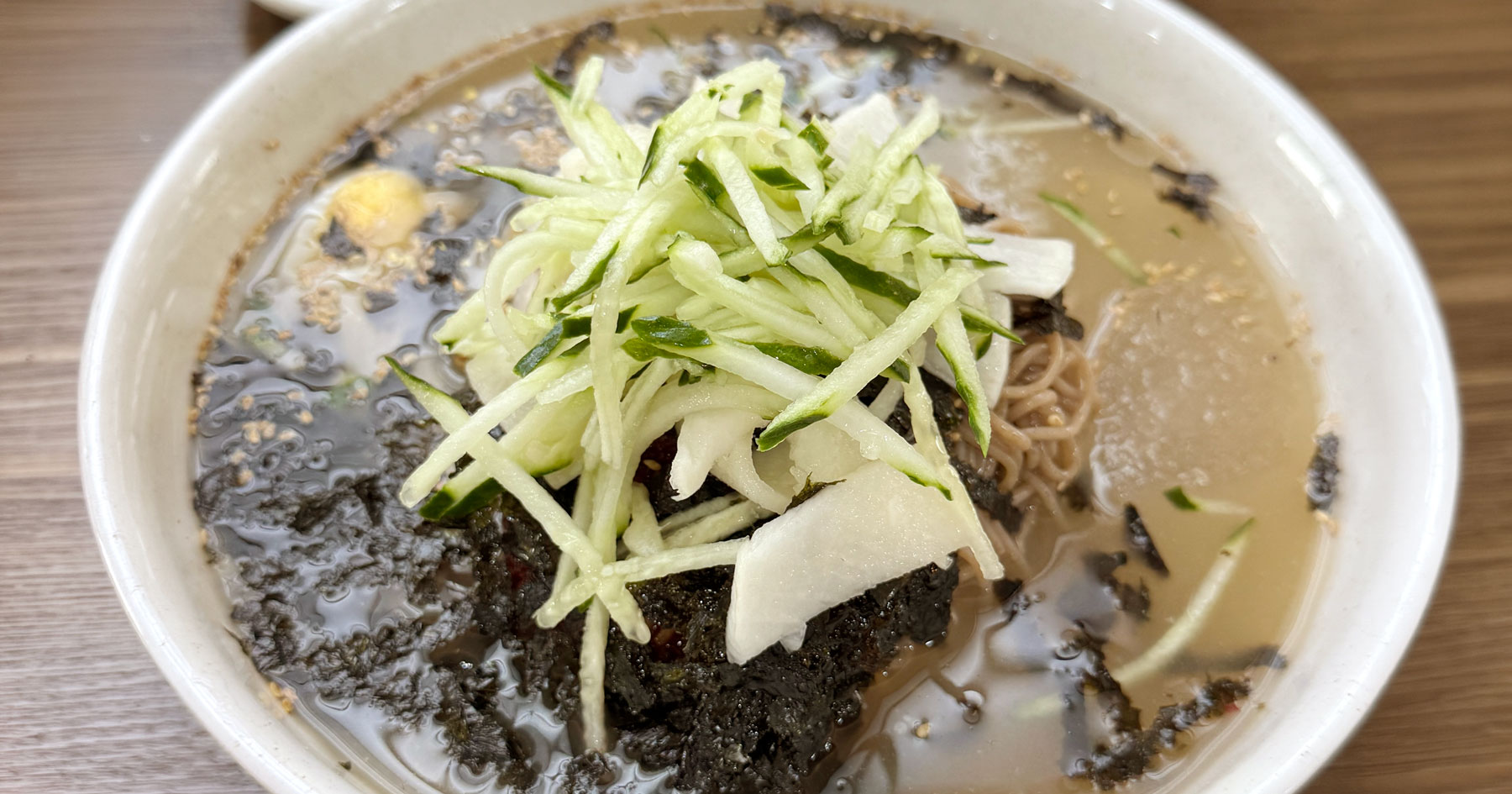
This is the signature. Buckwheat noodles in a dark, chilled broth with a thin film of ice, topped with egg, pickled radish, dried seaweed, and cucumber.

Mul-makguksu at Jumunjin Makguksu

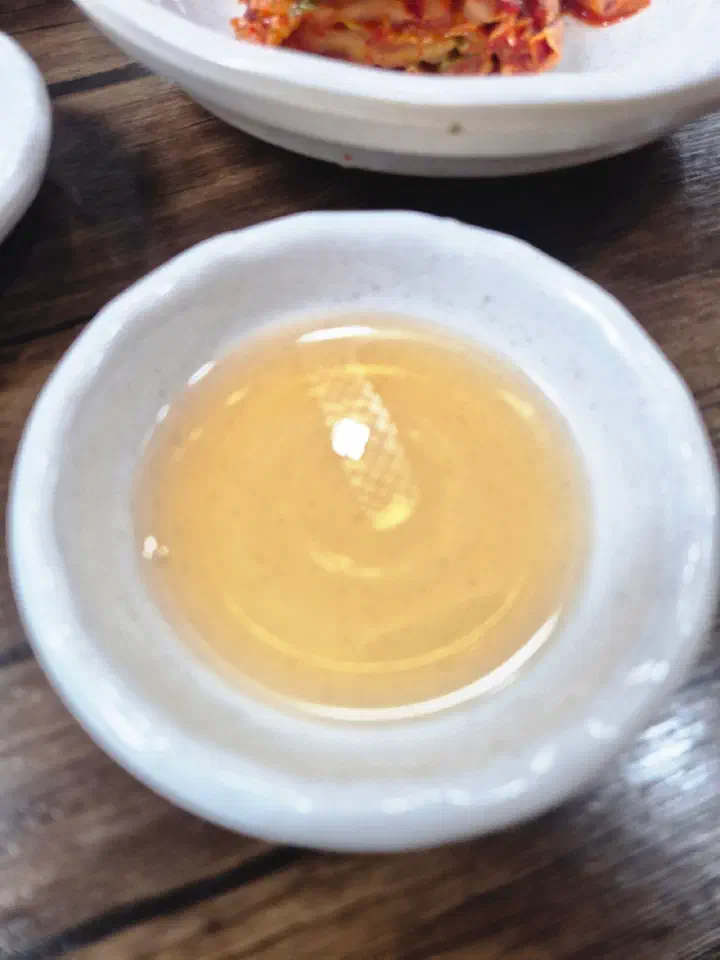
The broth is made with Korean beef, so it isn’t the bland, minimalist style of pyeongyang-naengmyeon. There’s body to it - a little sweet, a little savory, mild but not empty.

Cold broth and buckwheat noodles

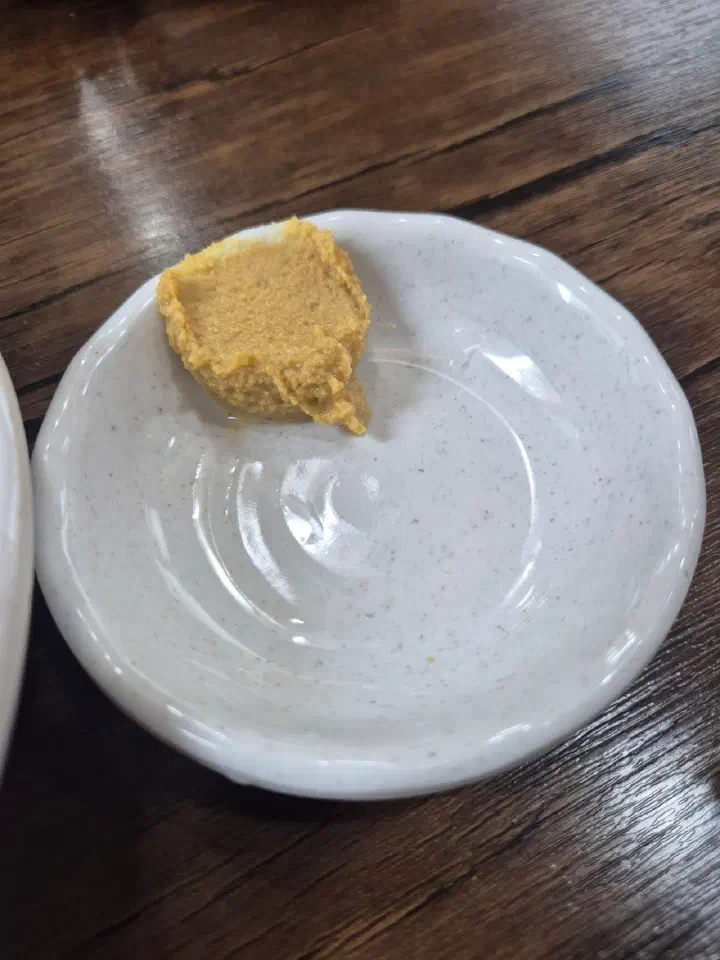
Some find the seasoning a touch strong, which is exactly why mustard (gyeoja) and vinegar are on the table. Mustard in particular sharpens the whole bowl, and regulars treat it as basically essential here.

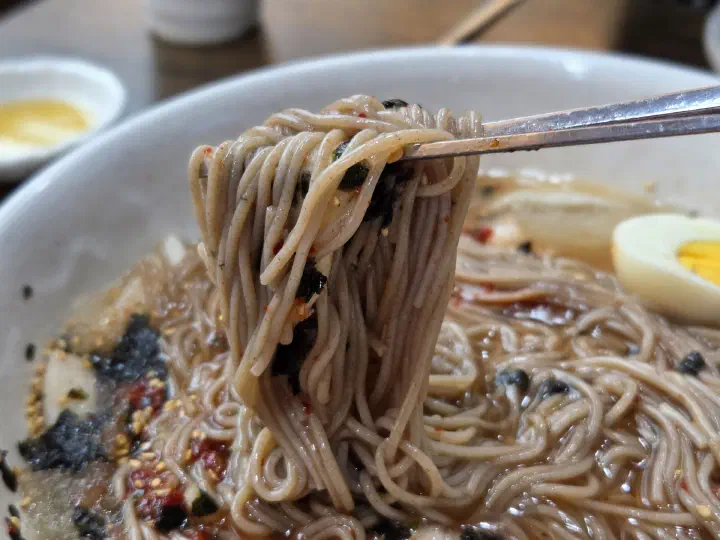
Close-up of buckwheat noodles

The noodles are smooth with a clean snap. Portions are huge - one regular bowl is closer to a “large” elsewhere, so unless you’re a big eater, the standard size is plenty.

Rich buckwheat broth

Suyuk (boiled pork)

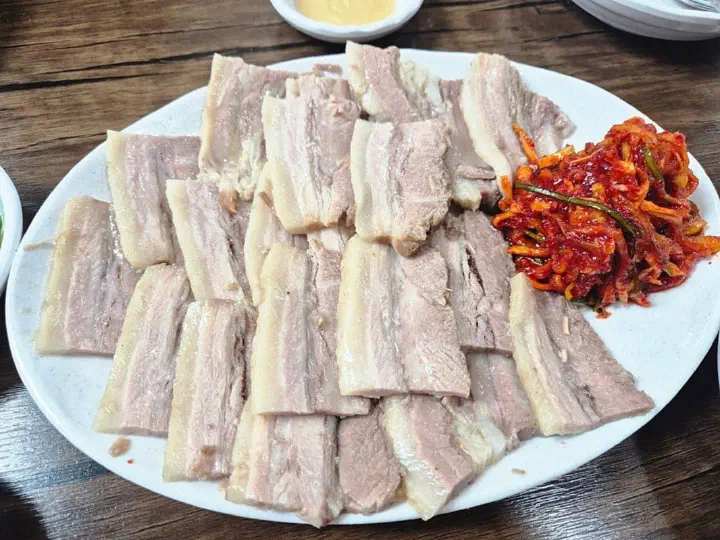
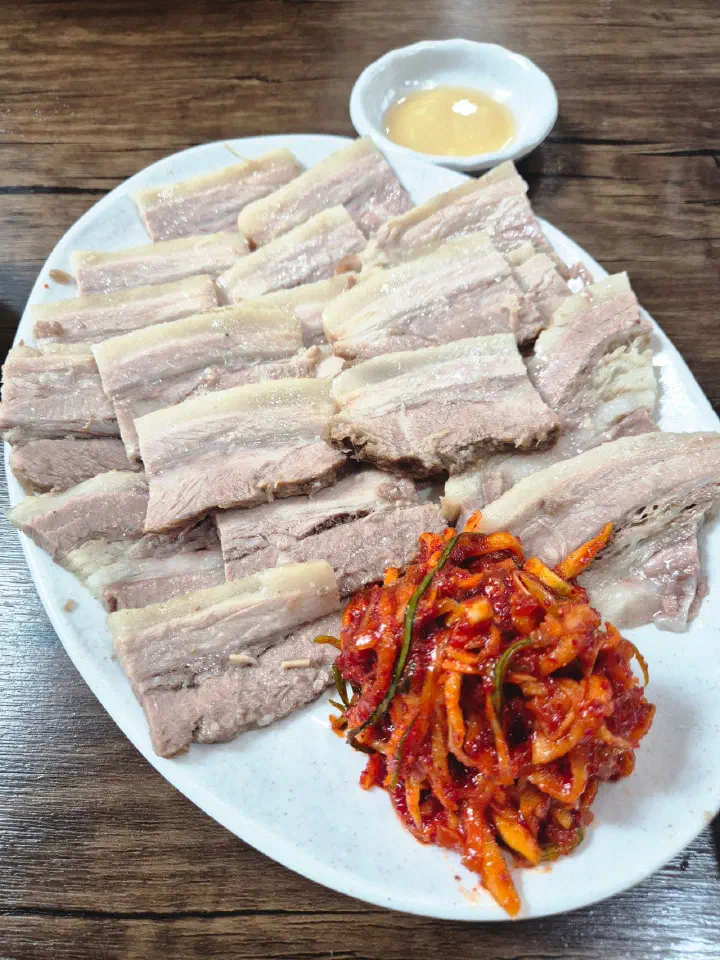
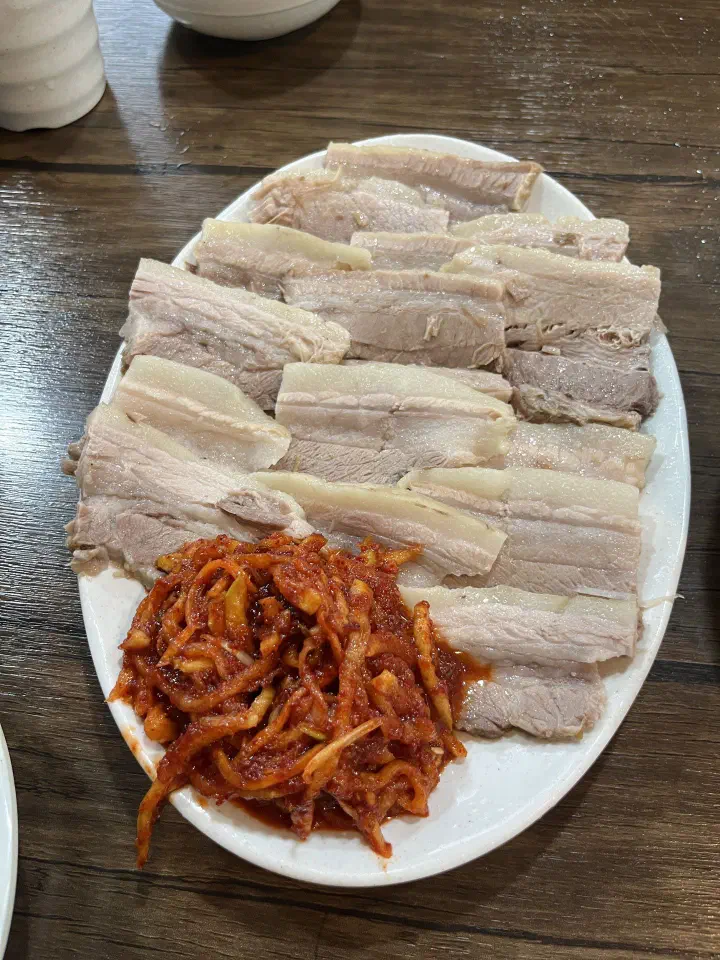
Suyuk is the natural partner to the noodles. It’s pork belly simmered with herbs - no off smell, sliced thick but still tender.

Large suyuk platter at Jumunjin Makguksu

Tender sliced suyuk

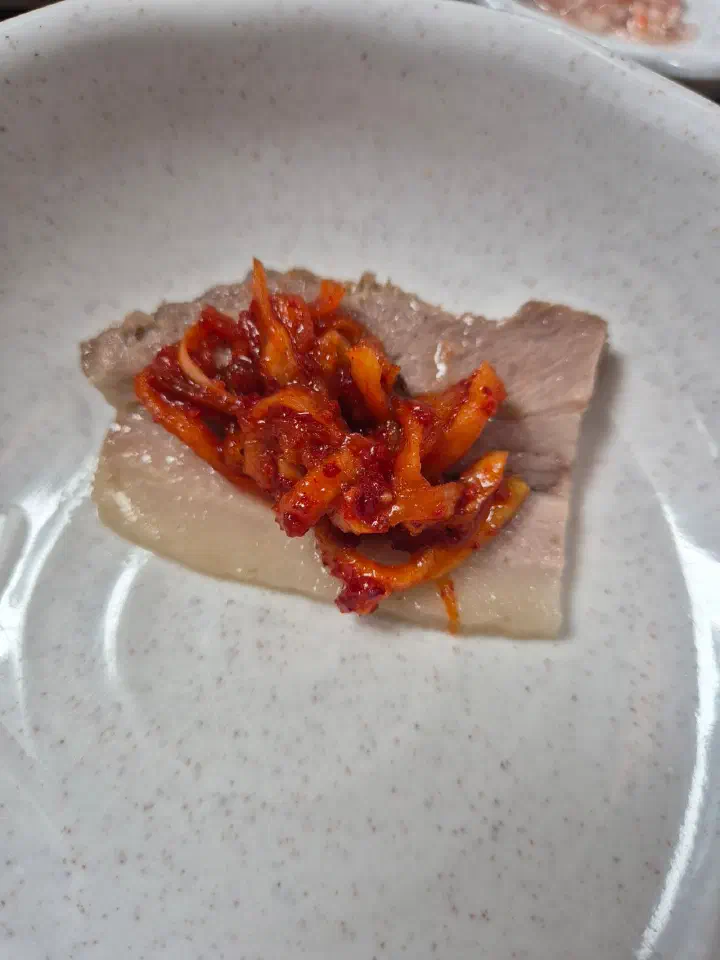
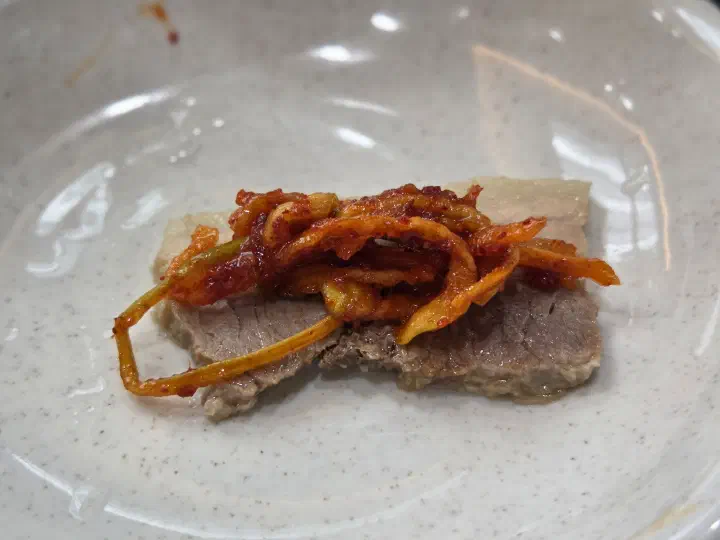
The real surprise is the side that comes with it: mumallaengi (무말랭이), a dried-radish side with a crunchy bite and a sweet-tangy, savory kick. It cuts the richness of the pork beautifully. A lot of people pile it on by itself, and plenty ask for a refill.

Dried-radish side at Jumunjin Makguksu

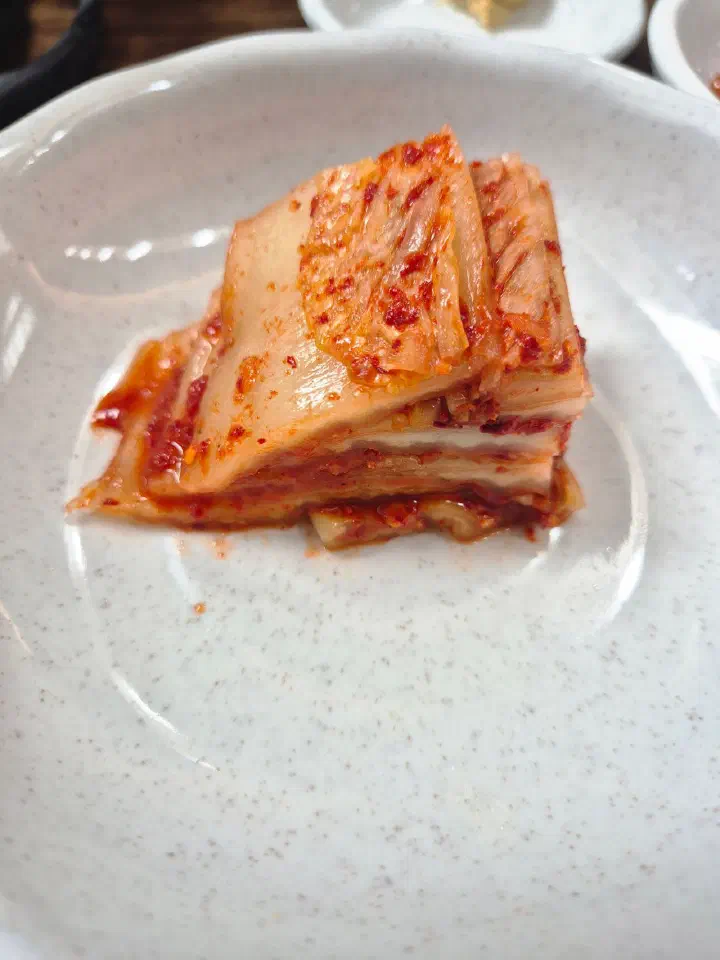
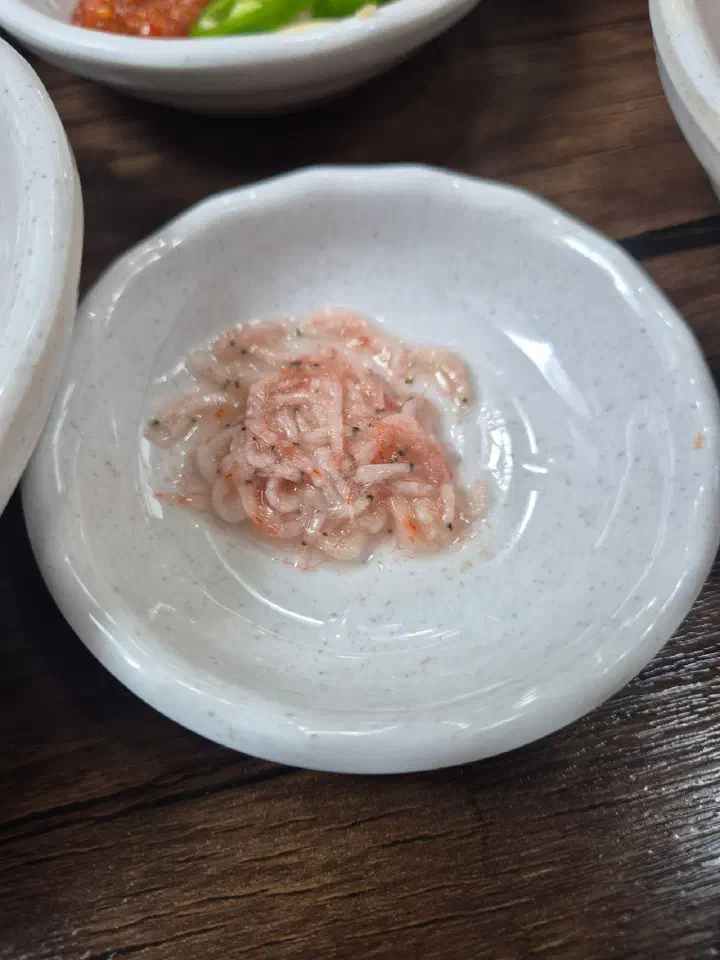
Take a slice of pork, add some salted shrimp, bossam kimchi, and that radish, then alternate bites with the noodles. The combination just works.

Suyuk with the dried-radish side

Bossam kimchi at Jumunjin Makguksu

That said, suyuk is the most divisive item. Some feel the portion is small for the price, and a few have run into a drier or slightly gamey piece. At 28,000 (small) and 33,000 (large), it isn’t cheap. For two people, one large makguksu plus a small suyuk tends to be the balanced call on both portion and price.

Small suyuk plate

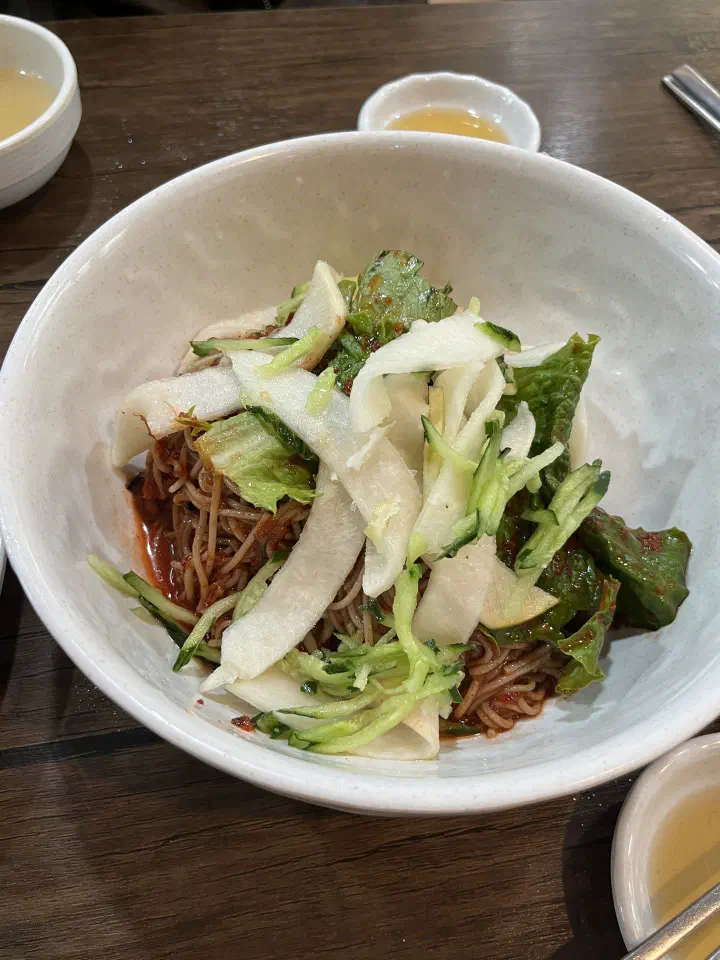
Bibim-makguksu (spicy buckwheat noodles)

The bibim version has a bold sweet-sour-spicy sauce. Some love it with the pork; others find the chili a bit raw or salty. It’s a matter of taste.

Bibim-makguksu at Jumunjin Makguksu

One tip: try the cold broth bowl first, then move to the bibim. The bibim sauce is strong enough to make the plain broth taste flat if you start there. And if you leave a little bibim noodle and pour some of the cold broth over it, you get a strangely addictive third version.

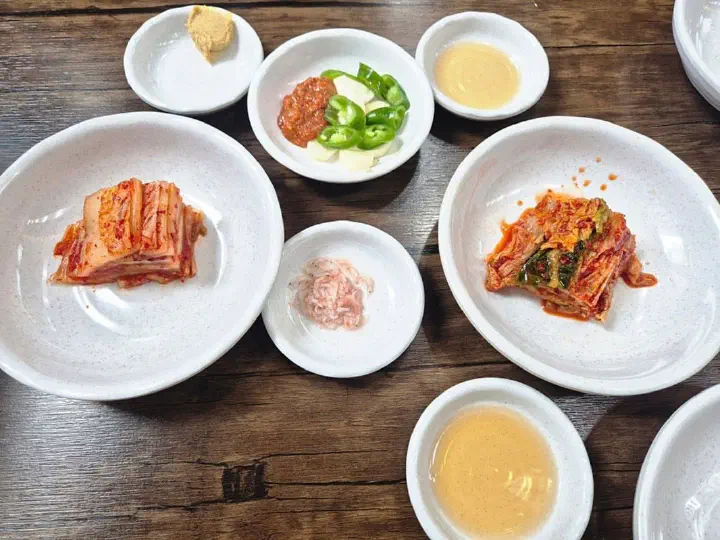
Side dishes at Jumunjin Makguksu

The basic sides are kimchi, chili, garlic, salted shrimp, mustard, and ssamjang. The kimchi leans fermented and sour, so it splits opinion - great if you like that funk, a little strong if you don’t.

Mustard and seasonings

A note on spice: what reads as “a little spicy” to locals can hit harder if you’re not used to Korean heat. The bibim sauce and the chili side are the things to ease into.

How the prices have shifted

Long-time regulars always end up talking about price. Back in the old brick-building days, makguksu was 6,000 won. Around 2020 it was 8,000, with suyuk at 18,000. It moved to 10,000 around 2022, then to 11,000 in 2025, where it sits now. Suyuk has climbed the most, and “it got expensive” is a steady refrain. The huge portions soften that for some people; for others the price still stings. Both reactions are fair.

Parking and waiting

A full table spread at Jumunjin Makguksu

Parking is a genuine strength. Between the ground-floor lot and the added plot next door, it holds around 90 cars - one of the roomiest in Sajik. Several attendants direct traffic, and honestly the friendliest service here tends to come from the parking crew. If it’s full, they’ll point you to a nearby lot and help with the time.

Waiting depends heavily on timing. Summer, weekends, and baseball game days bring real lines - 40-plus minutes at peak, by some accounts. On a weekday morning or in winter, you often walk right in. Turnover is quick, and the waiting area has air conditioning, seats, and a TV, so it’s not unbearable. Showing up for the 11:00 opening is the surest way to skip the line.

The honest downsides

It’s not a flawless place. The most common complaint is the floor service - during rush hours it can feel curt, and staff calling out loudly across the room has bothered some diners. There are also occasional notes about chili flakes left on cups or water bottles, and dishes arriving out of order. These are the kinds of rough edges that come with a packed, old-school spot. Knowing about them beforehand makes the visit easier.

If you want alternatives

Jumunjin isn’t the only makguksu name in Busan. Mansseori Iga-ne (만서리이가네), out toward Oncheonjang and Haeundae, is known for its dongchimi makguksu and buckwheat. And if the suyuk price feels steep, some people just grab a bowl of dwaeji-gukbap (pork soup) nearby instead. Still, that specific combination - cold broth noodles with herb-simmered pork and that radish side - is what pulls people to Sajik.

Final thoughts

It’s not flashy, but it has held its corner for a long time. The cold, savory broth, the generous portions, and the pork backed by that radish side are the clear reasons people keep coming back. There are rough spots in service and hygiene, and the price isn’t light, but when you want a cool, filling meal near Sajik, it earns its place on the shortlist - especially around a ballgame, in the heat of summer, or with family.

Mul-makguksu close-up

Getting there

It’s in the alley across from Sajik Baseball Stadium, on the second floor of the building.

Jumunjin Makguksu entrance sign with a waiting number ticket

About a 10-minute walk from Sajik Station Exit 1, and close to the Busan indoor gymnasium. Driving is easy thanks to that big lot.

View near Sajik Baseball Stadium

📍 View Jumunjin Makguksu (주문진 막국수) on Google Maps →