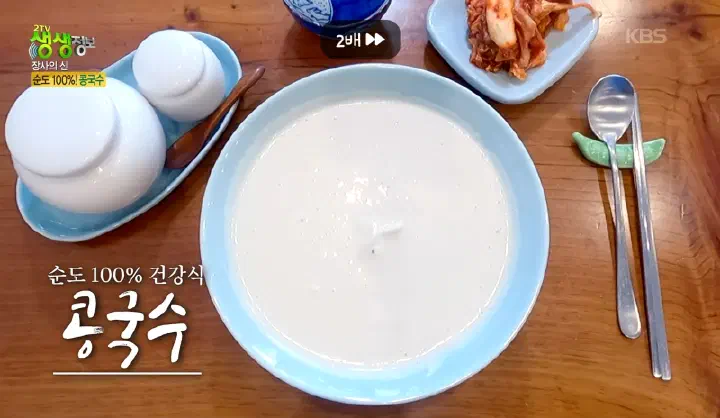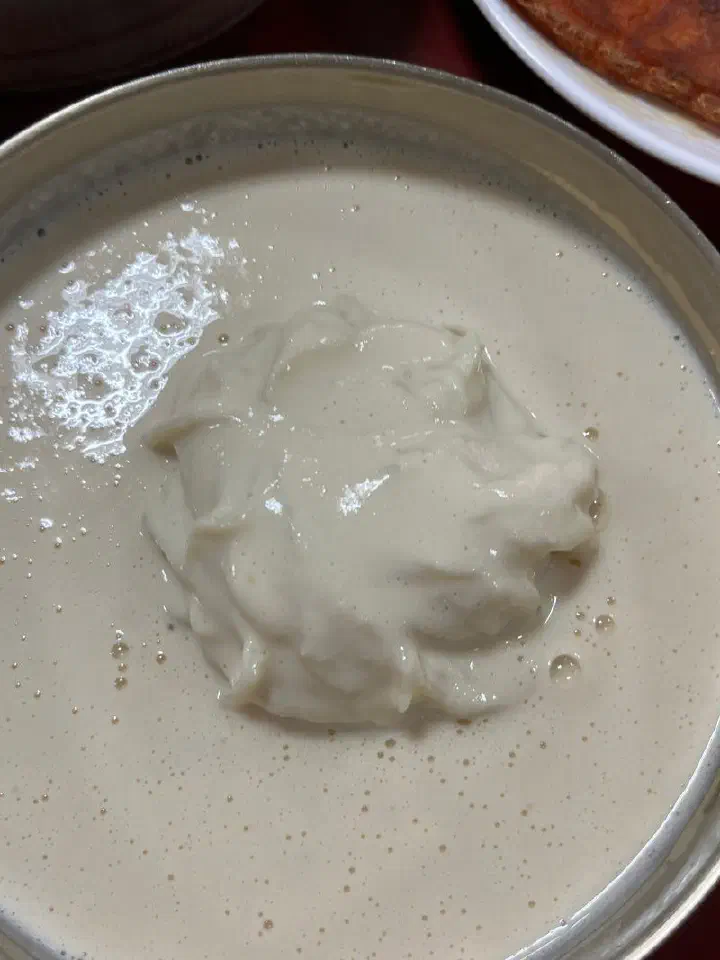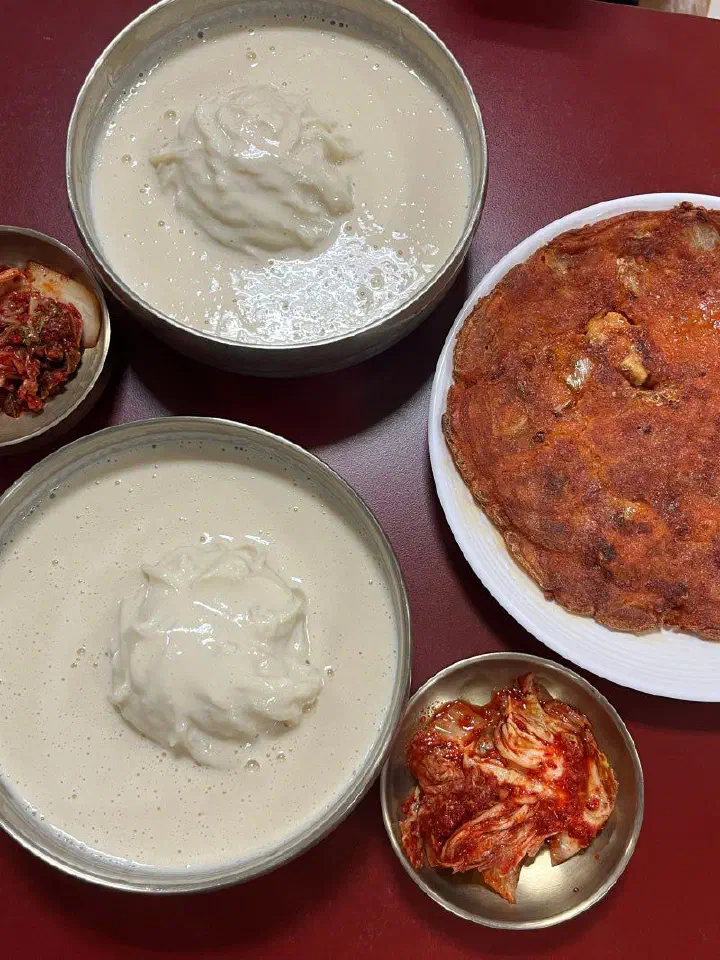
The other night I was half-watching a TV food show when a giant bowl of kongguksu (콩국수, chilled soybean noodle soup) filled the screen. I sat up because I knew that bowl. It was Kongmyeondang (콩면당), a place two minutes from spots I’ve eaten at for years. After that broadcast in late May 2026, blog posts about it suddenly flooded the Korean internet.
That broadcast was KBS2’s Saengsaeng Jeongbo (생생정보) on May 27, 2026.

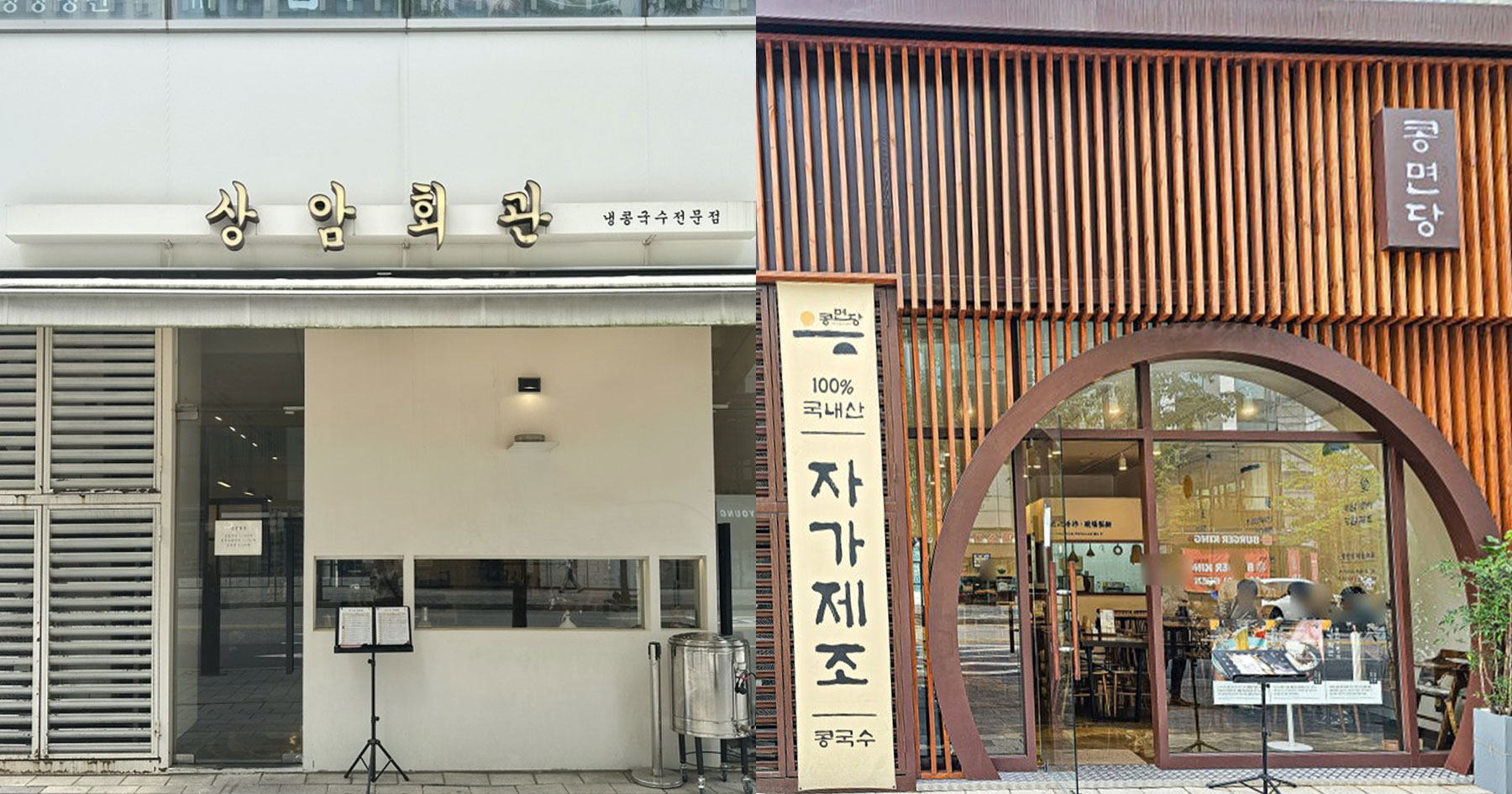
What most of those posts don’t mention is the part that makes me smile a little. The address where Kongmyeondang now stands? For years that was Sangam Hoegwan (상암회관), my go-to kongguksu shop. So I can’t really tell you about one without telling you about the other.

If you’re traveling and wondering whether soybean noodle soup is worth a detour: kongguksu is a summer thing here. Cold, nutty, creamy soybean broth over chewy wheat noodles. No chili, nothing scary. It’s the dish locals crave when Seoul gets sticky and hot.
First, the older story — Sangam Hoegwan
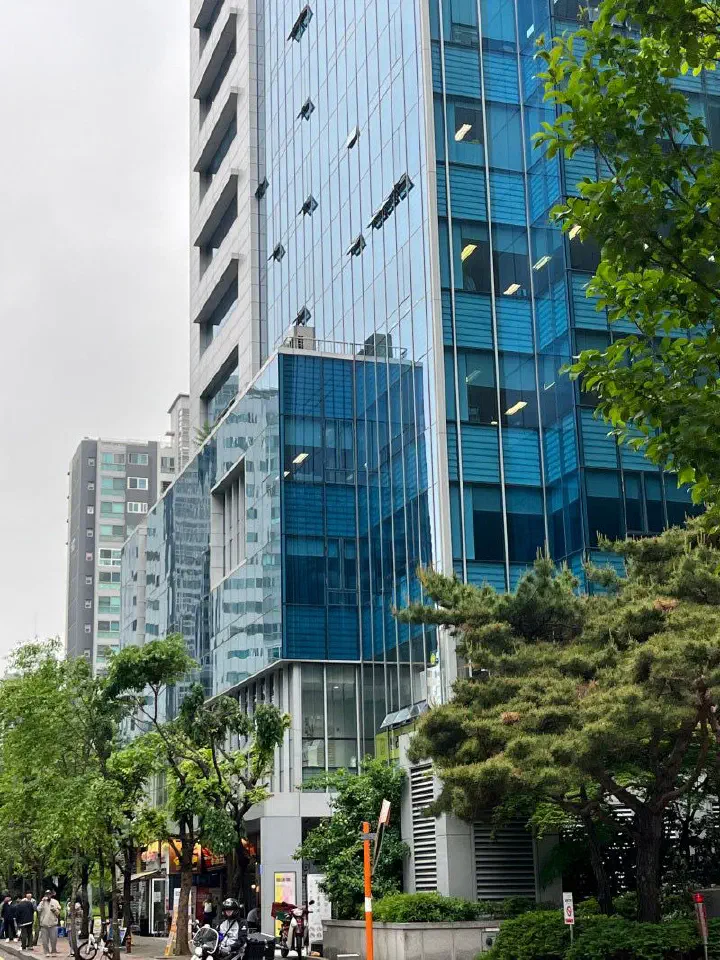
In Sangam, kongguksu meant Sangam Hoegwan long before any TV cameras showed up. I first went around 2019. Back then it sat on the first floor of the Savoy City building — the exact spot Kongmyeondang occupies today.
Summers were brutal for the queue. The line spilled out of the building and I gave up more than once. But after another local soybean spot called Okhap disappeared, this was basically the one place in the neighborhood for a proper bowl.
To give you a sense of the reputation: when Seoul people talk about kongguksu, the names that come up are Jinju Hoegwan (진주회관) near City Hall and Jinju-jip (진주집) in Yeouido — old institutions with summer lines around the block. Plenty of regulars said Sangam Hoegwan held its own against those two, which is no small praise. It later got featured on a popular YouTube mukbang channel, Kim Sawon Segki (김사원세끼), and started pulling in people from outside the neighborhood too.

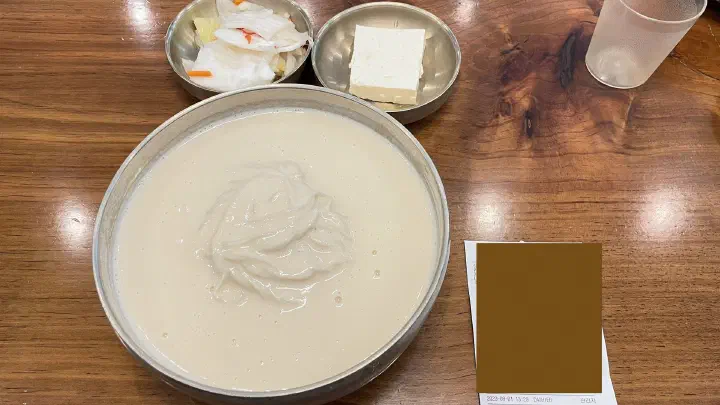
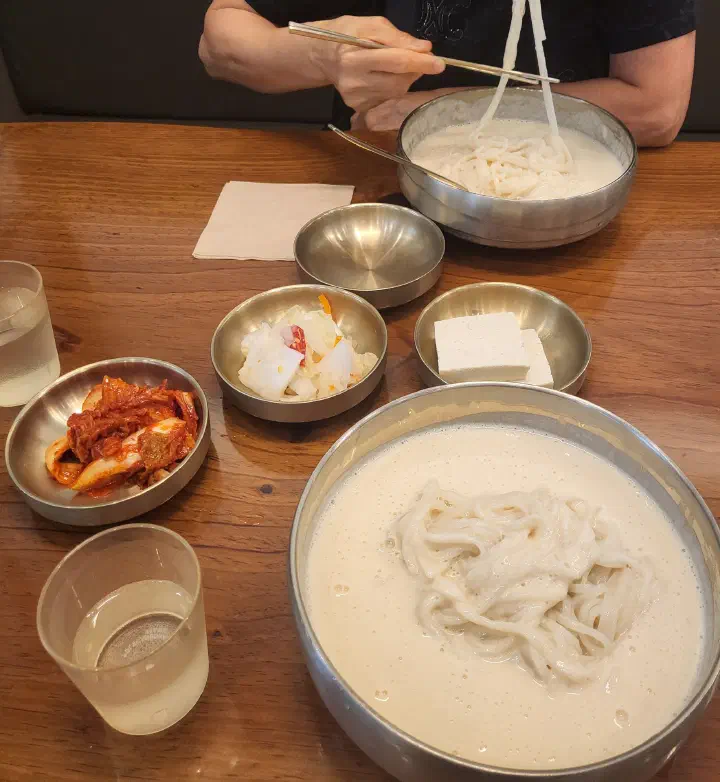
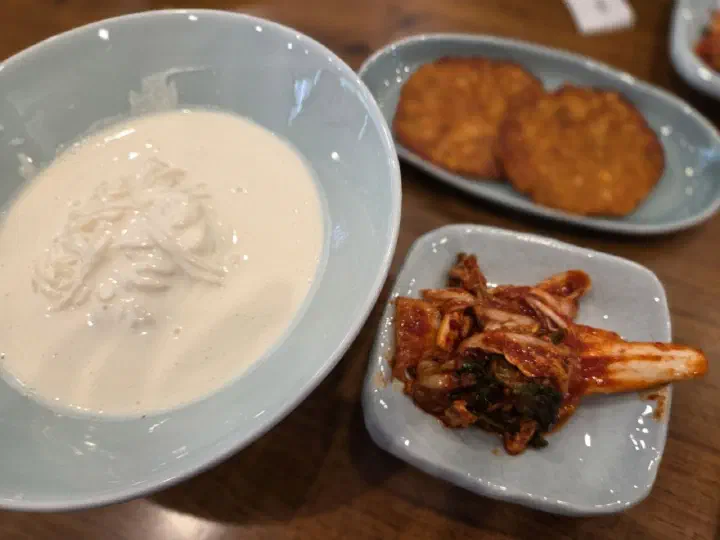
Their broth is thick. Not soybean “water,” more like a cream — it barely runs off the spoon. The first time, I genuinely had to slow down because it was so dense. It already comes lightly salted, so I usually skip adding anything. Extra noodles (gopbaegi, 곱빼기) cost nothing extra, and refills are free, so portion size is never the worry.

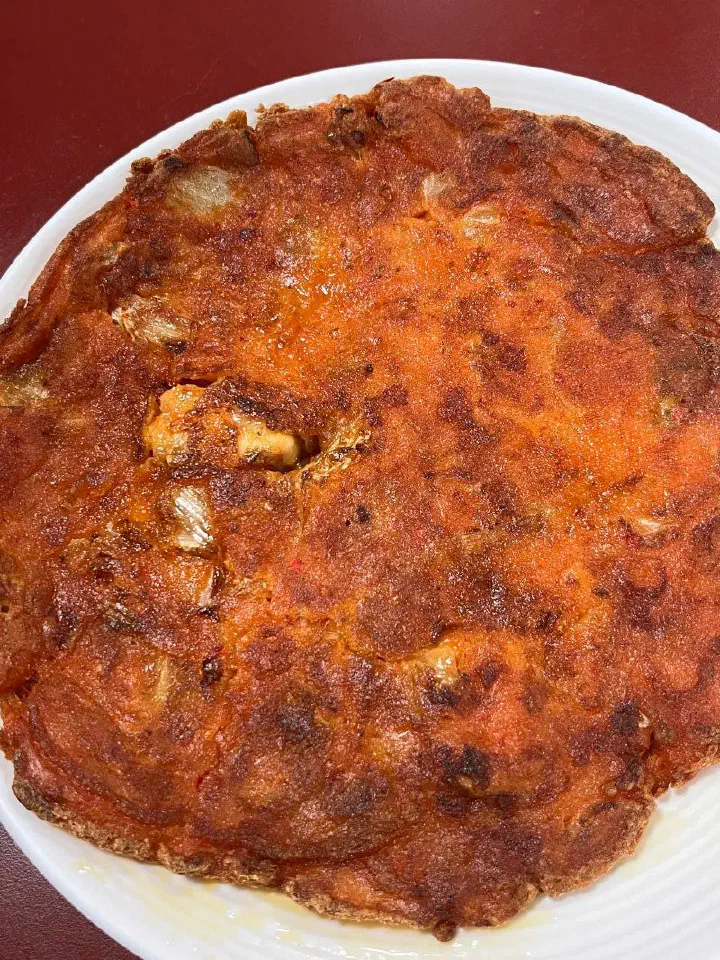
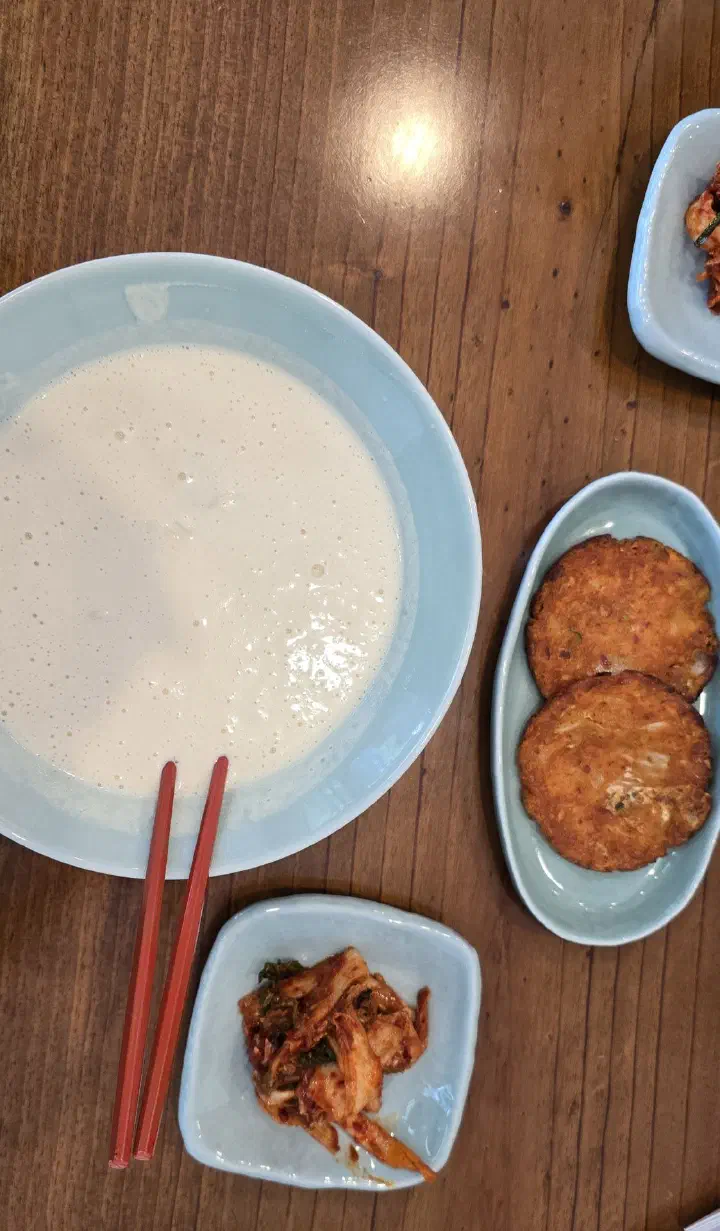
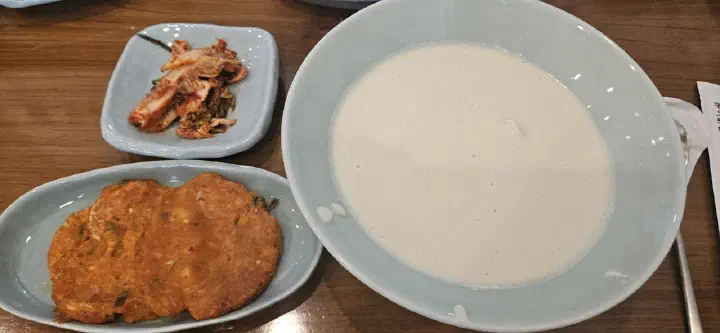
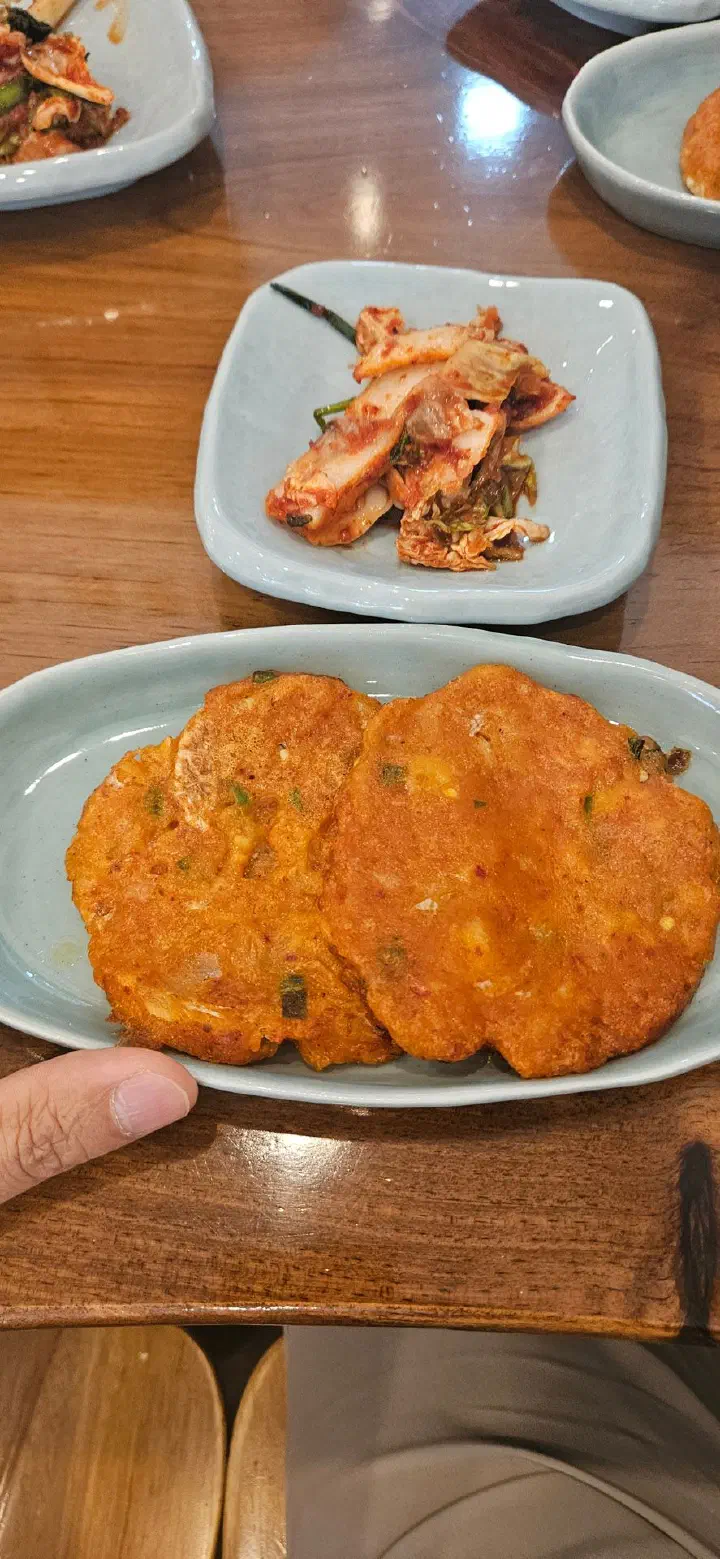
Kongguksu alone can feel a touch plain, so order the kimchi-jeon (김치전, kimchi pancake) with it. It comes out crisp, with squid folded in, and going back and forth between the cold broth and the hot pancake is the whole point. In the old days they’d even bring a small piece of tofu before the meal — I still remember that.

Then one day the sign was gone
In spring 2025 the Sangam Hoegwan sign on the Savoy first floor came down. The neighborhood forum lit up with “Did they close?” posts. People had seen boxes being carried out, nobody saw a notice, and everyone was a little heartbroken about where to get kongguksu now.
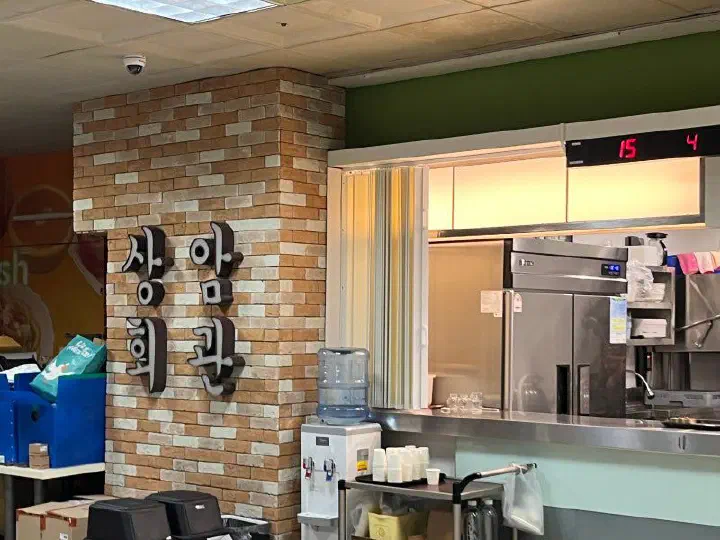
It turned out not to be a closure but a move. They relocated to the basement food court of nearby Sangam IT Tower (SAIT). So if you go looking at the old Savoy spot, you’ll end up at the wrong place. Remember: not Savoy — the IT Tower basement. I got lost the first time too.

A little while later a new soybean noodle shop opened in the old Sangam Hoegwan spot. It was Kongmyeondang. Since both serve kongguksu and a kimchi pancake, people who didn’t come often had no idea the shop had changed hands.
The neighborhood traded theories — including the obvious one, that maybe the landlord pushed the old tenant out to run his own place once business was booming. But honestly that’s just local gossip, and I don’t actually know, so I’ll leave it there.
Sangam Hoegwan today (IT Tower basement food court)
Sangam Hoegwan
B1 Food Court, Sangam IT Tower, 434 World Cup buk-ro, Mapo-gu, Seoul
Hours 10:00–20:00 (break 15:00–17:00)
Parking in the Savoy City basement garage; ask for a parking ticket when you pay
📍 View Sangam Hoegwan (상암회관) on Google Maps →
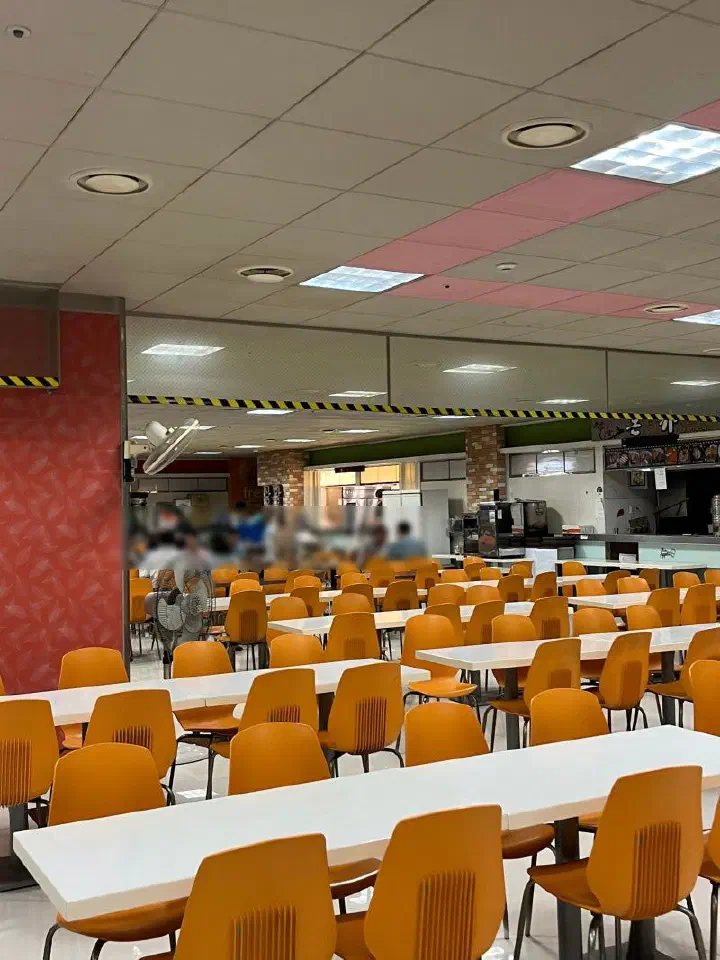
The best thing about the move is no more queue. There’s so much seating in the food court that you just walk in, and the food comes out almost immediately.

I’ll be honest though — the atmosphere took a hit. It’s one counter in a food court now, not its own room, so it doesn’t feel like the famous spot you queue for anymore. Fine for a quick solo lunch, a bit bare if you’re trying to impress someone.

The kongguksu is still rich. Some regulars say a touch of that old creaminess slipped away after the move, and I think I notice it faintly too. Still, nothing else in the neighborhood comes close, so I keep going back.

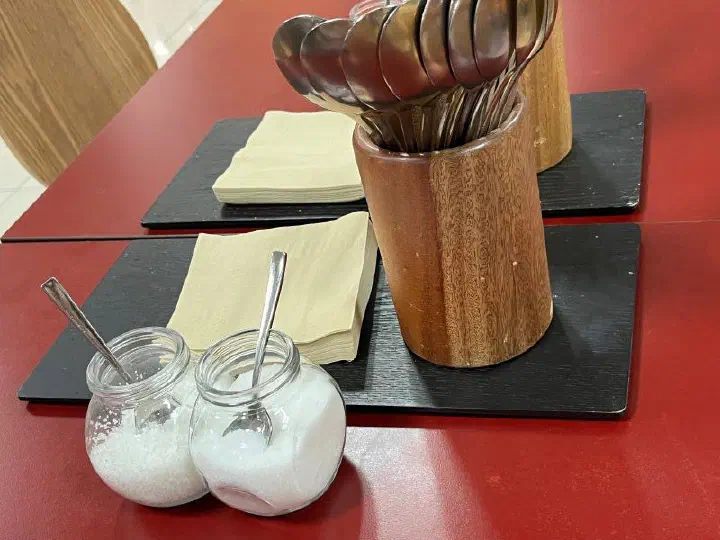
Salt and sugar sit out for you to add yourself. It’s already seasoned, so salt people can eat as-is and sugar people can sprinkle their own. (Adding a little sugar to kongguksu is a real regional habit here, not a mistake.)

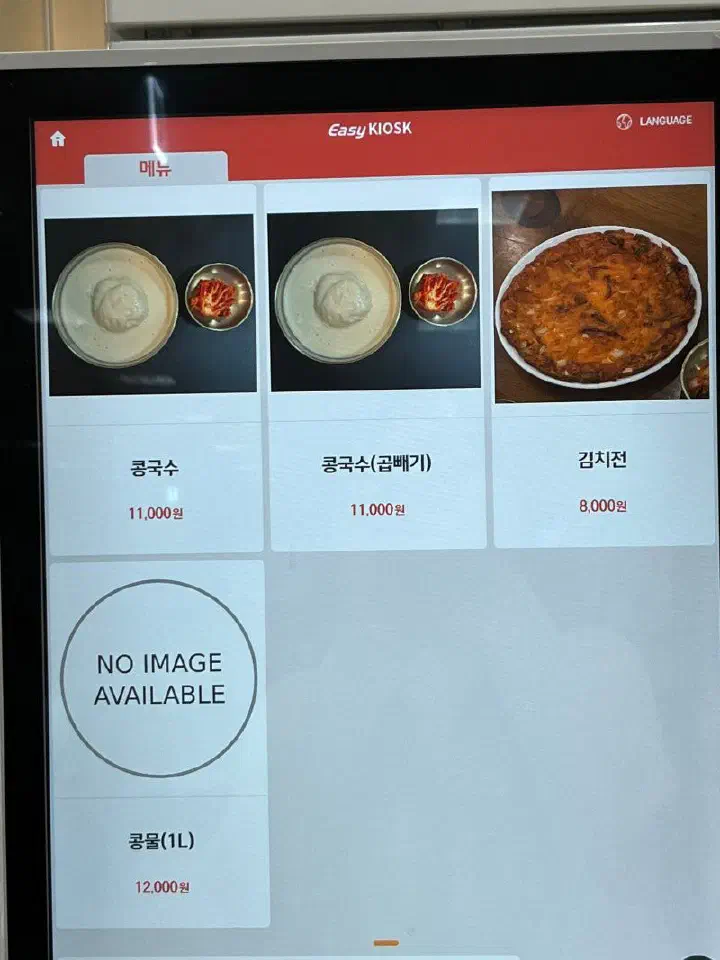
One thing to know: you order at a self-service kiosk by the stall, and you pay there at the same time. Helpfully, the kiosk has an English-language option, so you can switch the screen and tap through the order yourself even if you don’t read Korean. Any internationally accepted card works fine — and in Korea you don’t tip, so please don’t try; it just confuses the staff. After you pay, mention if you drove and they’ll hand you a parking ticket.

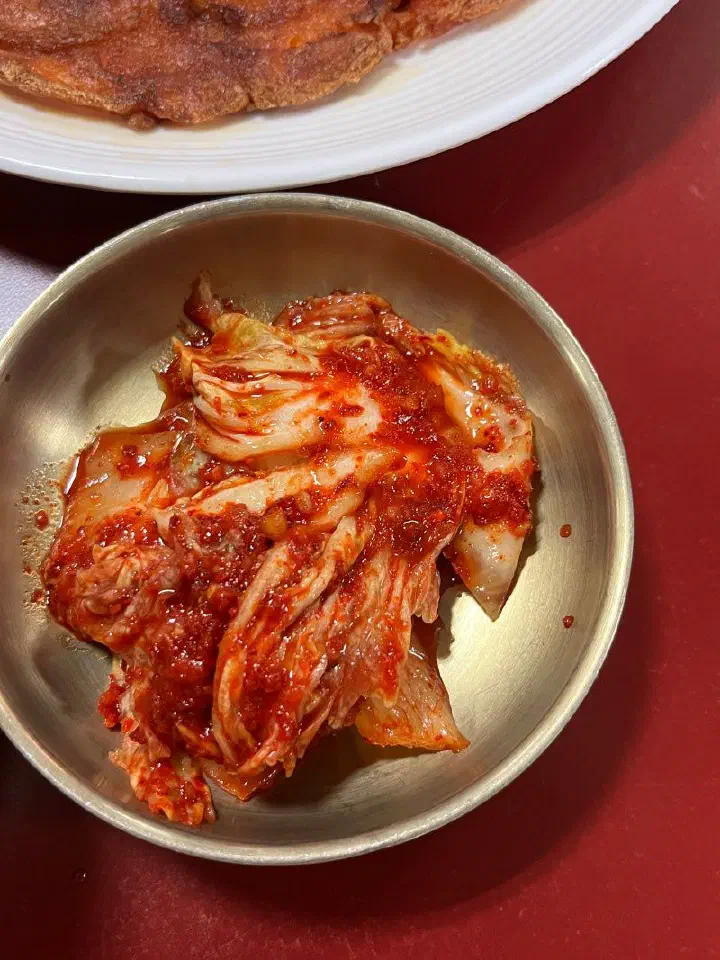
The kimchi alongside is part of the fun — tangy, freshly dressed, and it keeps pulling you back for another bite between spoonfuls of broth.

Heads up: kongguksu isn’t year-round. In winter they stop it and serve kongnamul-bap (콩나물밥, soybean sprout rice) for just 5,000 won instead, which is a genuine bargain. Kongguksu usually returns around March, so winter visitors should plan around that.

And the newcomer — Kongmyeondang Sangam
Kongmyeondang Sangam
1F 109, Savoy City, 17 World Cup buk-ro 54-gil, Mapo-gu, Seoul
Hours weekdays 11:00–21:00 / weekends 10:00–21:00 (break 15:00–17:00)
Parking in Savoy City B3–B5; free for 1 hour on weekdays, 2 hours on weekends
📍 View Kongmyeondang (콩면당) on Google Maps →
Kongmyeondang opened in spring 2025, in that same old spot, just to the right of the Starbucks. Unlike Sangam Hoegwan, it runs all year — kongguksu in summer, and a clear pork soup called dwaeji-gomtang (돼지곰탕) in the colder months.
You order here from a tablet at your own table. It has an English setting, so you can switch the language and order without flagging anyone down — handy if your Korean is shaky.

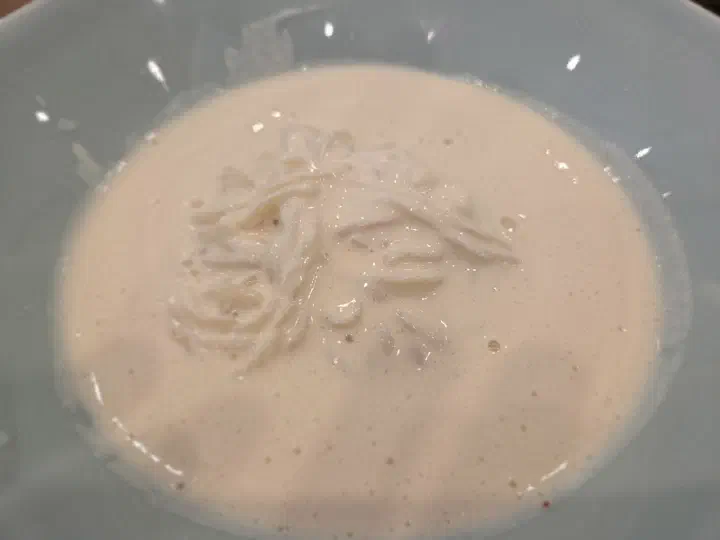
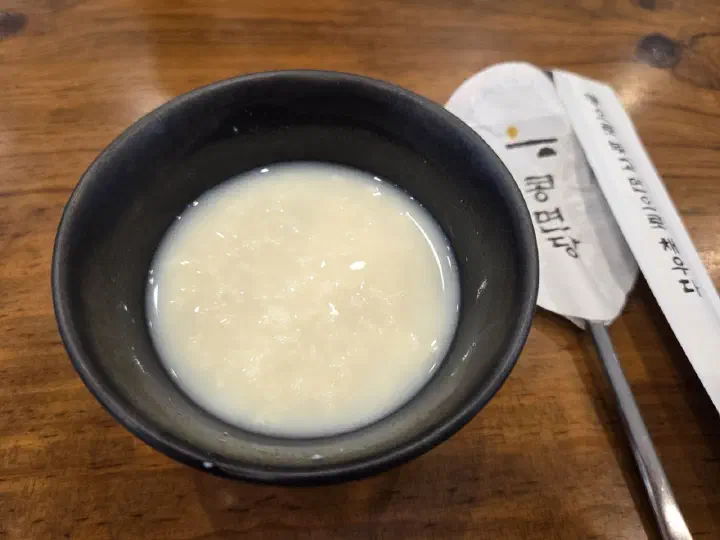
The kongguksu here is made with 100% Korean soybeans, and the noodles are pressed in-house from Korean wheat. The broth is smooth and nutty rather than thick — it’s a softer, easier-sipping style than Sangam Hoegwan’s. If you want it dense, go to Sangam Hoegwan; if you want it gentle, Kongmyeondang fits better.

A nice touch is the free sundubu (순두부, soft tofu) they bring before the meal, apparently made fresh each morning. It’s a soothing little starter while you wait. Noodle refills are free too.

You can order kongguksu on its own, but for 1,000 won more the set adds two mini kimchi pancakes, and that’s the better deal for a first visit.


I tried the dwaeji-gomtang on a winter visit and liked it — clean and clear, made with Berkshire pork, which is an unusual thing to find at a noodle shop. That said, the portion may run a little small for bigger appetites, and there’s only one side (fresh kimchi), so it feels a touch sparse.
A few things to know before you go to Kongmyeondang
The food is generally good, but a few practical notes:
First, at lunch they run a waitlist through the Catch Table app. When your turn comes you get a text, and if you don’t show within a minute the spot is auto-cancelled — so stay close and watch your phone. I’ve seen reviews from people who wandered off and lost their place.
Second, opinions on the owner’s manner are mixed. Plenty of people found the service warm, but some reviews mention being uncomfortable when the owner raised his voice at staff or guests. I didn’t experience it myself, but it’s fair to flag that the reports exist.
Third, the broth’s thickness seems to vary day to day. Some say it’s been thinner since the place got busy after TV, which I suspect is just the strain of a sudden crowd.
The big plus is parking — rare for a Seoul restaurant. Use the Savoy City garage; it’s free for one hour on weekdays and two on weekends.
Practical tips
Both shops fill up during the office lunch rush, so come after 1 p.m. if you want room to breathe. Kongmyeondang opens at 10 on weekends, the earliest of the nearby spots, so an early weekend morning means no wait.
Two more things for visitors. Cards are accepted at both, and both take payment up front when you order rather than after. Ordering is no problem even with little Korean — Kongmyeondang has a tablet at each table and Sangam Hoegwan has a self-service kiosk, and both let you switch the screen to English. And for getting here, skip Google Maps for walking and transit directions in Korea — it’s unreliable. Use Naver Map or KakaoMap instead. From DMC Station (디지털미디어시티역) it’s about a 10-minute walk, or grab a taxi through the KakaoT app.
So, which one?
They started from the same address but feel quite different now.
Crave a thick, almost-creamy bowl? → Sangam Hoegwan (IT Tower basement)
Want a softer broth with a kimchi-pancake set, plus pork soup in winter? → Kongmyeondang (the old Sangam Hoegwan spot)
Kongmyeondang got its sudden fame from TV, but I still go to Sangam Hoegwan just as often. Thick-broth days send me down to the IT Tower basement; lighter set-meal days bring me to the Savoy first floor. Having two soybean noodle shops to rotate between in one neighborhood is a small, real joy if you love this dish — and I’ll be working through both of them again all summer.
Getting there
- Kongmyeondang Sangam: about a 10-min walk from DMC Station Exit 9, Savoy City 1F, right of the Starbucks
📍 View Kongmyeondang (콩면당) on Google Maps → - Sangam Hoegwan: Sangam IT Tower (SAIT) basement-1 food court (not Savoy)
📍 View Sangam Hoegwan (상암회관) on Google Maps →