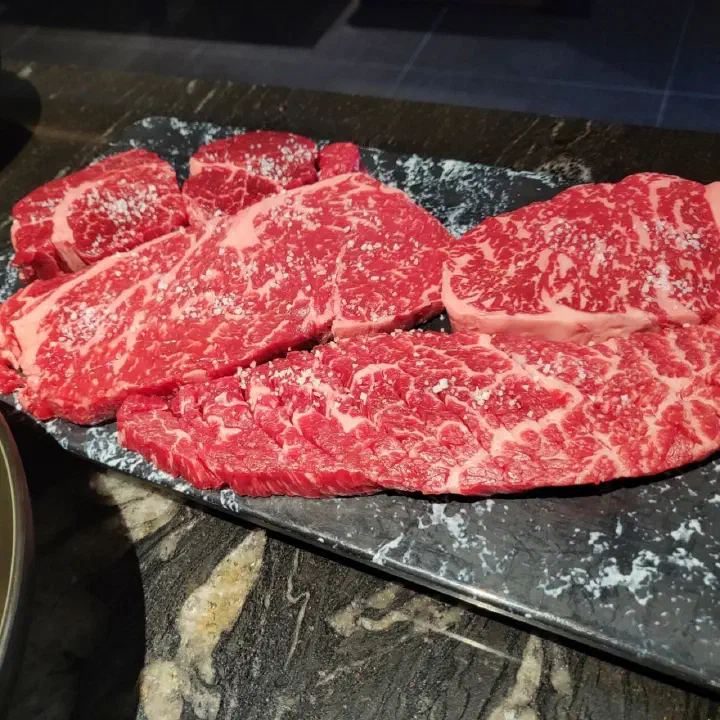
Whenever I really want good beef in Pangyo, I somehow end up back at Changgo43 (창고43) again.
I’ve been going to this brand for years, honestly. I still remember eating at the original Yeouido location, where they grilled beef on a heavy iron pan and tore it apart instead of cutting it. At some point a branch opened here in Pangyo Techone, and now the whole place feels completely different from how it started. So this time I want to talk about the food, but also about how the place has changed over the years.
Quick honest take first: the beef itself is reliable. The catch is that it’s pricey, and the service can swing quite a bit depending on who’s working that day. Go in knowing that and you probably won’t be disappointed.

The basics
- Location: 131 Bundannaegok-ro, Bundang-gu, Seongnam-si (Pangyo Techone, 2F)
- Hours: 11:30–22:00 daily
- Break time: 15:00–17:30
- Phone: 031-601-7543
- Parking: Pangyo Techone underground lot, 2 hours free with a meal
- Corkage free (they’ll even pour your wine into Riedel glasses)
📍 View Changgo43 Pangyo (창고43 판교점) on Google Maps →
It’s about a 2-minute walk from Pangyo Station Exit 1, basically 20 meters away. Techone is connected to the Hyundai Department Store and the Alphadom complex by indoor bridges, so you can get here without stepping outside even on a rainy day.
A quick tip for getting around Korea in general: Google Maps is pretty unreliable for walking and transit directions here, so I’d download Naver Map or KakaoMap before your trip. They’re what locals actually use.
From Yeouido to a “hanwoo dining” brand
I first got to know Changgo43 a long time ago. The story I heard is that it started in Yeouido, founded by a former magazine editor, and was later bought by the BHC group. Now there are branches all over the country — Gangnam, Seocho, Samsung, Haeundae, and more.
The Pangyo branch moved into Techone back in spring 2022. Back then it felt like “the Yeouido place finally came to Pangyo,” and I went pretty much as soon as it opened.
But the whole vibe shifted a couple of years ago. They started calling it “hanwoo dining,” fully renovated the space, changed the logo, and the interior got much sleeker and moodier. Now almost everything except a few window seats runs as private rooms, so it’s quieter and more private than it used to be.

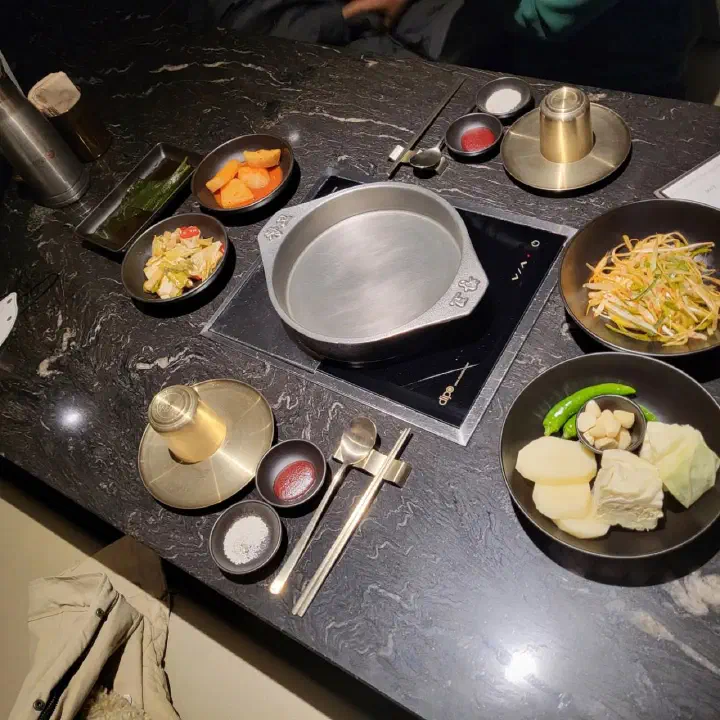
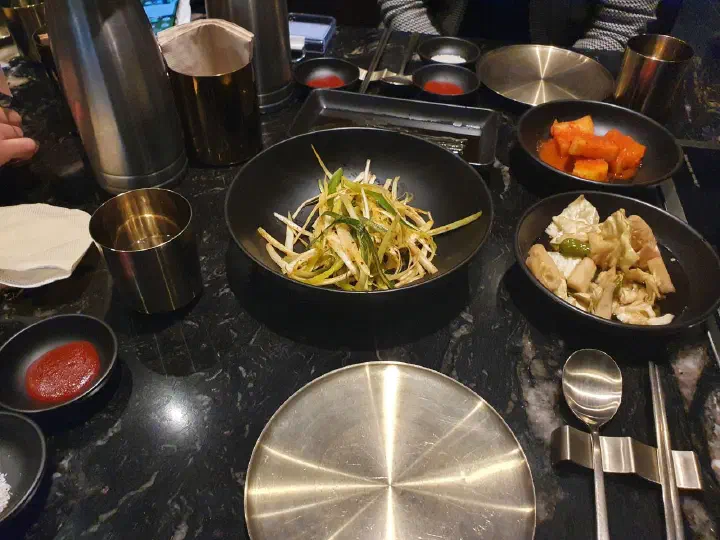
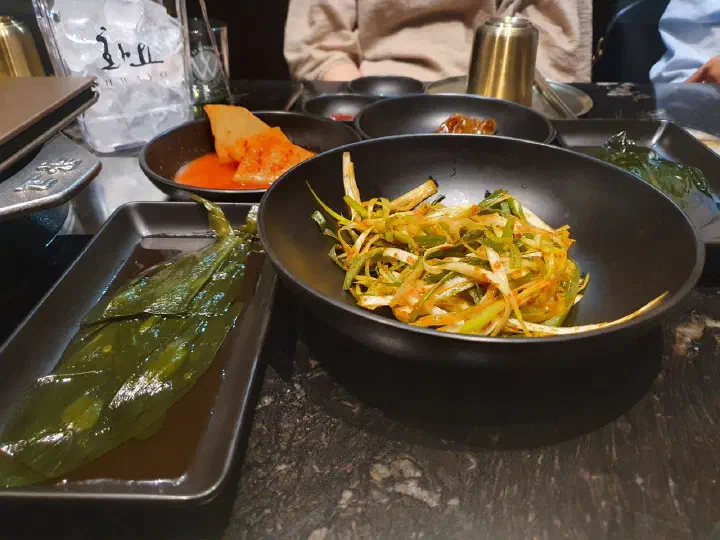
There’s a downside to the change, though. The banchan used to be generous, almost like a full Korean table setting. Now it’s pared down and minimal — pickled scallions, myeongi (wild garlic leaves), a couple of jangajji pickles, and a barley ssamjang. It’s tidy and clean, but a longtime customer like me kind of misses the old abundance.

Why “43”? The cast-iron pan
Do you know why it’s called Changgo “43”?
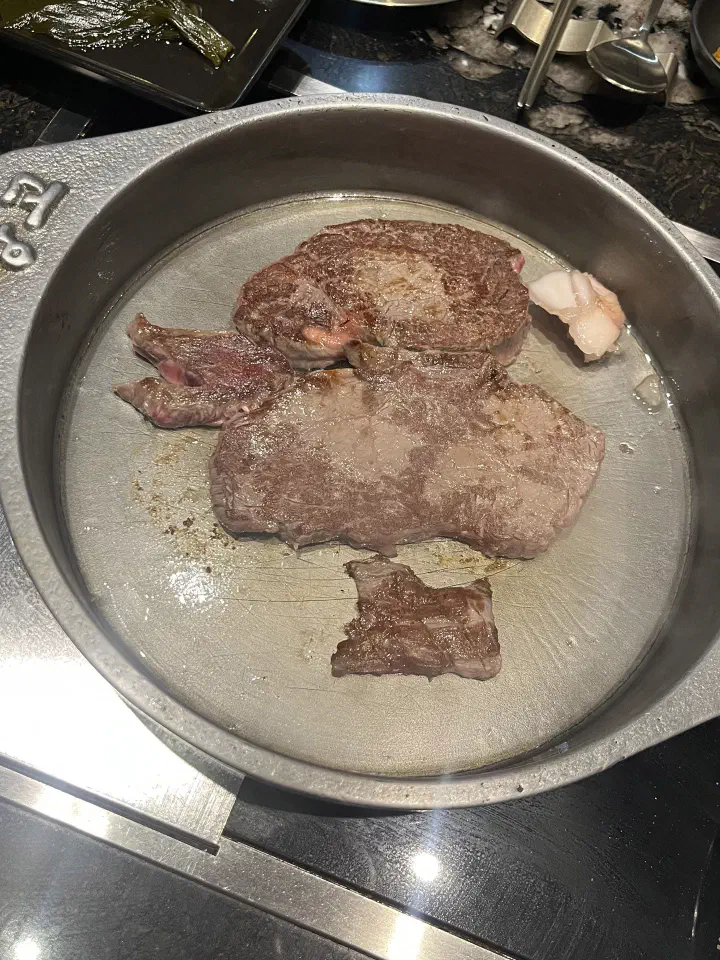
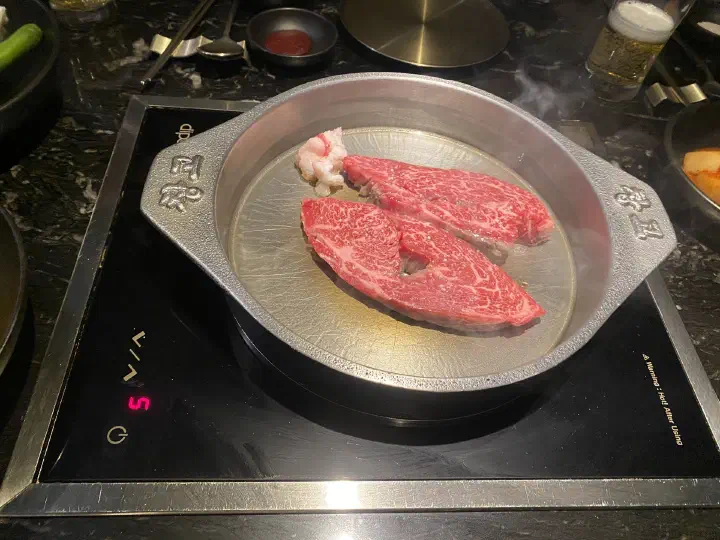
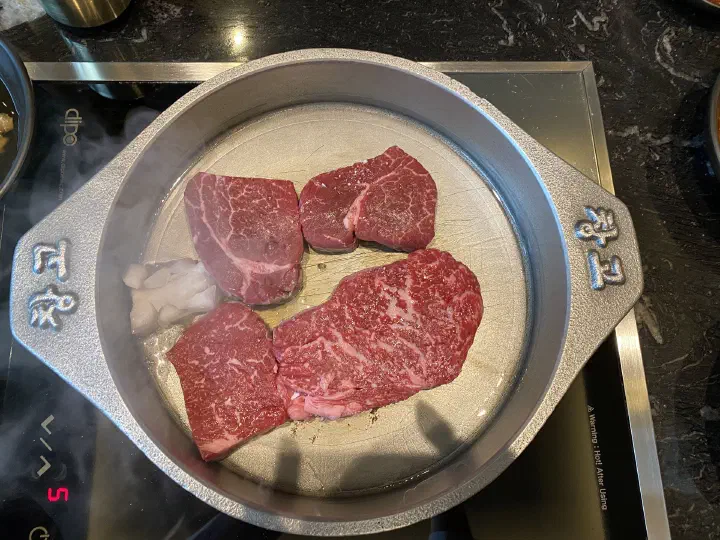
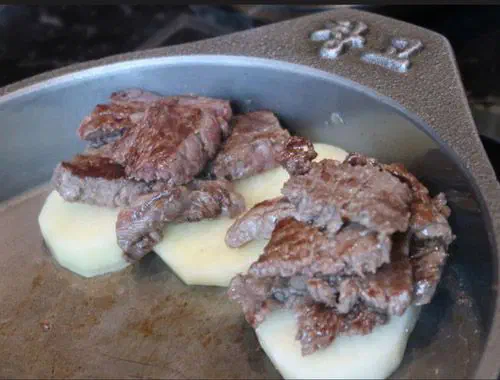
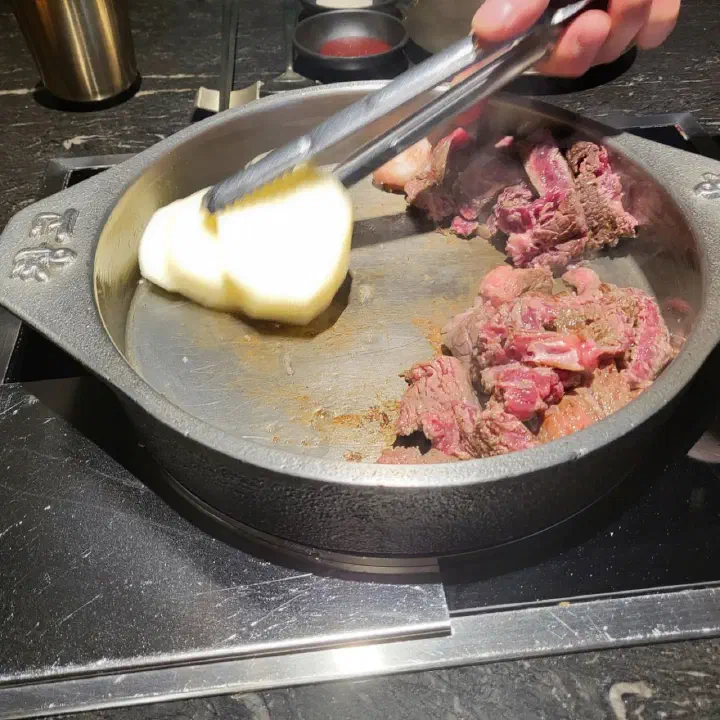
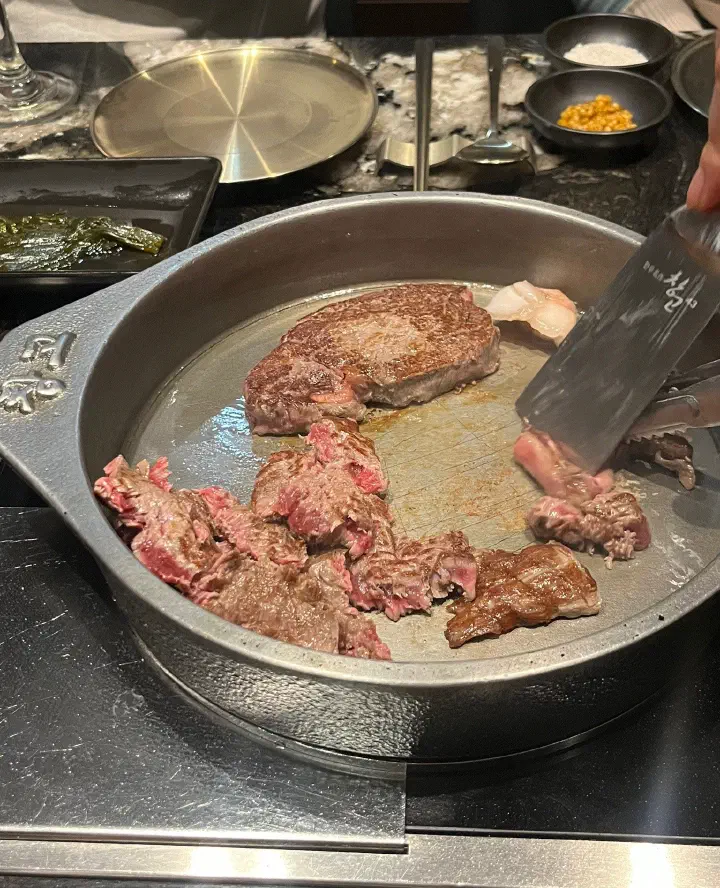
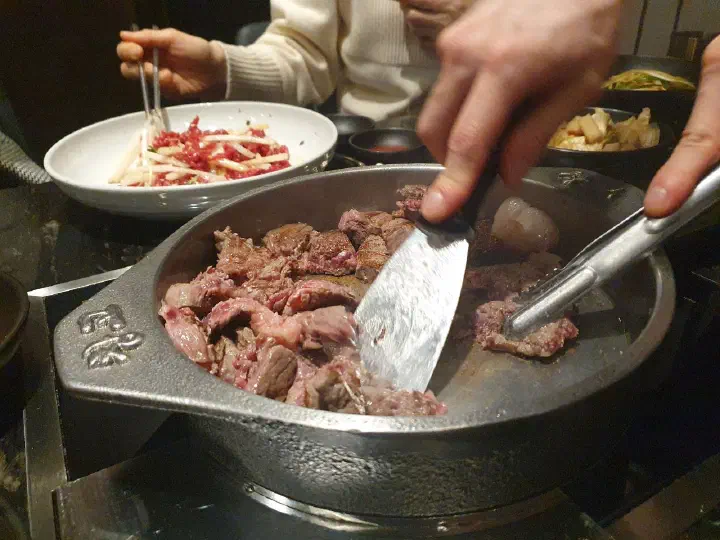
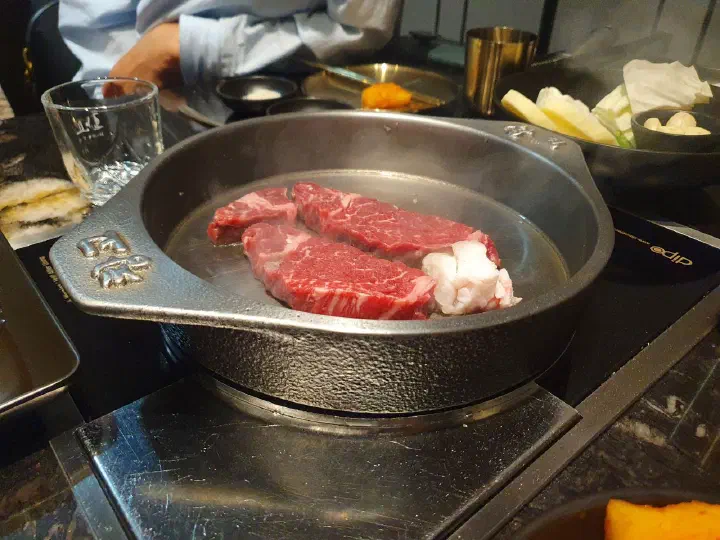
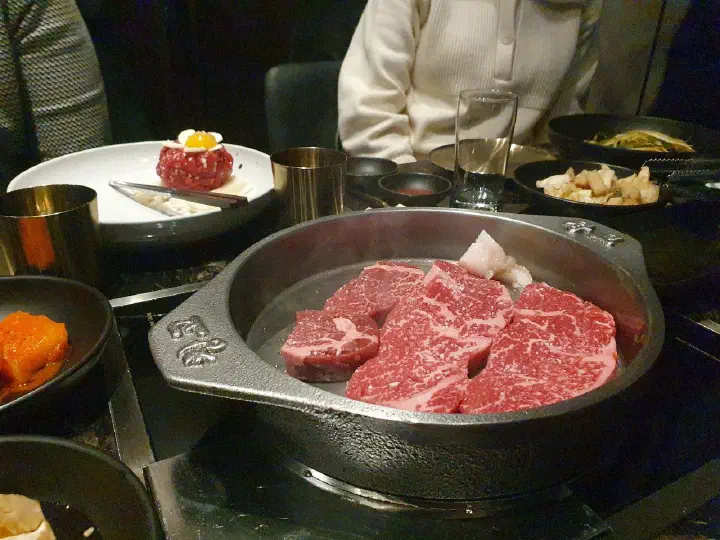
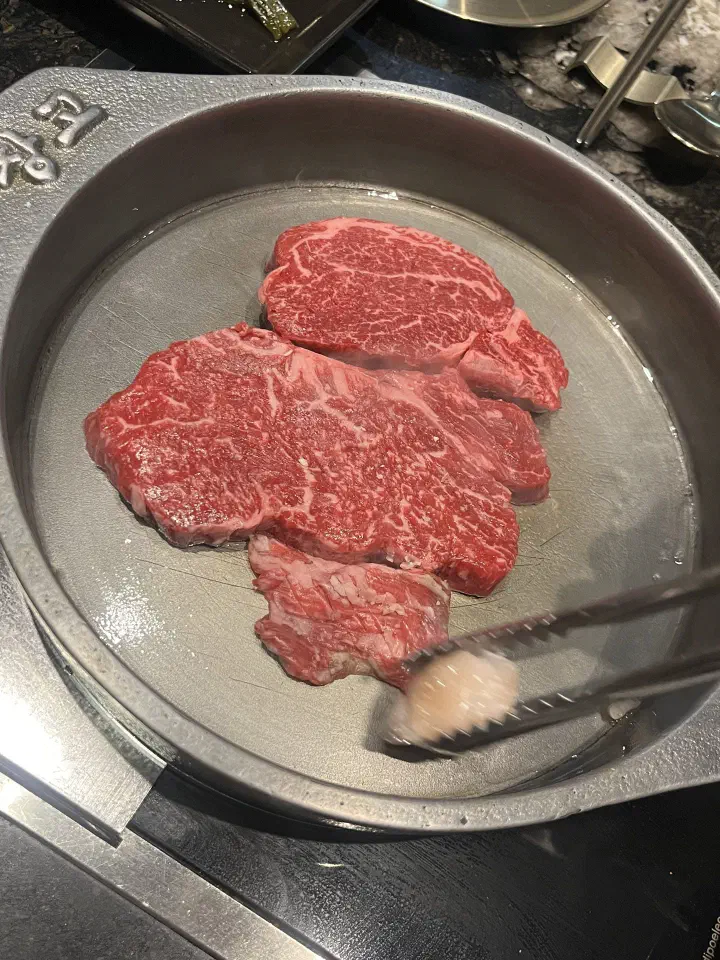
I only found out after going for ages: the iron pan they grill on weighs 4.3 kilograms. Sounded like a random fact at first, but the thick cast iron apparently spreads heat evenly and locks in the juices. The staff rub the pan with a bit of fat and grill everything for you, and the beef cooks just right without sticking or burning.

There’s one more signature thing here. Instead of cutting the meat with scissors, they tear it apart along the grain. The first time you see it you think there’s no way that’ll work, but the beef is so tender it pulls apart cleanly. A Korean BBQ place with no scissors — I still find it oddly fascinating.

By the way, the staff grill the whole time, so you really just sit and eat. Even if your Korean is limited, ordering isn’t hard at all — there are tablet ordering devices at each table, and you can always point at the menu and hold up fingers. I’ve watched the staff manage just fine with visitors who didn’t speak Korean, and a few of them know a little English too.
What I ordered — Changgo Special, anshim, saeu-sal
When I come with family, I usually start with the Changgo Special and add single cuts from there.

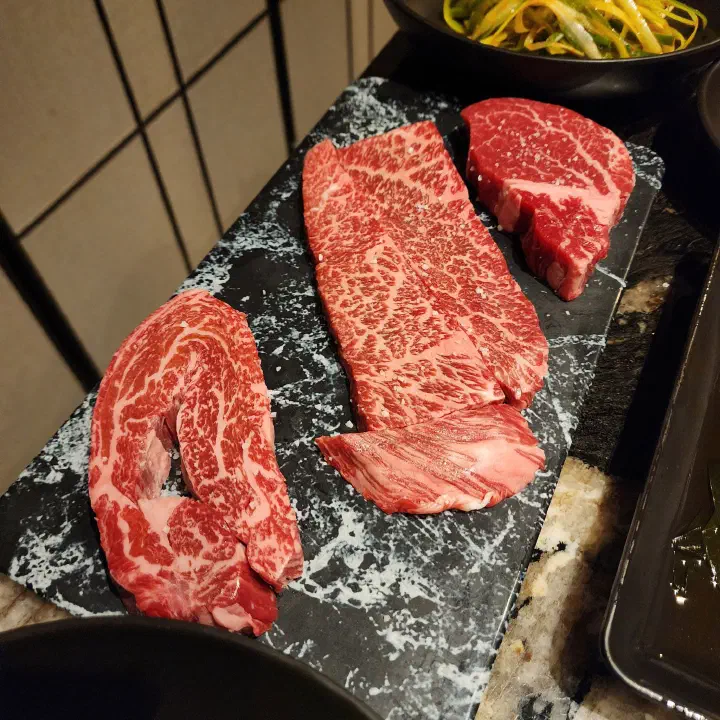
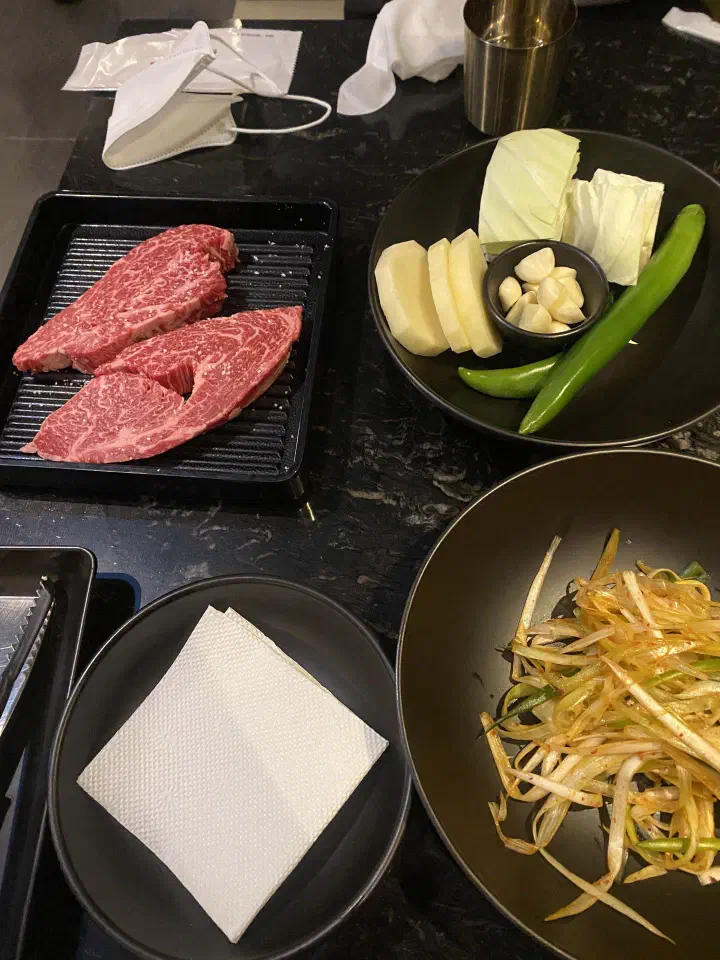
The Changgo Special (창고스페셜, 150g, 54,000 KRW) comes with both anshim (tenderloin) and deungsim (sirloin), which is great for a first visit since you taste two cuts in one order. It’s a clean, mild start, though I’ll be honest — the sirloin can be a bit ordinary depending on the cut you get.

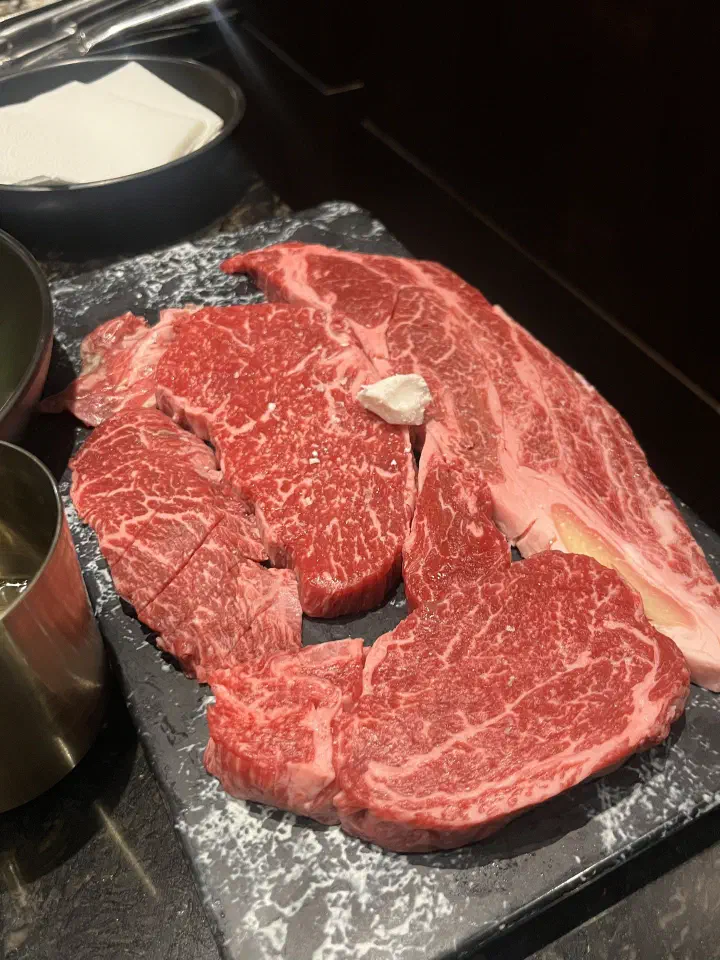
The special anshim (특안심, 130g, 65,000 KRW) is my personal favorite. “Melts in your mouth” is genuinely the right phrase here. If you like tender cuts, don’t skip it. My family always says the anshim suits them best, so we order it every single time.

The saeu-sal (새우살, 130g, 72,000 KRW) — a “shrimp-shaped” cut, only about 1kg per cow — is deeply nutty and has gorgeous marbling. Lately they’ve added newer cuts too, like a 500-hour aged chae-kkeut (채끝, striploin, 75,000 KRW) and seolhwa salchi (설화살치, 75,000 KRW), so when I feel like trying something new I’ll throw in the chae-kkeut.

With a bigger group it’s fun to order several cuts and compare them side by side. Just looking at that marbling before it hits the pan gets me excited.

They grill sliced potato, cabbage, whole garlic, and peppers alongside the beef, and those sides matter more than you’d think. The wild garlic and myeongi leaves in particular cut the richness so you never get tired of the meat, even at the end.

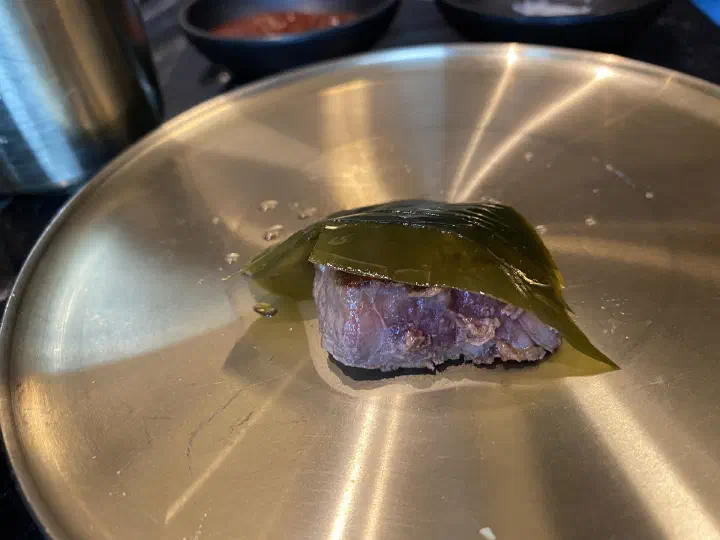
A bite of tender beef wrapped with that barley ssamjang or a crunchy jangajji pickle resets your palate nicely.

Yukhoe, and the fried rice finale
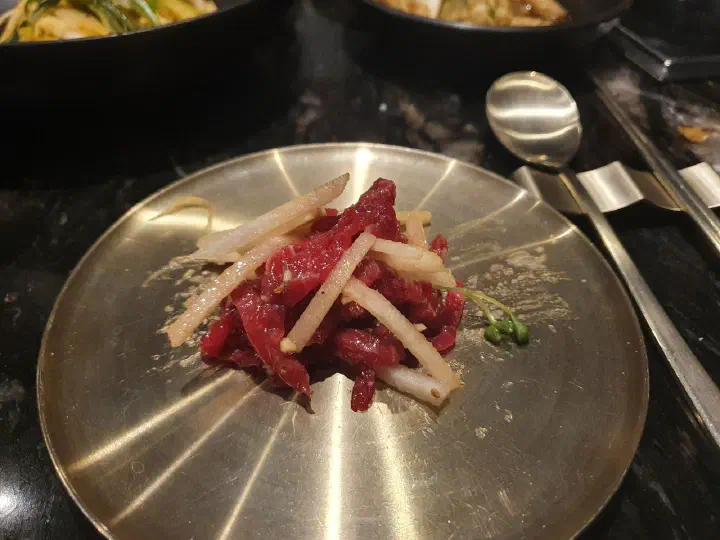
If you order yukhoe (육회, Korean beef tartare, 35,000 KRW) or yuksashimi (육사시미, 39,000 KRW) before the grilled cuts, it really wakes up your appetite. Fresh hanwoo with their seasoning, an egg yolk mixed in — it instantly makes you want a glass of wine.

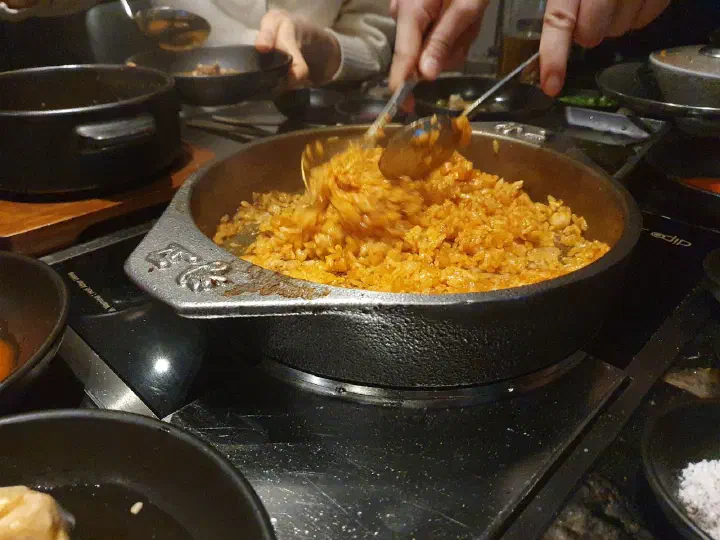
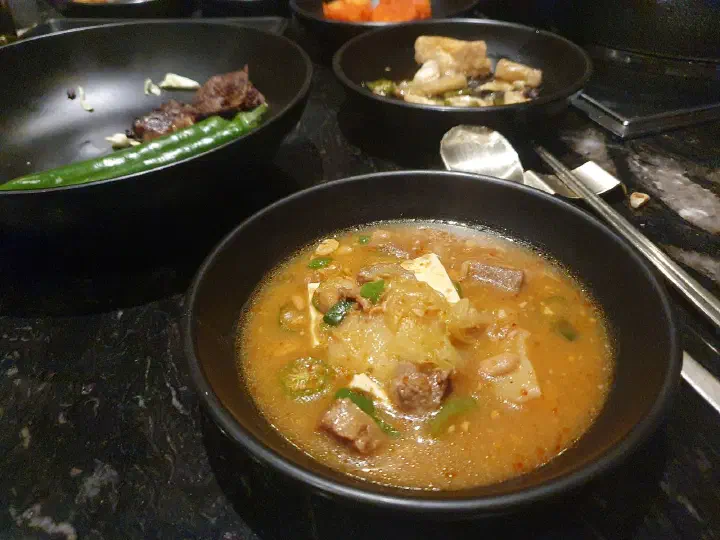
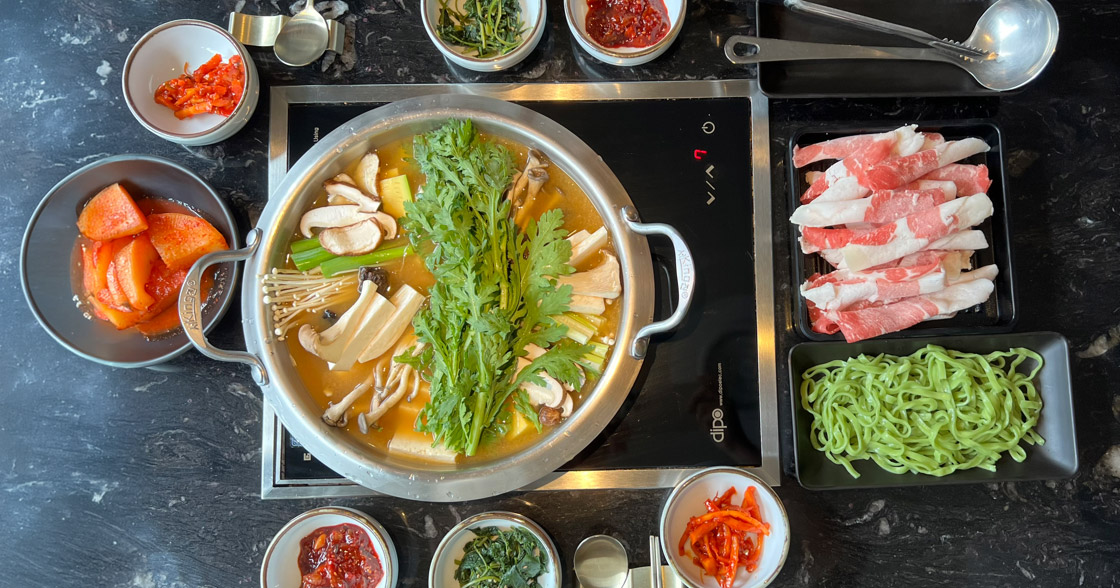
The finale is, of course, the kkakdugi bokkeumbap (깍두기볶음밥, radish-kimchi fried rice). They press and roll it in the iron pan, and the crispy scorched bits are the best part. That said, I’ll be honest — opinions are split on this one. I love it, but some people find the seasonings don’t quite come together, and a few longtime fans say the old Yeouido version was better. Still, paired with rice stirred into the doenjang stew, it’s a satisfying way to end the meal.

One small tip: they serve both salt and gochujang for dipping. Take a piece of beef, dab a little gochujang on it, and eat it with a bite of cold mul-naengmyeon (물냉면, chilled buckwheat noodles) — it’s ridiculously good. I thought it was my own little trick, but apparently it’s a well-known move among regulars.

Lunch is a different experience
In the evening this is a heavy, grill-focused dinner spot, but lunch is surprisingly approachable. There’s a reason so many Pangyo office workers come here for lunch meetings.
The cast-iron grilled marinated sirloin set (무쇠철판 양념등심 정식, 35,000 KRW) is grilled to order, tender and clean. There are solid rice and soup options too — yuja yukhoe bibimbap (유자육회비빔밥, 16,000 KRW), hanwoo doenjang bap (한우된장밥, 13,000 KRW), oxtail soup, spicy haejang-guk, and a hearty galbi-tang (왕갈비탕, 23,000 KRW). They used to have a popular doenjang shabu lunch set too, but the menu changes often, so check before you go.

One caveat: lunch dishes are hit or miss. The bibimbap and soups are reliable, but I’ve heard the spicy galbi-jjim (매운갈비찜) and the tripe soup felt a bit small or underwhelming for the price, so at lunch I tend to play it safe with a set or a bibimbap.
If you do go for the spicy galbi-jjim, a heads-up: Korean “spicy” is already spicy for locals, and it can hit much harder for visitors who aren’t used to it. Brace yourself a little.

How to handle parking (read this)
If you’re driving, let me explain the parking properly.
Changgo43 Pangyo is inside the Pangyo Techone building, so you use the building’s underground lot. It connects directly to Pangyo Station Exit 1 underground, so it’s easy to park and come up. With a meal you get 2 hours free, but you must get your parking validated when you pay on the way out.
Here’s the important bit: if you forget to validate and just leave, the parking fee can sting. People genuinely miss it in the rush of paying. So when you settle the bill, make a point of asking them to validate your parking.
Timing matters too. On weekday lunches the lot gets crowded with office workers from the building, and you can lose time circling for a spot — leave a little early if you’re driving in for lunch. Weekends are actually easier since the office crowd is gone. Either way, parking here is far less stressful than at the Gangnam-area branches, which is a real plus for the Pangyo location.

Honestly, a few downsides
After many visits I’ve had great days and so-so days. To help you decide, here are the honest negatives.
First, it’s genuinely expensive. Grilled cuts run 60,000–70,000 KRW per portion, so two people with meat plus a meal adds up fast. The quality is good, but some people will think “for this price there are other options,” and that’s fair.
Second, the service is inconsistent. When it’s quiet, they grill each cut carefully in order. When it’s busy, they sometimes pile everything on at once and grill it all mixed together, so you lose track of what you’re eating and the meat can overcook. It happened to me once when a friend arrived late and we added an order — the service suddenly felt rushed. In that case it helps to ask them upfront to grill slowly, cut by cut.
Third, the service can get a little brusque near closing or break time. A few people have felt pushed to leave mid-meal, so I’d avoid the slots right before closing if you want a relaxed dinner.
Tips worth knowing
- Private rooms book up fast on weekends and around the holidays. Reserve early via Naver or the CatchTable app if you want one.
- Pre-ordering your menu when you book speeds up seating and setup, so you wait less.
- It’s corkage free, so bring wine. They serve it in Riedel glasses, which is a nice touch.
- You can request a specific manager who grills well. If someone did a great job, remember their name and ask for them next time.
- They sometimes run Hyundai Card M-point discounts or seasonal promotions, so check before you go — it can save a fair bit.
A couple of practical notes for foreign visitors: almost every restaurant in Korea takes credit cards, so any internationally accepted card is fine here. And there’s no tipping culture in Korea — you don’t need to tip, and staff might actually be a bit flustered if you try.

Final thoughts and would I go back
To sum up, Changgo43 Pangyo is where I go to treat my parents, host guests, or have a proper hanwoo meal in a quiet private room. It’s not an everyday casual spot, but for special occasions it’s still on my shortlist.
The post-renovation atmosphere is definitely more upscale, and that signature move — grilling on the iron pan and tearing the beef along the grain — hasn’t changed since my early Yeouido days, which I find oddly comforting. As long as I factor in the price and the variable service, I’ll keep coming back for special occasions.

Getting there
A 2-minute walk from Pangyo Station Exit 1, on the 2nd floor of Pangyo Techone. If you drive, park in the Techone underground lot and head up — and don’t forget to validate your parking on the way out.
If you don’t have a car, Pangyo is easy to reach by the Shinbundang Line, and a taxi via the Kakao T app is simple to call. A small note: while cards work almost everywhere, it’s handy to keep a little cash on you in Korea, just in case.
📍 View Changgo43 Pangyo (창고43 판교점) on Google Maps →