속초에 가면 생선구이집이 정말 많지요.
그중에서도 갯배 선착장 앞 골목의 88생선구이는
속초 맛집을 검색하면 빠지지 않고 나오는 집이에요.
집에서 생선 구워 먹으려면 은근히 번거롭잖아요.
종류별로 준비하는 것도 쉽지 않고요.
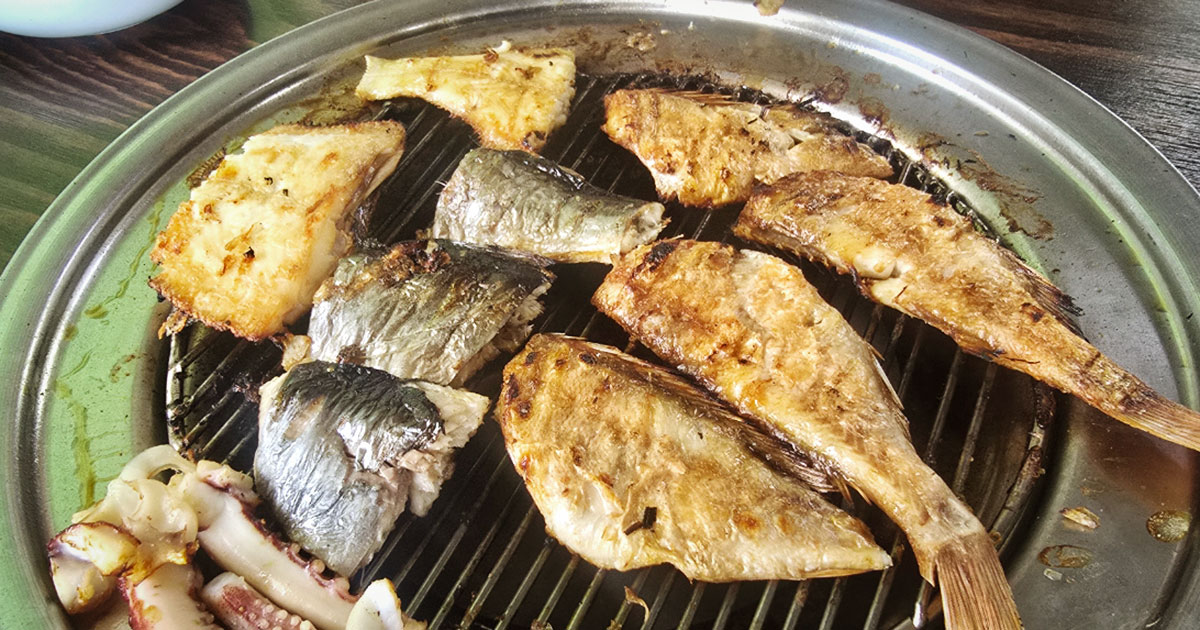
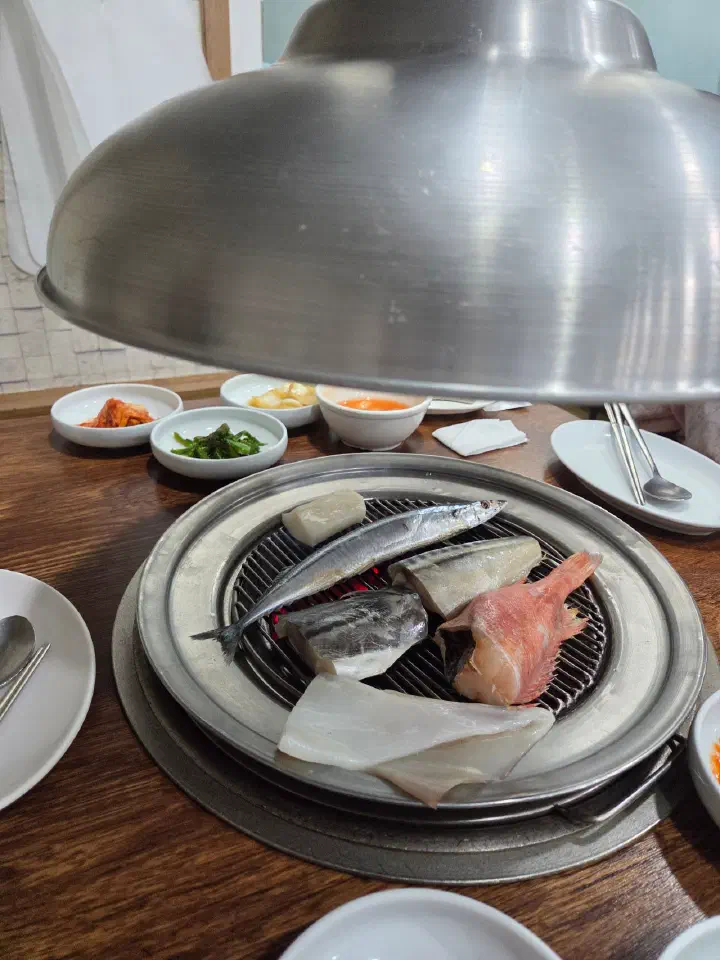
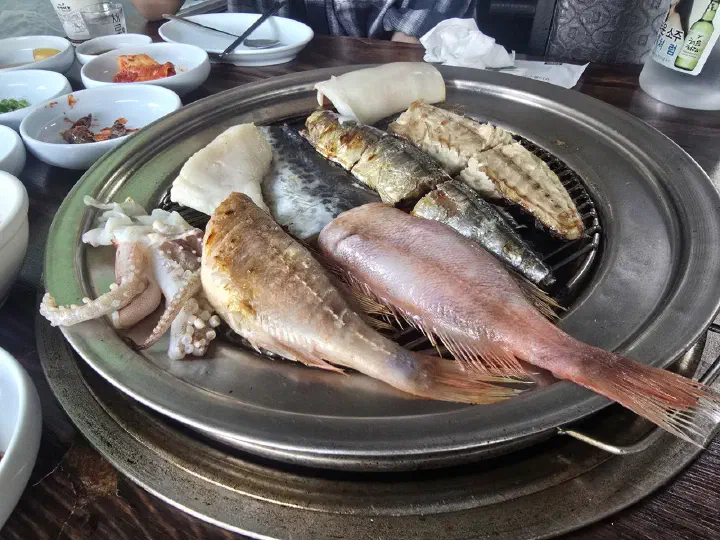
여기는 여덟 가지 생선을 한 상에 올려
숯불에 직접 구워주는 곳이라 그 번거로움이 통째로 없어져요.
어떤 집인가
1970년대에 문을 열어 50년 넘게 자리를 지킨 집이에요.
처음엔 부두가의 작은 가게였는데
손님이 늘면서 바로 옆에 3층짜리 건물을 새로 올렸어요.
그래서 지금은 오래된 구관과 새 신관이 골목을 사이에 두고 마주 보고 있답니다.
처음 오면 어느 쪽으로 들어가야 하나 잠깐 헷갈리는데
직원분이 자리 있는 쪽으로 안내해 주시니 그냥 따라가면 돼요.
방송에도 여러 번 나왔어요.
식객 허영만의 백반기행, 6시 내고향, 토요일은 밥이 좋아,
생방송 오늘저녁, 생방송 투데이까지 이력이 꽤 많은 집이에요.
그래서인지 관광객만 오는 게 아니라
속초 사람들도 손님 오면 데려오는 집으로 통해요.
기본 정보
주소: 강원특별자치도 속초시 중앙부두길 71
전화: 033-633-8892
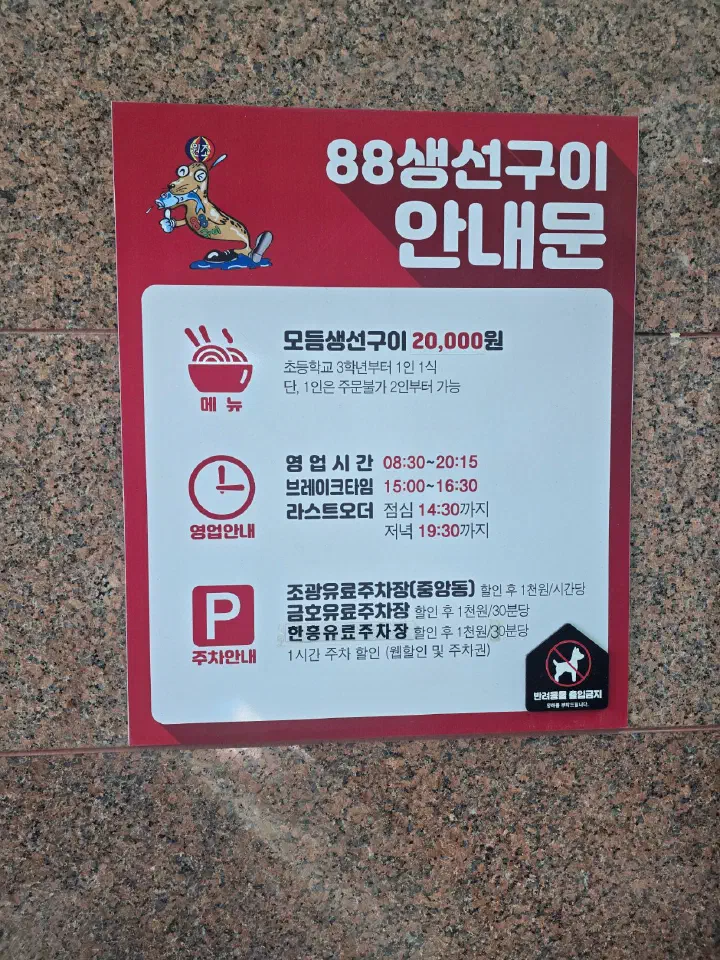
영업시간: 매일 08:30 - 20:15
브레이크타임: 15:00 - 16:30
라스트오더: 점심 14:30, 저녁 19:30
메뉴: 88생선구이 모둠정식 1인 20,000원 (밥·국 포함)
주차: 조광·금호·한흥 유료주차장 1시간 할인
예약: 불가 (원격 줄서기도 없음)
웨이팅 피하는 시간
주말 점심과 여름 휴가철, 연휴에는 골목에 줄이 길게 늘어서요.
평일 점심시간에도 웨이팅이 생기는 편이고요.
그런데 줄이 길어 보여도 생각보다 금방 빠져요.
건물 두 채를 함께 돌리는 데다
직원분들 손이 워낙 빨라서 회전이 빠르거든요.
30분 안팎으로 잡는 경우가 많고, 5분에서 20분이면 들어가는 날도 있어요.
가장 확실한 건 오픈 시간에 맞춰 가는 거예요.
8시 30분에 문을 열자마자 아침을 먹으러 오는 손님이 꽤 많은데
오전 10시 전이면 웨이팅 없이 앉을 수 있는 편이에요.
주말 점심을 노린다면 11시에서 11시 30분 사이에 도착하시는 걸 추천드려요.
브레이크타임이 15시부터라 그 직전도 한산한 편인데
14시 30분이 점심 라스트오더라 너무 아슬아슬하게 가면 돌아설 수 있어요.
예약은 받지 않고 원격 줄서기 앱도 쓰지 않아요.
전화로 지금 웨이팅이 있는지 물어볼 수는 있지만
줄이 늘었다 줄었다 하는 곳이라 확답을 듣기는 어려워요.
결국 시간을 잘 맞춰 가는 게 유일한 방법인 셈이에요.
주차 꿀팁
가게 앞에 두세 대 댈 자리가 있긴 한데
거의 항상 차 있다고 생각하시는 게 편해요.
지정 주차장은 세 곳이에요.
조광유료주차장, 금호유료주차장, 한흥유료주차장.
여기 대고 식사하면 1시간 할인을 받을 수 있고
할인 시간이 지나면 30분당 1,000원씩 붙어요.
조광은 시간당 1,000원이라 오래 세울수록 조광 쪽이 저렴해요.
가게에서 가장 가까운 건 이스턴관광호텔 주차장인데
여기는 20분당 1,000원이라 요금이 빨리 올라가요.
조광주차장까지는 걸어서 5분에서 10분 정도 걸리고요.
한흥주차장은 지도 검색으로 잘 안 잡혀서 헤매는 분들이 많아요.
주말이라면 가게 앞에서 자리 나기를 기다리는 것보다
처음부터 외부 주차장에 대고 걸어오는 편이 빨라요.
계산할 때 주차권 챙기는 것도 잊지 마세요.
메뉴는 딱 하나
메뉴판이 아주 단출해요.
88생선구이 모둠정식 1인 20,000원, 이게 전부거든요.
자리에 앉으면 인원수대로 자동으로 주문이 들어가서
뭘 시킬지 고민할 일이 없어요.
밥과 미역국이 포함이고, 밥을 더 시키면 한 공기에 1,000원이에요.
술은 소주와 맥주가 5,000원, 청하와 매화수가 6,000원,
백세주 8,000원, 복분자 15,000원이에요.
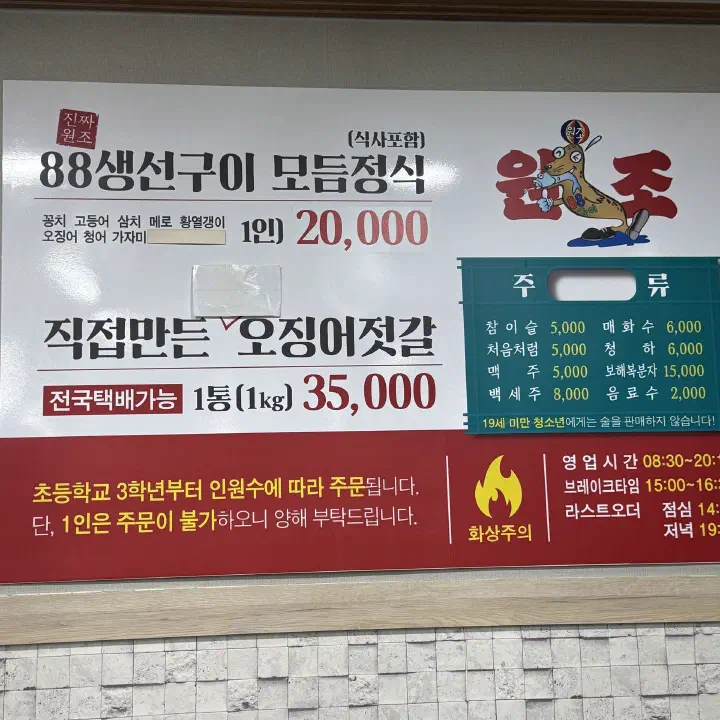
알아두면 좋은 방침이 두 가지 있어요.
초등학교 3학년 이상부터는 인원수에 넣어 1인 1식으로 주문해야 하고,
1인 방문은 받지 않아요.
혼자 여행 중이라면 이 집은 다음으로 미루셔야 해요.
2인이면 40,000원부터 시작하는 셈이라
가족 단위나 일행이 있을 때 어울리는 집이에요.
생선 여덟 종
그날 들어온 생선에 따라 조금씩 달라지는데
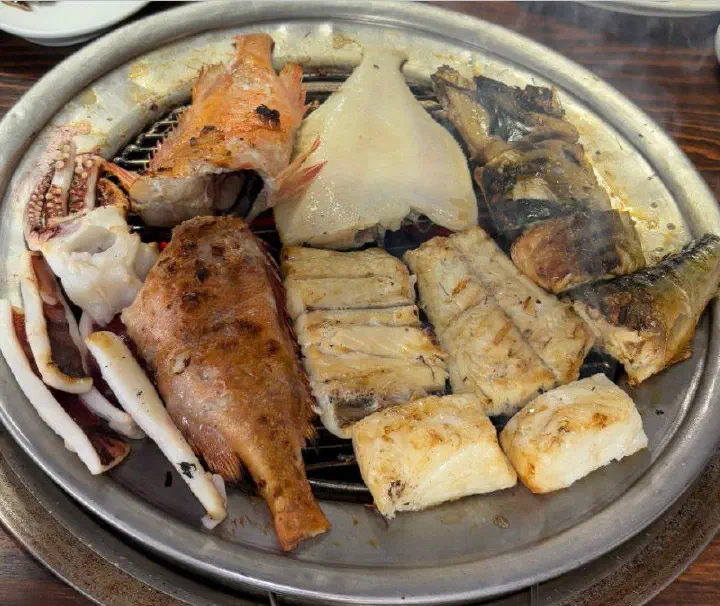
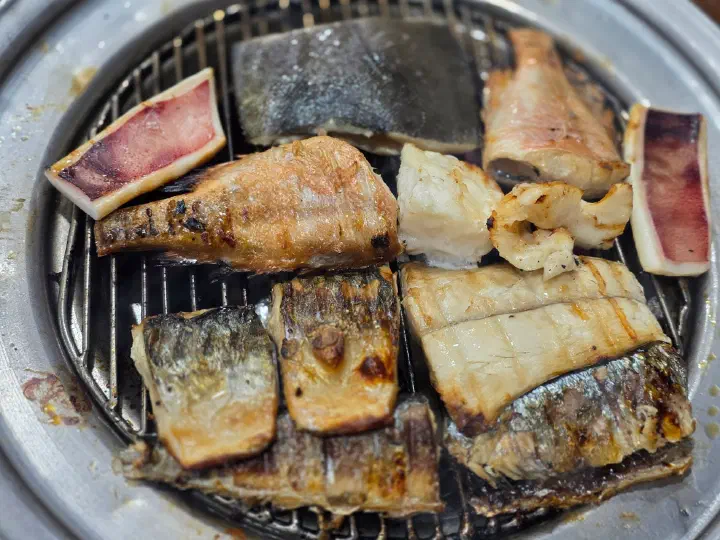
보통 고등어, 삼치, 꽁치, 청어, 가자미, 메로, 황열갱이, 오징어가 올라와요.
임연수나 열기, 도루묵, 송어가 섞여 나오는 날도 있고요.
한 종류만 먹을 때보다 훨씬 재미있어요.
하나하나 맛이 다르니까 질리지가 않거든요.
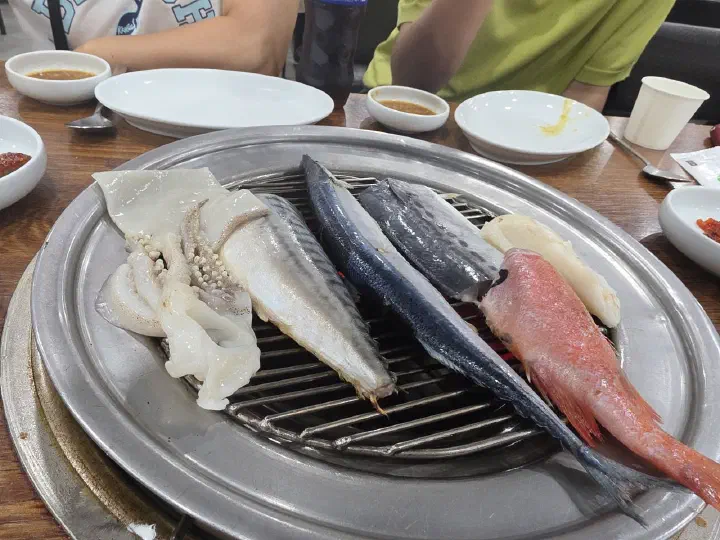
고등어가 역시 기본이면서 제일 인상적이에요.
겉은 노릇하게 구워졌는데 속살이 믿기 어려울 만큼 촉촉하고
기름기가 적당히 올라와 고소해요.
밥 위에 큼직하게 올려 먹으면 그 한 술이 제일 맛있어요.
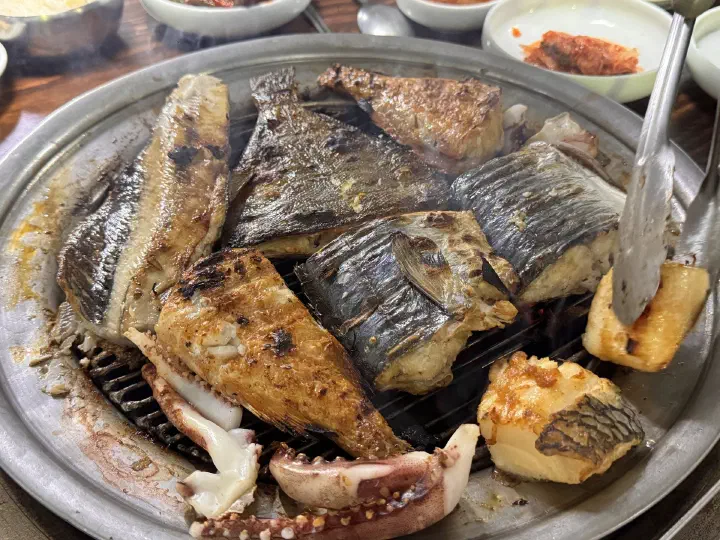
메로는 탱글하면서 안에 기름이 팡팡 터져요.
살면서 이런 향과 감칠맛이 있었나 싶을 만큼 진한데
양이 맛보기 정도라 더 먹고 싶어질 거예요.
구석에 남은 메로 껍질까지 마저 구워 드셔보세요.
그게 또 별미거든요.
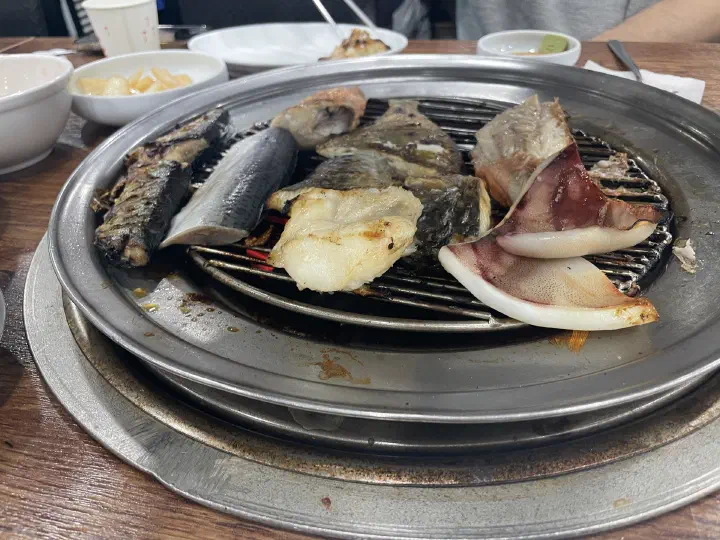
황열갱이는 이름이 낯선 생선인데 조기랑 비슷한 식감이에요.
버터 같은 풍미가 돌아서 처음 먹고 놀라는 분들이 많아요.
청어는 눅진한 기름이 느껴지고, 꽁치는 껍질이 특히 고소해요.
삼치는 자칫 퍽퍽할 수 있는 생선인데 촉촉하게 구워 나오고요.
가자미는 살이 부드럽고 껍데기가 파삭해요.
오징어는 탱글한 식감이 그대로 살아 있어서
생선을 별로 안 좋아하는 사람도 오징어는 잘 먹더라고요.
열기는 껍데기가 두꺼워 숯불과 잘 어울리는데
살은 심심한 편이라 여기서 호불호가 나눠져요.
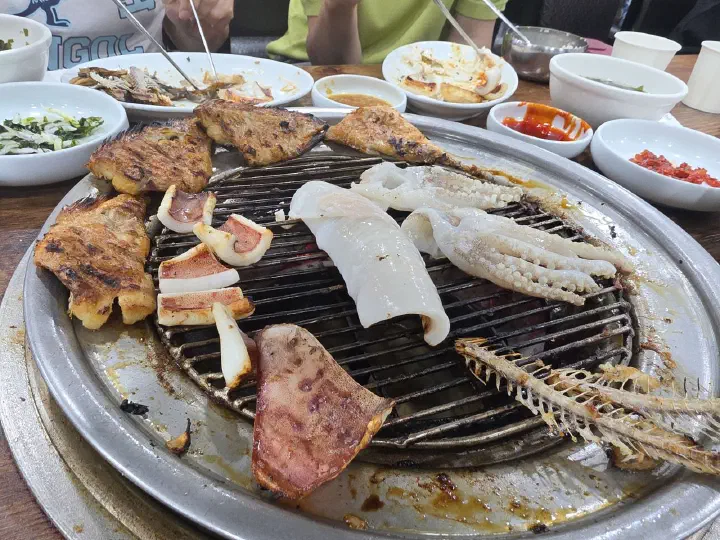
직원분이 다 구워줘요
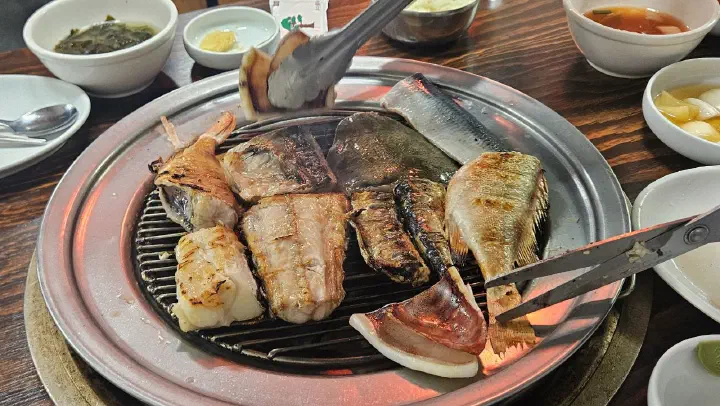
이 집의 진짜 특징은 손님이 집게를 들 일이 없다는 점이에요.
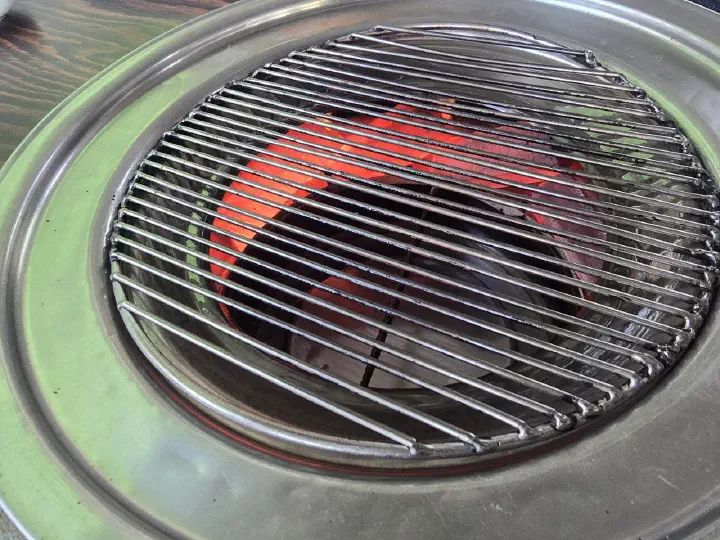
테이블 가운데로 숯 화로가 통째로 들어오고
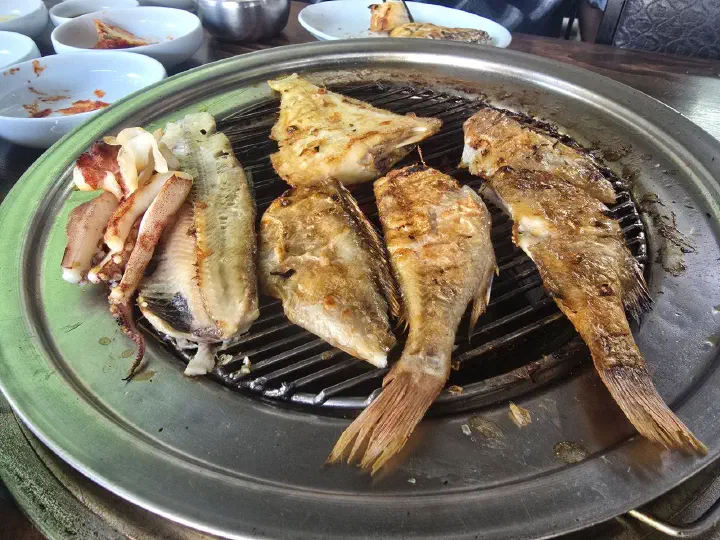
직원분이 생선을 올려 굽고, 뒤집고, 머리와 내장을 정리하고,
먹기 좋게 잘라서 인원수대로 앞접시에 놓아주세요.
가위와 집게를 만질 일이 정말 없답니다.
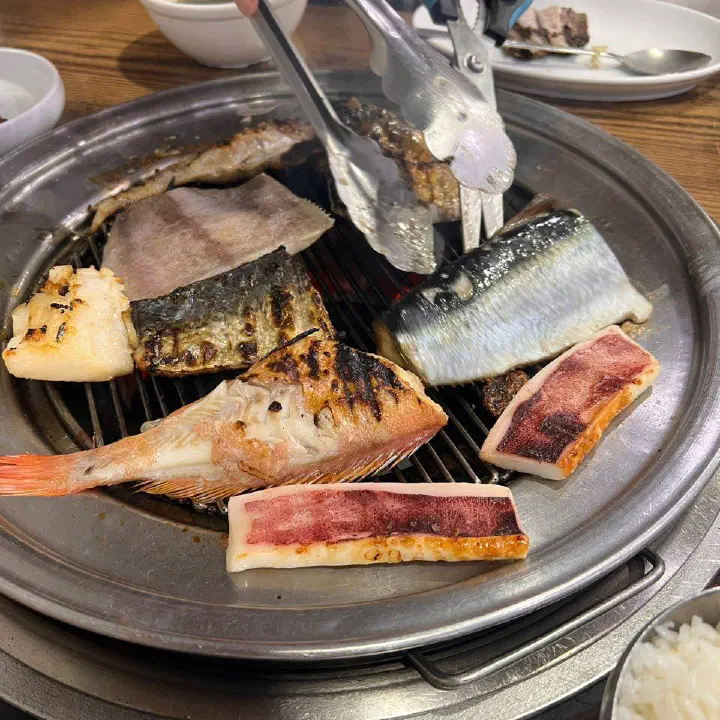
중간에 다른 테이블로 가셨다가
딱 알맞은 타이밍에 돌아와 뒤집는 솜씨가 놀라워요.
직원분들 상당수가 외국인인데 숙련도가 정말 높아요.
한국말도 잘 알아들으시고요.
모르는 생선이 있으면 물어보면 바로 알려주세요.
오마카세처럼 종류별로 하나씩 놓아주니
그 자체로 재미있는 식사가 되기도 해요.
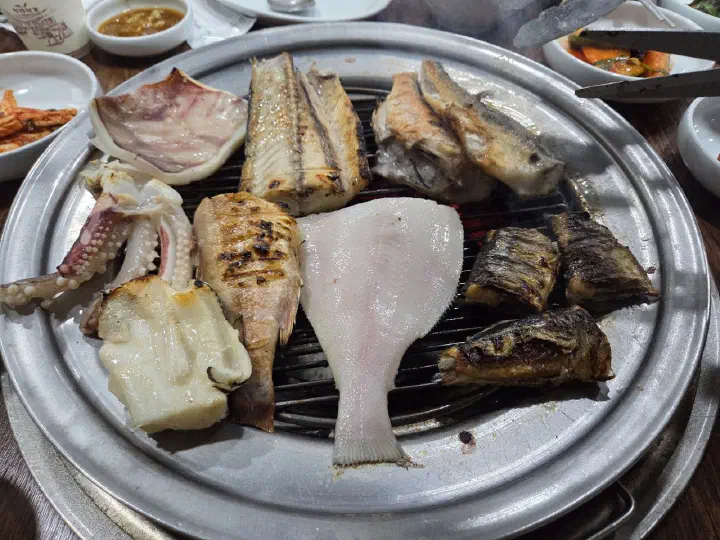
다만 이 방식이 모두에게 맞지는 않아요.
내가 먹고 싶은 걸 골라 먹는 게 아니라
주시는 대로 받아 먹는 구조라서요.
앞접시를 다 비우기 전에 다음 생선이 계속 올라오면
쫓기는 기분이 들 수 있어요.
다 구워지면 숯 화로를 바로 빼 가시는데
그래서 빨리 먹고 나가야 할 것 같은 조급함을 느꼈다는 분들도 있어요.
회전이 빠른 집의 그림자라고 보시면 돼요.
소스와 반찬
1인당 종지가 하나씩 나오는데
안에 다진 마늘과 고추냉이가 들어 있어요.
여기에 간장을 부어 섞으면 소스 완성이에요.
와사비 간장은 익숙한데 마늘까지 들어가는 건 낯설잖아요.
그런데 이게 생선구이랑 정말 잘 어울려요.
생선 자체에는 간이 거의 없어서
이 소스에 찍어 먹는 걸 전제로 나온다고 보시면 돼요.
심심하다고 느끼는 분들은 간장과 고추냉이를 넉넉히 넣으시면 돼요.
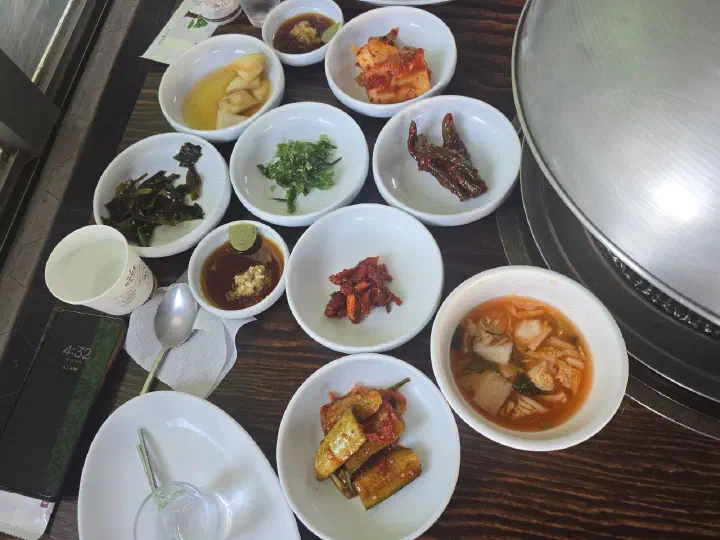
반찬은 여덟 가지쯤 차려져요.
배추김치, 물김치, 오이소박이, 파래무침, 미역줄기, 양파장아찌,
꽈리고추무침, 그리고 오징어젓갈이에요.
셀프바가 있어서 모자라면 얼마든지 가져다 먹을 수 있어요.
국은 미역국인데 된장을 푼 미역국이라 구수해요.
흔히 먹던 미역국과 맛이 달라서 이게 은근 기억에 남아요.
반찬 중에서는 오징어젓갈이 단연 주인공이에요.
물기 없이 꾸덕한 데다 간이 세지 않고 식감이 쫄깃해서
이것만 있어도 밥 한 공기가 넘어가요.
1kg 한 통을 35,000원에 따로 팔고 전국 택배도 되는데
직접 담근 거라 사 가는 분들이 많아요.
다만 반찬 전체를 놓고 보면 평이 나눠지는 편이에요.
손이 가는 건 두어 가지 정도고,
가격을 생각하면 조금 더 신경 써주면 좋겠다는 아쉬움도 있어요.
연기와 더위
솔직하게 말씀드릴 부분이에요.
모든 테이블에서 숯불이 돌아가니 매장 안에 연기가 찹니다.
신관은 후드와 환기 설비가 좋아서 견딜 만한데
구관은 여름에 상당히 더워요.
에어컨을 틀어도 숯 화로 열기까지 더해지니 한계가 있거든요.
눈이 맵다는 분들도 있어요.
자리 배정은 손님이 고를 수 없고 대기 순서에 따라 나뉘어요.
옷에 냄새 배는 것도 각오하셔야 해요.
의자 밑에 소지품 보관함이 있으니
겉옷이나 가방은 꼭 넣어두시는 걸 추천드려요.
여행 내내 생선구이 냄새를 데리고 다니지 않으려면
이 작은 습관이 은근 도움이 된답니다.
아이랑 어른이랑
가족 손님이 정말 많은 집이에요.
부모님 모시고 온 분들, 아이 데리고 온 분들이 늘 보여요.
매장이 크고 시끌벅적해서
아이가 조금 크게 말해도 크게 눈치 보이지 않아요.
가시 없이 발라주니 어른들도 편하게 드실 수 있고요.
다만 아기의자는 없어요.
그리고 뜨거운 숯 화로가 계속 오가는 구조라
아이 자리는 통로 안쪽으로 잡고 주의를 주셔야 해요.
반려동물 동반은 안 되니 이 부분도 미리 알아두시면 좋겠지요.
초등학교 3학년 미만 아이는 인원수에서 빠지지만
아이가 먹을 밥은 1,000원에 따로 추가하시면 돼요.
근처에 뭐가 있나
갯배 선착장이 바로 앞이에요.
줄을 당겨 건너가는 그 갯배를 타면 아바이마을이 나와요.
속초관광수산시장도 걸어갈 만한 거리고요.
그래서 아침을 여기서 든든하게 먹고
시장 구경이나 갯배를 이어 붙이는 동선이 자연스러워요.
속초시외버스터미널·고속버스터미널에서는 차로 10분쯤 걸려요.
골목이 좁은 편이라 관광객 많은 시간엔 차로 진입하기 답답할 수 있어요.
정리하면
2만원이라는 가격은 사람마다 다르게 느껴져요.
관광지에서 여덟 종을 이 신선도로, 구워주는 수고까지 받으면
납득할 만하다는 쪽이 있고
반찬과 양을 생각하면 비싸다는 쪽도 있어요.
간이 거의 없는 담백한 생선구이라
자극적인 맛을 기대하고 가면 심심하게 느껴질 수 있고요.
그래도 다양한 생선을 한 번에, 손 하나 안 대고 먹을 수 있는 집은
생각보다 흔하지 않아요.
집에서는 절대 못 차리는 상이기도 하고요.
속초에서 아침을 든든하게 시작하고 싶을 때,
부모님이나 아이와 함께 무난하게 한 끼 해결하고 싶을 때
어울리는 집이에요.
혼자 여행 중이거나 연기와 더위에 예민한 편이라면
다른 선택지를 보시는 게 나을 수 있어요.