If you want a proper, generous Korean spread in Songpa, especially for a meal with parents or older relatives, this is one of the names that keeps coming up.

Toenmaru Bapsang (툇마루밥상) has been around Munjeong-dong for more than 25 years, so for people in the neighborhood it’s already a familiar place. It isn’t a fancy multi-course restaurant. It’s closer to a really good home-style meal, served all at once, which is exactly why it works for family gatherings.

The basics first

  • Address: 111 Songpa-daero, Songpa-gu, Seoul (Park Habio, Bldg 205, Unit 211, 2nd floor)
  • Hours: 11:30-21:30 daily (open year-round)
  • Break time: 15:00-17:00 / last order 20:30
  • Phone: 02-409-6979
  • Parking: free for up to 3 hours in the Park Habio garage

📍 View Toenmaru Bapsang (툇마루밥상) on Google Maps →

It’s about a 10-minute walk from Exit 3 of Munjeong Station (Line 8), roughly between Munjeong and Jangji stations. The place sits inside Park Habio, a large mixed-use complex, so first-timers usually circle the entrance once before finding it. Korean map apps like Naver Map or KakaoMap give far better walking directions here than Google Maps does.

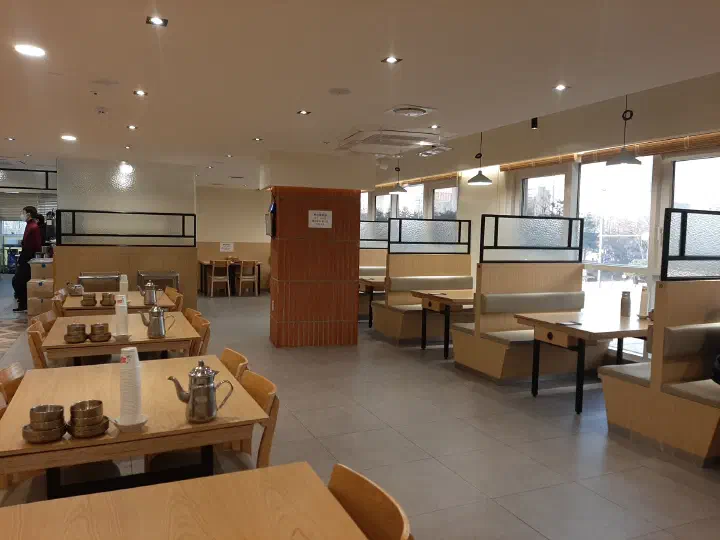
Window seats inside Toenmaru Bapsang at Park Habio

It moved, and the mood changed

The original Toenmaru Bapsang was a small place in a residential alley of Munjeong-dong, set in a converted two-story house behind the old Munjeong rodeo street. In spring 2023 it moved into its current spot on the second floor of Park Habio, and the space became much bigger and brighter.

The old room had a cozy, slightly old-fashioned charm. The current dining room is wide and clean, which some regulars find a little less characterful. The trade-off is roomy seating and several private rooms, which makes it genuinely easier for larger family meals.

Essentially one menu

The menu is simple. The signature set table is 25,000 won per person on weekdays and 28,000 won on weekends and holidays. It’s a minimum of two people, so solo dining isn’t really an option here.

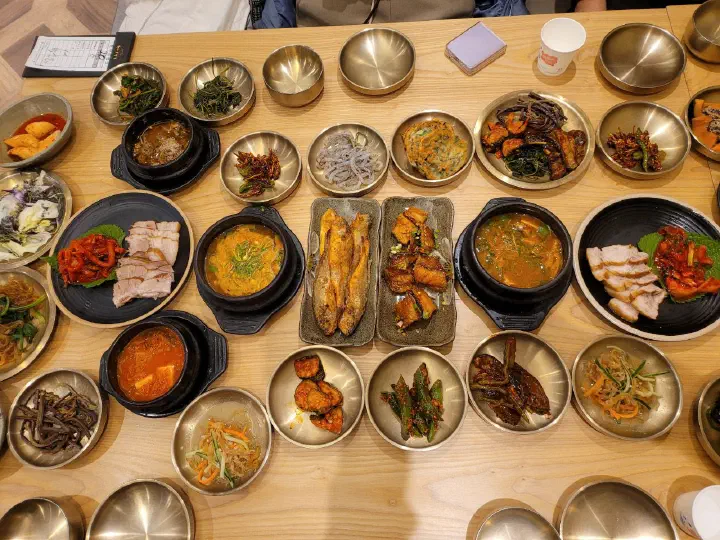
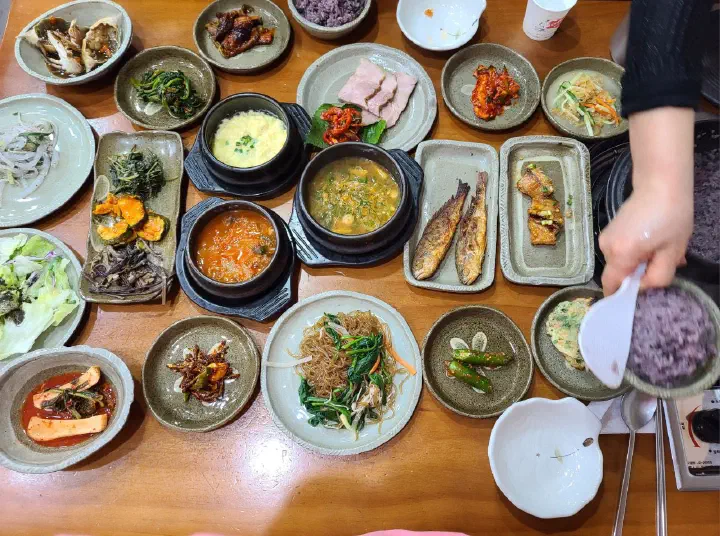
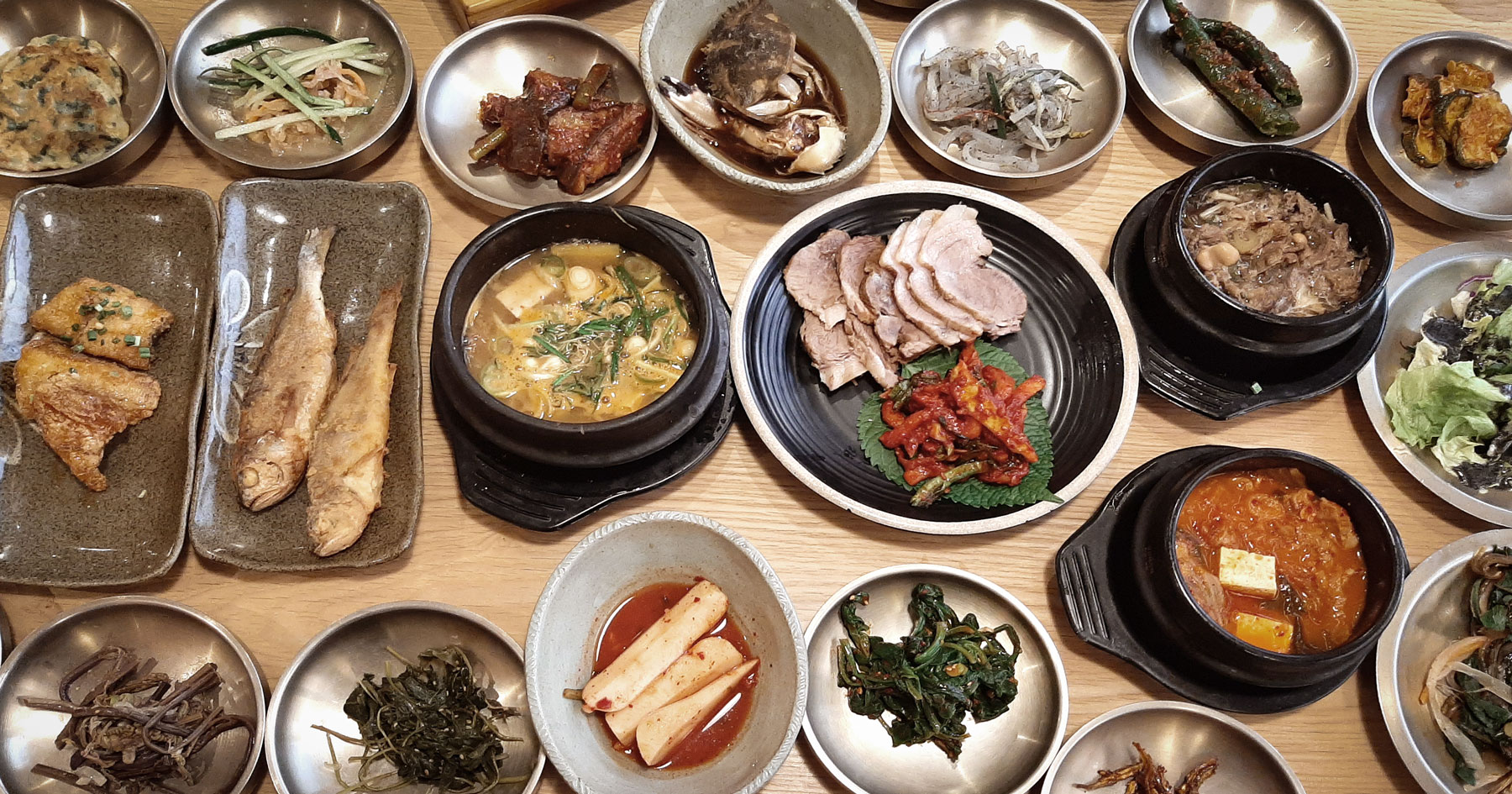
A table covered with about twenty side dishes at Toenmaru Bapsang

There are a few add-ons you can order separately, like braised short ribs, spicy grilled pork, and pollack dishes. Handy if you have a big group or want something extra to drink over.

The 20-some banchan spread that fills the whole table

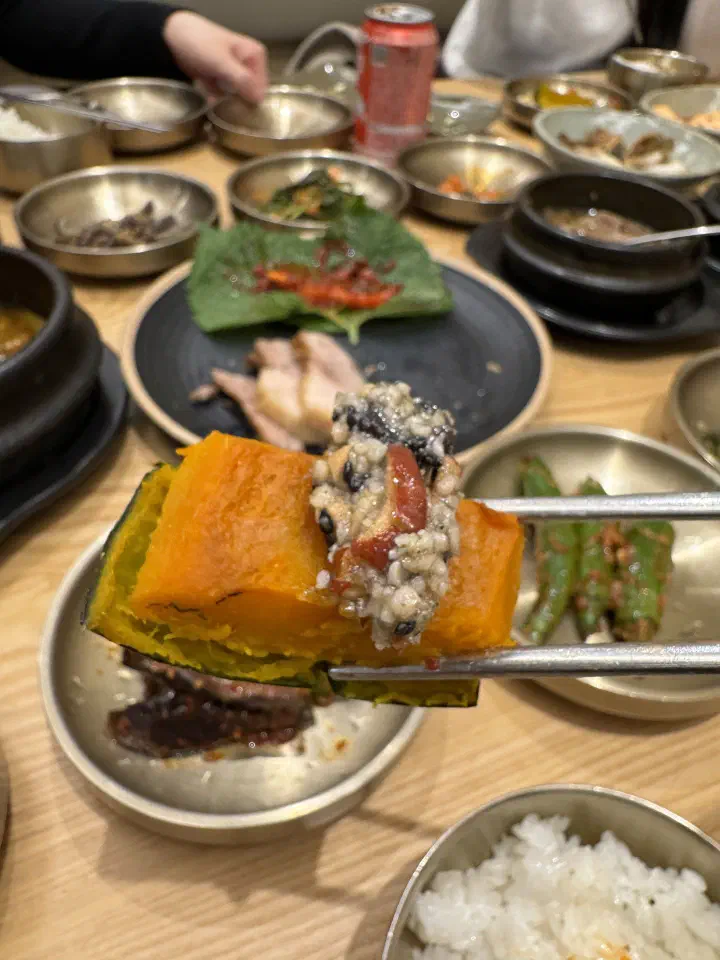
When the order lands, around twenty dishes arrive at once, enough that you end up stacking plates. These aren’t filler dishes either. Each namul (seasoned vegetable) is actually seasoned, which is what people tend to remember about this place.

Going dish by dish

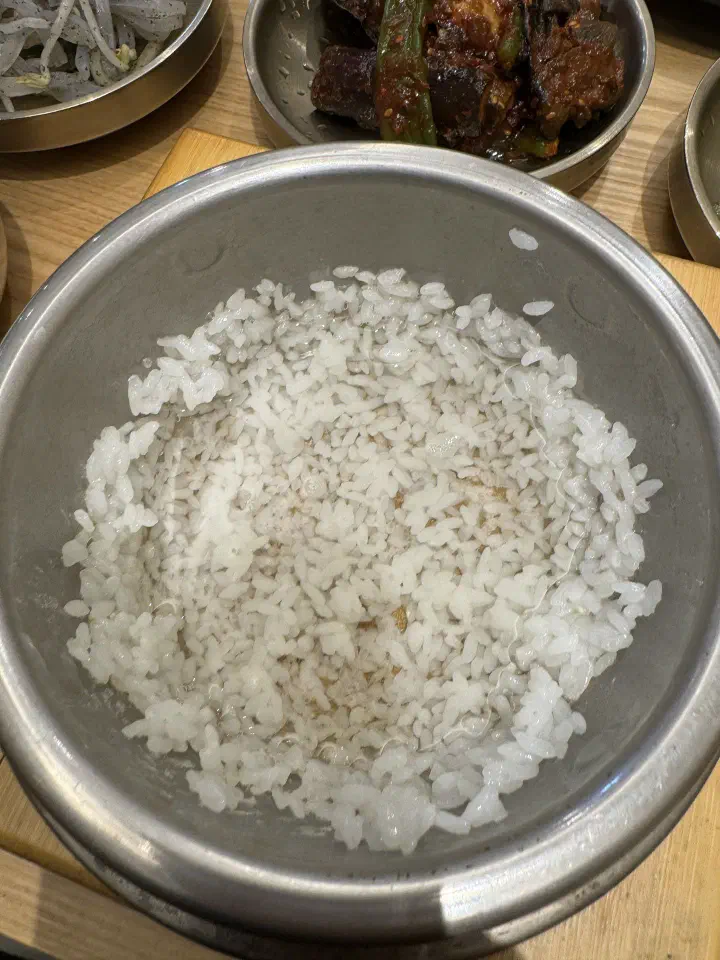
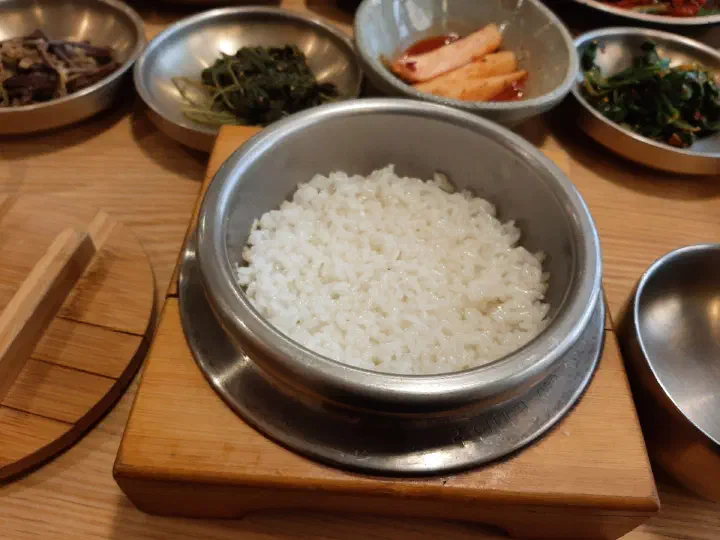
Start with the rice. It comes as sotbap, freshly cooked in an iron pot, one per group. You scoop out the rice, pour hot water back into the pot, and finish with nurungji and sungnyung (scorched rice and its warm, nutty tea). That last step is basically the local ritual.

Fresh pot rice served in an iron pot

The rice has had a good reputation here for years. When the restaurant appeared on the TV show Wednesday Foodie Tales (Soomusik, tvN), the rice and the side dishes were the main talking points.

Pot rice finished off as nurungji and sungnyung

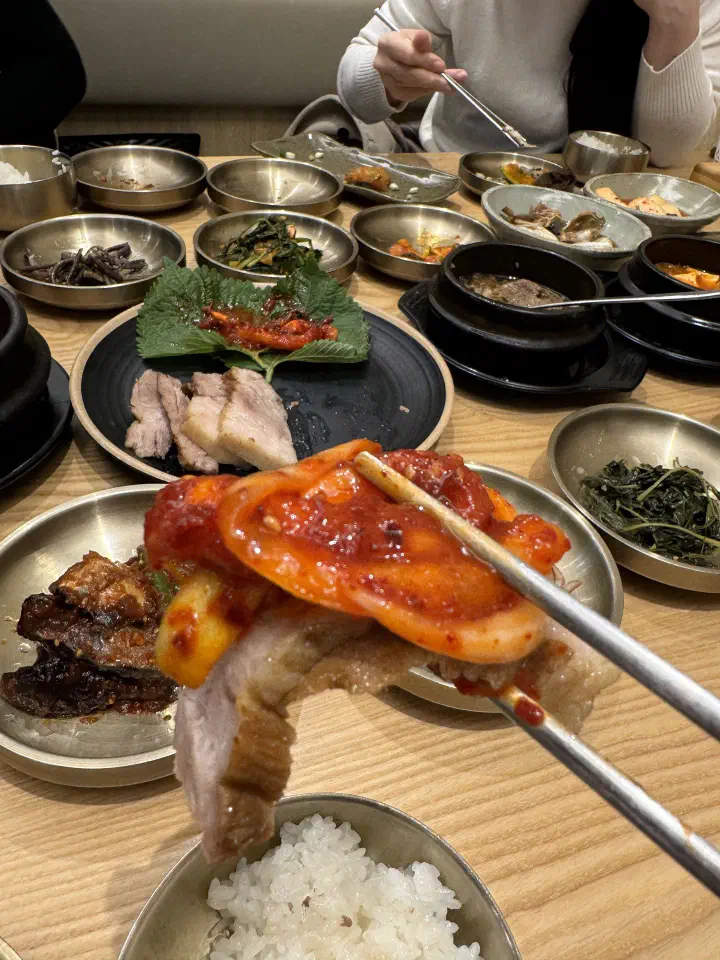
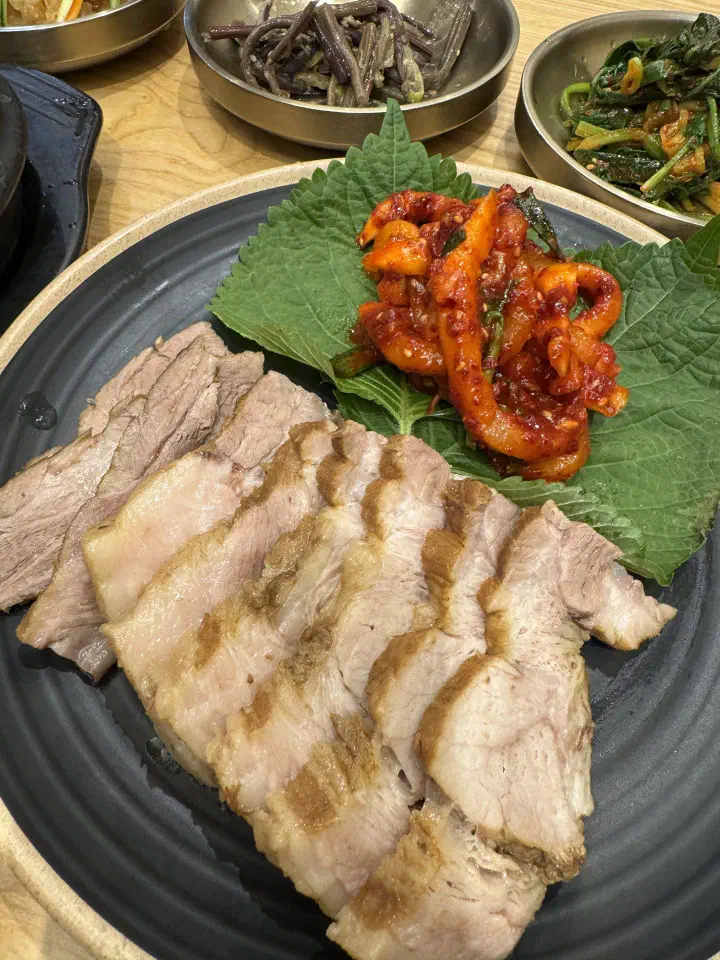
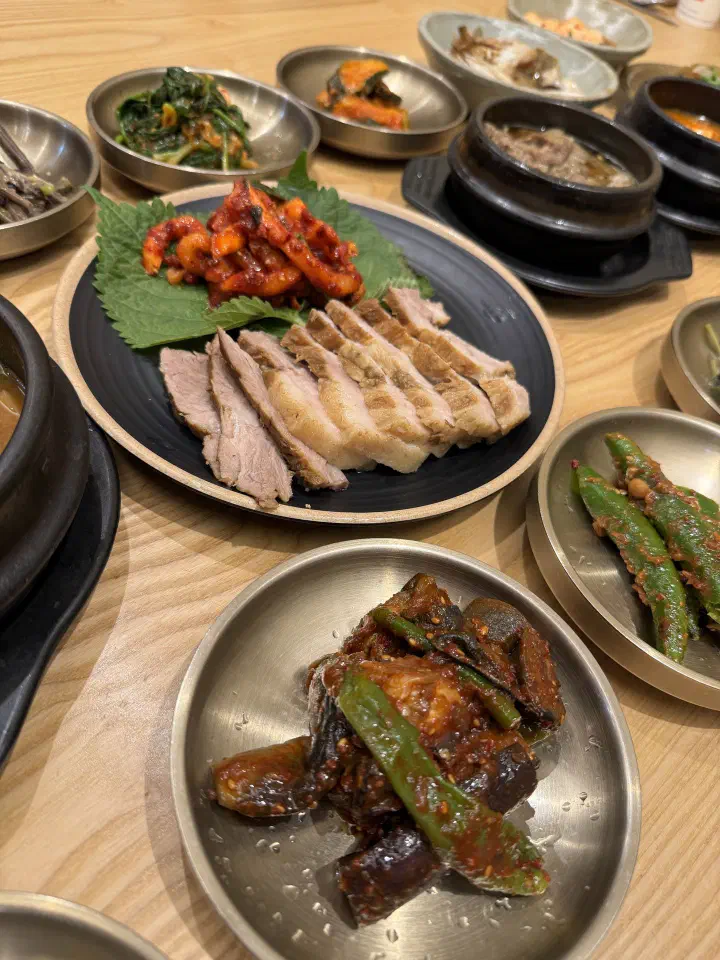
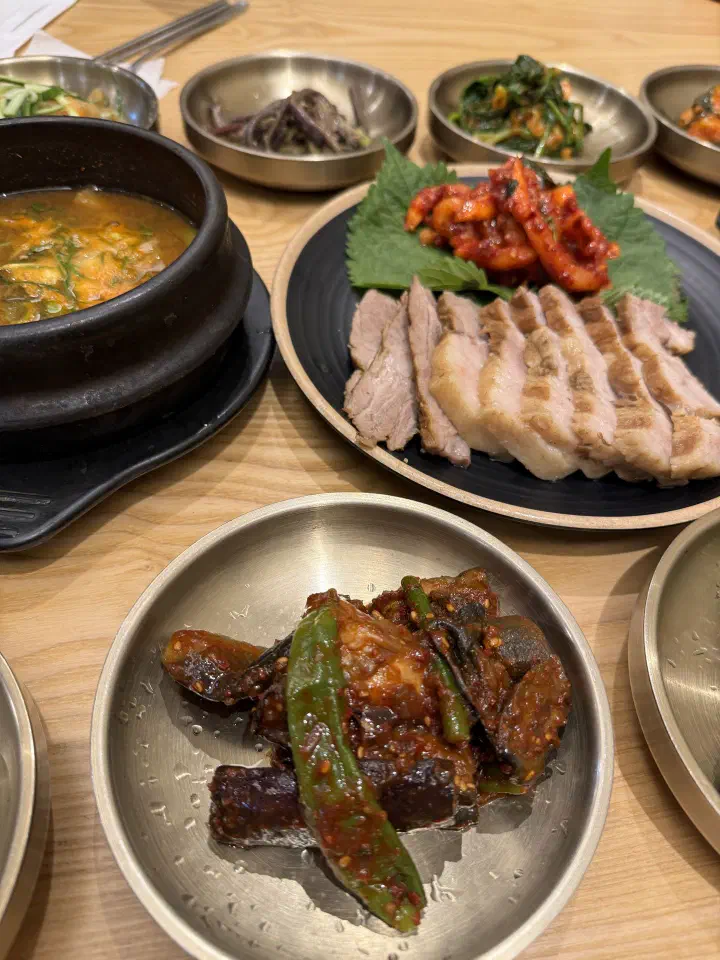
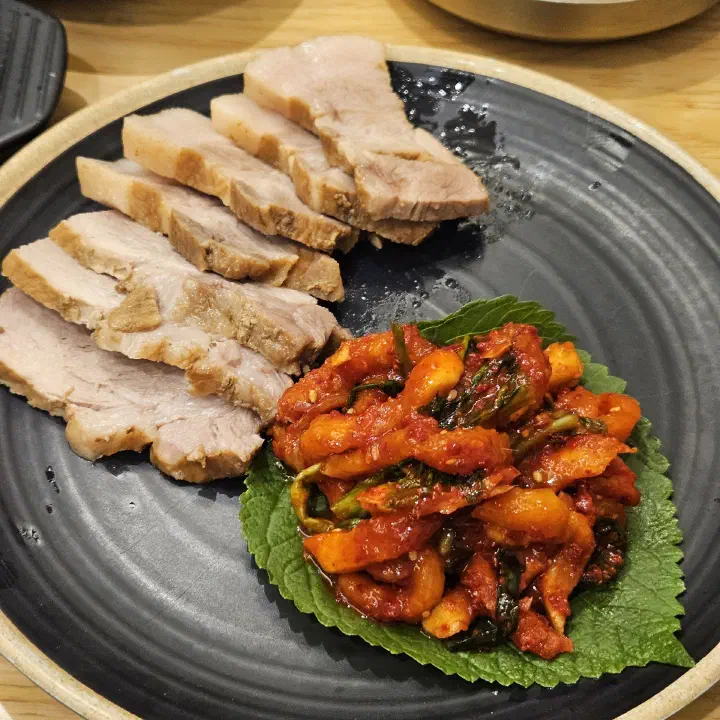
The mains are bossam-suyuk (boiled pork), ganjang-gejang (soy-marinated crab), and grilled fish. The pork is boiled soft with no off smell and pairs well with the chunky pickled-radish salad it comes with.

Soft boiled bossam-suyuk

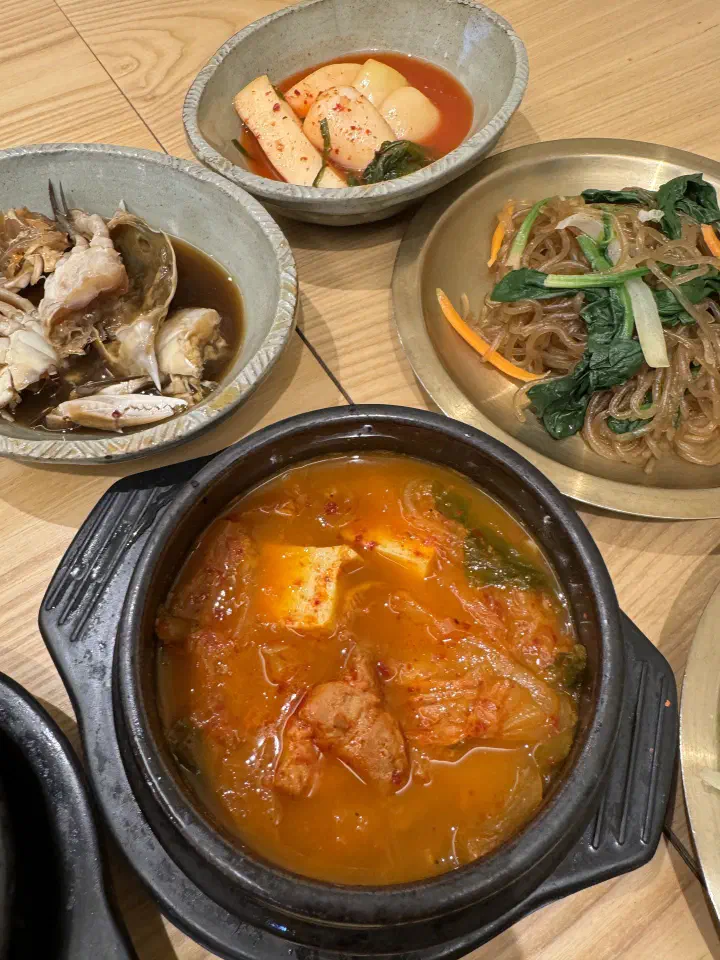
The soy-marinated crab isn’t too salty and leans savory, so it’s great smeared over a spoonful of pot rice. There’s a reason ganjang-gejang gets called a “rice thief” in Korean.

A spread with soy crab and boiled pork

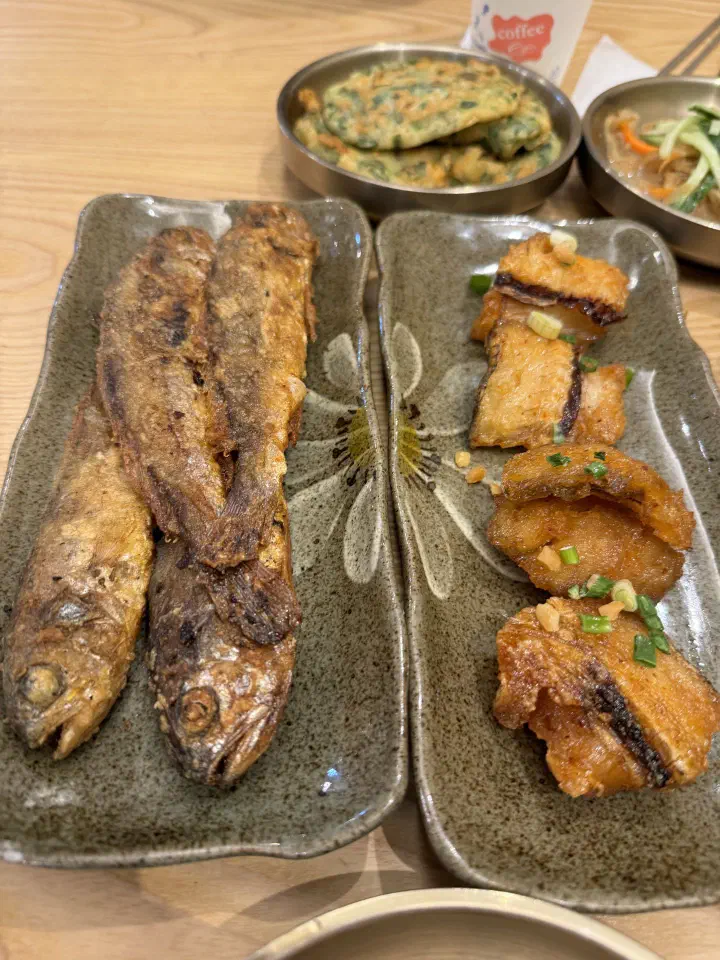
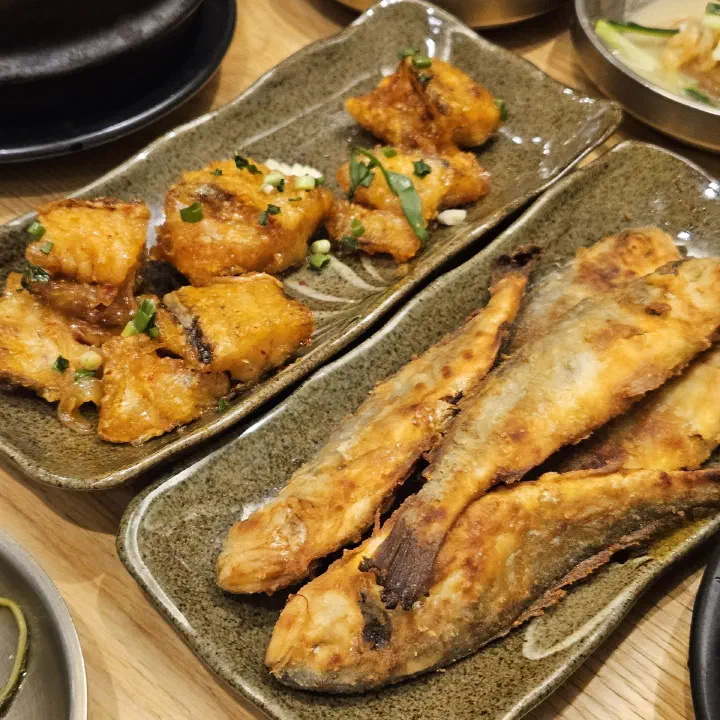
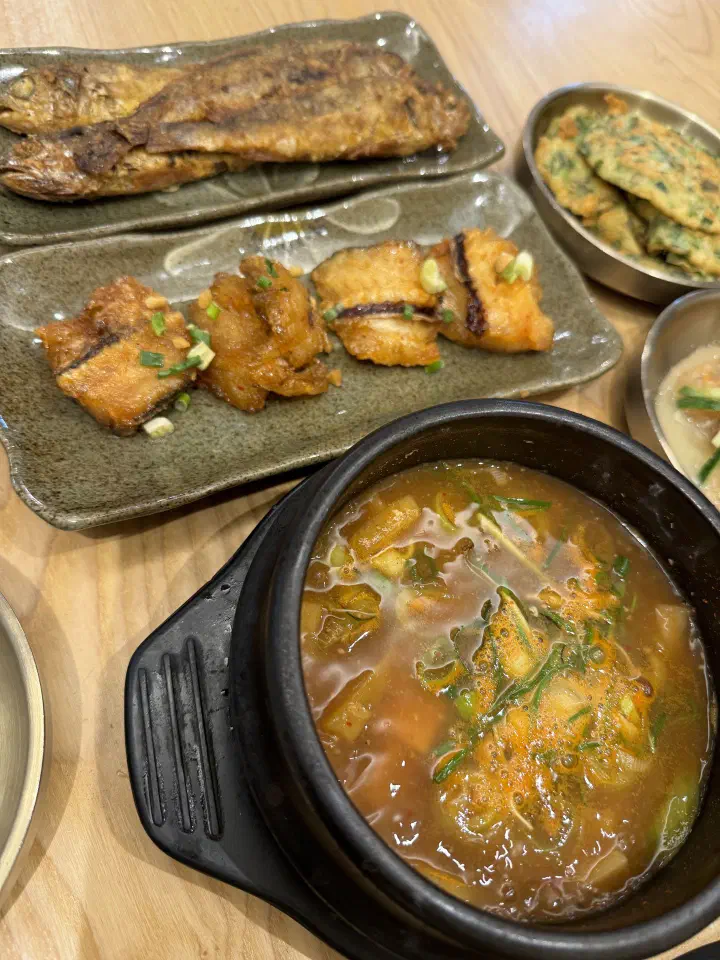
The fish is usually croaker or dried pollack, one per person. That said, some people note the croaker can be on the small side, and it seems to vary by day.

Grilled fish served per person

Crispy grilled dried pollack (황태구이)

You get two stews together, doenjang-jjigae (soybean paste) and a kimchi or soft-tofu stew, so you don’t have to choose.

Doenjang stew served alongside a second stew

The doenjang stew is a rustic, country style. Opinions split on whether it’s salty or mild, so it’s worth tasting for yourself. One honest heads-up for international visitors: a couple of dishes here, like the stews and some banchan, can read as fairly salty or mildly spicy. It’s not extreme, but Korean “mild” is often spicier than people expect.

Doenjang stew simmered in an earthen pot

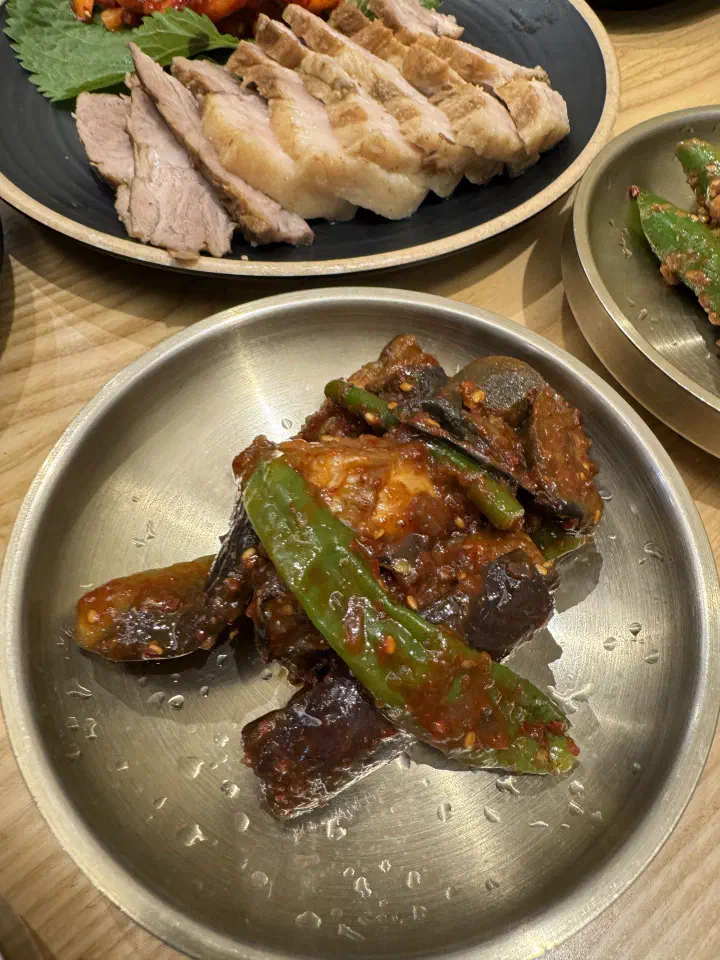
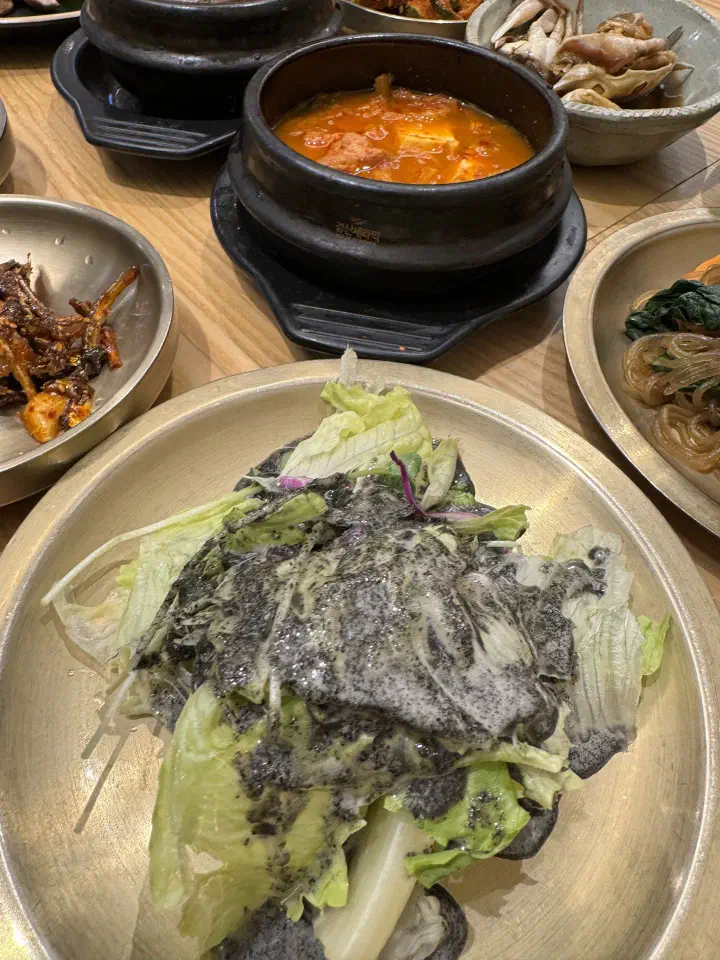
The rest of the table fills out with japchae (glass noodles), pan-fried eggplant, steamed egg, tangpyeongchae (mung-bean jelly salad), assorted namul, and kimchi.

Tangpyeongchae, a tart mung-bean jelly salad

Neatly plated namul side dishes

The namul dishes can be refilled, so plenty of people go through two bowls of rice.

Stews and side dishes laid out together

The add-on spicy grilled pork has a sweet-spicy glaze that works either as a side or as something to drink over.

Sweet and spicy grilled pork collar

Room, service, ordering

The hall is wide and there are several private rooms, which suits family gatherings, engagement meals, and milestone birthdays. If you ask about hanging a banner for a celebration, the staff are usually happy to allow it.

The flip side is noise. With so many group bookings, the main hall gets loud, so ask for a room if you want a quieter meal.

You won’t need much English to order here. There’s basically one set to choose, and you can point at the menu and hold up the number of people. The staff are generally kind, though during peak hours refill requests can take a while, so it helps to ask for what you need in one go.

Two more things that often surprise first-time visitors to Korea: nearly every restaurant here, this one included, takes internationally issued credit cards without any fuss, and there is no tipping culture. Leaving a tip can actually confuse the staff, so you don’t need to.

A full table set for several

Parking, waiting, tips

Parking is in the Park Habio garage. The complex is large, so enter through GATE 6 and use the elevator near pillar D15 for the shortest walk to the restaurant. Parking support runs up to three hours, so a long lunch is no problem.

Waits build up during the weekday lunch peak (12-13:00) and on weekends and holidays. Even with a reservation you might wait 5-10 minutes, sometimes longer. For an important gathering, call ahead and book. If you like a particular side dish, you can buy it to take home from the small refrigerated case near the counter.

A closer look at the side dishes

Bottom line

Worth knowing in advance: weekday and weekend prices differ, it’s two people minimum, and a quiet meal is hard to come by here. Still, getting a 20-some-dish Korean spread in central Seoul for the mid-20,000s won range remains a genuine value. On a day when you just want a solid, comforting Korean meal, it’s an easy, low-risk choice for bringing parents along.

📍 View Toenmaru Bapsang (툇마루밥상) on Google Maps →