Haebaragi is my go-to in Ulsan whenever I’m craving a Japanese course.
Last time I had the 90,000-won omakase, but honestly, that’s 180,000 won for two people, which is a lot to do often.
So this round I tried the step below it — the 60,000-won Haebaragi course.

Short version: if the omakase feels like too much but you still want a real Japanese course, the 60,000-won option is the sweet spot.
Here’s how it differs from the 90,000-won, and whether 60,000 is enough on its own.

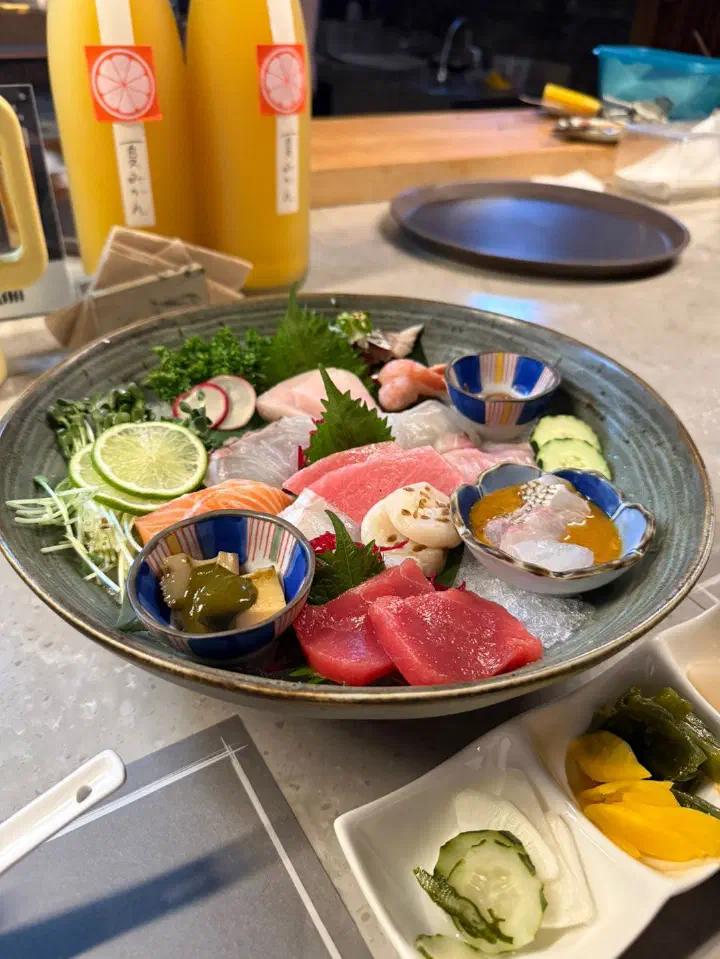
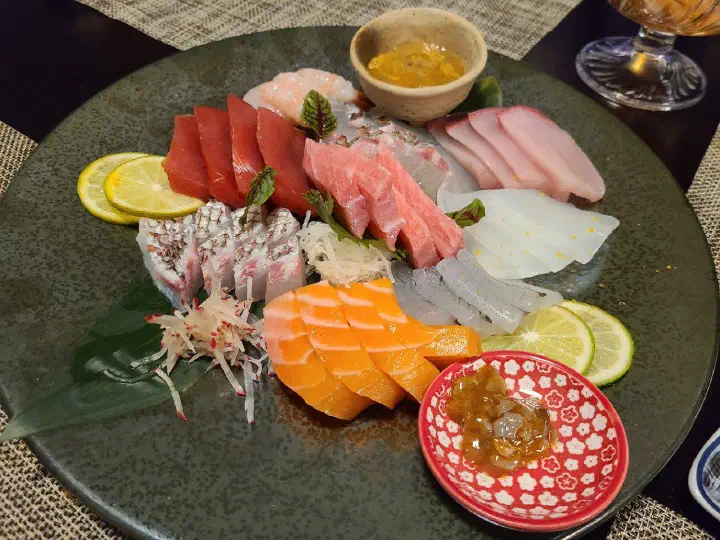
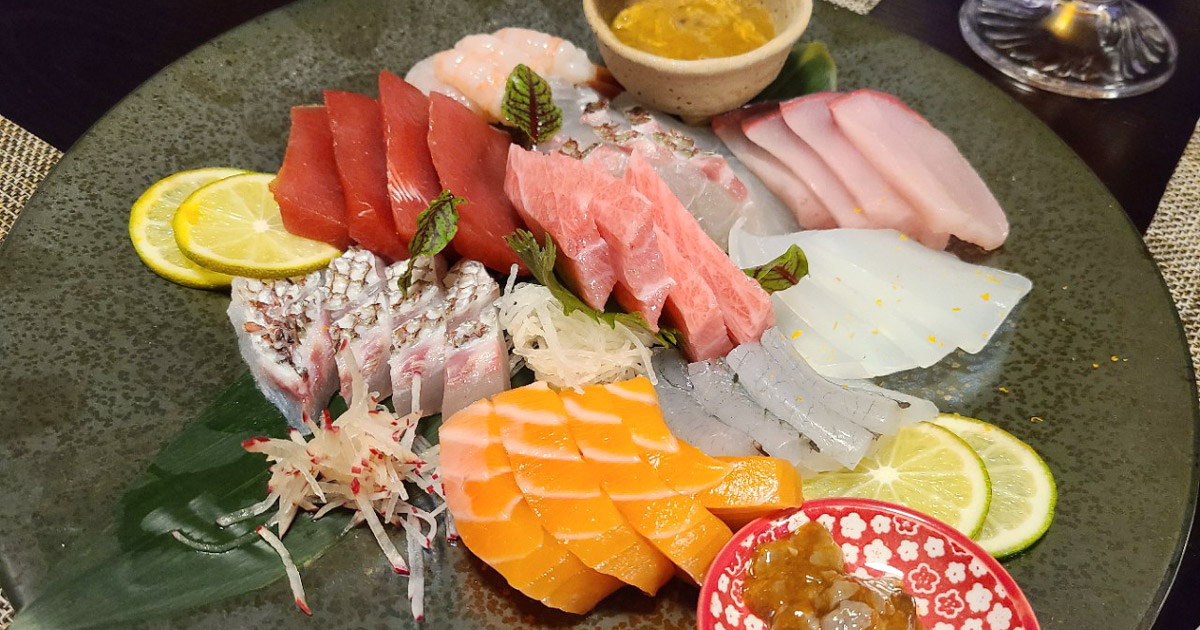
Assorted sashimi from the 60,000-won course at Haebaragi in Ulsan

The basics

  • Name: Haebaragi (해바라기), Japanese omakase
  • Address: 10 Dalsam-ro 72beon-gil, Nam-gu, Ulsan (달삼로72번길 10)
  • Hours: Mon–Sat 17:30–24:00 (last order around 23:00) / closed Sundays
  • Instagram: @ulsan_haebaragi
  • Parking: 3–4 cars in front, tight; a nearby public lot is the easier bet
  • Good to know: restrooms inside, corkage available

📍 View Haebaragi (해바라기) on Google Maps →

A few quick notes for visitors from abroad: almost every restaurant in Korea, this one included, takes internationally issued credit cards, so you don’t need much cash.
There’s no tipping culture here either — staff may be a little flustered if you try, so just settle the bill and leave.
The staff didn’t speak much English when I went, but ordering was easy enough; you can point at the menu and hold up fingers.
And for directions, Google Maps is unreliable for walking and transit in Korea, so use Naver Map or KakaoMap instead.

Booking and choosing your course

Haebaragi runs on reservations, so it’s best to book ahead.
The easiest way is the CatchTable app (캐치테이블).
You set the date and party size and pick your course; you’ll prepay about 10,000 won per person, refunded in full once you show up and dine.
You can call instead, but seats fill fast on weekends and at the evening peak, so booking about a week out is safer.

There are two courses.

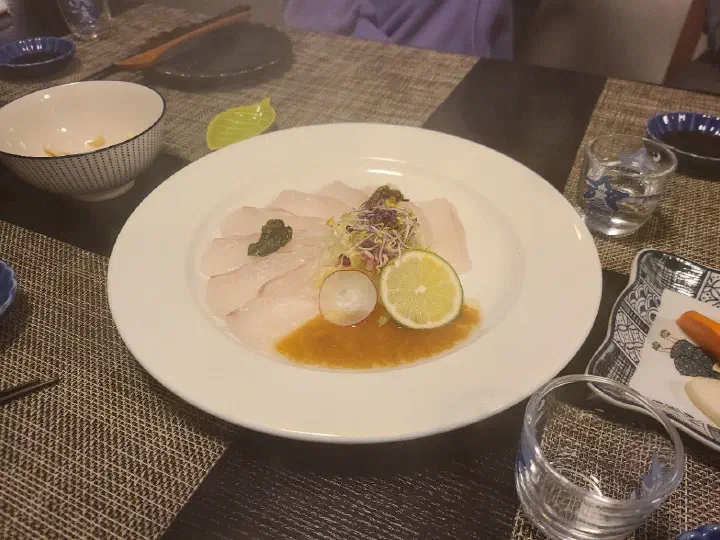
  • Haebaragi course, 60,000 won per person — chawanmushi, truffle ceviche, assorted sashimi, sukiyaki, fried shrimp, futomaki, and an ice cream dessert
  • Omakase, 90,000 won per person — the same backbone plus more sashimi variety and extra courses like sushi, clay-pot rice, and braised fish

This time I booked the Haebaragi course rather than asking for the omakase.
If you want to bring your own sake or wine, corkage (around 10,000 won) is allowed.

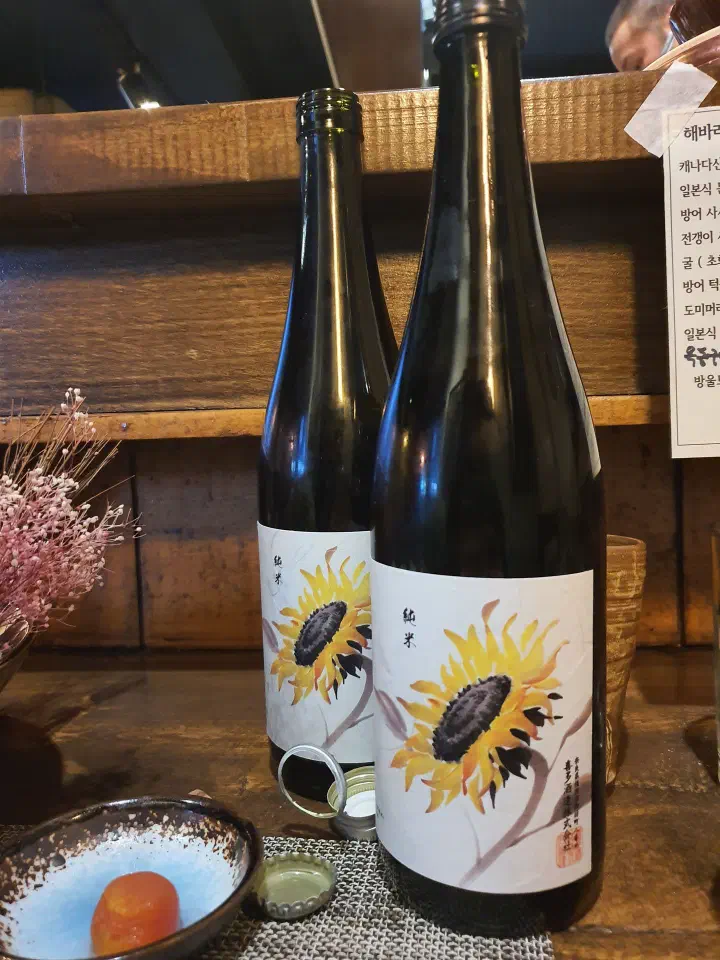
Sake and Japanese drinks at Haebaragi

What’s the same, what’s different

Let me get to the question you probably care about most.
Honestly, Haebaragi’s 90,000-won option is called an “omakase,” but it’s less a chef’s-choice meal that changes every visit and more a fixed upper course.
So it shares a lot of its backbone with the 60,000-won course.
Here’s the two laid out side by side.

Dish60,000-won course90,000-won omakase
ChawanmushiYesYes
Truffle cevicheYesYes
Assorted sashimiYes (solid spread)Yes (more variety)
SukiyakiYesYes
Fried shrimpYesYes
FutomakiYesYes
Ice cream dessertYesYes
SushiNoYes
Abalone-innards pastaNoYes
Clay-pot riceNoYes
Braised fishNoYes

As the table shows, the core mains — chawanmushi, truffle ceviche, assorted sashimi, sukiyaki, fried shrimp, futomaki, dessert — come out the same in both.
The 90,000-won just piles on a few back-half courses (sushi, abalone-innards pasta, clay-pot rice, braised fish) and a wider sashimi selection.
So it’s less “a different experience” than the same skeleton with more items stacked on top.

Here’s how I’d frame it.
Go 90,000 if you want the long, many-course version; go 60,000 if you just want the core mains, clean and simple.
Two of you on the 60,000-won course is 120,000 won total, and the sashimi, sukiyaki and truffle come out exactly as they do at 90,000 — so on value, the 60,000 was clearly the winner for me.

What the 60,000-won course actually looks like

Just a quick look at how those shared mains arrive.

It opens with a silky chawanmushi, and the potato salad alongside was identical to the 90,000-won version.

Chawanmushi savory egg custard at Haebaragi

What I liked most about the 60,000-won course is that the truffle ceviche and the assorted sashimi are no different from the 90,000.
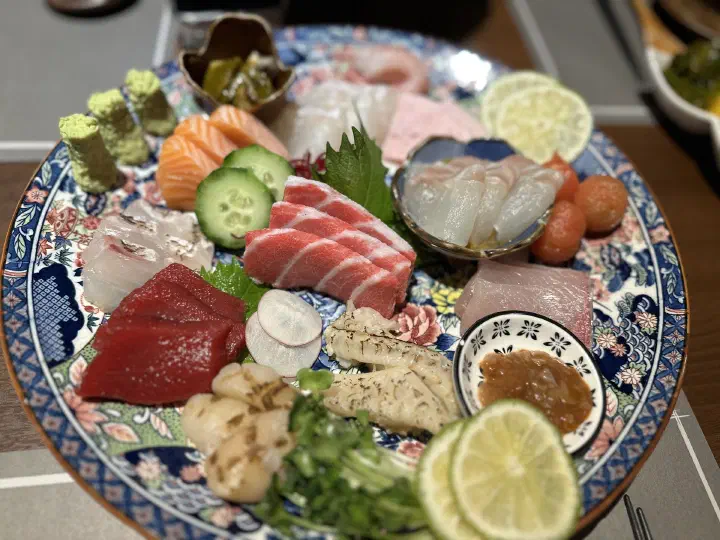
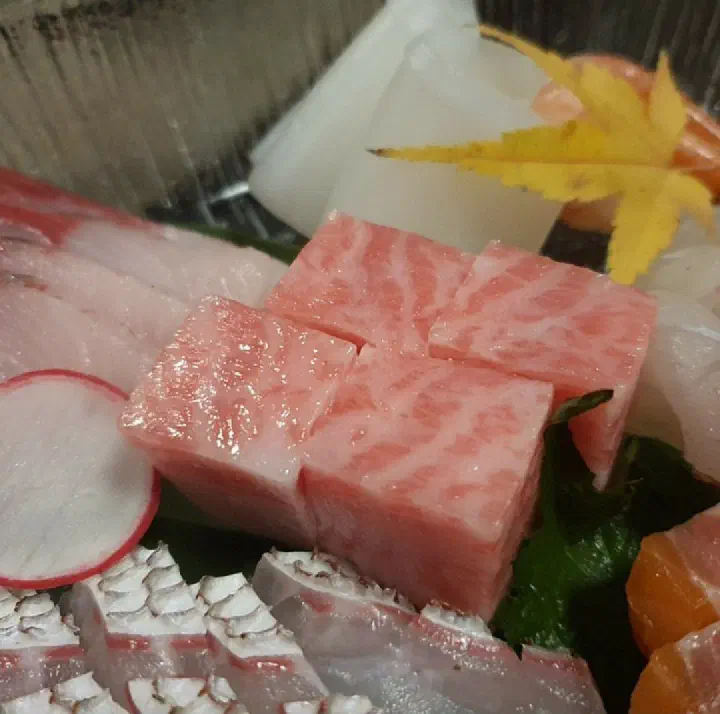
You still get the smoking truffle ceviche performance, and the sashimi — tuna, salmon, flounder, sea bream — comes thick-cut, with the same freshness as the pricier course.
There’s just a little less variety; on the sashimi itself I had almost nothing to complain about.

Assorted sashimi platter at Haebaragi
Thick-cut sashimi close-up at Haebaragi
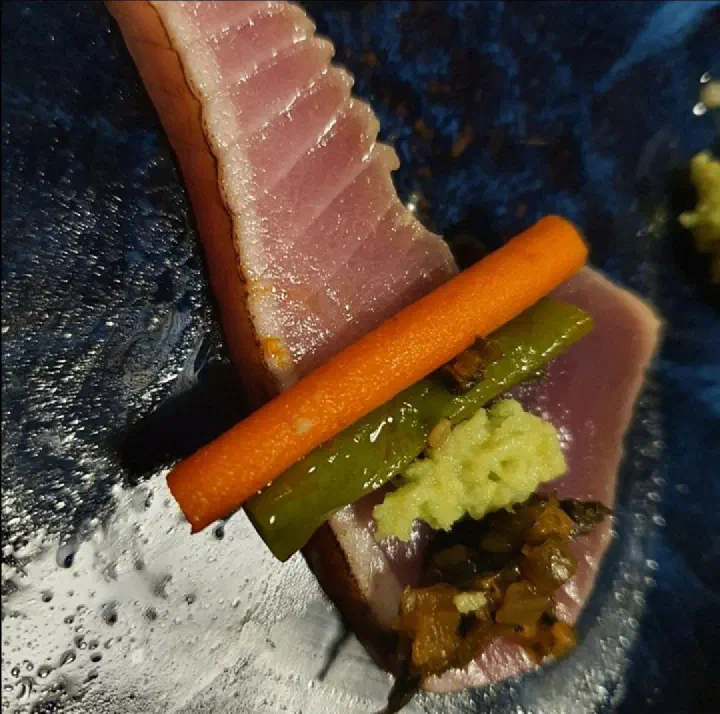
Tuna sashimi at Haebaragi

It’s also a real plus that the warm sukiyaki isn’t dropped from the 60,000-won course.
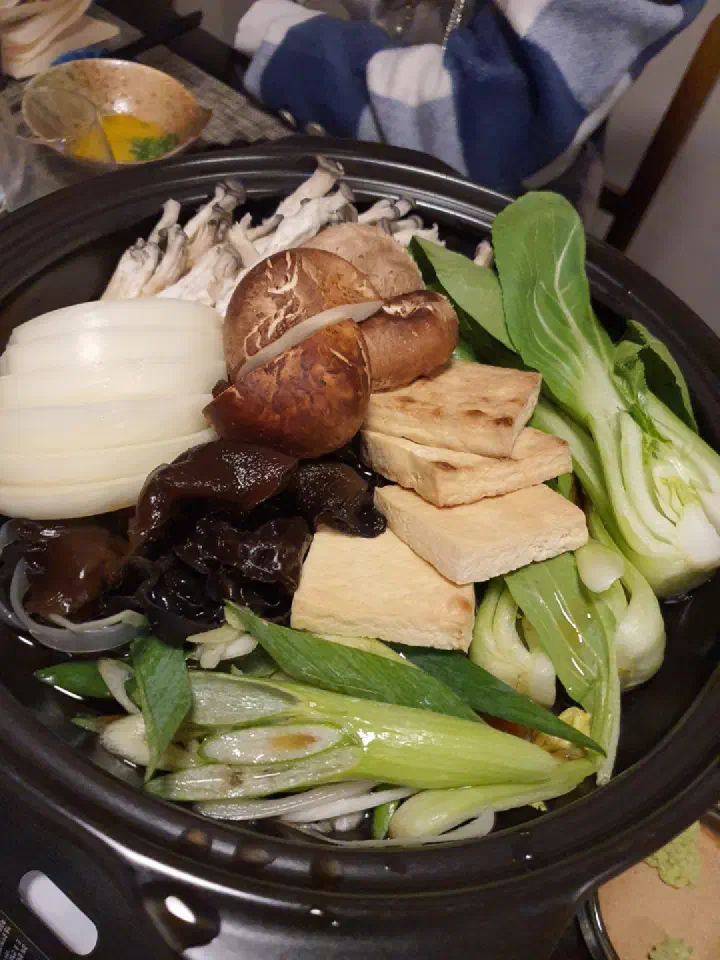
Thin-sliced beef, vegetables and tofu in a shallow savory broth — something hot after the cold sashimi lands at just the right moment.

Vegetables and ingredients for sukiyaki at Haebaragi
Beef for sukiyaki at Haebaragi
Sukiyaki hot pot at Haebaragi

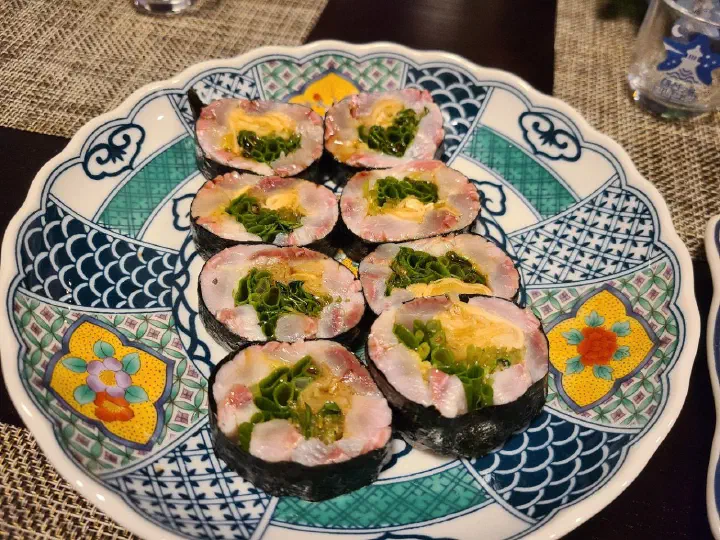
Add the crisp fried shrimp (새우튀김), a well-stuffed futomaki (후토마키), and a final ice cream dessert, and the 60,000-won course doesn’t leave you short on food either.

Futomaki roll at Haebaragi

The room and the vibe

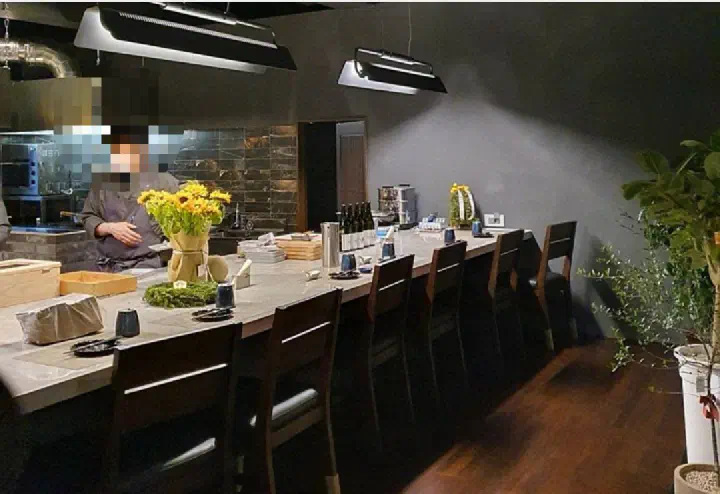
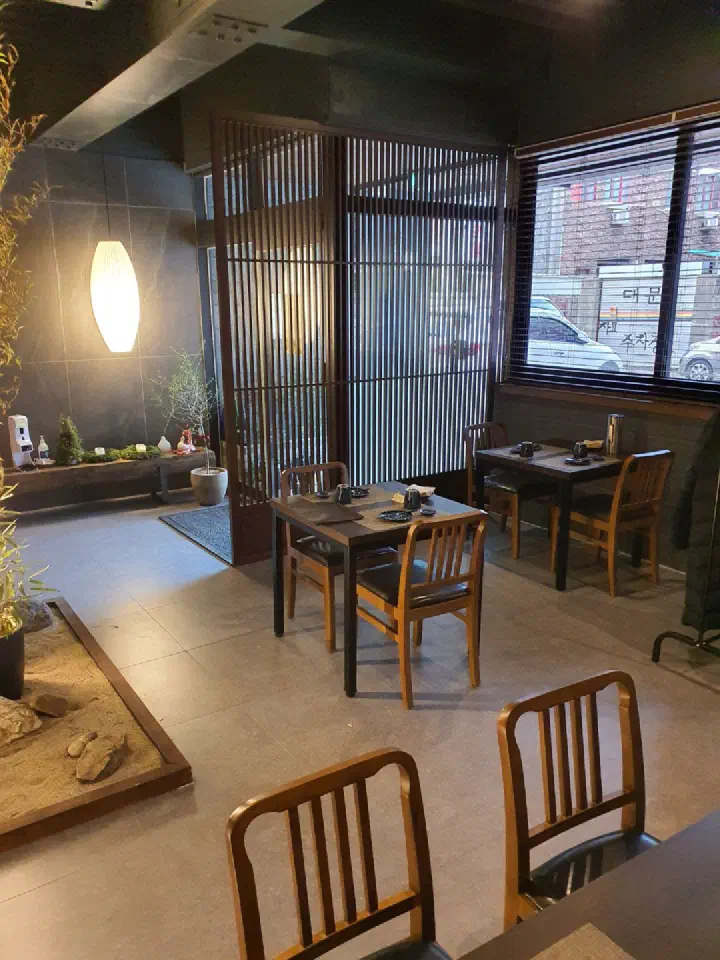
Haebaragi leans warm wood with slightly dim lighting, so it reads upscale.
You can sit at the L-shaped counter facing the open kitchen, or take a four-top table.

Bar counter and open kitchen at Haebaragi
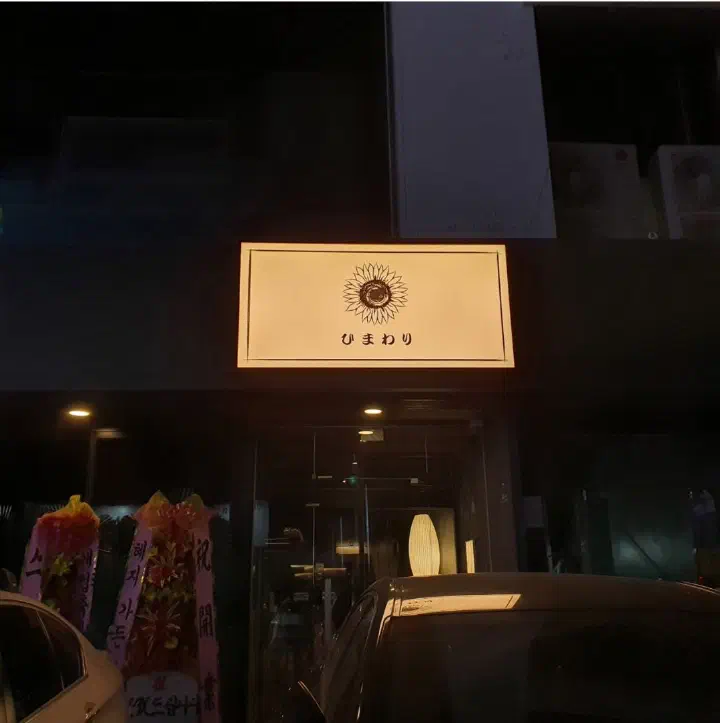
Entrance and mood lighting at Haebaragi

For a quieter meal, or if you’re with kids or parents, I’d go for a partitioned private room.
The rooms usually need a party of three or more and book up, so confirm on CatchTable or by phone in advance.
On nights heavy with company dinners the main floor can get loud, and a private room solves that.

Private partitioned room table at Haebaragi

So, is 60,000 enough?

The biggest win of the 60,000-won course is “less cost, almost the same mains.”
The core — sashimi, sukiyaki, truffle ceviche — comes out just like the 90,000-won version, with the same thickness and freshness, so I was perfectly satisfied at the lower price.

The downside, to be fair.
The back half of the omakase — the sushi, abalone-innards pasta, clay-pot rice, braised fish — isn’t here, so you lose the long, many-course rhythm.
On a really hungry night, or when you want the meal to stretch out, it might feel a touch short.
And the main floor runs lively, so if you’re after a truly quiet dinner it can be a little noisy.

Still, I’d order the 60,000-won course again.
For two people at 120,000 won total you still get the sashimi, the sukiyaki, the truffle — so if the omakase feels like too much but you want a proper Japanese course, this is the answer.
Save the 90,000 for a special, drawn-out occasion; the 60,000 is great for a regular date or a low-key celebration.

Getting there

It’s tucked in a quiet alley behind the Samsan food street, and the sign stands out from a distance, so it’s easy enough to find.
It’s close to the Ulsan intercity bus terminal, which is a handy landmark to navigate by.
If you’re driving, the 3–4 spaces out front fill fast and the lot is tight, so parking at a nearby public lot and walking over is the smoother plan.
Without a car, a taxi via the KakaoT app from the terminal is quick and inexpensive.

📍 View Haebaragi (해바라기) on Google Maps →