A bowl that keeps pulling me back

There is a tiny noodle house tucked beside a quiet reservoir in Ulsan, and once you have tasted its spicy sujebi, you carry the memory of it around with you.
The place is called Jeosuji Hyugesil — literally “the reservoir resting house” — and it has been a local legend in the Ulju area for years.

What makes it unforgettable is the broth: deeply red, perfumed with sancho pepper (Korean prickly ash, a citrus-meets-spice flavour) and bangah leaves (Korean mint).
Sujebi is the traditional hand-torn wheat-dough noodle floating inside, soft and pliable.
The first spoonful feels a little strange.
The last spoonful feels like something you want to taste again next week.

Restaurant Information

  • Name: Jeosuji Hyugesil (저수지휴게실)
  • Address: 53 Sangbo-duhyeon-gil, Cheongnyang-eup, Ulju-gun, Ulsan
  • Phone: +82-52-222-3664
  • Hours: Wed–Fri 10:00–16:00 (last order 15:00) · Sat–Sun 10:00–18:30 (last order 17:30)
  • Closed: Every Monday and Tuesday
  • Parking: Behind the building (6–7 cars) or the public lot across the street (free on weekends and holidays)

📍 View Jeosuji Hyugesil (저수지휴게실) on Google Maps →

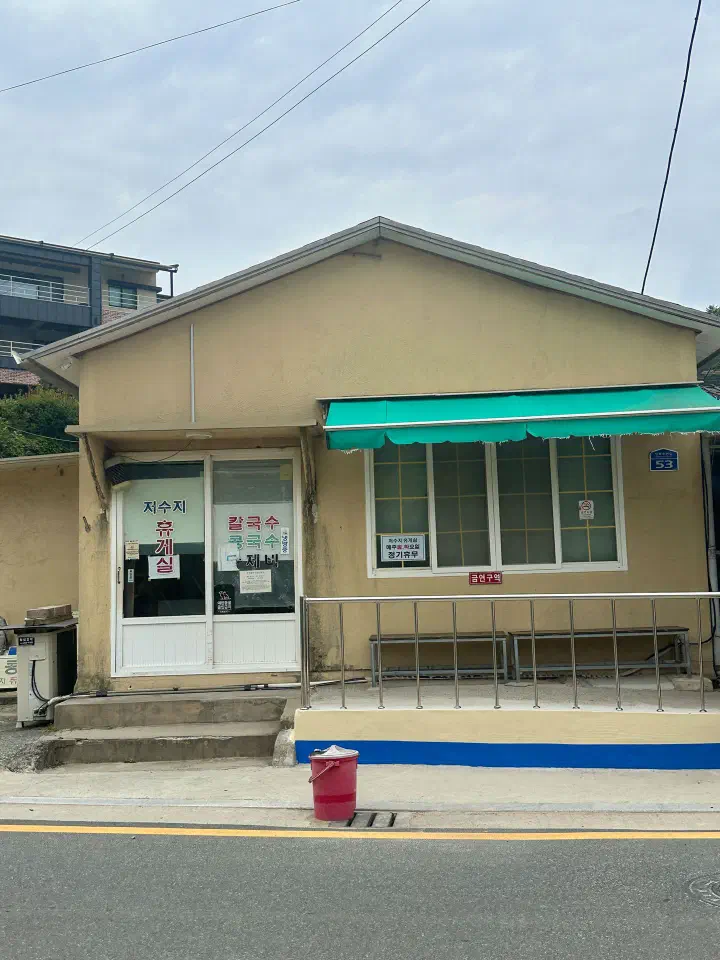
Front view of the yellow single-storey Jeosuji Hyugesil building in rural Ulsan

The building looks like an old village house with a slightly crooked sign, sitting right next to Duhyeon Reservoir.
There are rice fields and woods around it.
The whole approach feels like driving into the countryside — and that is half the charm.

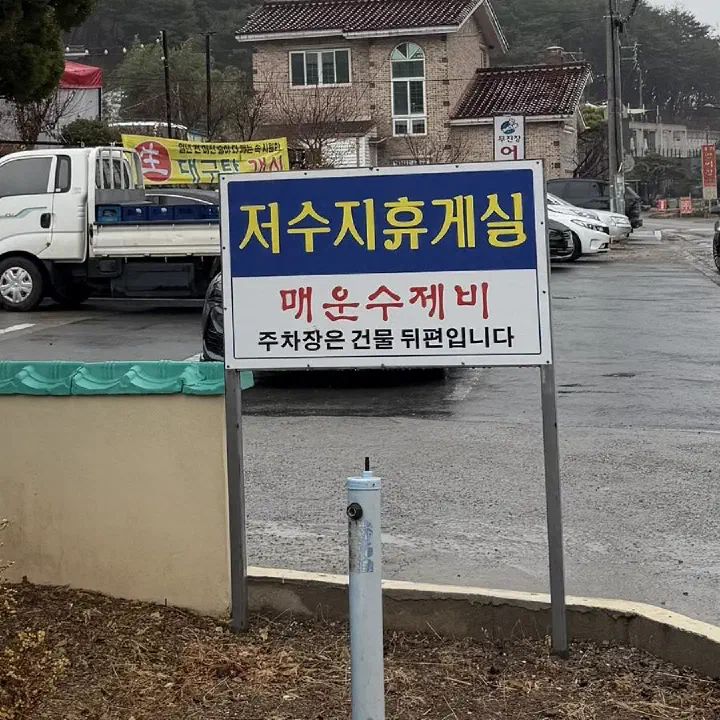
Roadside sign reading Spicy Sujebi and pointing to parking behind the building

A large blue-and-white sign on the road tells you “Spicy Sujebi here — parking behind the building,” so you will not get lost even on a first visit.

A heat warning before you order

I should be honest before going any further.
This dish is spicy by Korean standards — meaning that if you are not used to Korean heat, it will likely feel even hotter to you.
Korean spice tends to be a deep, building warmth rather than the sharp punch of, say, Thai chilli, and the sancho pepper here adds a tingling, almost numbing quality on top of the red-pepper heat.

If you are visiting Korea for the first time and you are not confident with spicy food, brace yourself a little — order the plain sujebi instead, or share one spicy bowl and one plain bowl between two people.
The plain version is wonderful on its own and lets you taste the kitchen’s noodle work without committing to the chilli.

Getting there and parking

The restaurant is about a 20–30 minute drive from central Ulsan and roughly an hour from Busan.
If you are visiting Ulsan as part of a wider Korea trip, you can easily fold this in with a stop at Yeongnam Alps or Munsu Stadium.

Duhyeon public parking lot entrance and parked cars near the restaurant

The lot behind the building only holds six or seven cars, so on weekends I recommend using the Duhyeon public parking lot across the street.
It is paid on weekdays between 14:00 and 22:00, but free on weekends, holidays, and outside those weekday hours.
Plenty of room, no stress.

The original yellow building grew too small over the years, so the owners expanded into the building next door.
One side has floor seating (you take your shoes off) and the other has regular tables and chairs.
If you have a preference, just let the staff know.

📍 View Jeosuji Hyugesil (저수지휴게실) on Google Maps →

A few things to know before you go

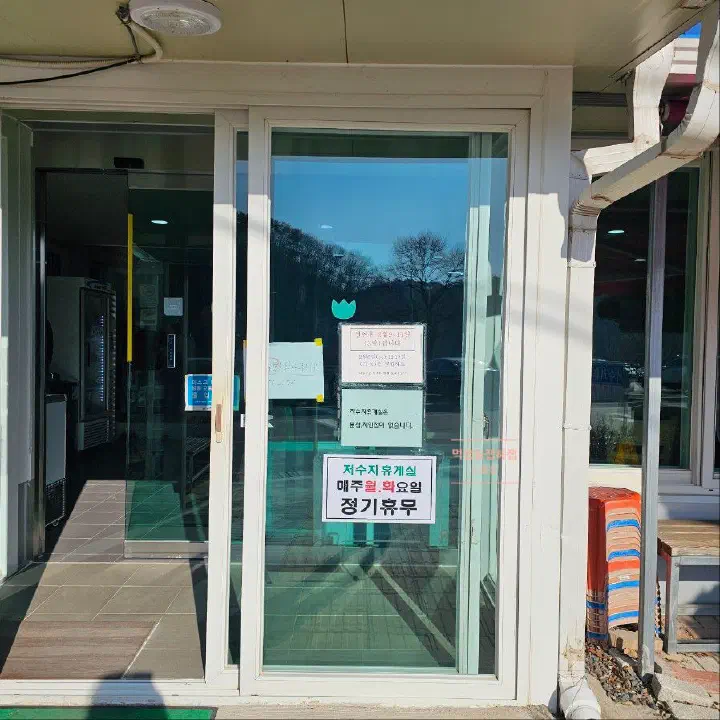
Front door of the restaurant with a closed-on-Mondays-and-Tuesdays notice

The restaurant is closed every Monday and Tuesday, no exceptions.
Since it is a bit of a drive from the city, double-check before you go.

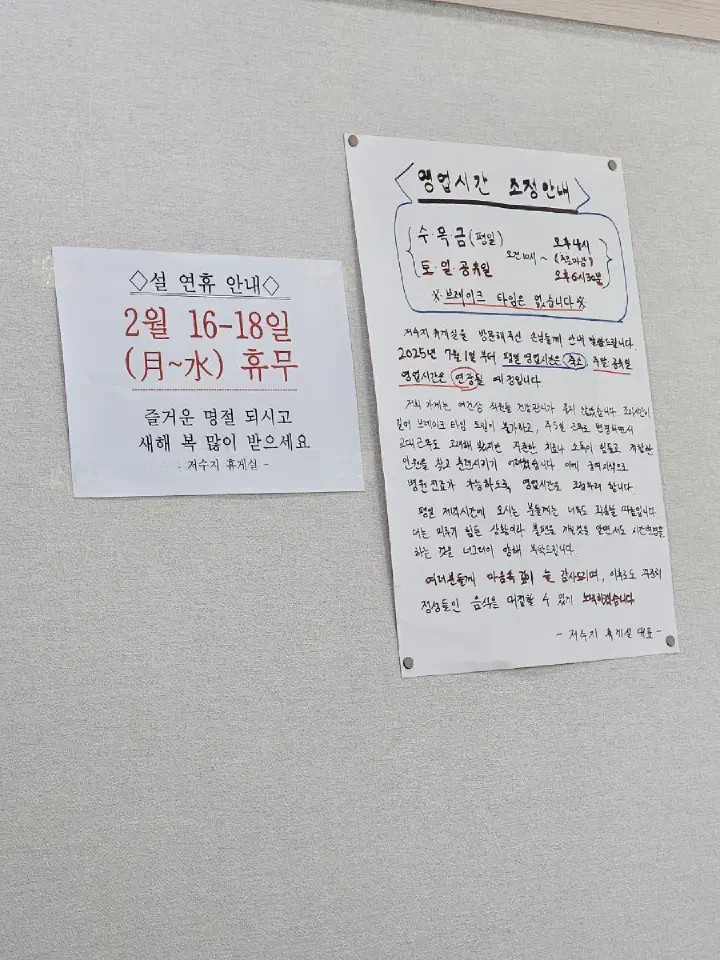
Handwritten business-hours adjustment notice posted on the wall

Weekday hours were shortened recently — they now close at 16:00 (last order 15:00) Wednesday through Friday.
A handwritten note inside explains that the owner reduced hours for health reasons starting in 2025.
Plan around it so you do not arrive at a closed door.

Cash, cards, tipping, and language

A small note for travellers visiting Korea for the first time.

  • Payment: Like nearly every restaurant in Korea, Jeosuji Hyugesil accepts credit cards. International cards on the Visa, Mastercard or Amex networks will work without trouble. Bring some cash if you want, but you really do not need to.
  • Tipping: Korea has no tipping culture. Please do not tip — staff may actually be confused or politely refuse it. The price on the menu is the full price.
  • Language: The staff do not speak English, but ordering here is easy. The menu is short and most people just order maeun sujebi (the spicy one). Pointing at the menu and holding up the number of bowls you want with your fingers works perfectly.

How to handle the wait

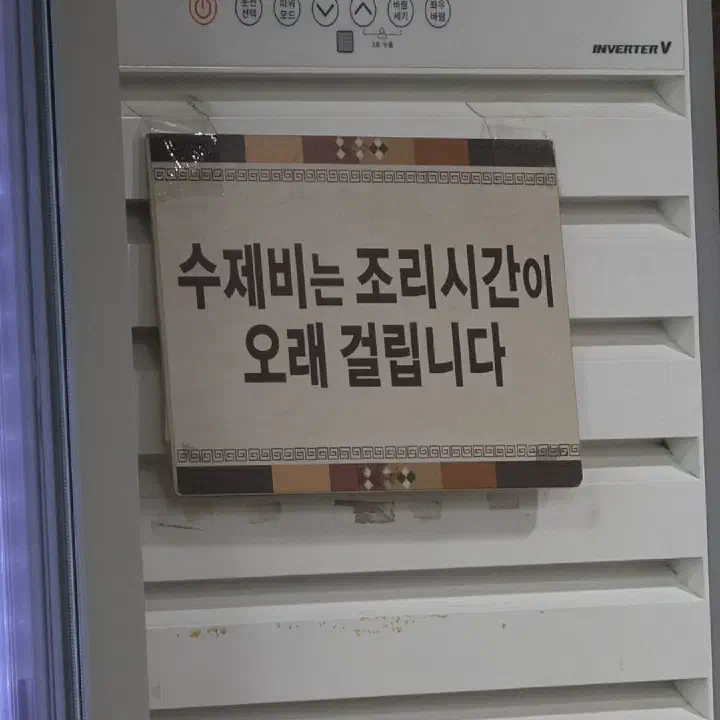
Sign on the restaurant wall saying sujebi takes a long time to cook

A sign on the wall reads “Sujebi takes a long time to cook” — and it is not joking.
On weekends the wait can easily hit an hour or more, counting both the seating queue and the cooking time, since the noodle soup is simmered in shared batches.

Two strategies I have used:

Phone-ahead trick.
Call the restaurant when you are 20 minutes away (“Twenty minutes away — can I order two spicy sujebi?”).
They will give you a number, start preparing your bowl, and skip you ahead of the in-person queue.
Even without spoken English, you can often get this done with a Korean friend, your phone’s translator, or hotel concierge help.

Open-run.
Arrive at 9:40–9:45, before the 10:00 opening.
You can usually sit inside and wait.
You will still wait around 50 minutes for the soup to be ready, but you will be in the first batch.

The menu

The menu is refreshingly short — only noodle dishes.

  • Spicy Sujebi (with sancho pepper and Korean mint): 8,000 won
  • Plain Sujebi: 7,000 won
  • Black Bean Noodles (year-round): 10,000 won
  • Plain Kalguksu (knife-cut noodles): 7,000 won
  • Larger portion add-on: +2,000 won
  • Steamed Mandu (6 pieces): 3,000 won
  • Steamed Rice: 1,000 won

The origins board beneath the menu lists the rice, radish kimchi and beans as Korean-grown, with flour from Australia — a small but reassuring detail.

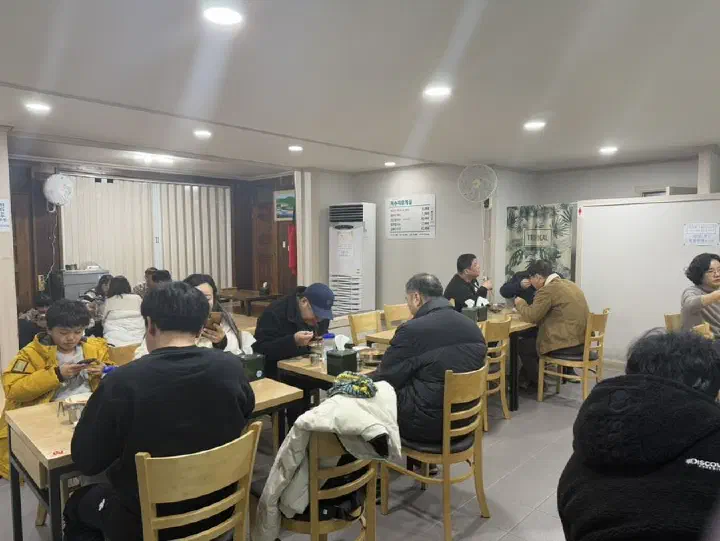
Inside the dining room with customers eating at simple wooden tables

Inside it feels like an old Korean farmhouse living room.
Wooden walls, simple tables, no music, just the clatter of spoons and people slurping noodles.

One side dish, and it is all you need

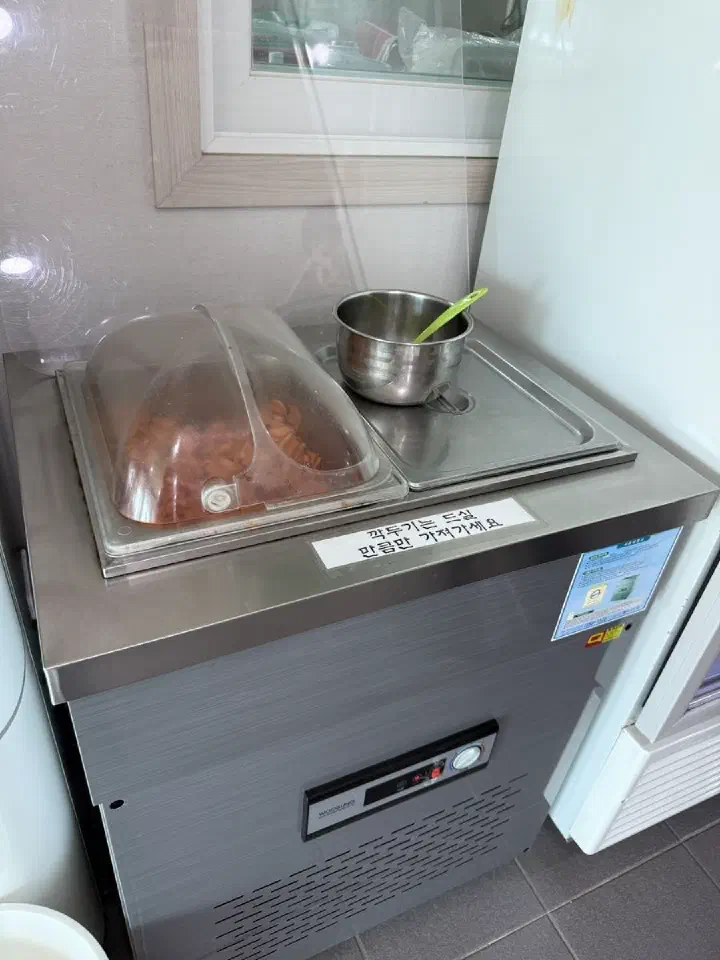
Self-serve stainless steel container of radish kimchi at the counter

The only banchan (side dish) is kkakdugi, cubed radish kimchi.
That is it.
It is set on a self-serve counter near the entrance — help yourself to as much as you like, and grab your own water from the dispenser too.
The radish has just the right amount of fermentation — crunchy, sharp, cold.
It is the perfect counterpoint to the warm spicy broth.

The star: spicy sujebi

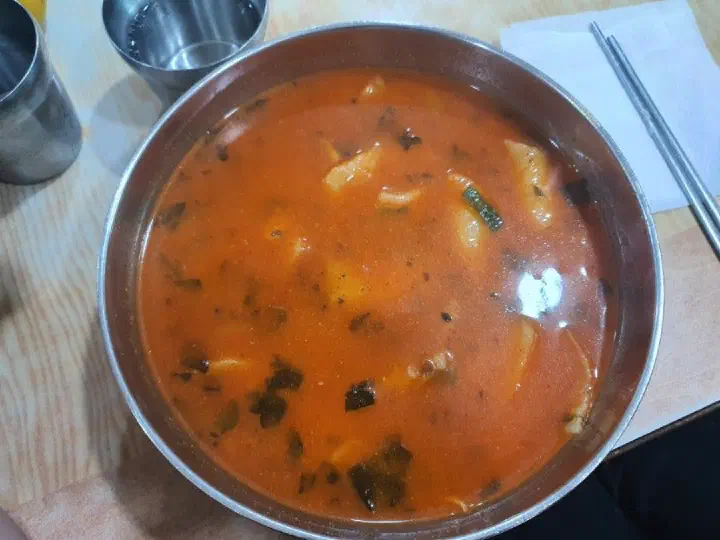
Full bowl of spicy sujebi with a dusting of sancho pepper on the surface

Even after you sit down, the soup takes about 20 minutes to arrive.
When it comes, you may pause — it is a huge metal bowl filled with a vivid red broth, with a dusting of sancho pepper on top.

Lean in and you will smell the sancho — bright, almost citrusy, slightly tongue-tingling.
There are tiny flakes of dried bangah leaf scattered through the broth.
The base tastes like a fish soup that has been pureed smooth, then layered with herbs and a clean spice.

Again — this is spicy by Korean measure.
If you are not used to Korean heat, expect a real kick, with the sancho adding a tingling, tongue-numbing edge.
Drink water, eat plenty of rice, and the kimchi on the side actually helps balance the heat.

Overhead view of the spicy broth showing sancho dust and chopped bangah leaves

From above you can see the herbs more clearly — sancho dust floating on the surface and slivers of bangah (Korean mint) suspended in the red broth.
This herbal layer is what makes the dish unforgettable, and also what divides opinion.

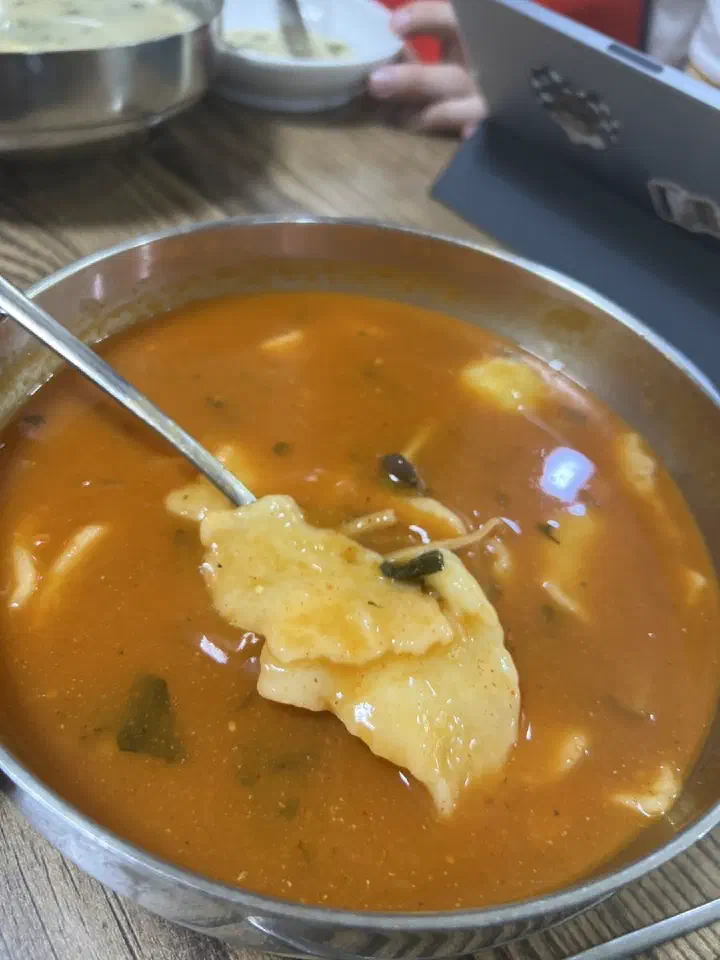
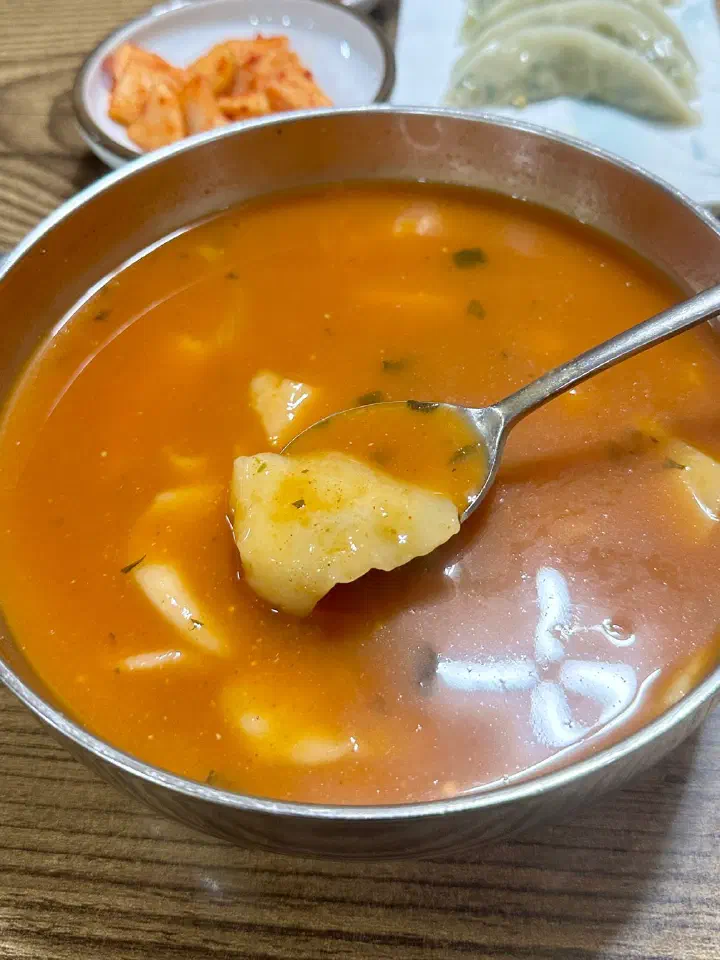
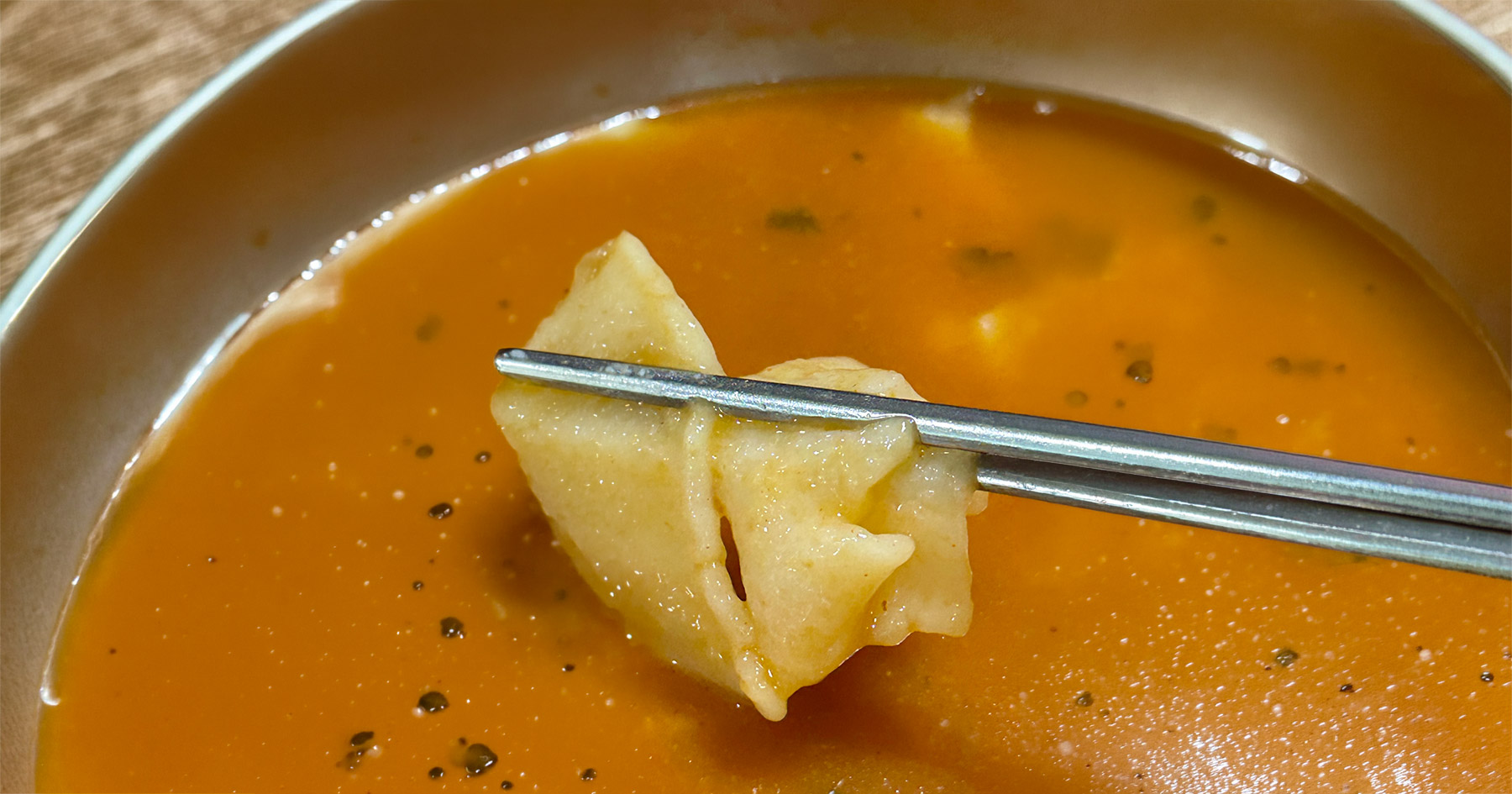
Spoonful of soft hand-torn sujebi noodle lifted from the red broth

The sujebi noodles themselves are rolled thin rather than hand-torn into thick chunks.
They slide off the spoon easily and feel tender rather than chewy.
That softness is part of the appeal — the noodle absorbs the broth without fighting it.

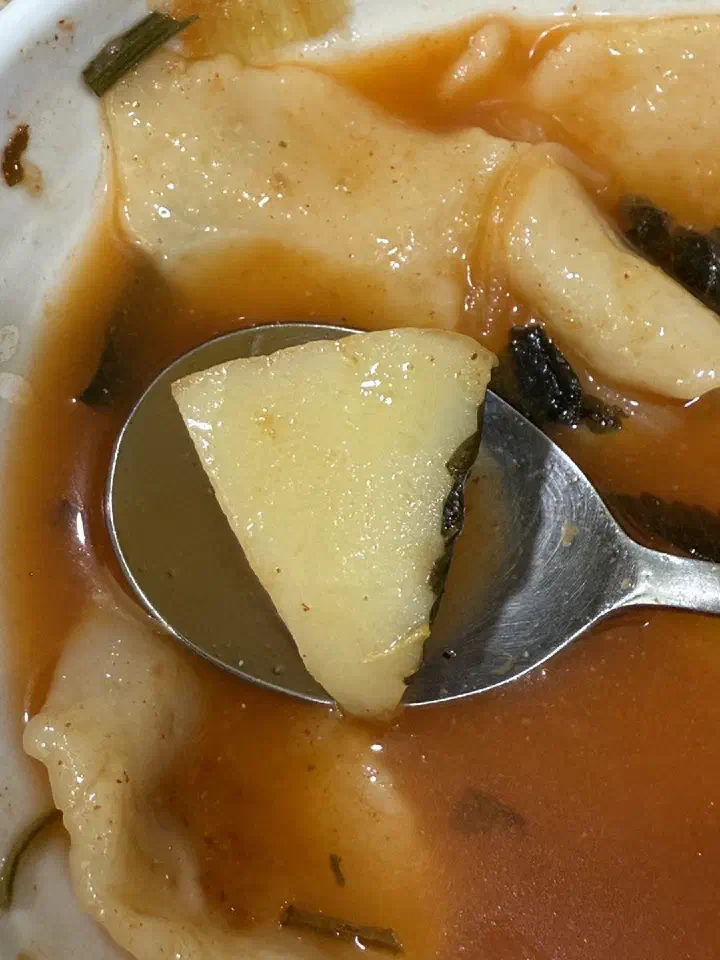
Slice of soft potato in the sujebi bowl on a spoon

Look closer and you will find a few pieces of potato hidden in the broth.
They are buttery soft, almost falling apart, and they may be the best thing in the bowl after the soup itself.
Regulars joke that the potato is the secret weapon.

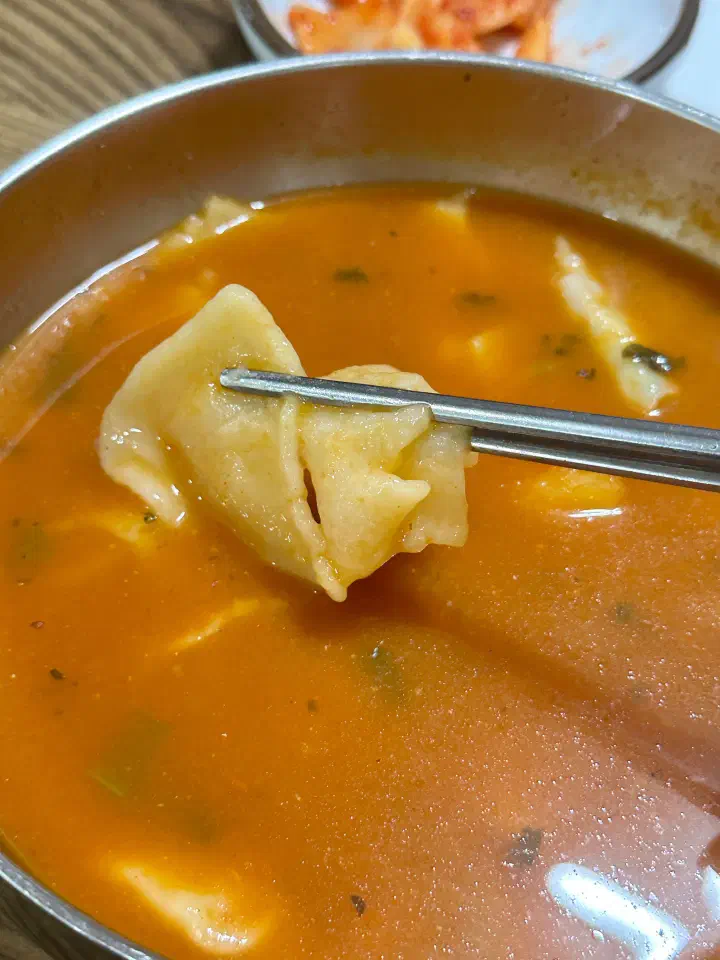
Close-up of spicy sujebi with a steamed mandu lifted on the spoon

If you have ordered the steamed dumplings, try one dipped briefly in the broth.
The thin wrapper soaks up just enough spice to add another layer to the bite — different from eating the mandu plain on the side.

Another bowl of spicy sujebi from a different angle on the table

A heads-up: the portion of noodle in each bowl is modest.
If you are hungry, order the larger size (+2,000 won) or — better — order a side of rice.
Almost every table here ends up stirring rice into the leftover broth at the end.
Locals call it the proper way to finish a sujebi meal.

Empty metal bowl after finishing the spicy sujebi

Do not be surprised when your bowl looks like this at the end.
It happens to everyone.

Plain sujebi and the dumplings

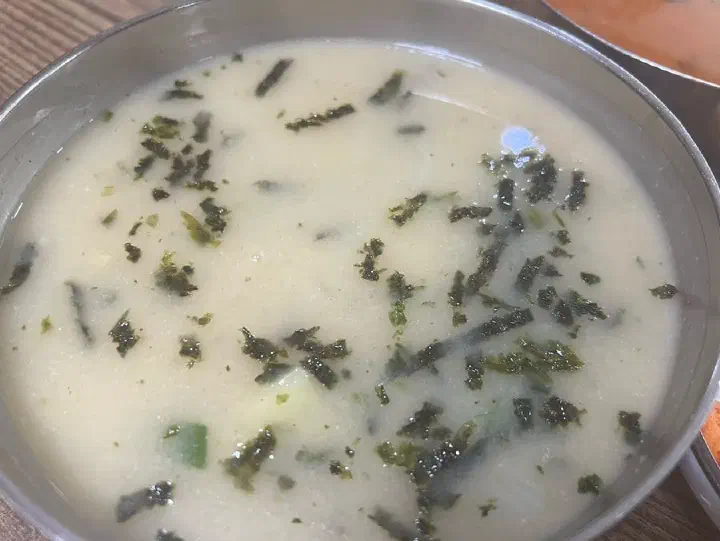
Plain sujebi in a creamy perilla-seed broth with seaweed flakes

If sancho pepper sounds intimidating — and again, this dish is genuinely spicy by Korean standards — the plain sujebi is a beautiful alternative.
It is a milky perilla-seed broth scattered with seaweed flakes and the same tender noodles.
Comforting, mild, and a great choice if you are dining with children, want a break from the heat, or simply want to taste the noodle on its own terms.

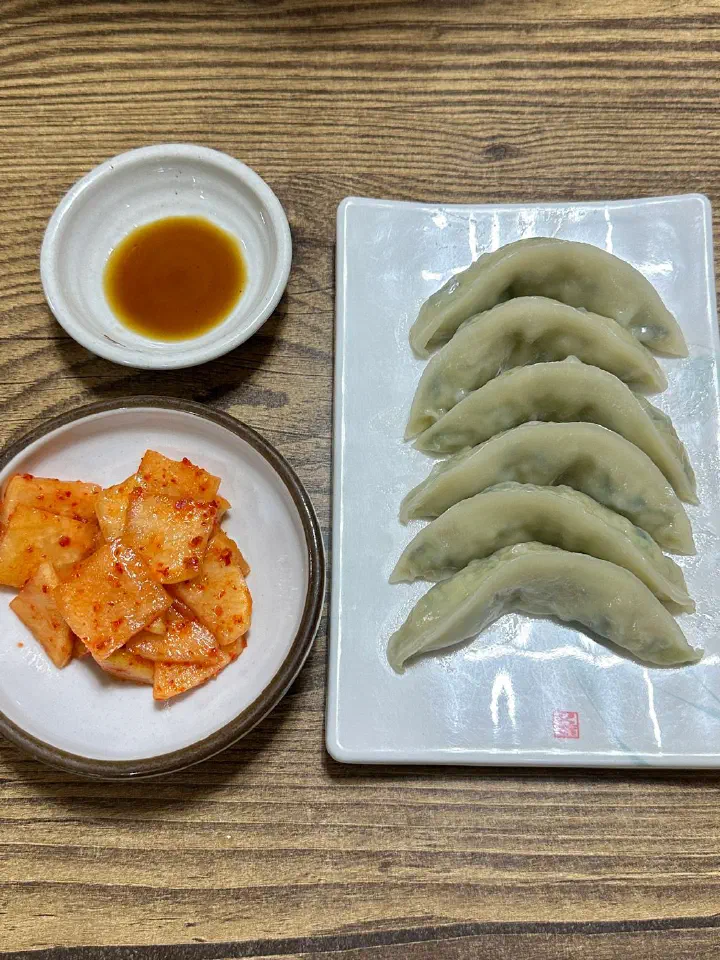
Plate of steamed mandu with cubed radish kimchi on the side

Add an order of jjin mandu (steamed dumplings) to the table.
Six pieces for 3,000 won, with thin, springy wrappers and a clean filling.
They are surprisingly addictive and disappear faster than you expect.
I usually grab one or two while waiting for the soup, then save the rest for a palate cleanser between spicy bites.

After the meal: walk it off by the reservoir

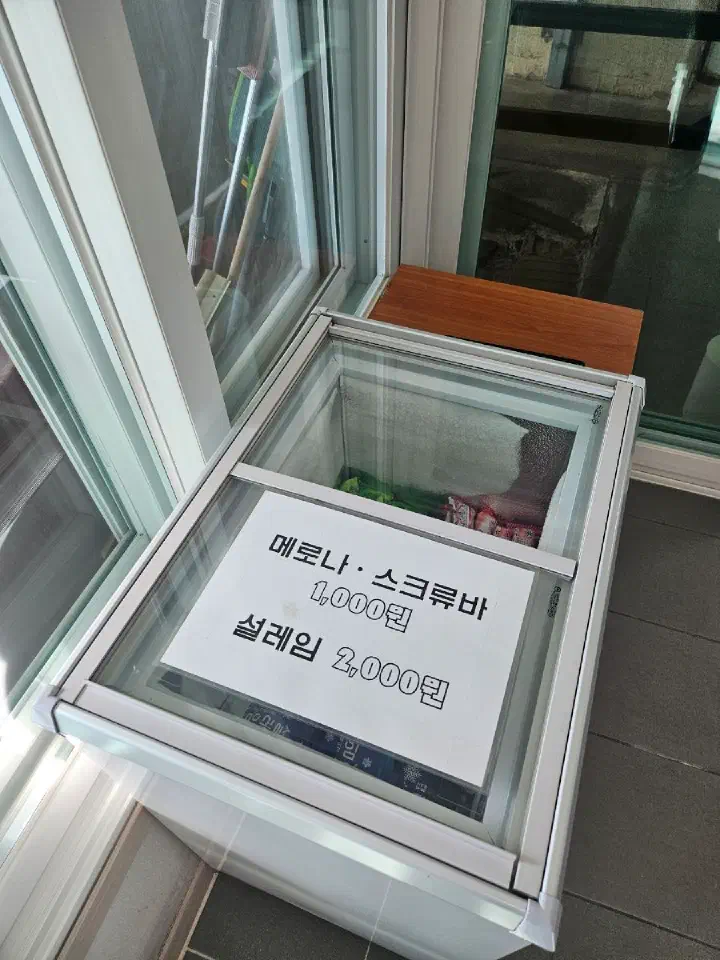
Freezer with Korean ice pops Melona and Screw Bar at the entrance

By the entrance there is a small freezer with Korean classic ice pops — Melona (sweet melon) and Screw Bar are 1,000 won each.
After a fiery bowl of spicy sujebi, an icy melon popsicle hits perfectly.
You can pay for it together with your meal by card.

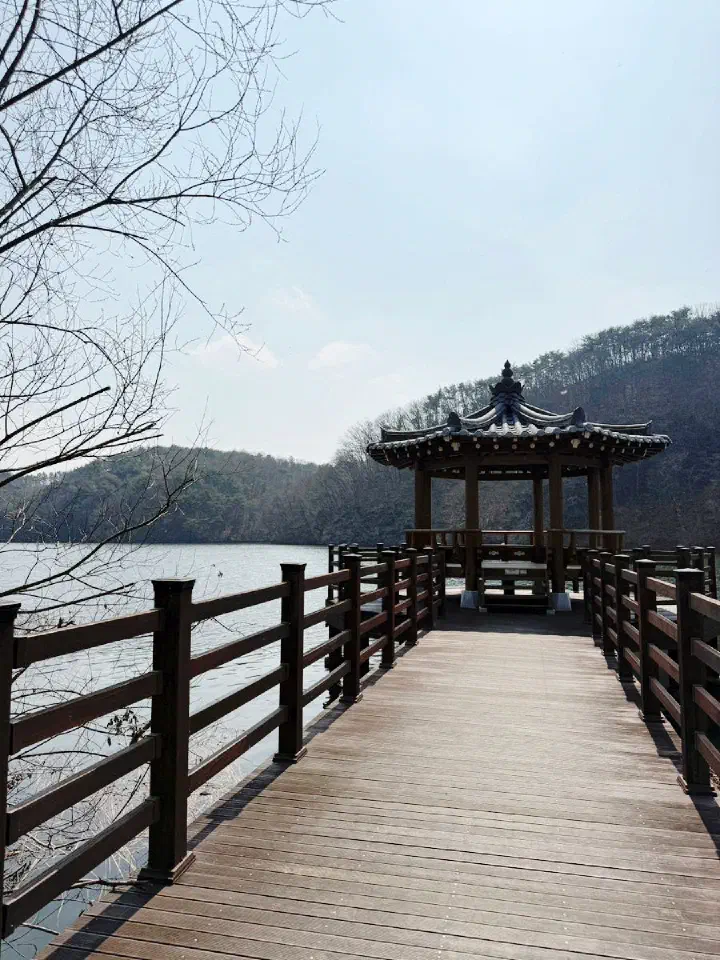
Wooden deck path leading out to a Korean pavilion on Duhyeon Reservoir

Step out of the restaurant and you are right next to Duhyeon Reservoir.
There is a paved walking path along the water — flat, easy, perfect for a slow post-meal stroll.

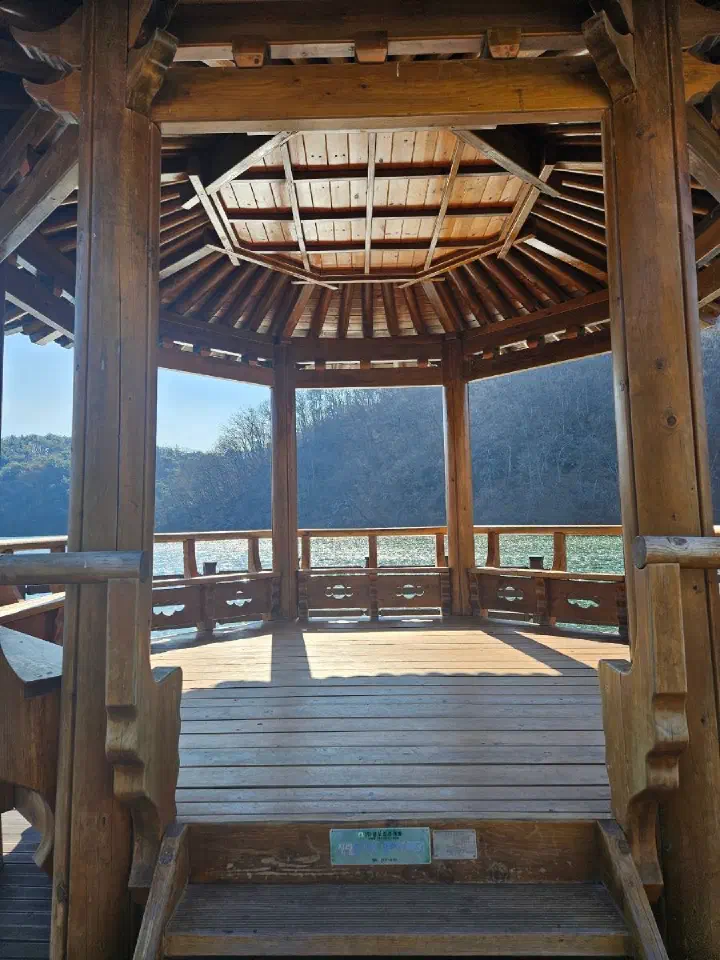
Inside view of the wooden Korean pavilion looking out over the reservoir

In the middle of the reservoir there is a traditional Korean pavilion that you can walk out to.
It is a beautiful spot for photos, especially in autumn when the surrounding trees turn red, or in spring when the cherry blossoms come out.

There are also a couple of view cafes nearby (Cafe Gak and Berz Yulli are well-known) if you want to round out the trip with coffee and a quiet view.

Close-up of the restaurant’s vintage signboard with phone number 222-3664

Final thoughts

If you are looking for a memorable food stop on a trip to Ulsan — something rooted in the local landscape, not a chain or a tourist trap — Jeosuji Hyugesil is worth the small detour.
The spicy sujebi is unlike anything you can order in Seoul or Busan.
The setting, beside a quiet reservoir, makes the whole afternoon feel slower in a good way.

Just plan for the wait, double-check the opening hours, brace yourself for the heat if you are not used to Korean spice, and arrive hungry enough to clean the bowl.
That is the only way to do it justice.