In Yeosu, marinated crab is the dish people travel for. There’s a whole lane of gejang (게장) houses in Bongsan-dong, and two names keep coming up as the “original”: Dukkeobi and Hwangso. Locals still argue over which one came first.

This post is about Hwangso Sikdang (황소식당) - the one with the longest run and, these days, the bigger building.

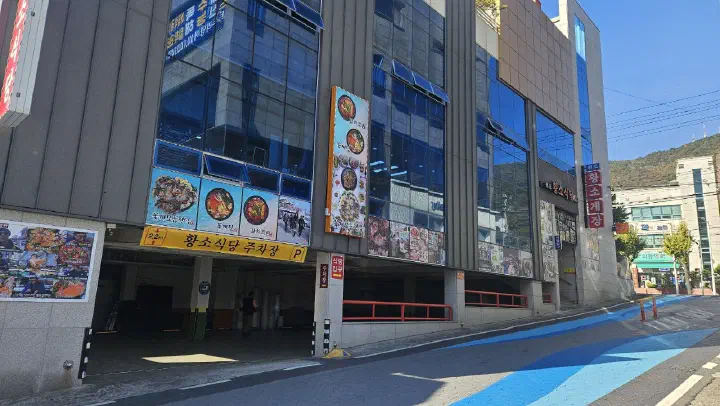
Exterior of Hwangso Sikdang on the Bongsan-dong crab alley in Yeosu

The basics

  • Name: Hwangso Sikdang (황소식당), also called Wonjo Hwangso Sikdang
  • Address: 2 Bongsannam 3-gil, Yeosu-si (봉산남3길 2)
  • Hours: 08:00 - 20:30 daily
  • Closed: open year-round, no break time
  • Parking: basement lot plus an outdoor lot across the street

📍 View Hwangso Sikdang (황소식당) on Google Maps →

Opening at 8 a.m. is unusual here. Most crab houses run a shorter day, so this is an easy spot for a first or last meal of a Yeosu trip.

A place that’s been here a long time

Hwangso was selling gejang before the crab alley even formed. The old shop was a small, low-ceilinged place tucked into the lane. Over the years it moved into a large building across the street, and the original lot now holds the takeout shop and overflow parking.

The crab alley lane in Bongsan-dong, Yeosu

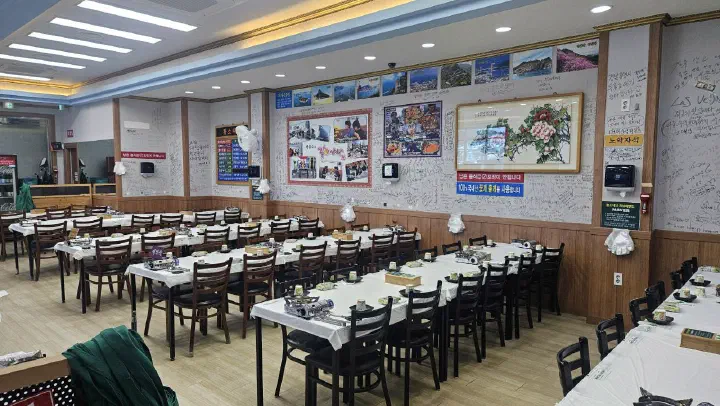
The dining room is big now - two floors, room for well over a hundred people. Tables are covered with a thin plastic sheet, the kind you see in high-turnover places. It keeps things clean and quick.

Spacious dining hall with group tables at Hwangso Sikdang

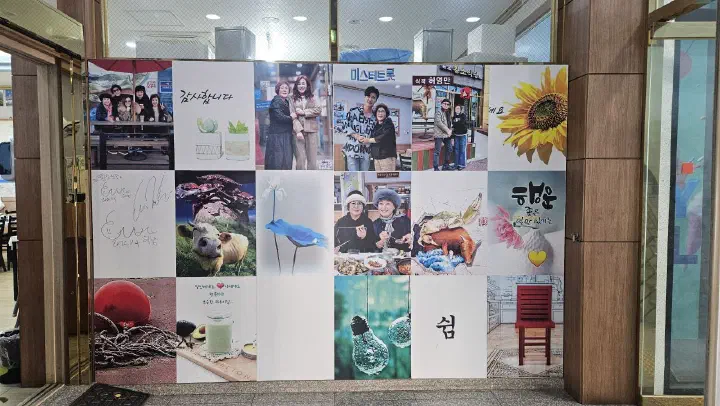
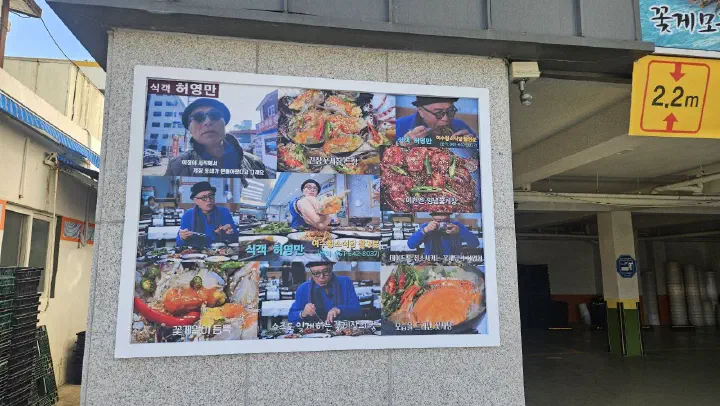
One wall is packed with TV appearances and celebrity autographs. The place has shown up on several national programs over the years, and in late 2025 a popular YouTuber featured it on a mukbang show that called it a “26-year-old restaurant.” That tells you something about how long it’s been around.

Wall of TV broadcast photos and celebrity signatures

The menu

Each set comes with one main dish plus refillable rock crab gejang.

  • Gejang baekban set (게장백반정식): 16,000 KRW
  • Blue crab stew + rock crab set (꽃게탕 + 돌게장정식): 22,000 KRW
  • Braised cutlassfish + rock crab set (갈치조림 + 돌게장정식): 22,000 KRW
  • Blue crab gejang set + rock crab set (꽃게장정식 + 돌게장정식): 35,000 KRW
  • Kids set (초등학생정식): 12,000 KRW

The baekban set can be ordered for one; most others start at two people.

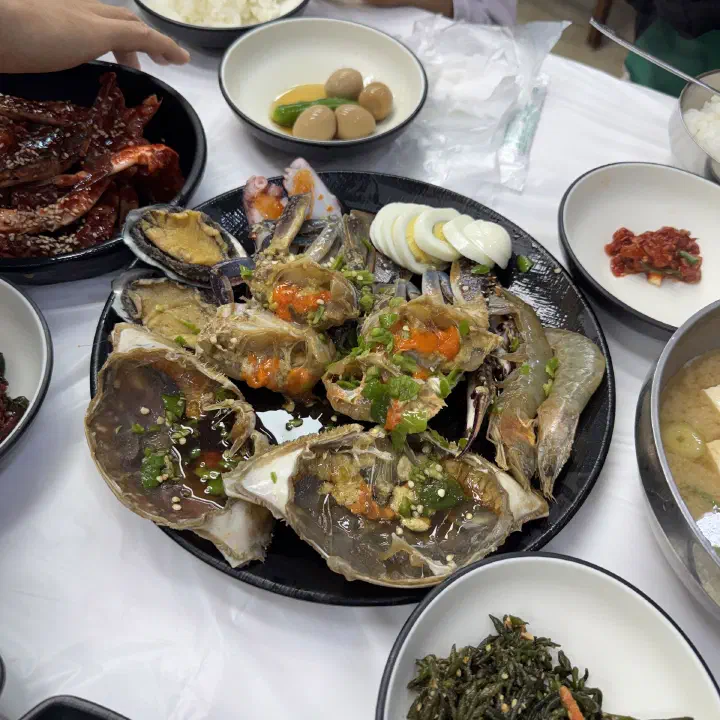
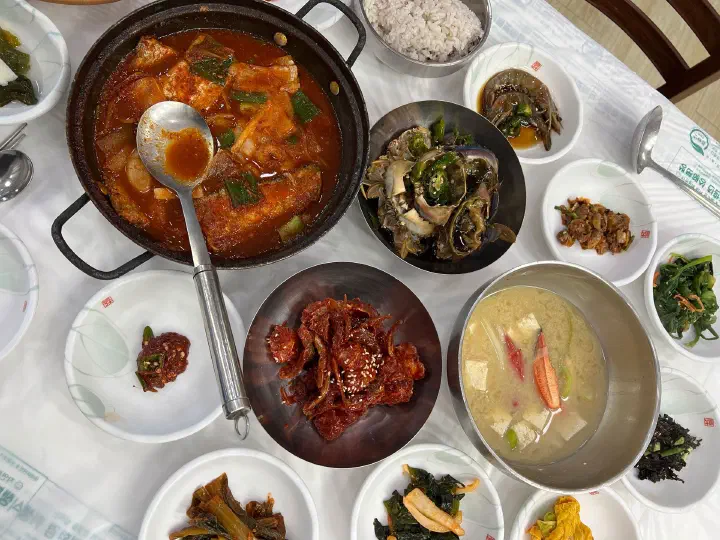
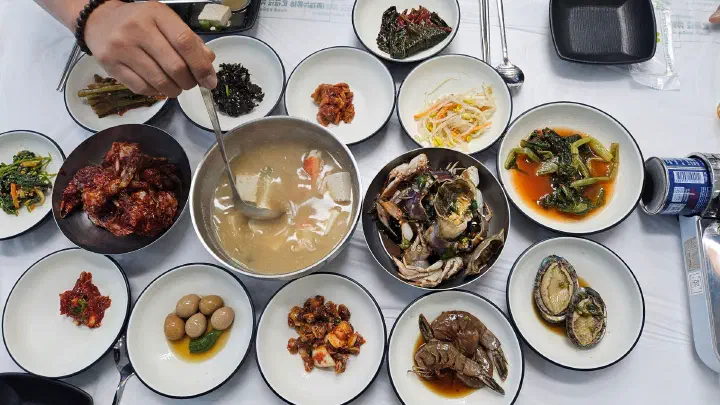
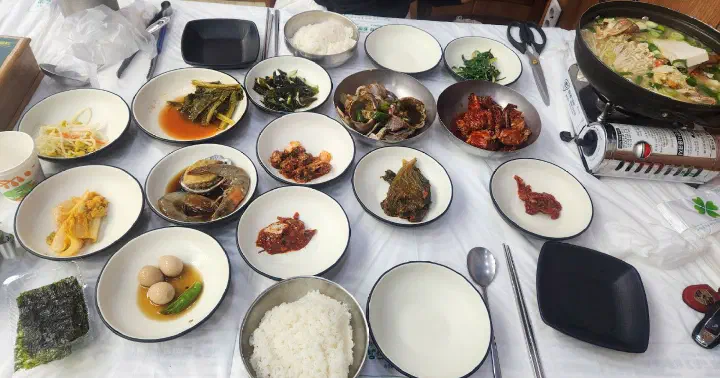
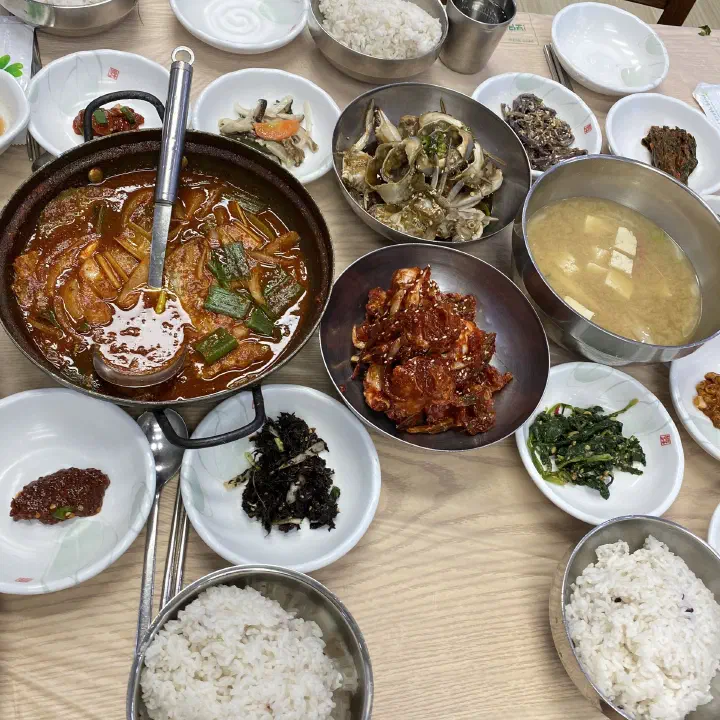
Gejang baekban set spread on the table

One thing worth knowing: the “all you can eat” part is the rock crab (dolgejang, 돌게장). Even if you order the blue crab set, refills come as rock crab. Good to know going in.

Dish by dish

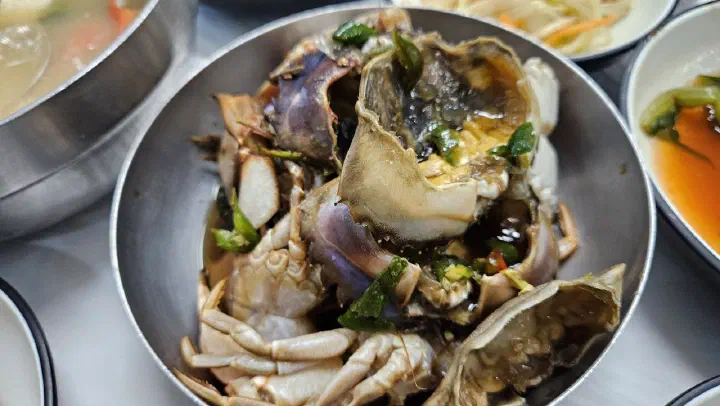
Soy-marinated crab (ganjang-gejang, 간장게장)

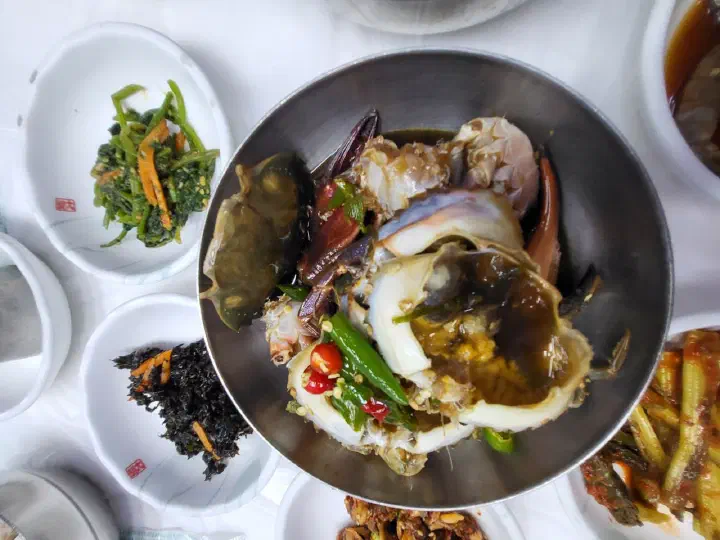
This is the signature. It isn’t salty or fishy - there’s a clean soy savoriness with a gentle sweetness, almost herbal in the brine. The local saying is that good soy crab isn’t salty, and this fits.

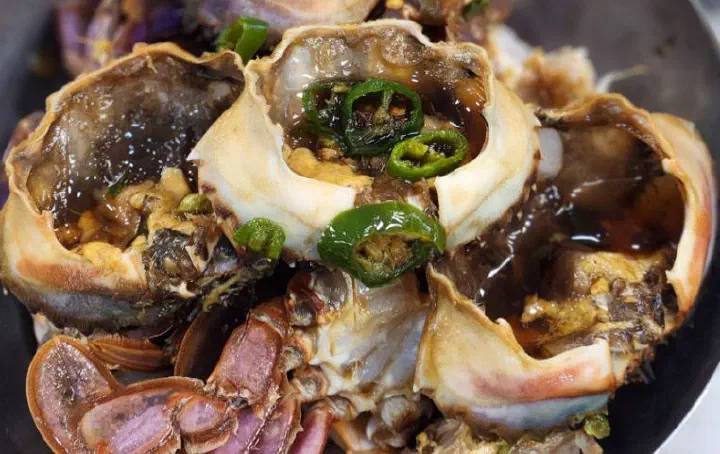
Close-up of soy-marinated rock crab

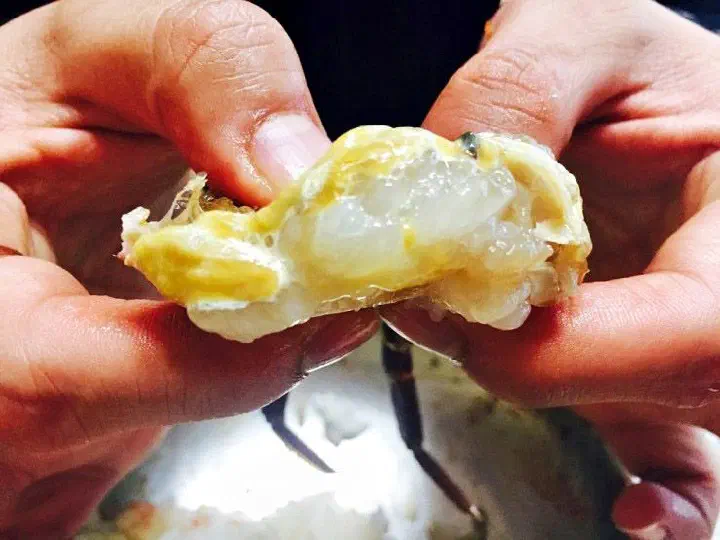
The move is to scoop warm rice into the shell, mix it with the roe, and wrap it in dried seaweed. After one bite, ordering more rice is basically inevitable.

Mixing rice into the crab shell and wrapping it in seaweed

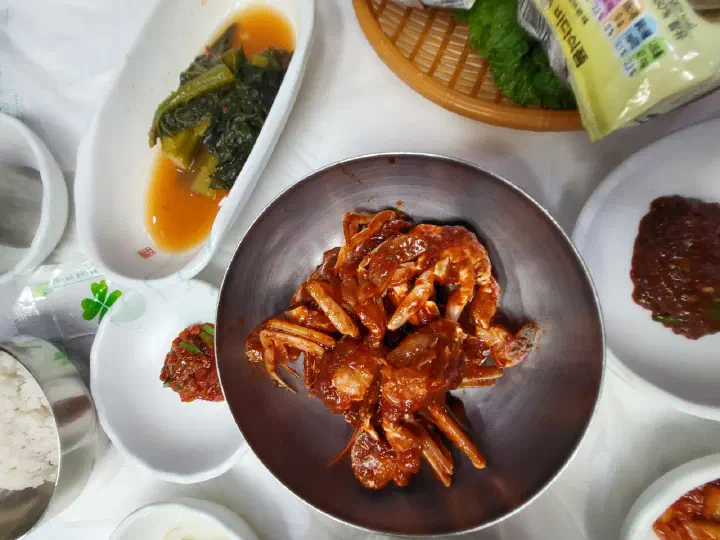
Spicy marinated crab (yangnyeom-gejang, 양념게장)

Sweet-and-spicy, but the heat stays gentle. The savory note lands first, the sweetness backs it up, and even people who don’t love spicy food keep reaching for it. Alternating it with the soy crab keeps either one from getting tiring.

A quick heads-up for international visitors: Korean “mild” can still read as spicy if you’re not used to it. This one is on the friendlier side, but pace yourself.

Spicy marinated rock crab in red sauce

Rock crab (dolgejang / bakhaji, 돌게장)

The refill crab is small, but the meat is firm and full - it holds up next to the bigger blue crab. The shells are hard, though. If you wear braces or have weak teeth, don’t force a bite. The legs don’t have much to dig out, so stick to the bodies.

A single rock crab on a plate

Blue crab stew (kkotgetang, 꽃게탕)

Soybean-paste based, so it’s clean and mellow rather than fiery. If you want more kick, ask for cheongyang chili to be added.

Blue crab stew in a soybean-paste broth

Braised cutlassfish (galchijorim, 갈치조림)

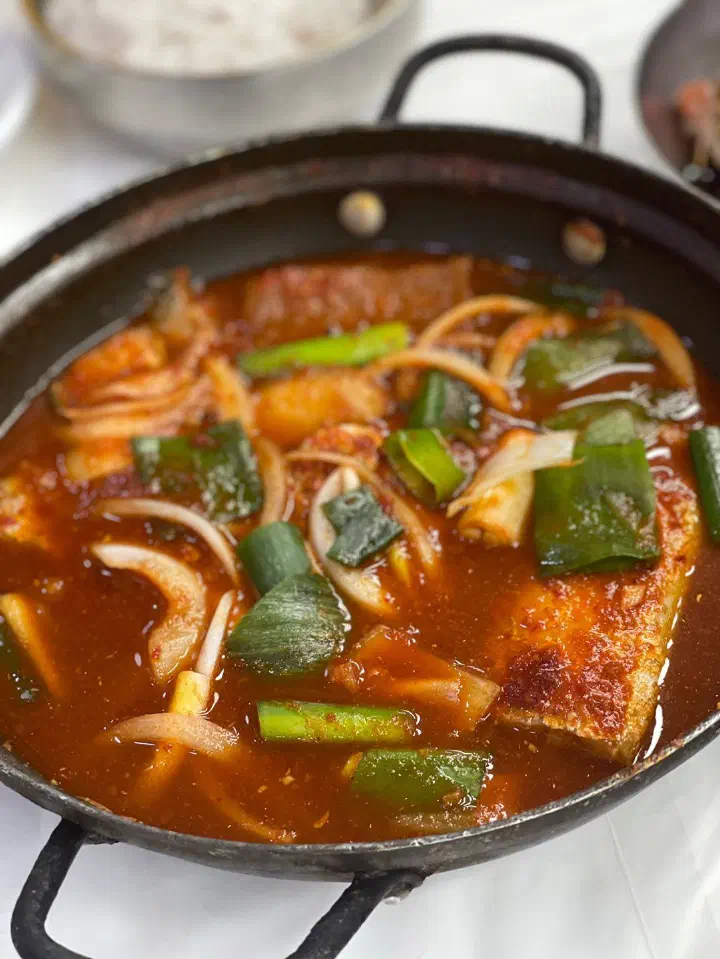
Thick, meaty pieces in a Jeolla-style sauce - rich and reduced, more savory than salty. The braised radish underneath is soft enough that some people finish a bowl of rice on the radish alone. If someone in your group doesn’t do raw crab, this dish makes the place work for everyone.

Braised cutlassfish with a gejang spread

The side dishes pull their weight

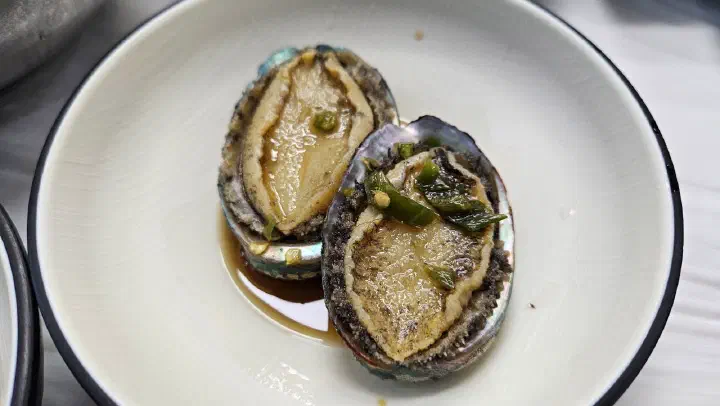
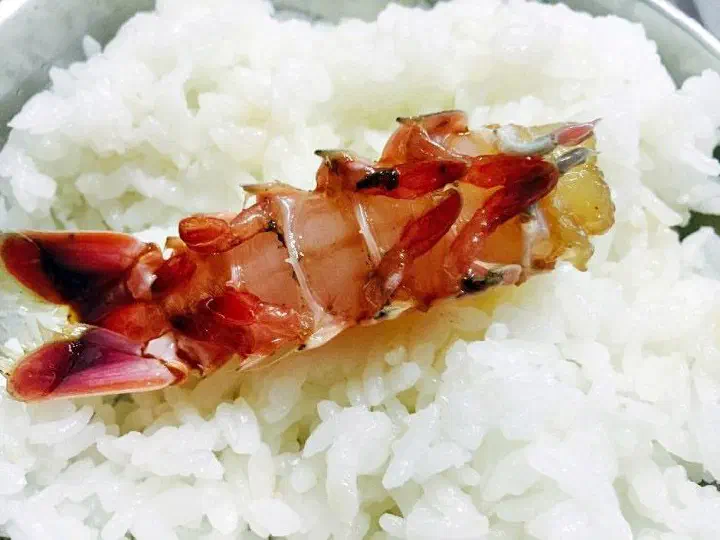
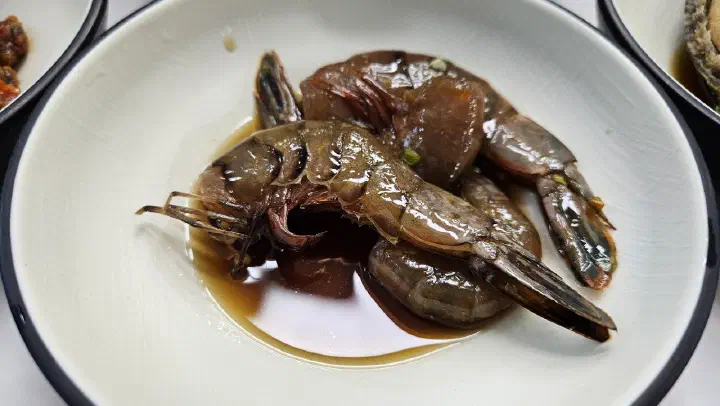
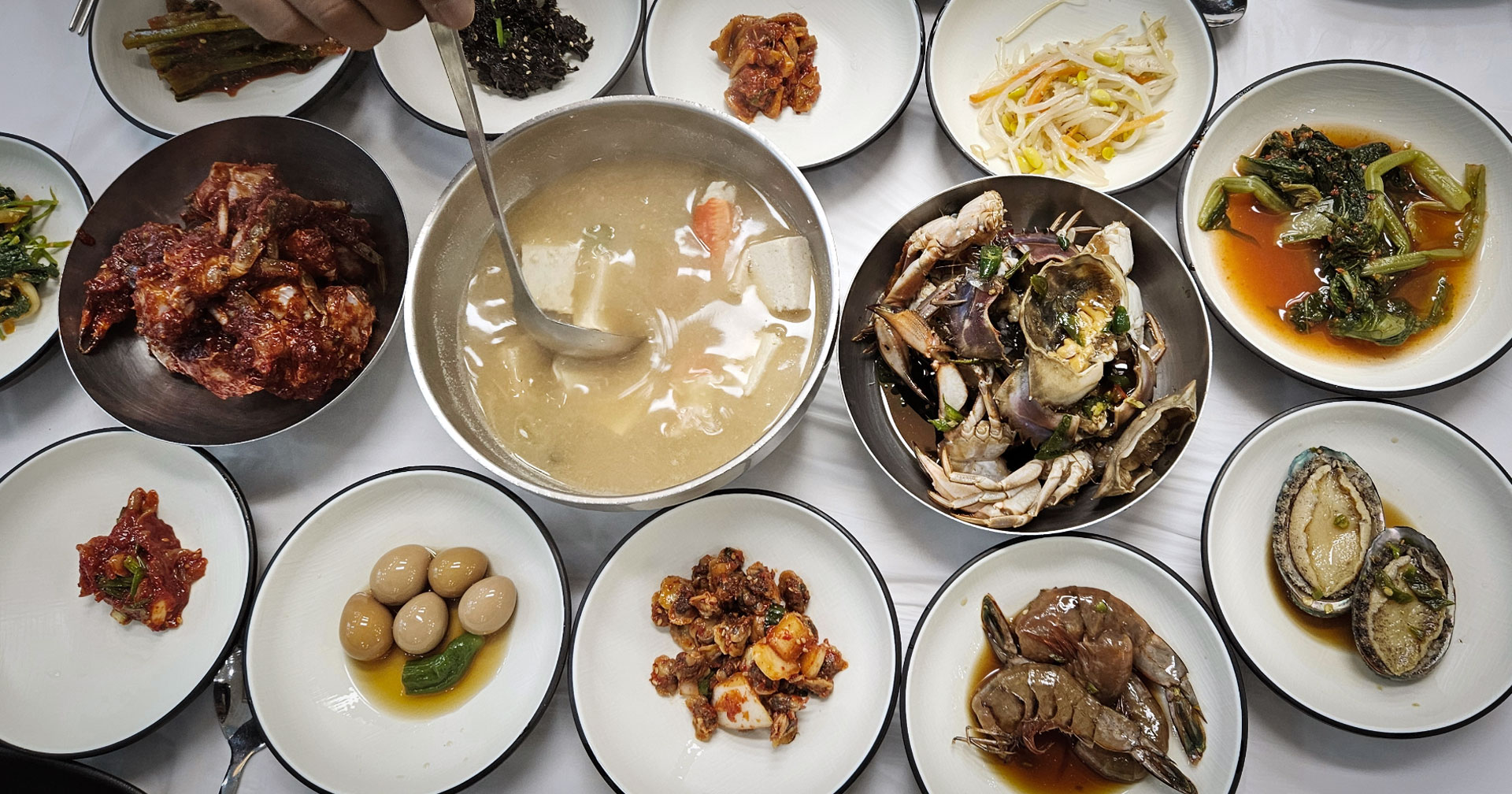
The banchan comes out generously: soy shrimp, soy abalone, sea squirt jeotgal, cockle salad, and the very Yeosu Dolsan gat-kimchi (돌산 갓김치, leaf-mustard kimchi).

White rice topped with soy-marinated shrimp

The gat-kimchi is sharp and a little peppery, and it resets your palate between bites of the sweet-salty crab. The soy abalone and shrimp are springy and not over-salted, so they go straight onto rice.

Side dishes including soy abalone and shrimp

Parking and waiting

Parking is easy by Korean standards: a basement lot, an outdoor lot across the street, and an attendant to guide you. On weekends and holidays it can fill up.

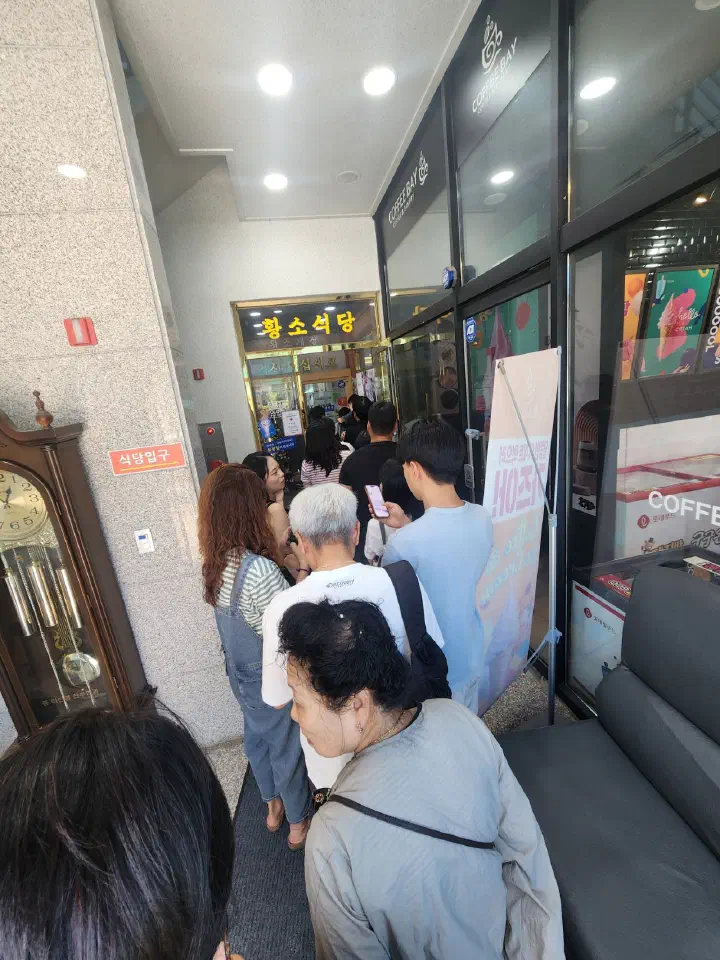
The longest waits are the lunch peak, roughly 12:00 to 1:30. Skip that window and it’s much smoother - early morning, after 2 p.m., or dinner. The room is huge and turns over fast, so even a visible line tends to move quickly.

A full gejang table, assorted set

The honest downsides

A few things to set expectations.

One, the rock crab shells are hard. If your teeth are sensitive, it can be a bit of a chore.

Two, the soy crab can taste salty to some palates. Extra rice is essentially required.

Three, the place is famous enough now that some Yeosu locals head to other gejang houses instead, and on busy days you’ll see the occasional review noting the food can vary. It’s a tourist-heavy spot.

Gejang baekban set on the table

Is it worth it?

For a crab lover walking the Bongsan-dong gejang alley, yes - this is a place worth queuing for once. It has held one corner for a long time, the seasoning stays consistent, and the banchan carries real Jeolla home-cooking character. Two people sharing a cutlassfish-and-crab set walk out full and don’t overspend.

Close-up of soy-marinated crab shell with roe and meat

Close-up of spicy marinated crab

Practical notes for travelers

  • Card payment is fine. Korea runs almost entirely on cards, and any internationally accepted card works here, so you don’t need much cash.
  • No tipping. There’s no tipping culture in Korea, and leaving a tip can actually confuse the staff. Just pay the bill as is.
  • Ordering is simple even without Korean. English isn’t widely spoken, but you can point at the menu and hold up fingers for the number of sets - that’s all it takes.
  • For getting around, Korean map apps (Naver Map or KakaoMap) are far more accurate than Google Maps for walking and transit. The KakaoT app is handy for taxis.
  • After the meal you can ship soy crab or gat-kimchi home from the takeout shop next door; orders over 50,000 KRW ship free within Korea.

Gejang and braised cutlassfish served together

📍 View Hwangso Sikdang (황소식당) on Google Maps →

The signed wall says it all - this house has lived through a whole era of Yeosu’s crab story.

Wall of celebrity signatures and broadcast photos