Gejang is raw crab cured in soy sauce, and Yeosu is one of the places in Korea that people travel to for it. Kkotdolgejang 1beonga (꽃돌게장1번가) is the best known of the handful of places that come up when you search in Yeosu.

Two things will shape your visit more than the food does. One is what “unlimited refill” actually covers, which is not what most people assume. The other is that you can be too late for the line without ever seeing one.

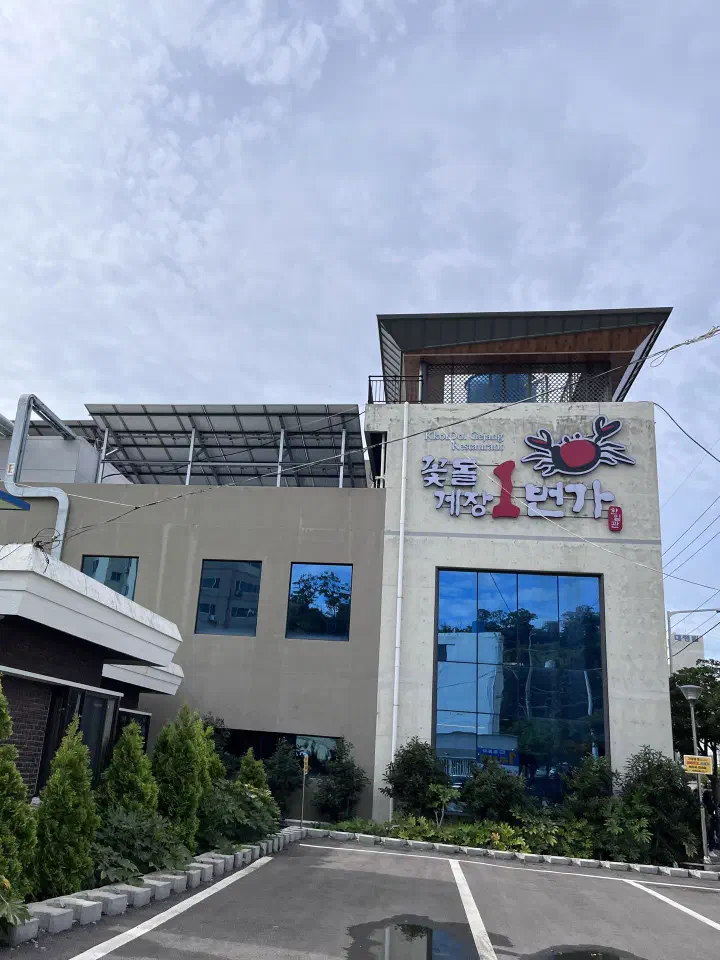
Exterior of Kkotdolgejang 1beonga in Yeosu with its crab-shaped sign

The basics

The address is 36 Bongsan 2-ro, Yeosu-si. Open daily, 10:00-21:00, with a break from 15:00 to 17:00 when the kitchen closes entirely. Last order is 20:00. Phone is 061-644-0003.

Some map apps list closing at 21:30. In practice it closes at 21:00.

That two-hour afternoon break catches more people off guard than anything else. If you miss lunch, the doors are shut from 15:00 to 17:00, and a Yeosu itinerary can come apart because of it. Block out those two hours when you plan your day.

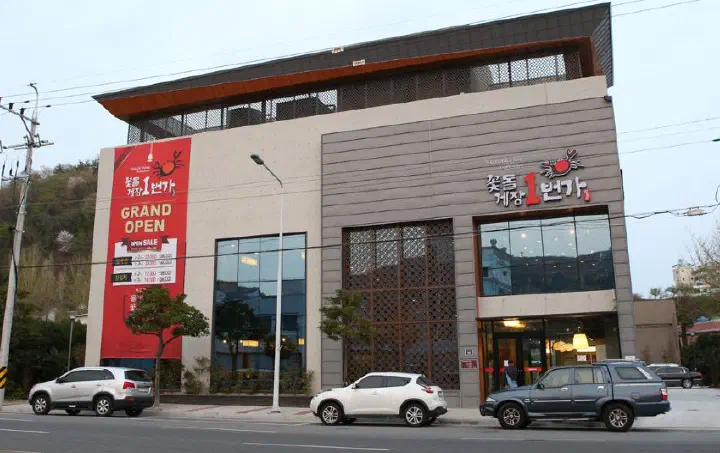
Roadside view of the two-floor Kkotdolgejang 1beonga building and its parking lot

📍 View Kkotdolgejang 1beonga (꽃돌게장1번가) on Google Maps →

The line, and why timing beats patience

Showing up at a relaxed 12:30 is the classic mistake. Lunch registration usually closes around 12:30, and dinner registration around 18:00. You can walk up to the restaurant with no visible line outside and still be turned away, because the list is full rather than the room.

On a weekend you’re looking at roughly 20 groups ahead at 11:00 and around 40 by 11:40. Before the break ends, at about 15:40, the dinner list can already sit at 65 groups.

That sounds worse than it is. The place is enormous, split across two floors, and seats something like 50 groups at once. It opens empty after the break, so the first wave seats almost immediately — being 65 back at 17:00 can still mean a call within ten minutes.

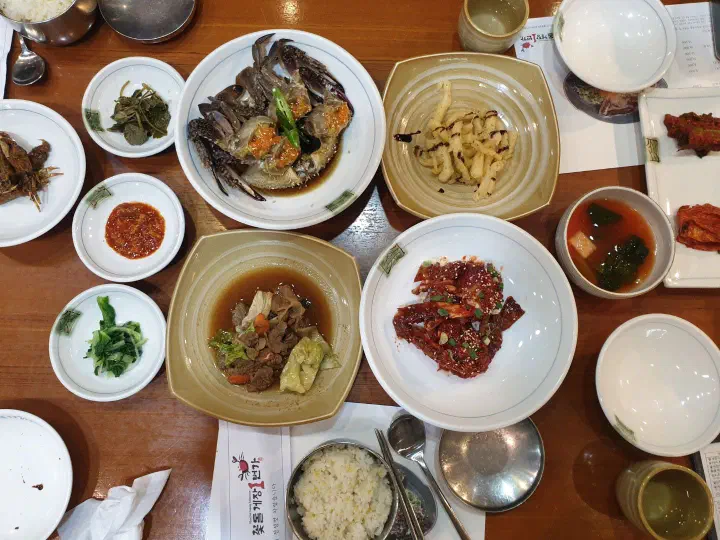
A full kkotge set spread on the table at Kkotdolgejang 1beonga

Remote sign-up runs through CatchTable, a Korean restaurant app. Registration opens twice a day, not continuously — which nothing in the app warns you about. Lunch slots go live only after 11:00, and hammering the app from 10:00 gets you nowhere. Dinner slots open at 15:00, right as the break starts.

So: open the app at 11:00 for lunch, or 15:00 for dinner, and join from wherever you are. You can push your turn back a slot or two if you’re running late, which many people do, so the line sometimes moves faster than the numbers suggest. If you miss your call window, though, the booking can be canceled.

The app runs in Korean, which can be a hurdle if you’re only passing through. If that rules you out, aim for 17:00 sharp on a weekday, or a late Sunday evening. You can usually walk in at those times.

What you order, and what it costs

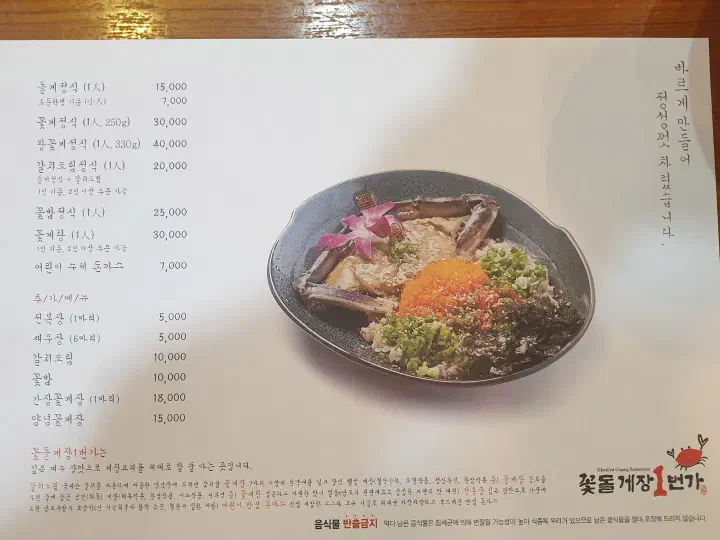
The kkotge set (꽃게정식) is the house standard at 35,000 won per person, so 70,000 for two. The wang kkotge set (왕꽃게정식) is 45,000 and uses a much larger crab, but only a limited number are prepared each day and they do run out.

There’s a braised hairtail set (갈치조림정식) at 23,000 per person, minimum two orders, and a crab hot pot at 35,000, also minimum two. For children who won’t eat crab there’s a house-made pork cutlet at 7,000.

Menu and price list at Kkotdolgejang 1beonga

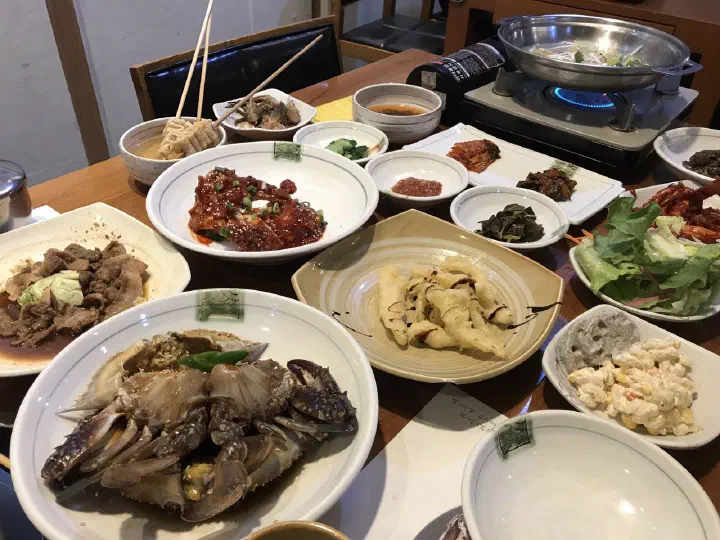
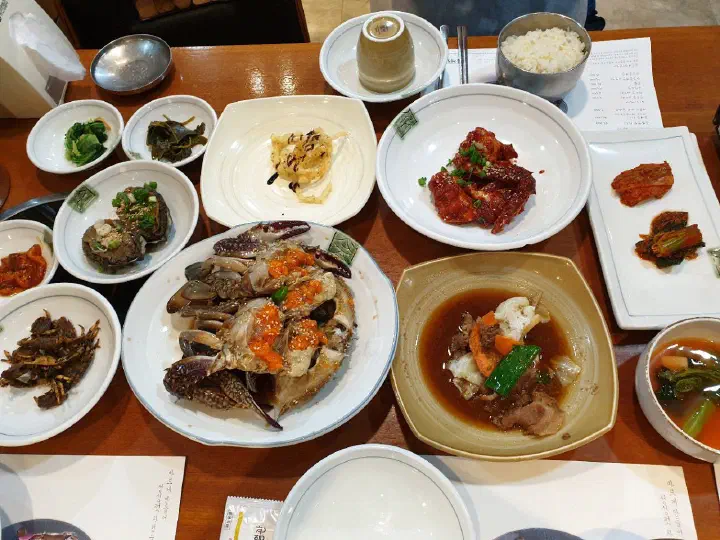
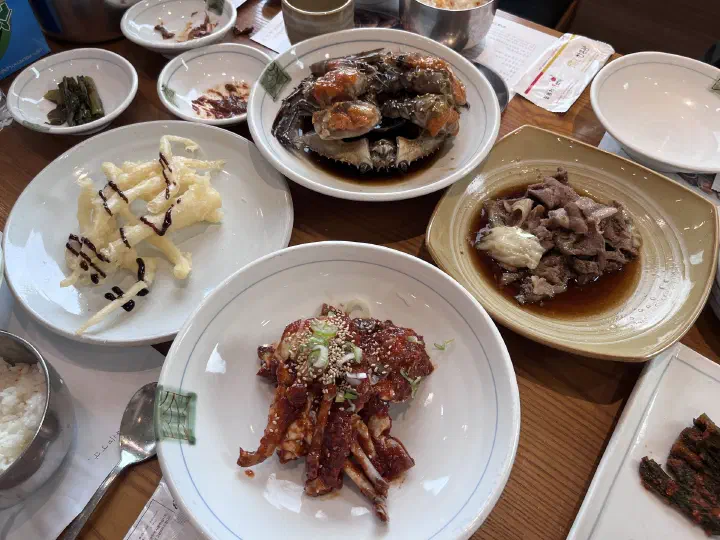
Each person’s set is one whole soy-marinated blue crab and one marinated shrimp, with spicy marinated crab thrown in free. Alongside that come a crab soybean paste stew, fried crab, bulgogi, and gat kimchi. Food arrives quickly even when the room is full, and an hour is plenty for the whole meal.

Kkotge set with soy-marinated crab, crab soybean paste stew and bulgogi

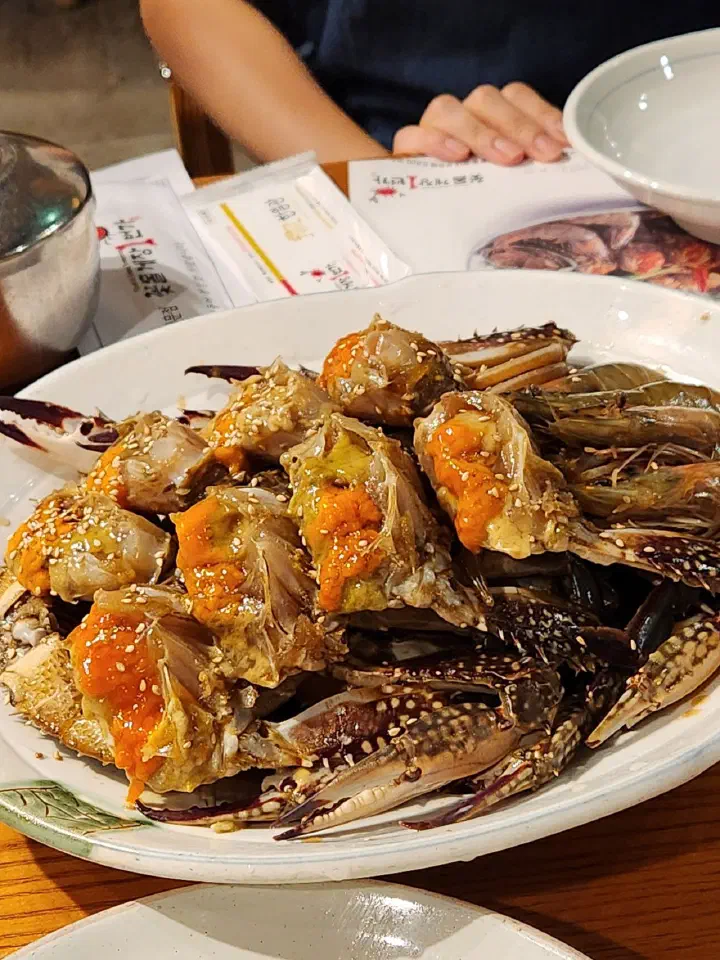
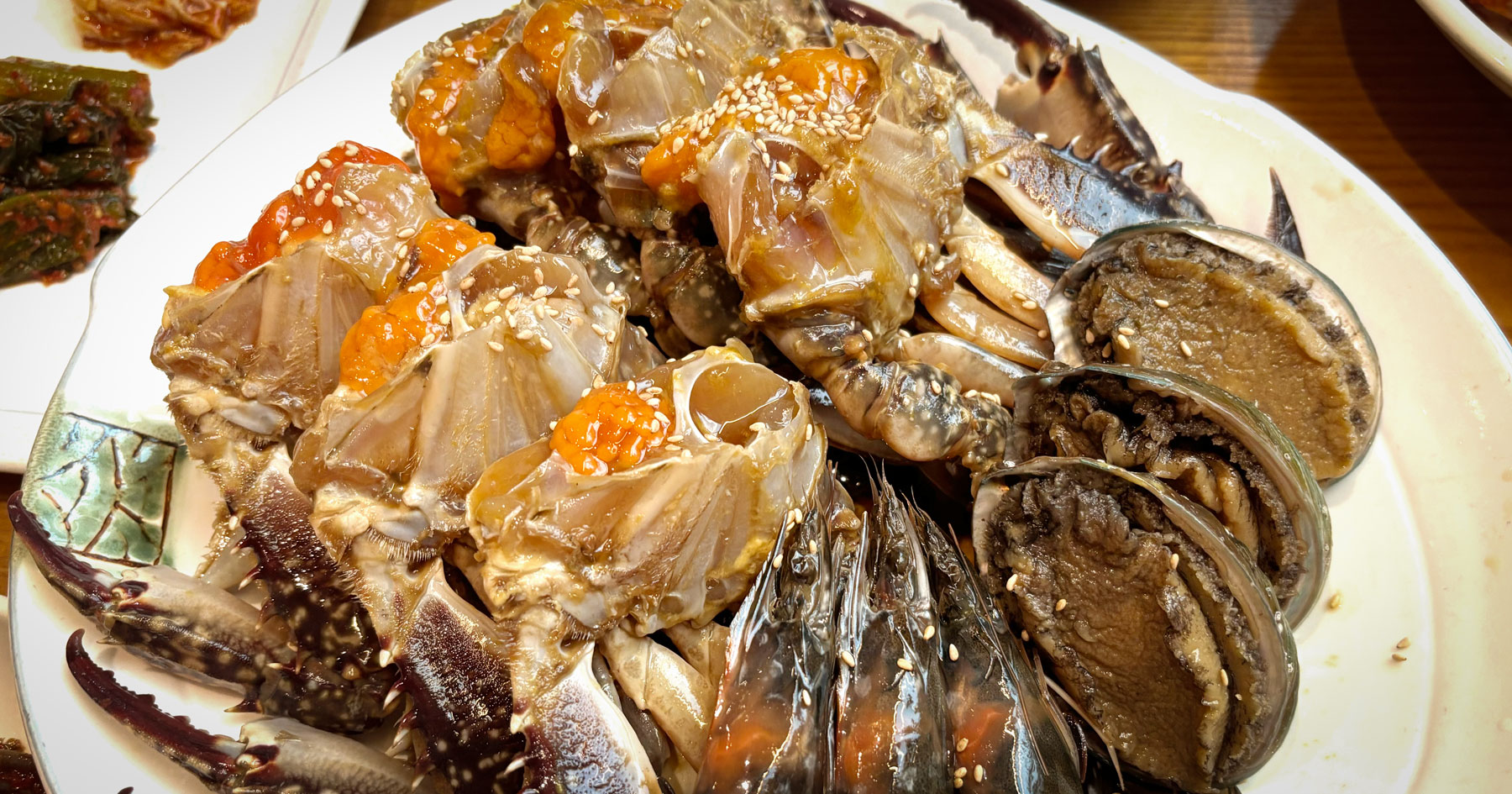
Ganjang kkotgejang

Gejang usually hits you with salt first. This one doesn’t, which lets the sweetness of the crab meat come forward, and there’s essentially no fishy edge to it.

If you know the heavier, saltier style from the west coast, this may read as mild. If you’ve been put off gejang before, that mildness is exactly what makes it work.

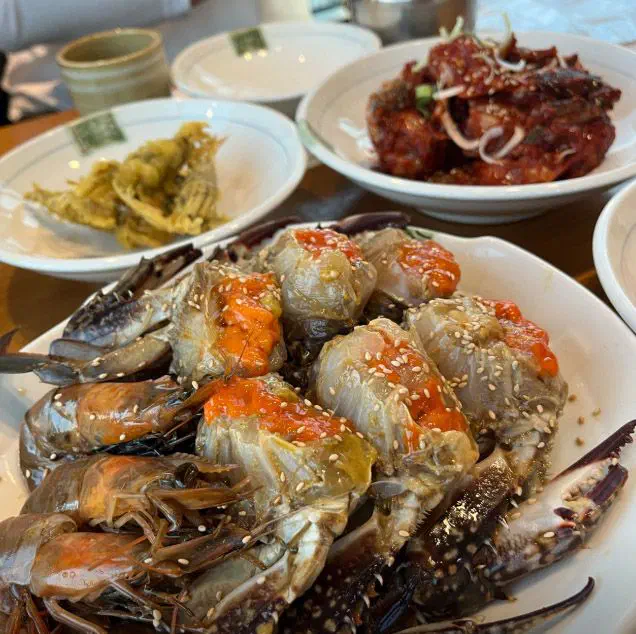
The crabs are packed. Put on one of the plastic gloves on the table, press the body, and the meat pushes out; even the legs are full, so little goes to waste. The roe and innards under the shell are generous.

Close-up of soy-marinated blue crab packed with roe at Kkotdolgejang 1beonga

Save the shell for last. Put rice into it, add a spoonful of the crab stew broth, mix, and wrap a bite in seaweed. The rice bowls are already large and people still order a second.

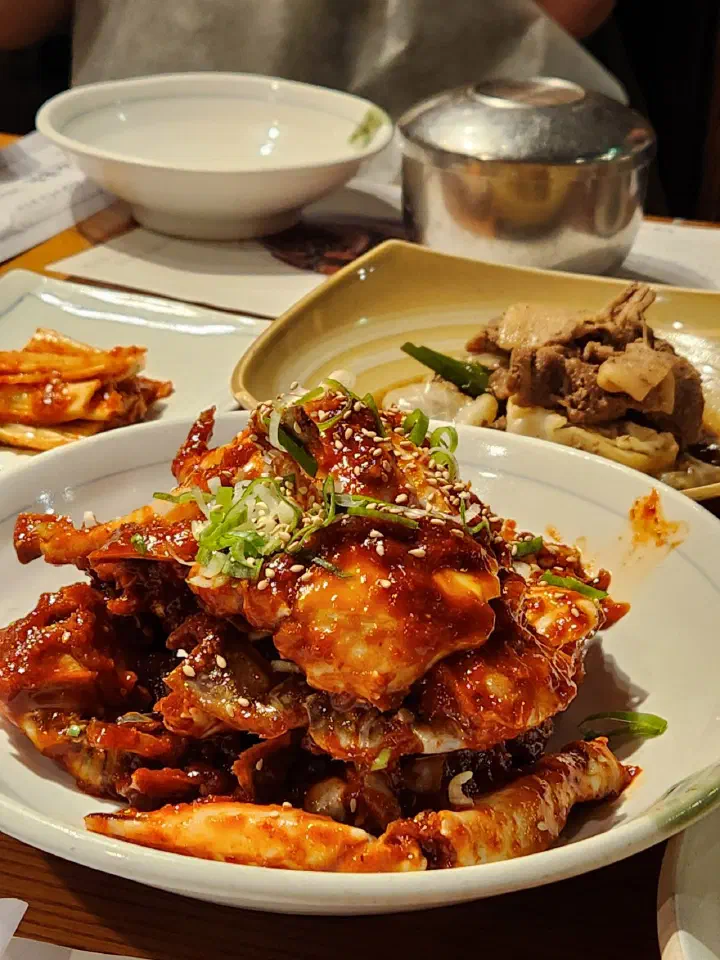
Yangnyeom kkotgejang

The spicy version comes free with the set but isn’t an afterthought. It’s sweet-hot, and alternating it with the savory soy crab keeps both interesting.

A warning worth taking seriously: this is spicy by Korean standards, which usually means very spicy if you didn’t grow up with it. Go slowly at first. If you prefer the spicy one, you can ask them to shift the balance, and the staff will usually oblige.

Portions are modest here, roughly half a crab to a whole one per person, sometimes just a few legs.

Spicy marinated blue crab (yangnyeom kkotgejang) at Kkotdolgejang 1beonga

Dolgejang and the refill bar

The name of the restaurant is literally kkotge (blue crab) plus dolge (rock crab), and that split runs through the whole place. Blue crab comes to your table. Rock crab lives at the self-service bar.

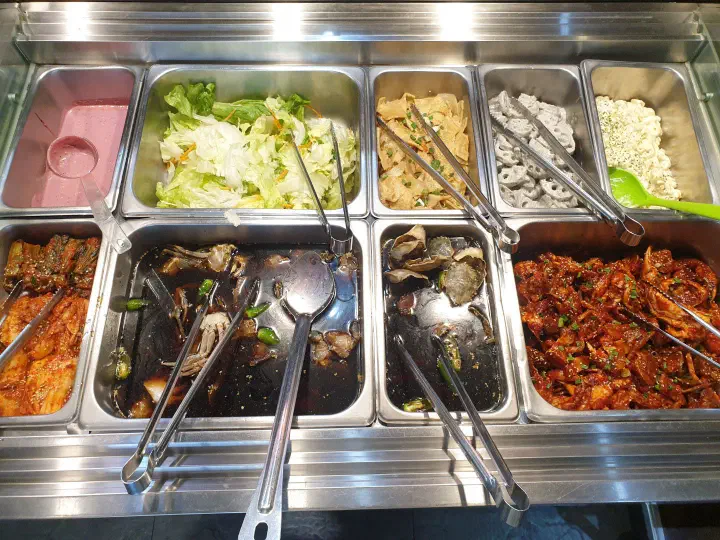
The bar has dolgejang in both soy and spicy versions, and both are unlimited.

Self-service bar with unlimited soy and spicy marinated rock crab

This is where the confusion starts: only the rock crab gets refilled. The blue crab in your set is a fixed count and does not come again. If you arrive picturing endless blue crab, you’ll be disappointed at the table.

The marinade is the same, so the flavor is close. The crab is not. Rock crabs are smaller than your fist and the shell is genuinely hard. You can’t squeeze the meat out; you crack the claws and body and dig. There’s much less meat in there.

Opinions split sharply as a result. If your teeth aren’t up for it, it’s a chore, and some people find the shells punishing. If you enjoy cracking claws and know to pick the big-clawed ones, the refill bar is the best value on the menu.

The bar also holds side dishes, salad, canned peaches, and hot fish cake. The fish cake is an unexpected trap; one cup becomes two. Spare crab shells are stocked too, so you won’t run out of shells to pack rice into.

Kkotge set with soy-marinated crab, fried crab and assorted side dishes

The stew and the gat kimchi

The crab stew is soybean-paste-based, not a clear broth. The crab flavor works into the doenjang and gives the broth a savory depth — closer to a shrimp stock than you’d expect from soybean paste. It can taste thin when it first arrives, so leave it on a low flame and let it reduce, and it gets considerably better.

Gat kimchi is made from mustard greens, and Yeosu is where it comes from. Here it does more than fill a dish, cutting through the salt of the crab and the sweetness of the bulgogi. There’s a pickled (jangajji) version too, and a gat pickle that people buy on the way out.

Crab soybean paste stew, bulgogi and gat kimchi on the kkotge set table

The room and the service

Large restaurants in tourist towns tend to lower your expectations about service. This one doesn’t. The staff stays calm on full nights and clears plates the moment they’re empty. They seat people at a pace the kitchen can actually keep up with, instead of filling every table at once, which is why the room never turns into a scrum.

Two floors, plenty of space between tables, and some private rooms for groups. The waiting area is on the second floor, with an elevator up to it, and there’s a flower display people photograph while they wait. High chairs are available, and there’s a diaper changing table in the restroom. Families with small children are everywhere.

The most talked-about detail is, oddly, the bathroom. Disposable toothbrushes, toothpaste, mouthwash, and hand cream are laid out. Anyone who has eaten crab and then climbed back into a car understands the thinking. The room isn’t big though, so it gets crowded when several people brush at once.

The restaurant has appeared on Korean TV shows including 1 Night 2 Days, Hong Kim Dong Jeon and Jeon Hyun-moo Gyehoek, and it’s now counted among what people call Yeosu’s three great gejang houses. The lines reflect that.

Parking, payment, and takeout

Parking is easy by tourist-restaurant standards. Lots run along the side and rear of the building, roughly 100 spaces, with an attendant directing cars when it’s busy.

Payment is painless: any major card works, and Korean mobile pay (Zero Pay included) is accepted, so you barely need cash. Nobody tips in Korea, so skip it — a tip left on the table just puzzles the staff.

English isn’t really spoken, but ordering is not difficult. The menu on the table has photographs, so pointing at the set you want and holding up fingers for your headcount works fine.

The ground floor has a separate counter for takeout and courier shipping. Premium soy blue crab, rock crab, marinated shrimp, abalone and salted pollock roe are all sold there. Premium soy blue crab runs 80,000 won for 2.1kg, three crabs, and orders above 50,000 won ship free. They pack it in a cooler box; a Saturday order lands Monday. Domestic shipping only, so this is for people continuing their trip in Korea rather than flying home. There’s also a small cafe, Kkotdol Cafe, on the same floor for coffee or ice cream afterward.

Getting there

The restaurant is in Bongsan-dong, an easy taxi ride from Yeosu Expo Station or Yeosu Airport, and it sits on the way toward Dolsan Bridge, so it slots in easily with Odongdo or anything on Dolsan Island.

Use KakaoTaxi (Kakao T) to call a car rather than wait on the street. For directions generally, Google Maps is unreliable for walking and transit in Korea; Naver Map or KakaoMap will serve you much better.

Summer in Yeosu is humid and the rainy season can hit hard in the middle of it, which matters if your plan involves standing outside waiting for a table.

📍 View Kkotdolgejang 1beonga (꽃돌게장1번가) on Google Maps →

Verdict

If you’ve never had gejang, or tried it once and recoiled, this is a good place to come around to it. Nothing about it is fishy or aggressively salty. If you want the dense, salt-forward old-style soy crab, this isn’t that restaurant.

One crab per person at 35,000 won is not obviously good value, and locals argue about exactly that. The bulgogi and stew don’t leave the same impression as the crab. It comes down to the refill bar: work it and you eat very well for the money; skip it and you’ll walk out feeling you paid a lot for one crab.

A plate of soy-marinated and spicy blue crab with fried crab at Kkotdolgejang 1beonga

The place is consistent, and that’s what brings people back. The crab quality holds up on busy days, food comes out fast, and the service doesn’t crack under volume. For a first meal in Yeosu, where a bad choice costs you a whole day’s appetite, that reliability counts for a lot.

Get on the list remotely if you can. If you can’t, take the 17:00 opening. Just don’t drive up at noon with no plan.