If you ask around Suji about where to eat grilled fish, this place comes up almost every time.

It’s a single restaurant in Gogi-ri (고기리) that reportedly feeds more than 300,000 people a year, and once you taste the mackerel you stop wondering why the line is always long.

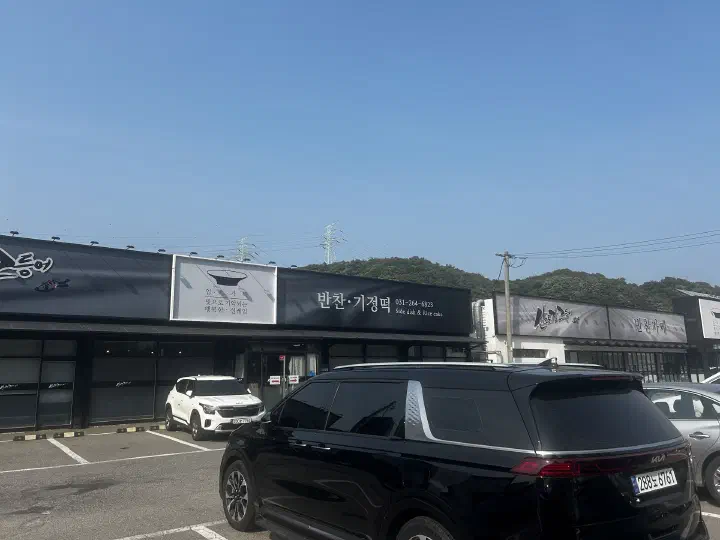
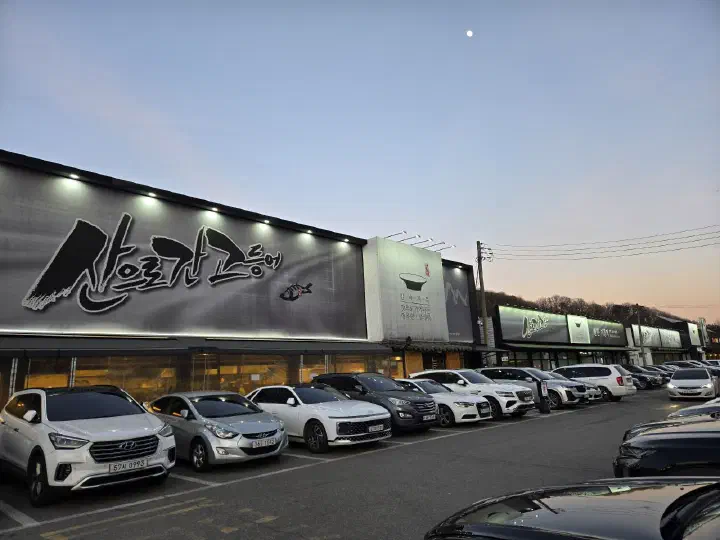
The Sangango building in the Dongcheon food complex

Grilled fish doesn’t sound like something you’d queue an hour for. Then you try a bite and it kind of makes sense. Here’s how the menu actually breaks down, plus what to know about waits, parking, and that unlimited side-dish bar.

Who it suits

Sangango (산으로간고등어) leans toward family meals, especially the kind where you bring your parents or grandparents.

The seasoning is gentle rather than punchy, so it works for almost everyone, kids included. People who normally skip fish tend to eat this mackerel happily. If someone in your group really won’t touch fish, the charcoal pork is an easy backup.

Tables are well spaced and the room is huge, so high chairs and bigger groups aren’t a problem. It does get loud at peak times, though, so it’s not the spot for a quiet, lingering conversation.

The basics

The address is 126 Gogi-ro, Suji-gu, Yongin, on the first floor of the Dongcheon food complex.
Open daily 10:50 to 21:00, with a break from 15:50 to 17:00.
Last order is 20:15, and they sometimes close early if ingredients run out.

There are restrooms, high chairs, wi-fi, takeout, and step-free access at the entrance and seating.

A quick note for travelers: Google Maps walking and transit directions can be unreliable in Korea, so I’d use Naver Map or KakaoMap to actually find the door.

📍 View Sangango (산으로간고등어) on Google Maps →

The wait, and how the line works

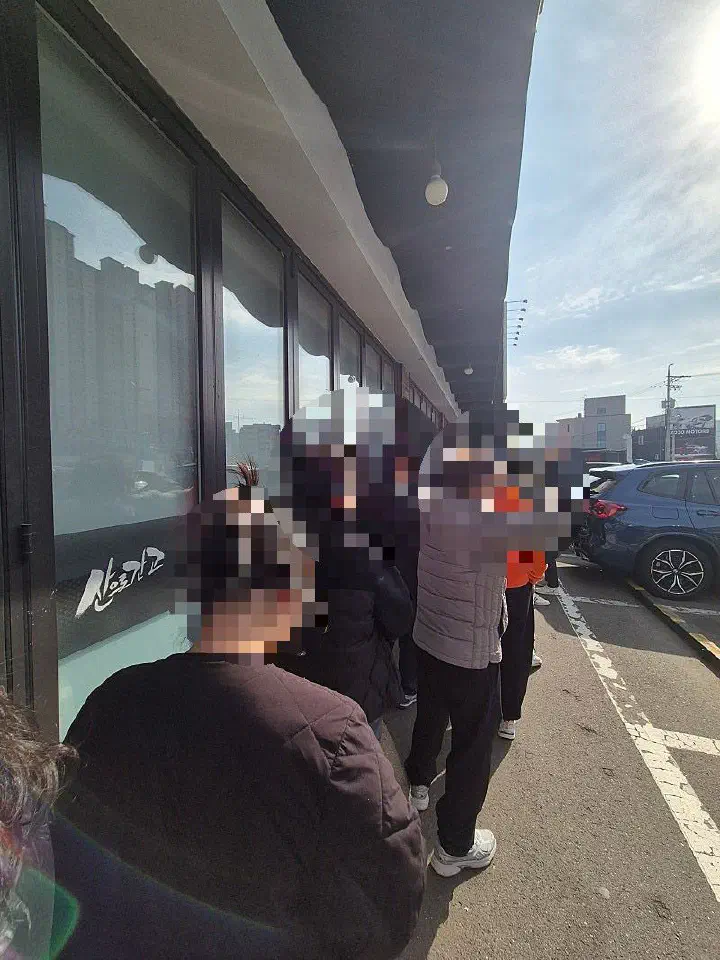
Expect a wait even on weekdays, usually 30 minutes to an hour at lunch. Weekends and holidays stretch to an hour and a half, sometimes over two.

People waiting at the entrance of Sangango

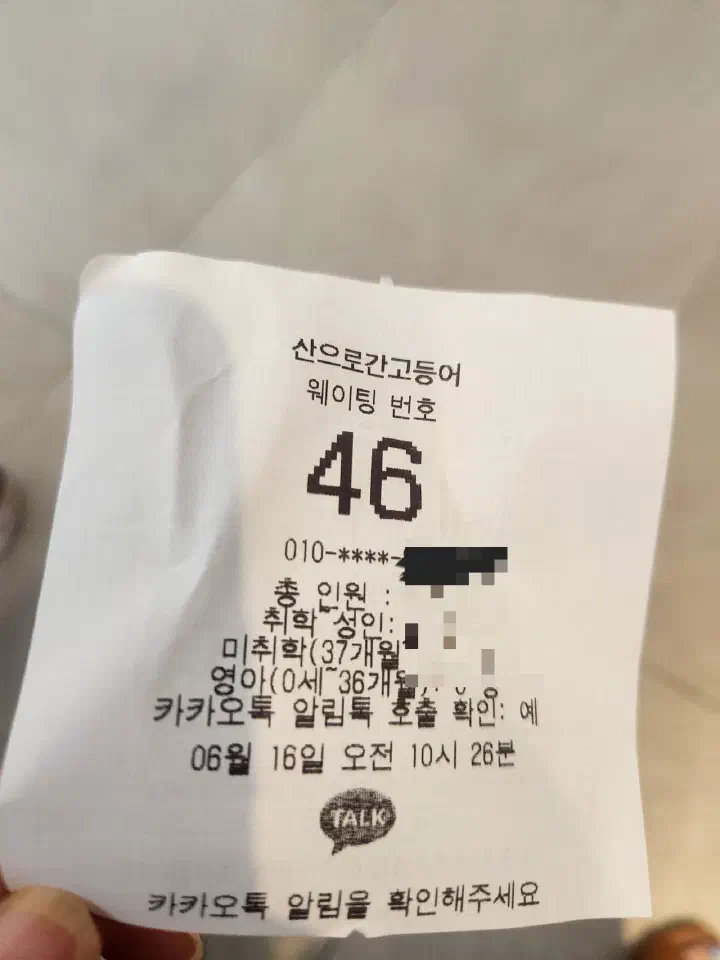
The system is its own thing. There’s no Catch Table or Tabling app here. You register at the kiosk out front yourself.

A paper waiting number at Sangango

Registering isn’t the whole step. You also fill out an order slip inside and hand it to the counter, which is why the food lands at your table within about five minutes of sitting down. Decide what you want while you wait and it goes much faster.

Registration opens around 10:00 before opening and around 16:00 after the break. One main dish per person is the rule, so solo dining isn’t possible; you need at least two people.

The surest trick is dodging the rush. On weekends, get there for the 10:30 open. On weekdays, after 6 pm or right after the afternoon break is noticeably calmer.

Ordering is easy even without Korean. The staff may speak a little English, but you can also just point at the menu and hold up fingers for how many. No problem.

Going through the menu

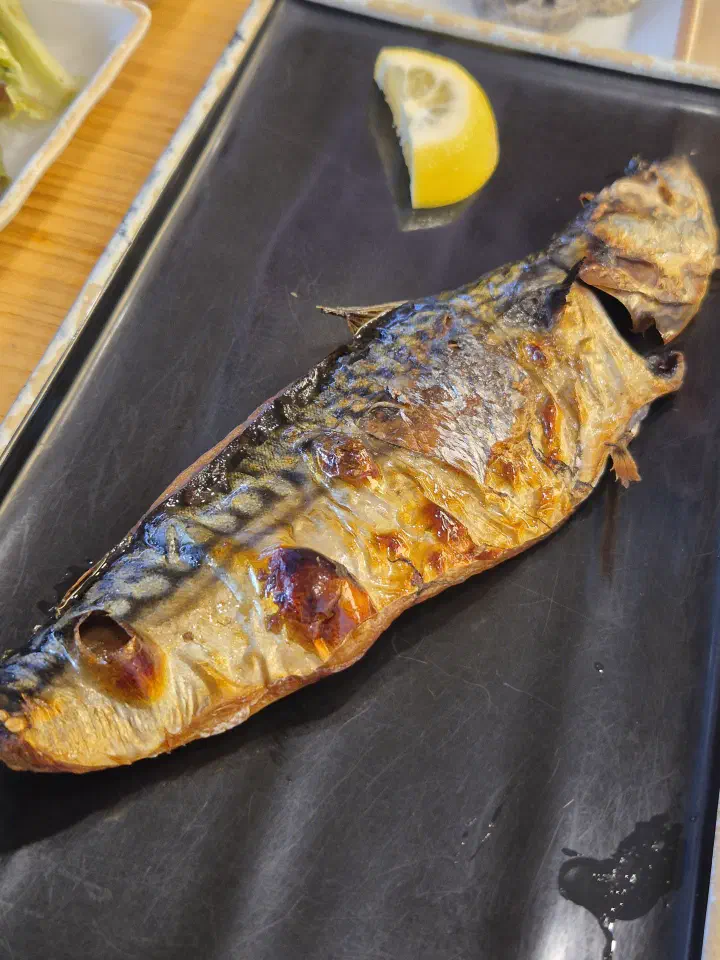
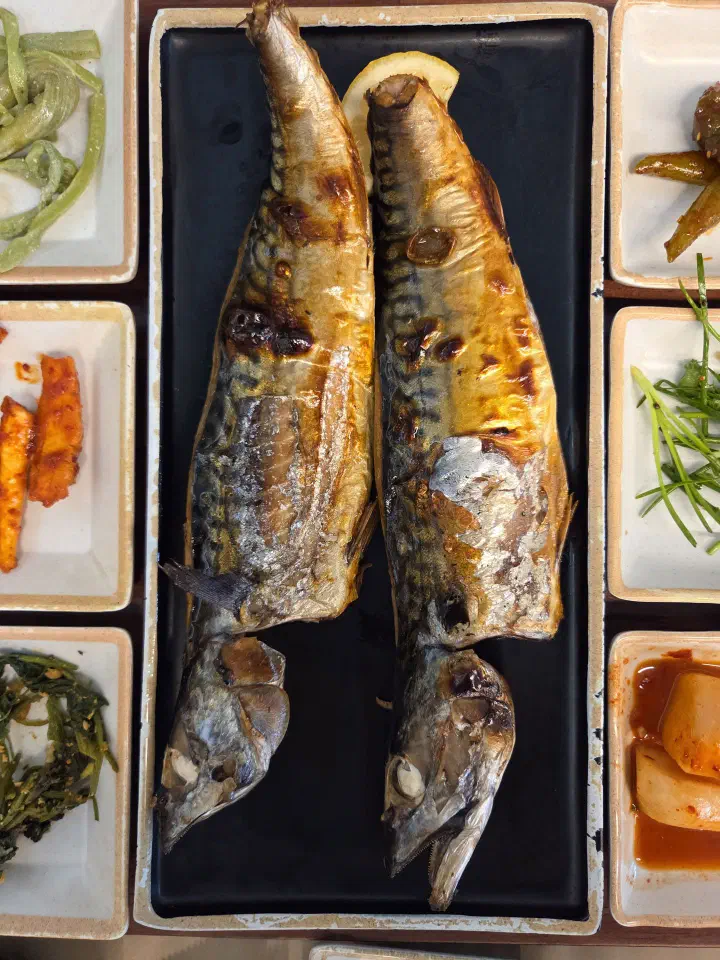
The star is the godeungeo-gui (고등어구이, grilled mackerel), 16,000 won for a portion. The mackerel is said to be hand-selected in Norway and grilled in a kiln built specifically for fish, the first of its kind to be patented. Oak charcoal, close to 500 degrees.

The charcoal kiln grilling fish at Sangango

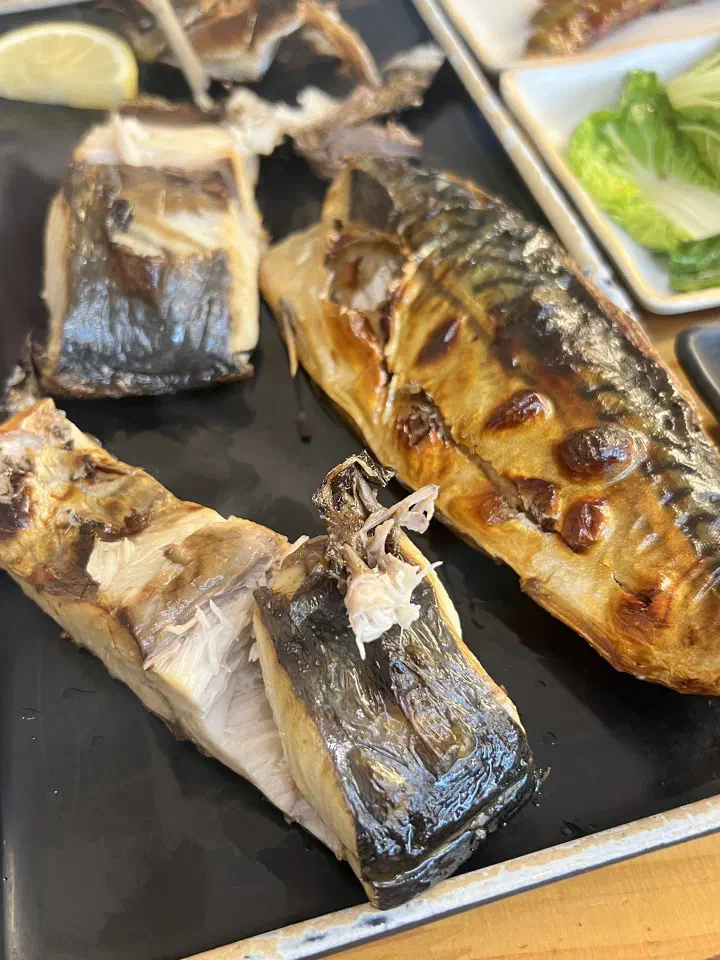
The skin comes out crisp and the flesh stays moist. The oil renders off but the nutty richness stays, and there’s basically no fishy smell. Wrap a piece in the seaweed with rice, add a touch of the sweet wasabi-soy, and that single bite is a whole meal.

A close-up of crispy grilled mackerel at Sangango

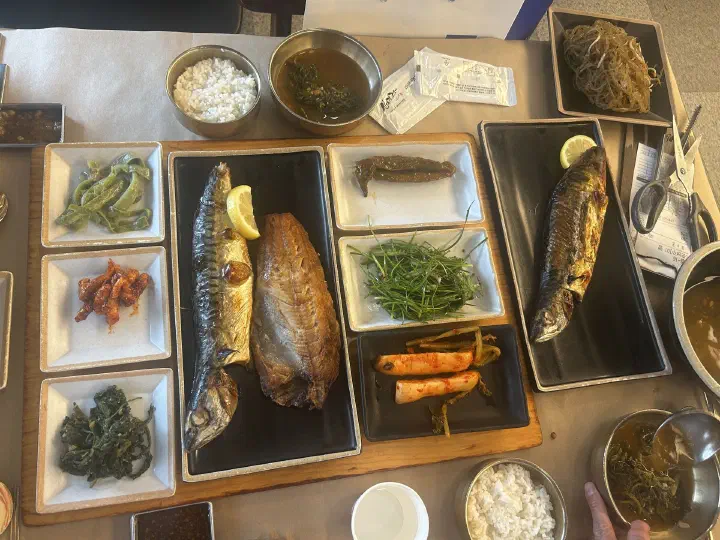
The imyeonsu-gui (임연수구이, grilled atka mackerel) is also 16,000 won, milder and softer. Where the mackerel is rich, this one is cleaner and more delicate, so the two play off each other nicely.

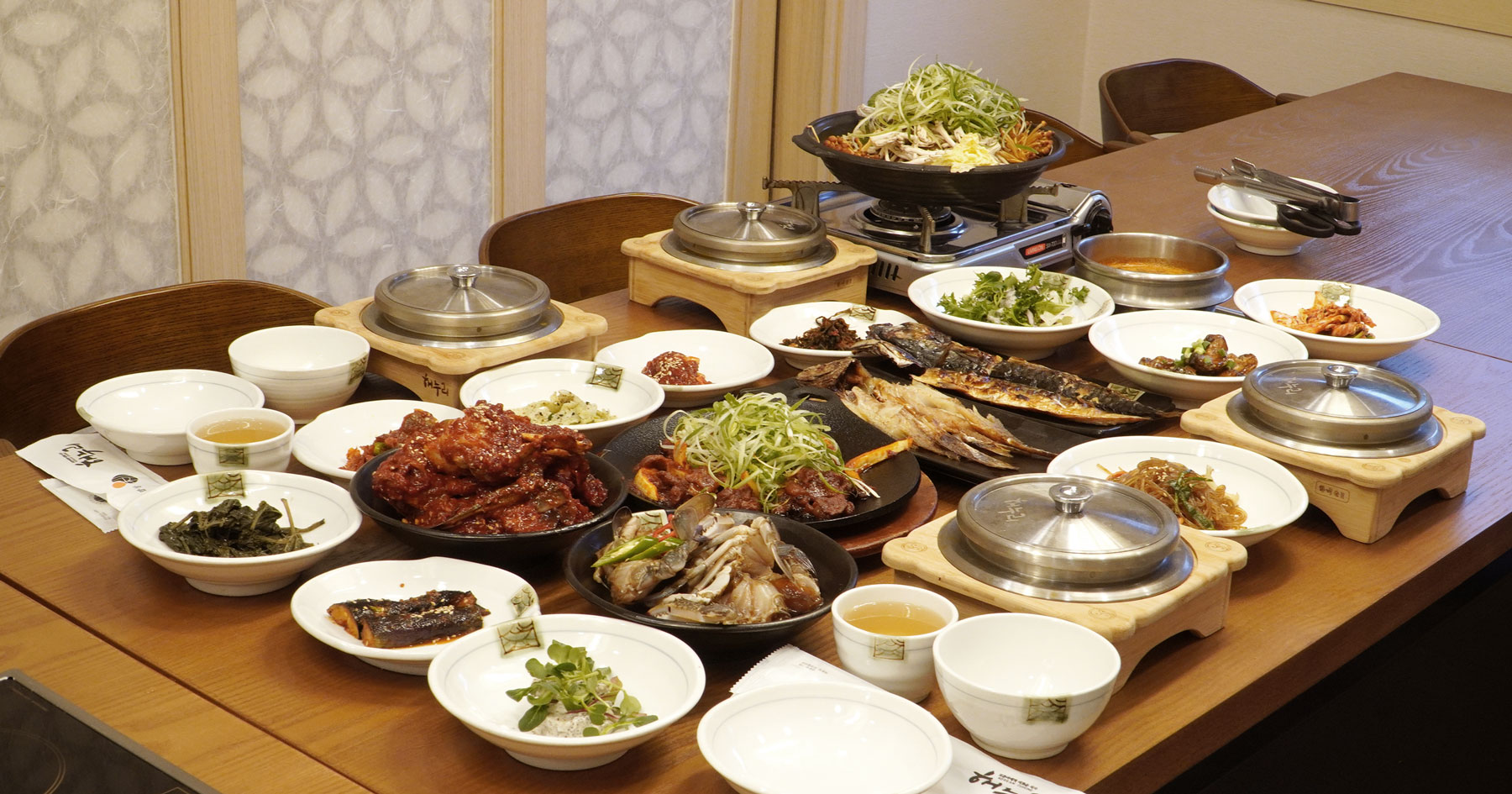
A spread of grilled fish at Sangango

Samchi-gui (삼치구이, grilled mackerel pike), 17,000 won, has thick, moist flesh that older diners and kids tend to love.

In summer, look for the mineo-gui (민어구이, grilled croaker), 22,000 won. Croaker season starts in June and the pre-spawning summer fish is at its richest. It’s semi-dried, so the flesh is springy and savory, though it does have a fair number of bones to work around.

A close-up of the grilled fish flesh at Sangango

For anyone not in the mood for fish, the jikhwa-jeyuk (직화제육, charcoal-grilled pork), 17,000 won, is a good call. It’s grilled over charcoal with real smoky char and pairs surprisingly well with the lighter fish.

Charcoal-grilled spicy pork at Sangango

A heads-up on the pork: Korean “spicy” already runs hot for many visitors, and this gochujang-based dish is no exception. The fish itself is not spicy at all, so brace yourself only for the pork.

Basically a Korean set meal: unlimited banchan

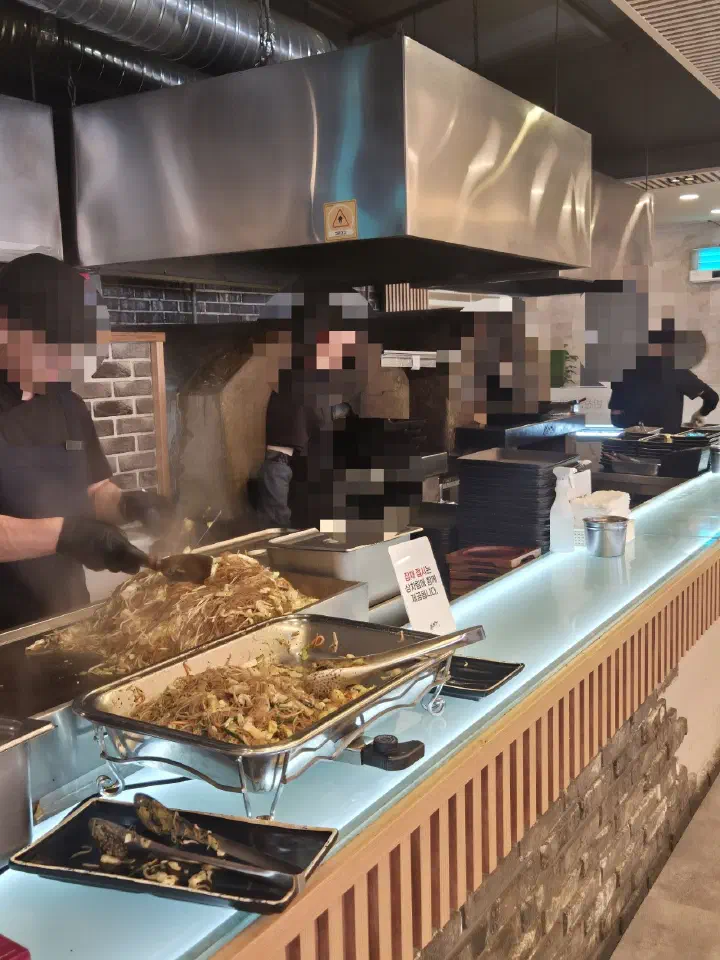
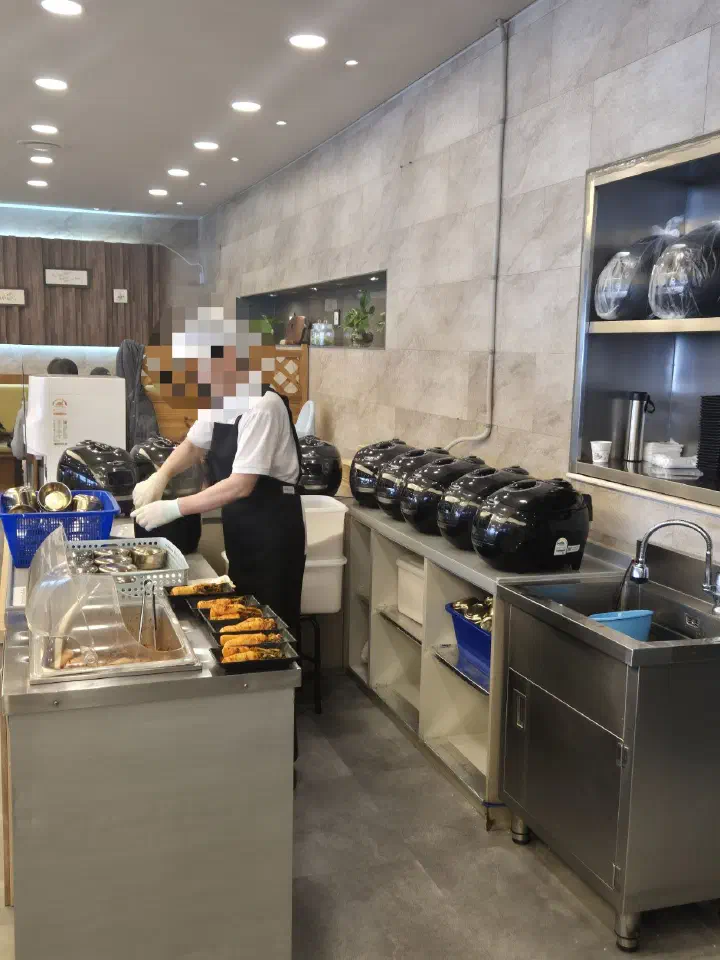
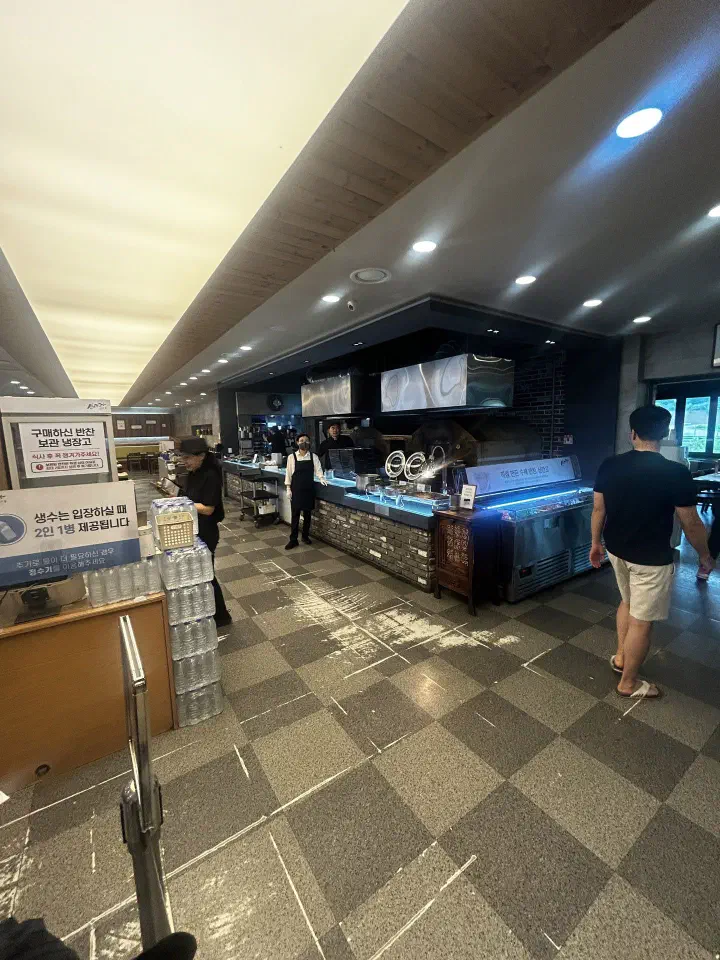
The real strength here is the self-service bar. Rice, soup, side dishes, japchae, and seaweed are all unlimited. For the price of one grilled fish, you essentially get a full Korean spread.

The self-service banchan bar at Sangango

The japchae (잡채, glass noodles) is stir-fried fresh on a griddle right at the bar, so it’s chewy and a little savory, almost like yakisoba. People refilling it three times is not a joke.

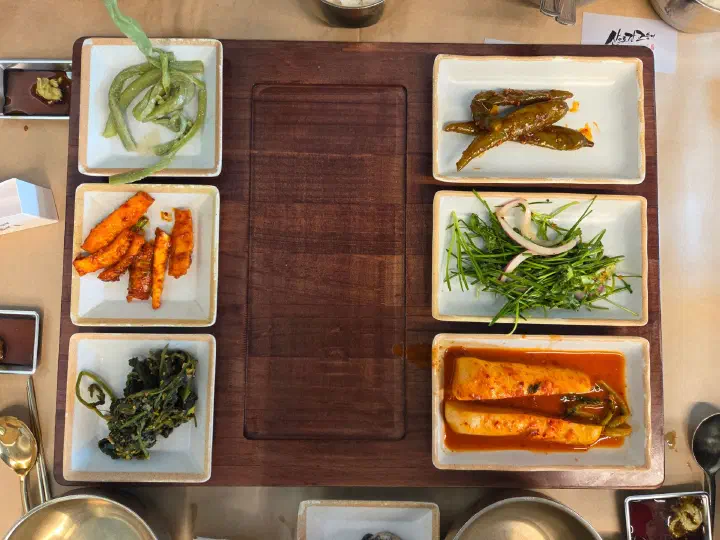
Namul and kimchi at the side-dish bar of Sangango

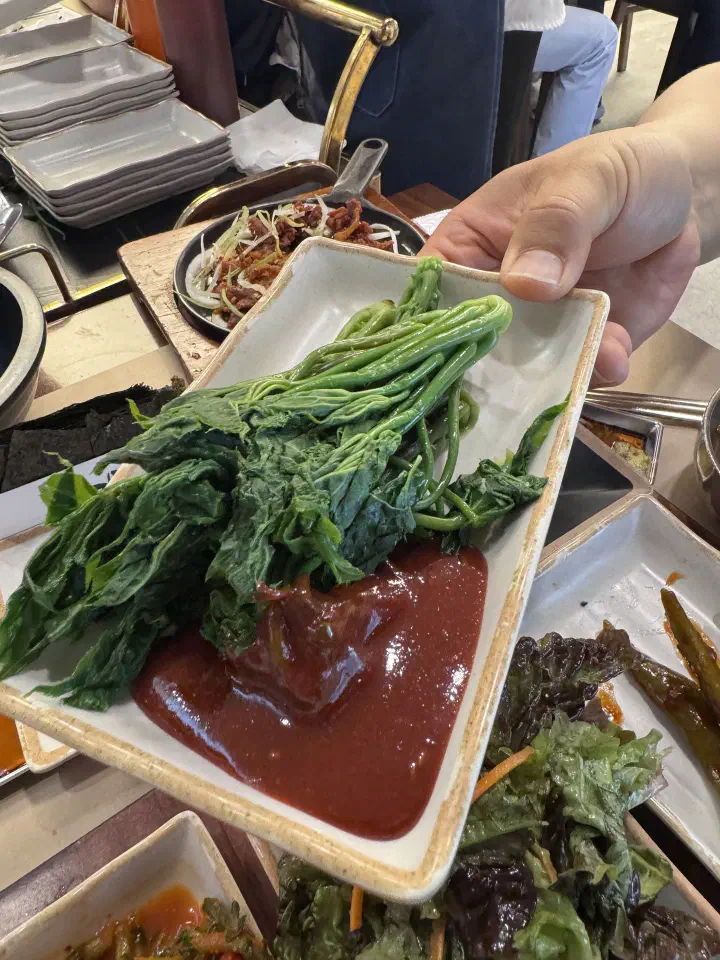
The chonggak kimchi, seasoned deodeok root, and assorted namul are all solid. The crunchy gungchae namul (궁채나물, stem-lettuce) is a quiet favorite. There are wrap vegetables too.

Wrap vegetables at Sangango

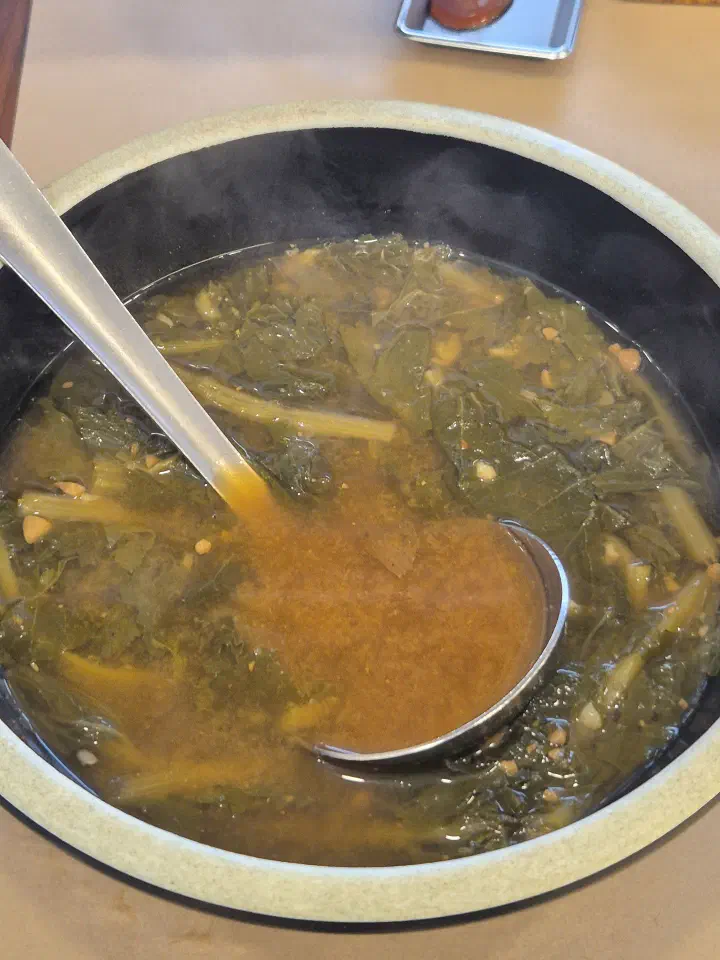
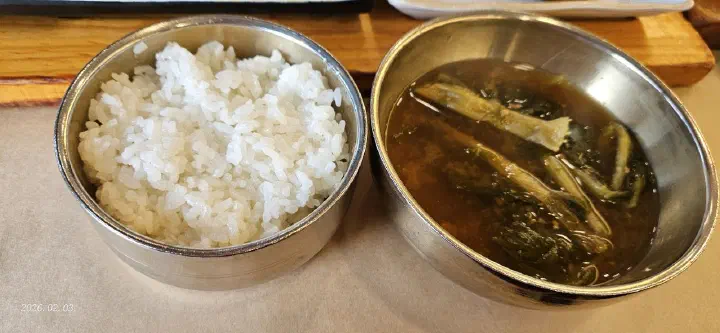
The soup is a homey doenjang (soybean) style that sits easy.

Soybean-paste soup and rice at Sangango

Seasoning is gentle overall, though some days it lands saltier than others. It seems to vary a little by the day’s cooking.

Rice and soup set at Sangango

The room, and a thoughtful touch

The dining room seats around 200, so it’s genuinely big. Wood finishes keep it warm, and even when it’s full it doesn’t feel cramped.

The spacious dining hall at Sangango

There’s a hand-washing sink near the entrance, which I found smart. Grilled fish leaves your hands smelling, and this saves a trip to the restroom.

Wasabi-soy sauce and grilled seaweed at Sangango

Ingredient origins and allergens are posted in plain sight too.

Ingredient origin notice at Sangango

Service is generally friendly and well organized, though it can feel a bit hectic at peak.

One practical note for visitors: nearly every restaurant in Korea takes cards, and an internationally issued card works fine here, so you don’t need cash on hand. And there’s no tipping culture in Korea, so don’t tip; it may just confuse the staff.

Parking, worth knowing in advance

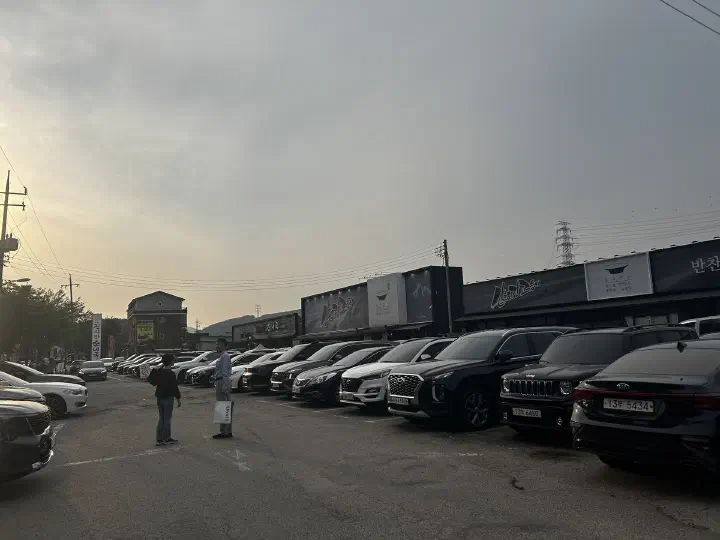
There’s a large lot right in front of the building, so you can park and walk straight in, which is easy with kids or older family members.

The large parking lot in front of Sangango

The catch is that it fills up fast, often by 10:30. It isn’t first-come-first-served for spaces; you circle until one opens, and that frustrates a lot of people.

If there are two or more of you, split up: one person hops out to register the wait while the driver parks.

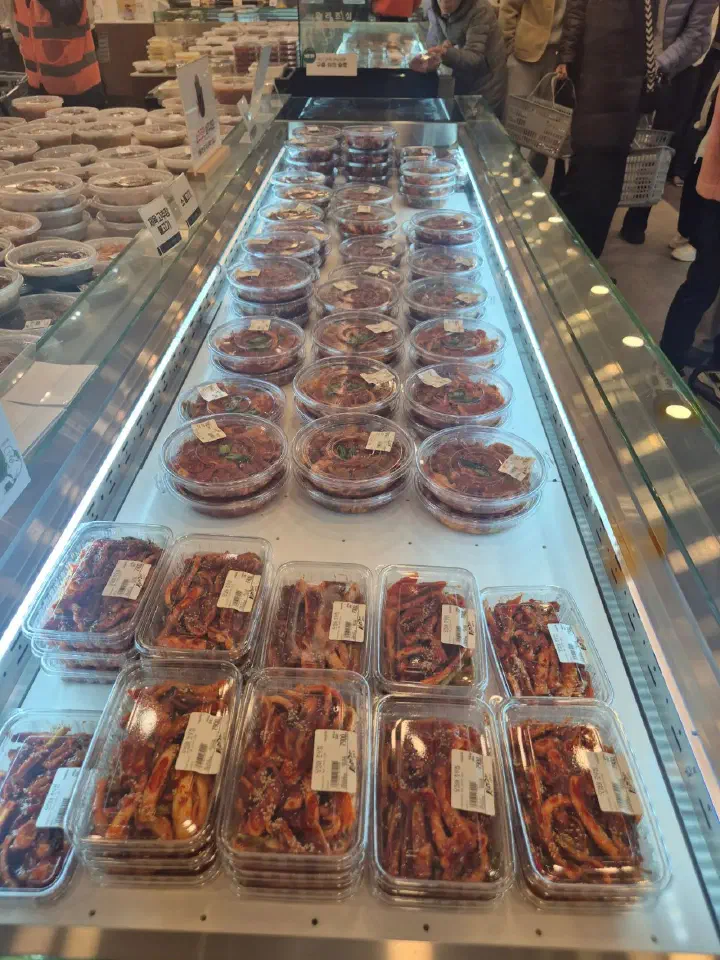
The side-dish shop next door

There’s a separate banchan shop beside the restaurant, open 10:30 to 19:50. It’s a nice way to pass the wait.

The side-dish shop displays at Sangango

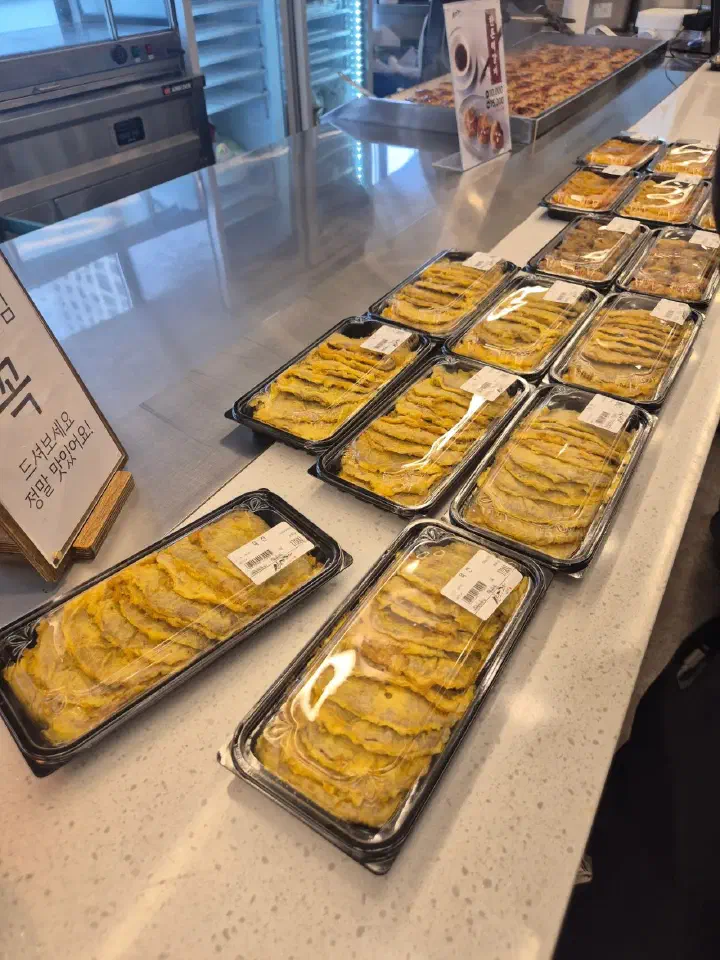
You’ll find chonggak kimchi, seasoned deodeok, ssamjang, oi-sobagi (cucumber kimchi), jeon, even meal kits. They’ll hold your purchases in the restaurant fridge so you can grab them after eating.

The banchan corner at the Sangango shop

Popular items sell out, so come a little early if you plan to buy.

A bit of history

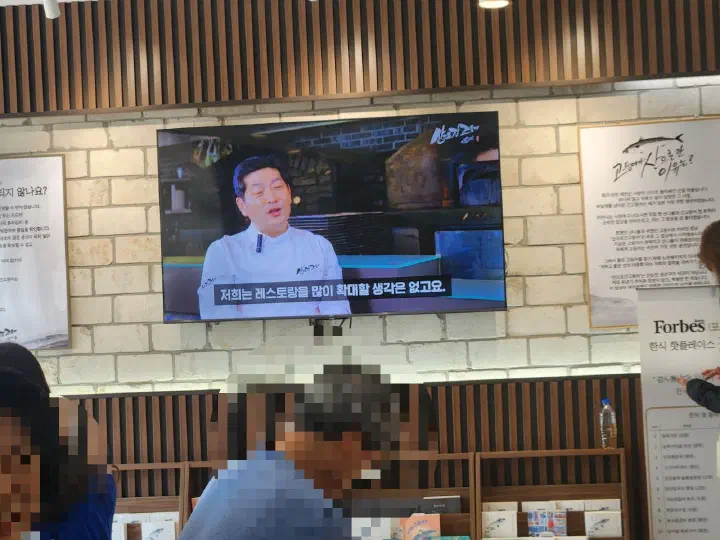
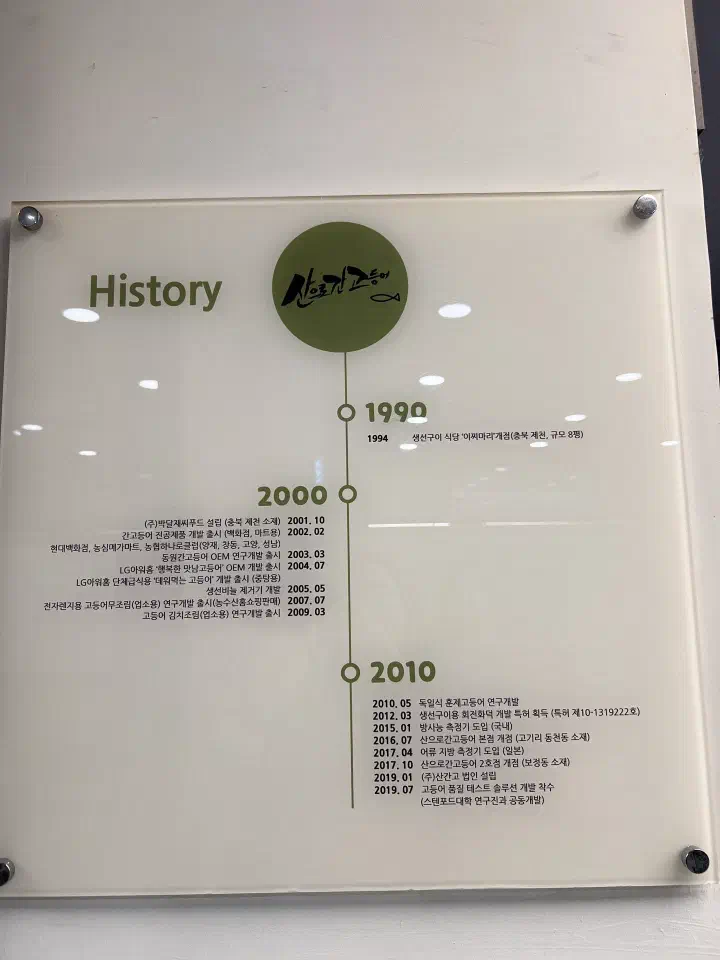
This place runs deeper than it looks. Back in 2017 it was featured on SBS Saengbangsong Today as “a master’s touch, 25 years of charcoal-kiln grilled fish.” If it was 25 years then, it’s pushing 30 now.

A TV broadcast featuring Sangango

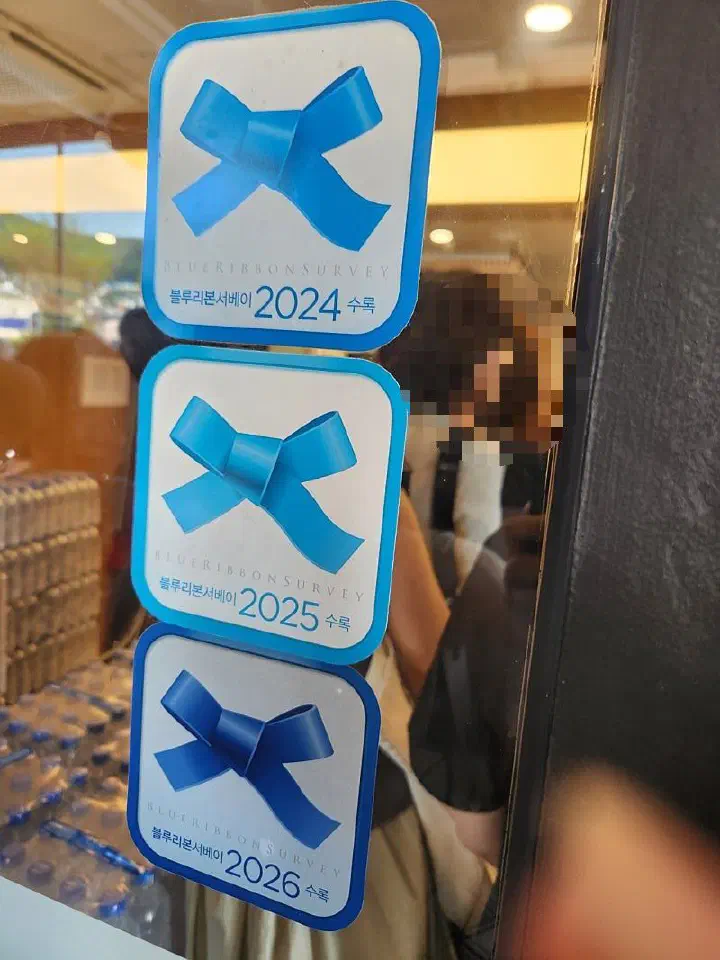
It made the Blue Ribbon Survey three years running, in 2024, 2025 and 2026,

Blue Ribbon recognition at Sangango

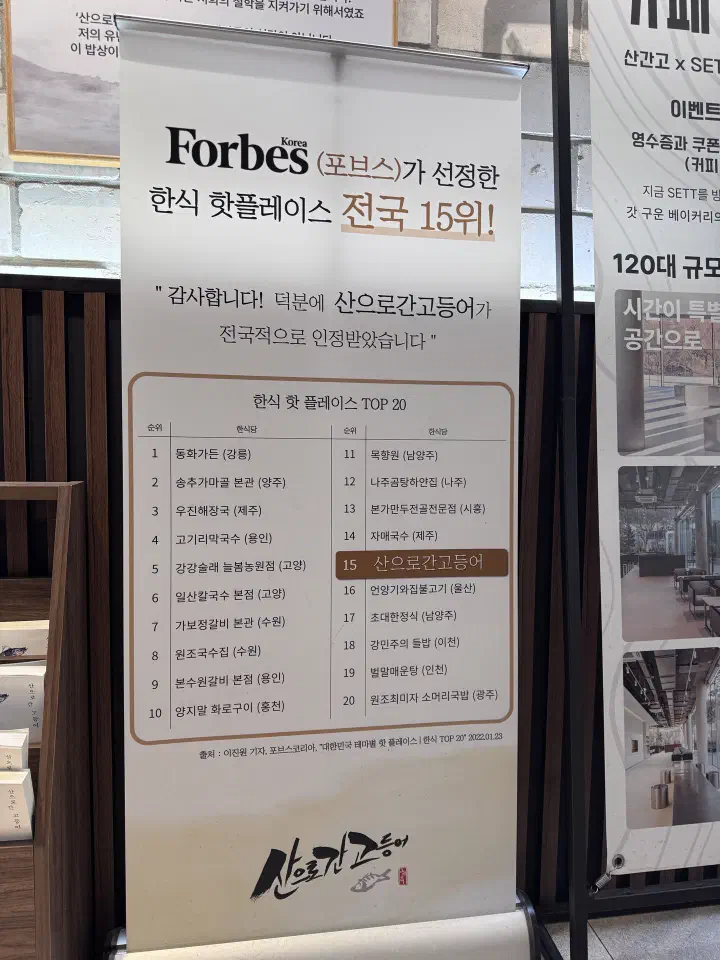
and landed at number 15 nationwide on Forbes’ list of Korean-food hotspots.

Forbes selection notice at Sangango

Despite the fame, there are no franchises; they run this one original location only.

Prices have crept up

Worth flagging: the signature mackerel sat at 11,000 won for a while, then 14,000, and it’s now 16,000. A neat little snapshot of Korean inflation.

Bottled water used to be one per person and is now one per two people. Small thing, but it saves a moment of confusion.

So, is it worth it?

The waits and the parking shuffle are real downsides, and the seasoning can be uneven day to day.

Even so, between the quality of the kiln-grilled fish and that unlimited banchan setup, people keep saying the wait pays off. For a meal with parents or kids, it’s hard to beat.

Time your visit around the crowds and you’ll understand why it’s the kind of place people keep coming back to.

📍 View Sangango (산으로간고등어) on Google Maps →